
Reviewed · BEIJING TEA CULTURE SESSIONS
Traditional Chinese Tea Ceremony Experience
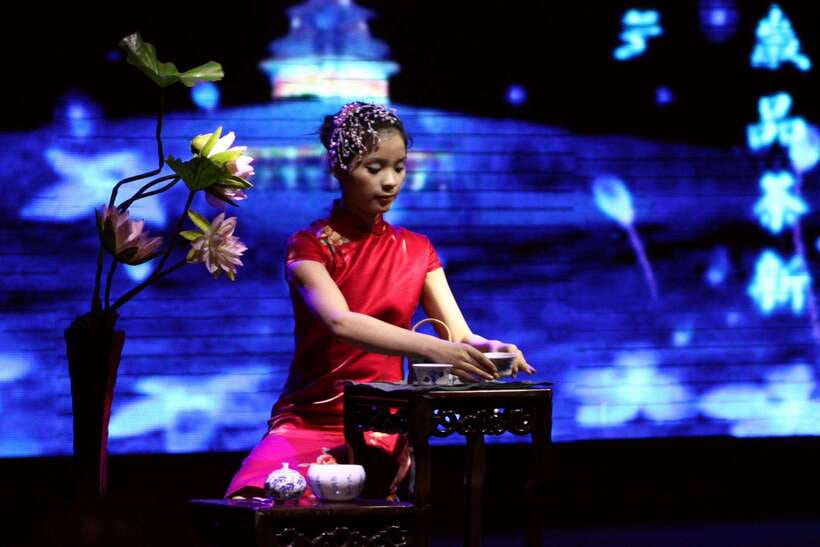
Steep tea like the locals in Beijing. This traditional Chinese tea ceremony turns a simple cup into a guided, mindful ritual. I especially love the chance to smell and compare multiple teas like oolong and pu-erh, and the clear technique for water temperature and steeping time. One drawback to plan around: it is not suitable for children under 7 or for pregnant women.
For the price, it feels like a cultural shortcut. You get a sit-down lesson in tea appreciation with 5 mini cups to taste, and you can optionally buy tea to take home. Just remember, this is a tea ceremony experience, not a transport-included city tour.
Key things I’d book this for
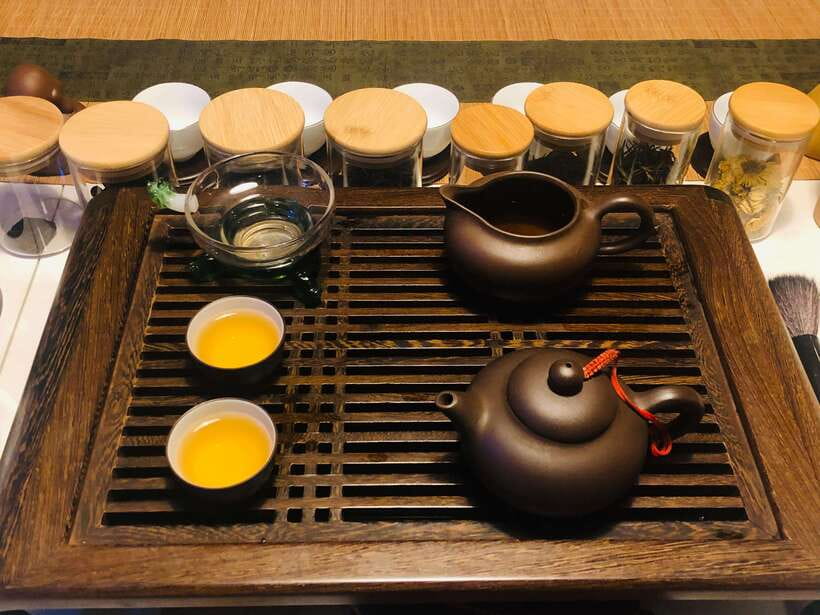
- A real tea master-led ritual: You learn technique step-by-step, not just how to hold a cup.
- Five mini cups for comparison: It makes the tasting feel hands-on and easy to follow.
- Tea varieties you’ll actually recognize: Oolong, Pu-erh, green tea, jasmine, and flower tea.
- English support: The host or greeter speaks English, and the tea explanations are offered in English.
- Designed for fun, not a lecture: Adults and kids tend to enjoy the sensory part of tea.
- Optional tea shopping, at your pace: You can buy afterward, but it is not required.
Why a Beijing tea ceremony beats a standard tea tasting
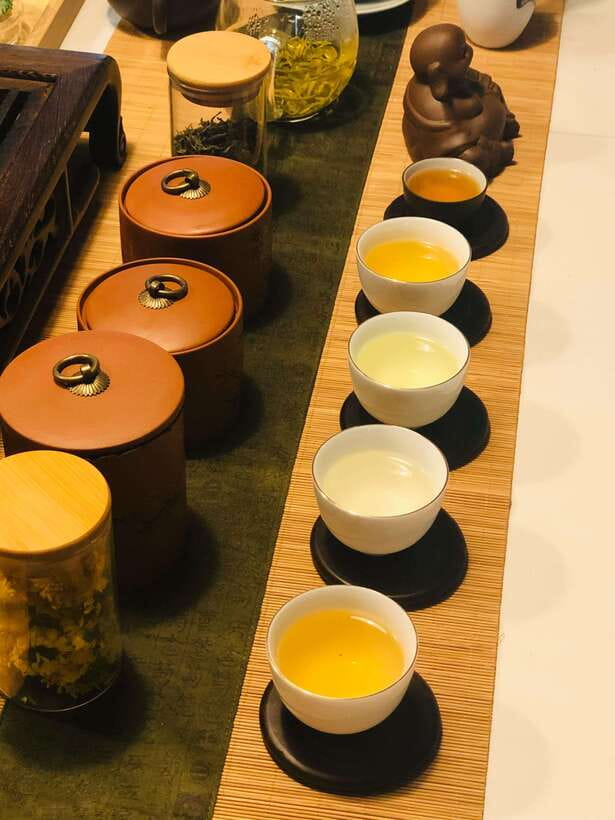
If you have done a basic tea tasting, you may have noticed the pattern: someone pours, you sip, everyone moves on. A traditional ceremony works differently. It slows you down and gives each step a reason. The goal is not just tasting, it is paying attention.
In Beijing, this experience has a special advantage. China is the birthplace of tea, so the ceremony feels like more than a performance. It is a lived cultural habit tied to respect, harmony, and mindfulness. You will see how those values show up in tiny actions like warming the teapot and pouring with care.
This is also one of those activities that can work even if you are not a big tea person. You do not have to chase flavors on your own. The tea master helps you notice what to look for, smell for, and time correctly.
You can also read our reviews of more tours and experiences in Beijing.



Inside the tea house: what the ceremony actually feels like
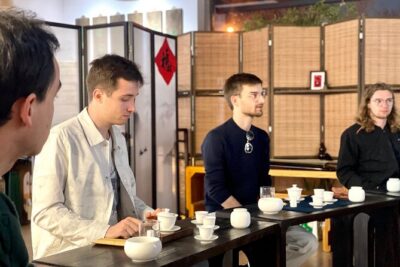
Your experience typically starts with a friendly greeting from the host or greeter. From there, the tea master guides you through the ritual. And yes, it can take anywhere from 30 minutes to 3 hours, depending on the session and how much tasting and Q&A you end up having.
Here is the rhythm you can expect.
First, you get the basics of handling and preparation. The tea master focuses on the sequence because Chinese tea culture treats each step as part of the final cup. Warming the teapot is not just tradition for tradition’s sake. It helps set up the brewing environment so the tea performs the way it should.
Then come the sensory moments. You will learn how to smell the leaves properly, rather than taking a quick sniff and guessing. You will also see how the tea master explains the proper water temperature and steeping timing. That matters because tea is not one flavor. It is chemistry, heat, and timing.
Next is pouring. The way tea is poured is part of the ceremony’s “why.” It is controlled, paced, and intentional. You are not watching someone rush to the end. You are participating in a calm set of actions where sight, smell, and taste all connect.
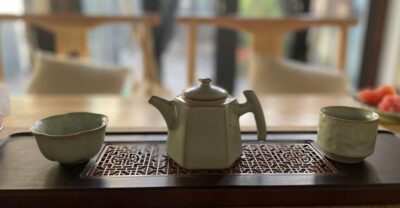
Finally, you move to tasting. You start with small pours, then compare how each tea changes with temperature and steep time. That is where the mini cups are a smart design choice. It keeps things light while still letting you make real comparisons.
The teas you’ll taste, and how to notice differences fast
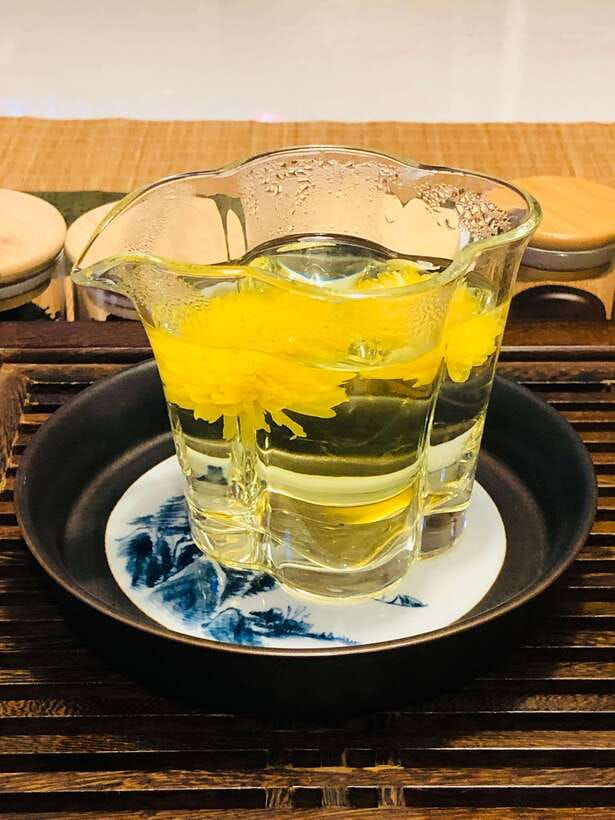
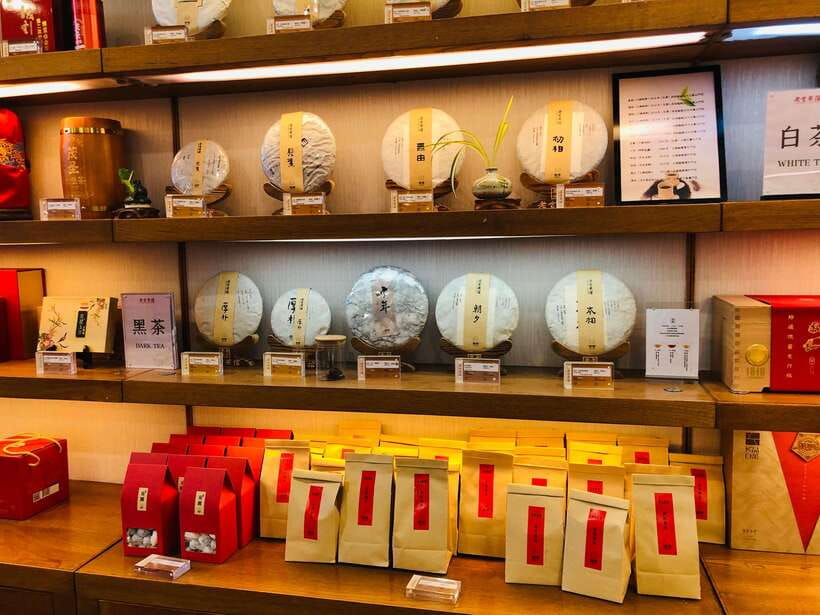
You will taste several types of tea during the ceremony. The options listed include Oolong, Pu-erh, green tea, jasmine tea, and flower tea. Not every session may include every single type at the same intensity, but you should expect a mix that lets you understand how different teas behave.
Here is how to approach the tasting so it does not turn into random sipping.
Oolong: fragrance first, then flavor
Oolong often comes through with a balance of aroma and body. When you smell the leaves, pay attention to the top note. Then taste and notice how the flavor builds. If your steeping timing is slightly different, the character can shift, which is exactly what the ceremony teaches.
Pu-erh: deep, earthy, and made for attention
Pu-erh can feel “strong” if you jump in too fast. The ceremony helps you slow down and approach it as a structured tasting. Your first taste might seem heavy, but subsequent sniffs and sips often reveal more nuance once you give it a moment.




Green tea: crisp and clean
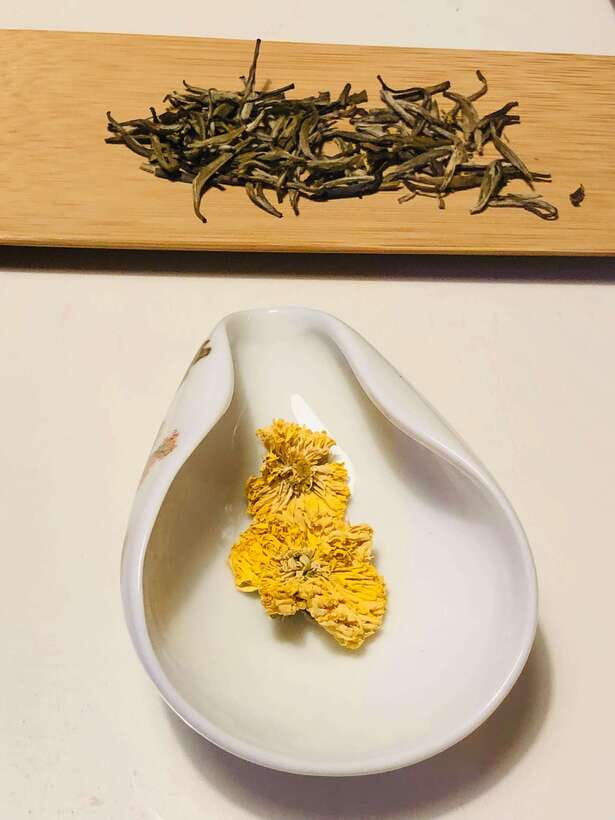
Green tea tends to reward correct temperature. If the water is too hot, you can get harshness. The tea master’s explanation of water temperature and timing helps you understand why green tea tastes more like grass, leaves, or fresh minerals when brewed right.
Jasmine and flower tea: aroma you can chase
Jasmine tea and flower tea are all about the nose. Smell first. Then take a sip and see if the fragrance matches what you smelled. If it is too subtle, it usually means timing needs adjustment, and that is part of what you learn here.
Tea masters and English explanations you can actually follow
One of the most praised parts of this experience is the teaching. People consistently talk about tea experts who speak clear English and explain both the culture and the technique in a patient way.
I like this style because it keeps you from feeling lost. You do not need to memorize tea vocabulary. You just need to follow the steps and notice what you are being asked to notice.
You may meet different hosts or tea masters across sessions. Some names that have come up include Richard Li, and other English-speaking presenters such as Kostya and Feye. In the same way that you might meet different guides on different days, the tone can shift, but the goal stays the same: you leave understanding how and why the tea is brewed the way it is.
And yes, this is a place where you can ask questions. When the tea master explains timing and temperature, it is not just theory. It is practical guidance for how to recreate the experience at home, even if your teapot is not fancy.
Pricing at $9: when this is great value, and when it isn’t
At $9 per person, this is one of those deals that feels intentionally designed for access. The included portion is clear: the tea ceremony plus 5 mini cups. That alone can be worth it if you are trying to learn something real without paying for a full guided day.
Here is how I judge the value.
If you are the type of person who likes hands-on cultural activities, this price is a win. You get multiple tea types, structured instruction, and a real ritual format. You are paying for the experience design and teaching, not just for tasting.
If you are expecting private, English-speaking transport, this may disappoint you. Transportation is not included, and there is no formal tour guide listed as included. What you do get is a host or greeter who speaks English, plus the tea master leading the ceremony itself.
Also, factor in optional spending. Tea purchases are available afterward at your own expense. Some people buy because they want to take something back that matches what they learned. That can make the total cost higher, but you control it.
My bottom line: for what you receive, $9 is strong value if you come with an open mind and plan to stay for the full experience.
How long should you set aside in your Beijing schedule
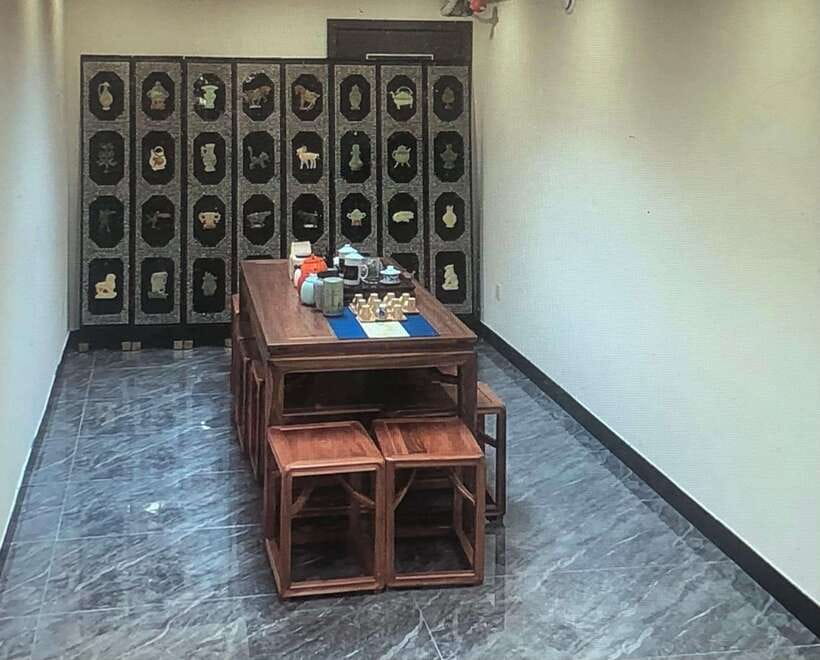
The duration is listed as 30 minutes to 3 hours, depending on the starting time and the session. That range is big enough that you should plan like a grown-up with your schedule.
If you are doing a busy day like a major sightseeing block, I suggest treating the tea ceremony as a reset. You will get a calmer pace right after a higher-energy attraction. Some people like doing it after landmarks, because it helps you digest the day and gives you something sensory that is different from photos and lines.
If you only have a short window, look for the earlier starting time. If you have a longer afternoon, pick a session that gives you space for questions and a full tasting flow. In practice, the tea ceremony can expand when you are actually curious and want to understand the steps.
What you might buy at the end, and how to keep it from feeling salesy
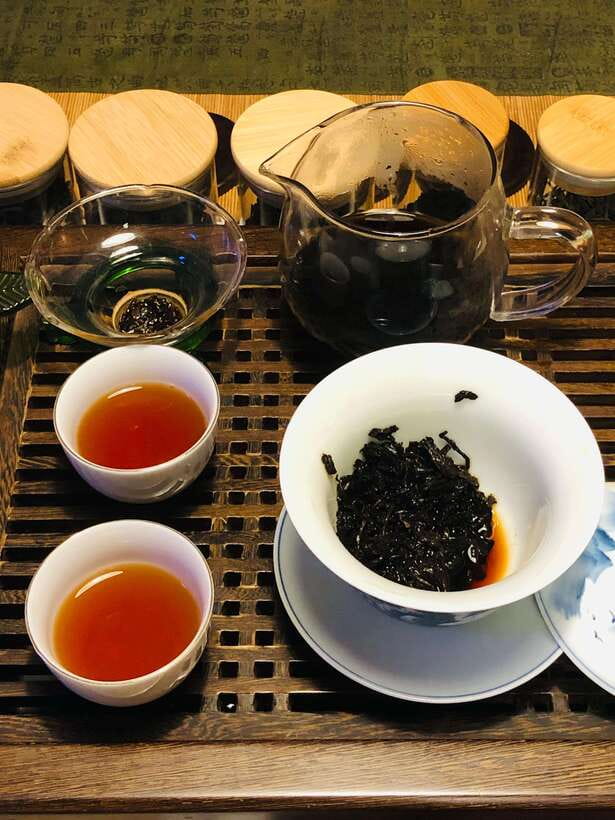
After the ceremony, you have the option to purchase tea. The purchase is not included, so you should think of it as a chance to bring home the flavors you liked most.
I find this model fair. You do not get pushed during the main lesson. Instead, you taste, learn, then decide.
If you want to keep spending under control, use a simple rule: buy only what you can name. For example, choose one tea type you clearly enjoyed, then ask about how to brew it at home based on the temperature and steeping timing you practiced in the ceremony. If you cannot connect the tea to something you learned, pass on it.
Also, the activity provider is Hutong Calligraphy. Some visitors have described additional cultural elements beyond tea, like calligraphy. Since it is not listed as an included item in the core tea ceremony, treat calligraphy as something you might encounter depending on the session structure, and ask on arrival what is included for your specific booking.
Who should book this ceremony, and who should skip it
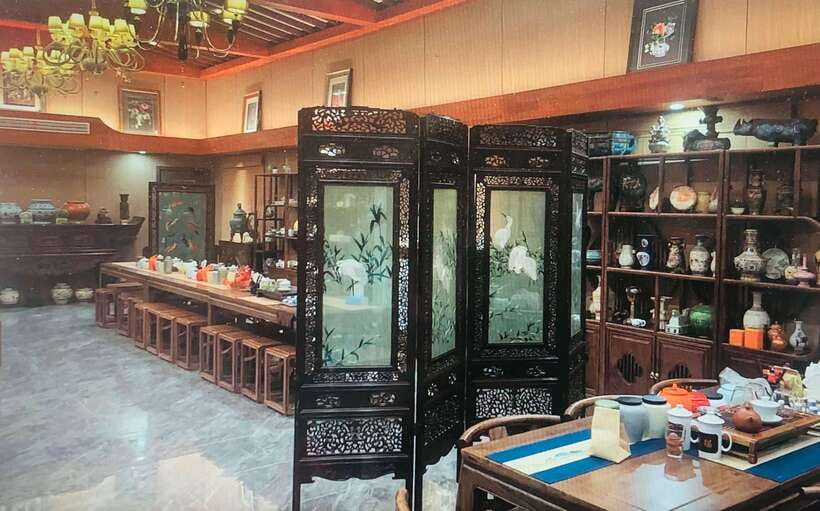
This tea ceremony is a good fit for people who want culture that is tangible. You are not just reading about tea. You are learning the technique, and you will taste your way through it.
It is also a family-friendly option for older kids, since it is described as fun and interesting for adults and kids. Still, it is not suitable for children under 7, and it is not suitable for pregnant women. If either of those applies, you will want to choose a different activity.
If you are a first-timer in Beijing, this also works well. You get an experience that feels local and grounded in everyday tradition, not just a tourist headline. And after you learn what correct brewing feels like, you can carry that skill into future tastings in other cities too.
Should you book this Beijing tea ceremony experience?
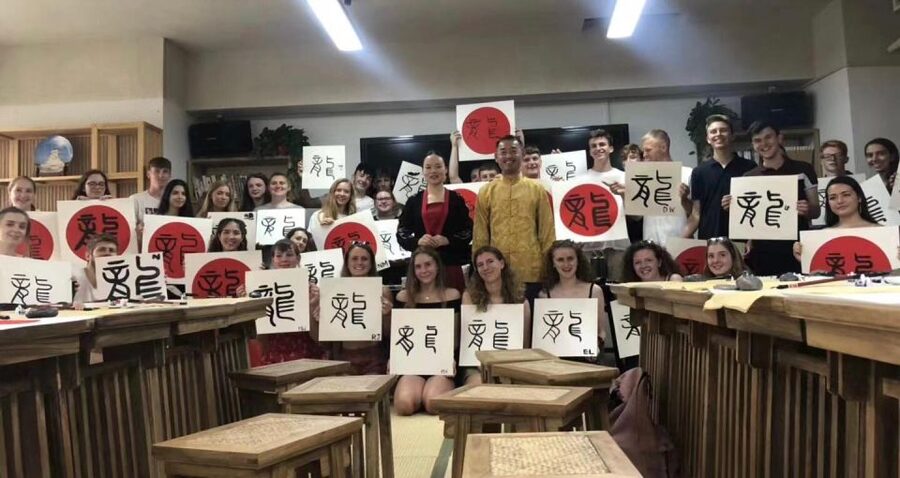
Yes, I think you should book it if you want a calm, hands-on cultural activity that teaches you how Chinese tea culture works in real life. The 5 mini cups make it approachable, the tea master instruction gives you actual technique, and the English support helps you understand what you are doing instead of just watching.
Skip it if you need guaranteed transportation from your hotel, or if you are uncomfortable with an experience that is focused and ritual-based rather than moving quickly from stop to stop. Also, check the participant limits first, since it is not suitable for children under 7 or for pregnant women.
If you are in Beijing with a little curiosity and a realistic schedule, this is one of those low-cost activities that can seriously improve how you experience tea for the rest of your trip.
FAQ
How long does the Beijing tea ceremony take?
It runs between 30 minutes and 3 hours, depending on the starting time you select.
What tea types will I taste?
You can expect to taste multiple teas including Oolong, Pu-erh, green tea, jasmine tea, and flower tea.
What is included in the price?
The included items are the tea ceremony plus 5 mini cups of tea.
Is a tour guide included with the experience?
No tour guide is listed as included, but you will have a host or greeter who speaks English, and the tea master runs the ceremony.
Is transportation included?
No. Transportation is not included.
Can kids join?
Children under 7 are not suitable for this activity.
Is there a language option for the ceremony?
English is available, and the host or greeter speaks English.
What information do I need to provide when booking?
You are asked to leave a WhatsApp number when you book.
More Tour Reviews in Beijing
Not for you? Here's more nearby things to do in Beijing we have reviewed






Beijing Tea Culture Sessions, compared.
 ★ 5.0Beijing Culture: Tea Ceremony, Heritage Instrument & CalligraphyFrom $7857 reviews
 ★ 4.7Chinese Tea ceremony in Beijing Hutong courtyardFrom $3126 reviews
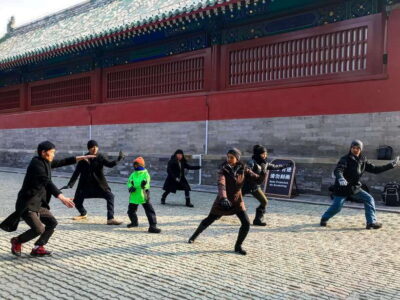 ★ 5.0Temple Of Heaven+Tai Chi Class+Tea CeremonyFrom $1298 reviews
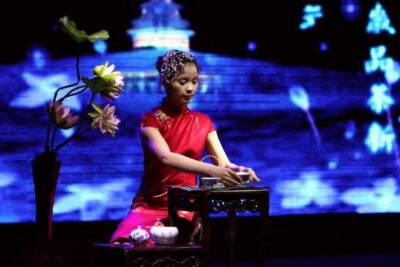 ★ 5.0Traditional Chinese Tea Ceremony ExperienceFrom $97 reviews
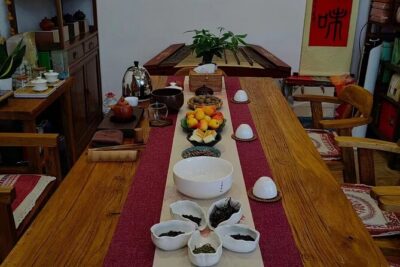 ★ 5.0Beijing Tai Chi and Tea Ceremony ExperienceFrom $954 reviews
Browse the lists this tour appears in