
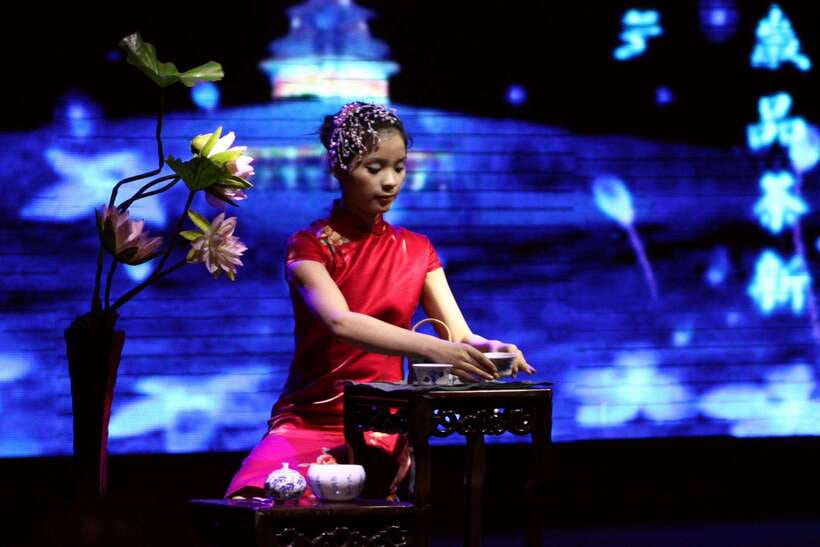
Reviewed · BEIJING TEA CULTURE SESSIONS
Traditional Chinese Tea Ceremony Experience
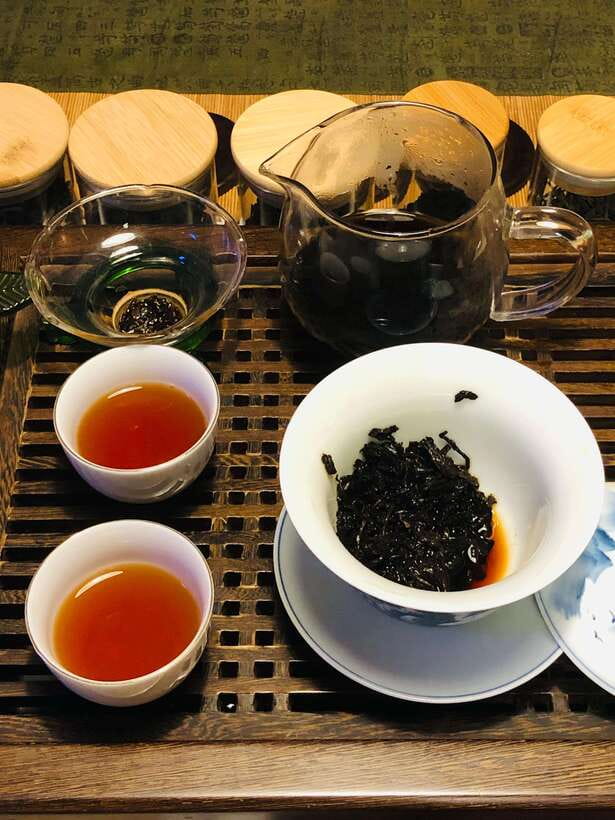
Tea ritual beats a rushed tasting. In Beijing, this traditional ceremony lets you see the brewing steps with care and compare multiple teas through 5 mini cups, all in about 30 minutes. I like how the tea master focuses on the ritual, not just gulping tea. The one drawback to consider is that there is no tour guide in the group, so you will rely on the tea master for context and translation style.
You book this for just $9.90 per person, and you get a mobile ticket plus a small crowd capped at 15 people. That size matters, because you can ask questions and actually watch what happens at the table. Afterward, you can buy tea to take home at your own expense, then the host walks you back to the meeting point or toward Jianguomen Subway.
Key things to know before you go
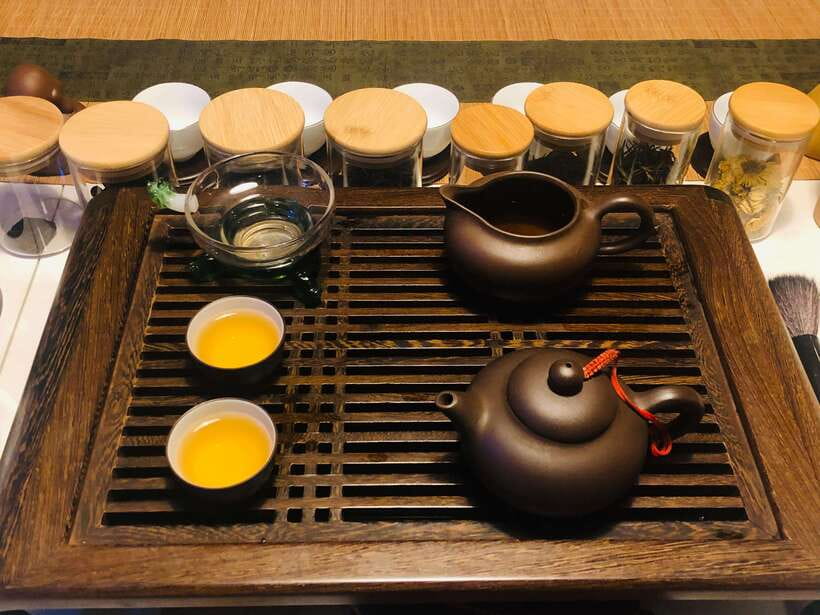
- A heritage-style tea ceremony, not a one-note tasting
- 5 mini cups so you can compare tea categories quickly
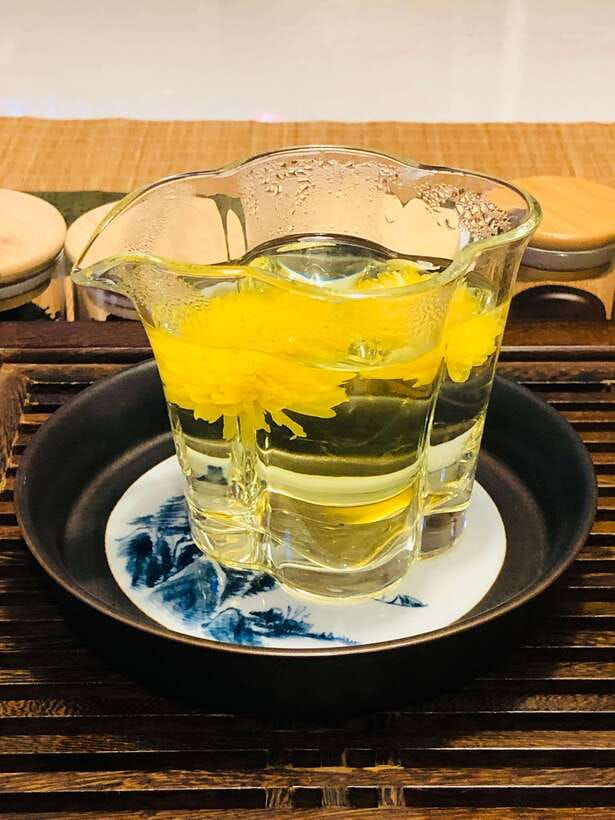
- Oolong, Pu-erh, green tea, jasmine, and flower tea in one sitting
- A small group (max 15) so you get time to watch and ask
- Tea master-led pacing, with no separate tour guide
- Optional take-home shopping if you want to share what you liked
What you’re really paying for in a Beijing tea ceremony
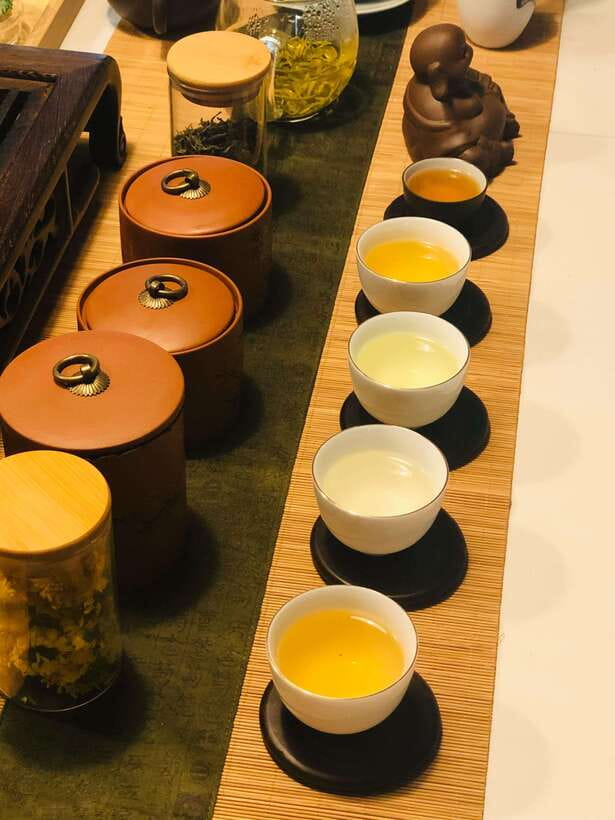
This is the kind of experience where the value is in the process. Yes, you taste tea. But the main point is how the tea gets made, how it is served, and how you are encouraged to pay attention. In the tea master’s hands, simple steps like warming the teapot and pouring become part of the performance.
At $9.90, you are not buying a long lecture. You are buying a short, focused introduction to Chinese tea culture in a structured setting. If you are trying to pack Beijing days without sacrificing authenticity, this format is a good fit: you get a real ritual experience without burning half a day.
One more practical value point: the group is capped at 15 people. That is small enough that the host can keep things moving while still letting you participate.
You can also read our reviews of more tours and experiences in Beijing.



From teapot warmth to tiny sips: how the ceremony flows
Expect a friendly tea master greeting you when you arrive. The ceremony is presented as a traditional ritual built on respect, harmony, and mindfulness. You will likely notice that the host treats each step as intentional, not just functional.
Here is what the flow feels like, based on what the ceremony includes:
- A demonstration of brewing and serving technique, with careful attention to order
- Warming and pouring done slowly enough for you to see what matters
- Tea appreciation using your senses, especially smell and taste
The best way to enjoy this is to slow your brain down for a minute. If you treat the experience like a checklist, you miss what makes it special. Instead, you can let each mini cup become a comparison. You might find it helps to pause for a few seconds after smelling, then take a small sip, then decide what stood out.
Also, remember this is not described as a guided tour with a separate guide. You are there for the ceremony itself, so lean into it: ask questions to the tea master, and be ready to follow cues at the table.
Comparing Oolong, Pu-erh, green, jasmine, and flower tea fast and smart
You will taste various types of tea, including Oolong, Pu-erh, green tea, jasmine tea, and flower tea. The ceremony includes 5 mini cups, which is perfect for a quick comparison. You are not stuck with one flavor choice for the whole session.
In practice, the mini-cup format makes it easier to do two useful things:
1) Notice differences without feeling overwhelmed
2) Keep the pacing comfortable, since you are not forced into one long, repeated sip
If you are new to tea culture, this is a friendly way to start. You will likely leave with a better sense of which tea category you want to explore later. And since the ceremony emphasizes proper enjoyment, you are not only tasting, you are learning how to think about tea.
One thing to keep in mind: the ceremony is about appreciation, not speed. Even though the total time is around 30 minutes, the host’s style is meant to be deliberate. If you are the type who rushes, you will enjoy it more if you do a quick reset when you sit down.
Chang An Grand Theater area: where you show up and where you end
Your start point is listed as Jian Nei Da Jie in Dong Cheng District, Beijing. The activity notes it is near public transportation, which matters because you want an easy arrival and an easy exit.
There is a stop connected with Chang An Grand Theater, which gives you a concrete landmark to orient yourself. If you are traveling across Beijing, a nearby major area like this is a plus. You do not need a complicated map puzzle.
After the ceremony, the tea master manager walks you back to the meeting point or toward Jianguomen Subway station. That is a helpful touch. In a city like Beijing, it reduces the stress of figuring out your next move immediately after an experience.
30 minutes, mobile ticket, and a small group: value that actually works
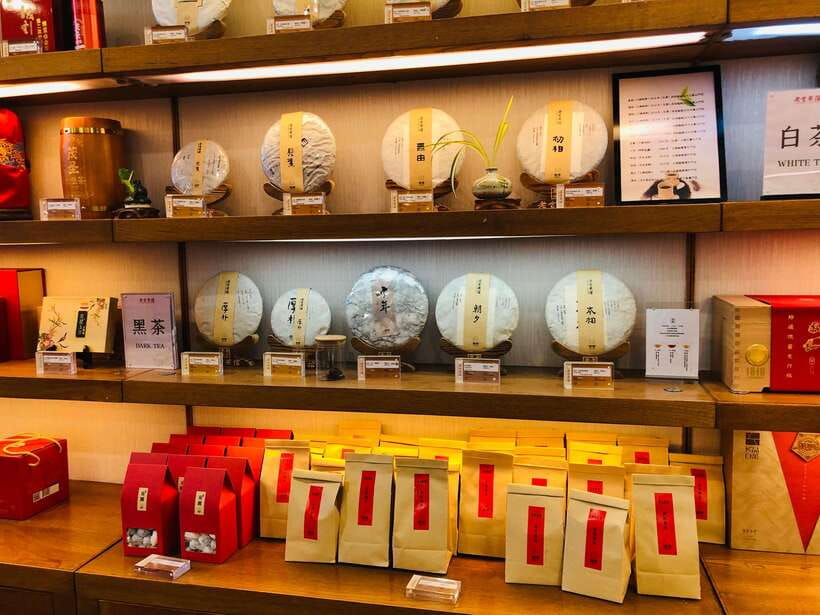
This is about fitting something meaningful into your schedule. At roughly 30 minutes, you can slot it between other sightseeing plans. It also has a practical maximum group size of 15 travelers, which helps keep the experience personal enough to feel like a real ritual.
The booking pattern is also a clue about demand. It is typically booked around 33 days in advance on average. If you are traveling during peak season or around holidays, you might want to lock in a time window earlier rather than waiting.
Another value point: you get a mobile ticket. That usually means less fuss with printed documents. You also receive confirmation at booking, which reduces last-minute uncertainty.
The only planning caveat I would give you is this: because there is no separate tour guide, do not expect someone to manage your whole experience with a scripted explanation. You will have the tea master and staff to guide the ceremony, so be comfortable with a more host-led, less classroom-style experience.





Tea shopping after the ceremony: buy only if it makes sense
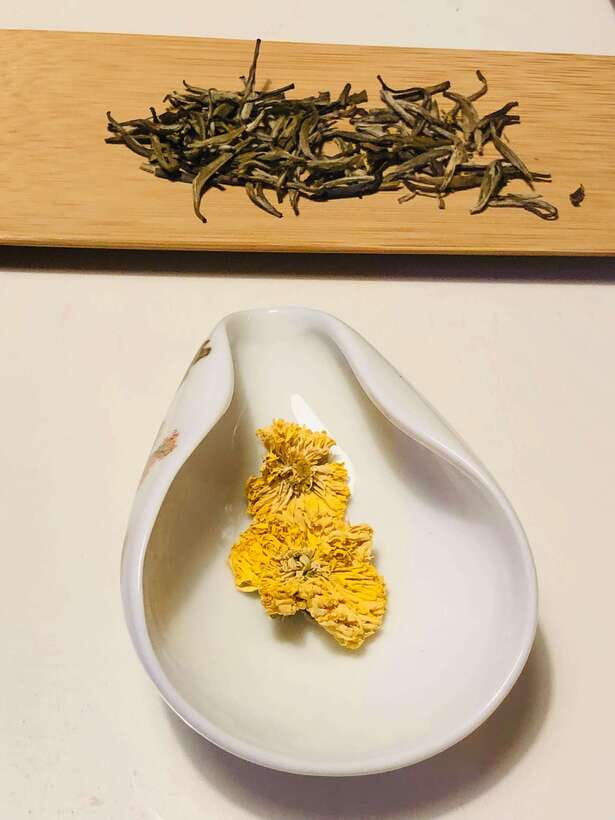
You have the option to purchase tea to take home after the ceremony, but shopping expenses are not included. That matters for your budget. You are not required to buy anything, and the tour is designed around the tasting and learning first.
If you want to take tea home, use the mini cups as your filter. After you taste the different categories, you can decide what you actually want to live with later. If you do not find a category that clicks for you, skip the purchase. The experience is still complete without souvenirs.
One smart approach: if you do buy tea, ask the tea master what the tea is like in simple terms, and ask for the practical way to enjoy it. Since the ceremony is about proper enjoyment, the person who teaches you the ritual is often the best person to advise on how to use it afterward.
Who this fits best, and the tradeoff to know
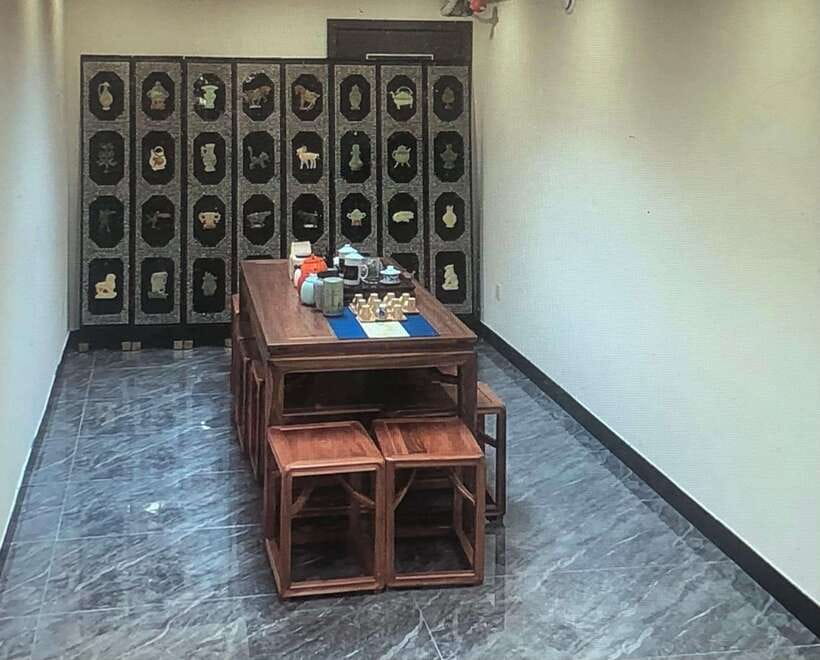
This works especially well if you want something authentic but short. The experience is described as fun and interesting for both adults and kids, which is a strong sign that it is not overly formal. If you are traveling with family, a 30-minute activity can be a lifesaver.
It also fits if you like hands-on cultural activities. You are watching steps, smelling tea, and tasting small portions. That is more engaging than passively reading about tea.
The tradeoff is mainly the one you should plan around: there is no tour guide, so there is less structure beyond the tea ceremony itself. If you expect a full, multi-topic explanation of tea history plus a guide translating everything, you might find yourself wanting more. But if your goal is to experience the ritual first, you will likely appreciate the focus.
FAQ
How long is the tea ceremony in Beijing?
The ceremony lasts about 30 minutes.
What’s included in the price?
The included items are the tea ceremony itself and 5 mini cups of tea.
Do I get to try different types of tea?
Yes. You will taste multiple tea types, including Oolong, Pu-erh, green tea, jasmine tea, and flower tea.
Is a tour guide included?
No. The experience notes that there is no tour guide.
Is tea shopping included in the tour price?
No. Any shopping expenses are not included. You can purchase tea afterward at your own expense if you want.
Where do I meet for the activity?
The meeting point is Jian Nei Da Jie, Dong Cheng Qu, Beijing, China.
Where does the activity end?
It ends back at the meeting point. You may also be walked back to the meeting point or toward Jianguomen Subway station.
Is this activity small group size?
Yes. It has a maximum of 15 travelers.
Will I receive a mobile ticket?
Yes. The activity includes a mobile ticket.
Can I get a full refund if I cancel?
Yes. Free cancellation is available up to 24 hours in advance for a full refund.
Should you book this Beijing tea ceremony?
If you want a short, tradition-centered cultural experience with real tea time, I think this is a strong buy at $9.90. The 30-minute length plus the 5 mini cups makes it easy to try several tea types without getting stuck in a long session.
I would only skip it if you need a full guide-led program beyond the ceremony itself. Since there is no separate tour guide, you should be comfortable letting the tea master lead the experience. If that sounds like your style, book it, show up ready to watch and smell, and treat each tiny cup like a comparison, not a race.
More Tour Reviews in Beijing
Not for you? Here's more nearby things to do in Beijing we have reviewed








Beijing Tea Culture Sessions, compared.
 ★ 4.7Traditional Chinese Tea Ceremony ExperienceFrom $974 reviews
 ★ 5.0Beijing Culture: Tea Ceremony, Heritage Instrument & CalligraphyFrom $7857 reviews
 ★ 4.7Chinese Tea ceremony in Beijing Hutong courtyardFrom $3126 reviews
 ★ 5.0Temple Of Heaven+Tai Chi Class+Tea CeremonyFrom $1298 reviews
 ★ 5.0Beijing Tai Chi and Tea Ceremony ExperienceFrom $954 reviews
Browse the lists this tour appears in