
Reviewed · BEIJING TEA CULTURE SESSIONS
Beijing Tai Chi and Tea Ceremony Experience
Tai Chi plus tea sounds simple, then it gets unexpectedly meaningful. I love how this class frames Tai Chi as more than exercise, tying it to Taoist ideas about balance, calm, and the flow of Qi. I also like the tea ceremony part, where you get hands-on tasting guidance from the tea master and learn how to spot differences across several Chinese teas. One thing to plan for: you’ll want comfortable walking shoes, and food is not included, so eat beforehand if you get hungry easily.
You’ll meet at Jixiaolan Former Residence, then spend about 3 hours in a small, private-style group format, with everything ending back at the same starting point. The Tai Chi instruction is led by an English-speaking master, and the tea portion includes multiple tastings and snacks to help you slow down rather than rush.
Key Highlights You Should Care About
- Taoist framing of Tai Chi: not just moves, but how relaxation connects to health and mindset
- English-led instruction with a real beginner-friendly approach (Eric teaches basics and adjusts to your level)
- 4 to 5 tea tastings plus 3 to 5 snacks, guided so you can actually learn while you sip
- Kungfu tea ceremony focus: you’ll practice the ritual and learn what quality tastes like
- Private group experience: only your group participates, so questions feel easier
- Easy pairing with major sights: it’s a great calm start if Temple of Heaven is on your morning plan
Why This Tai Chi and Tea Combo Works in Beijing
Beijing mornings can be loud and fast. This experience is the opposite. You start with Tai Chi that’s taught as an approach to body awareness and relaxation, with ideas linked to Taoism. The point is not to become a martial-arts hero by lunchtime. It’s to learn a way of moving that helps you feel steadier, with a calmer mind and a more connected body.
Then you shift gears to tea. In Taoist practice, tea is treated as more than caffeine. The philosophy presented here connects tea with cultivating a stable temperament and supporting internal cultivation. Even if you do not buy into the spiritual side, you’ll still benefit from the practical part: the slower pace, the sensory focus, and the chance to learn why different Chinese teas taste so different.
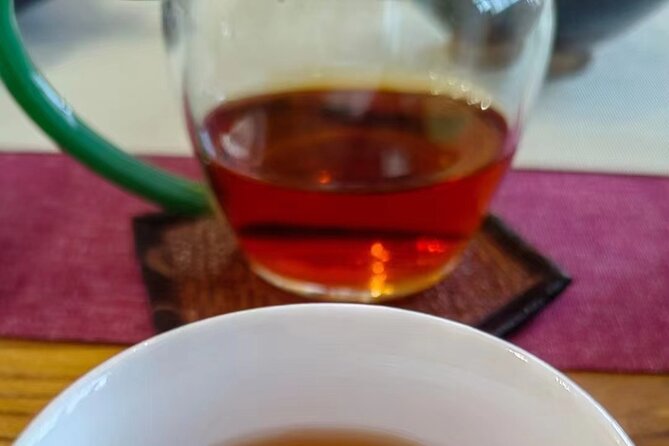
The tea side also does something smart for first-timers. Instead of one generic cup, you taste 4 to 5 types of Chinese tea. That gives your brain something concrete to compare, which is how learning actually sticks.
You can also read our reviews of more tours and experiences in Beijing.



Meeting at Jixiaolan Former Residence, and What to Wear
You start at Ji Xiao Lan Gu Ju, 前门 Xi Cheng Qu, Bei Jing Shi, China 100052 (Jixiaolan Former Residence). The start time is 9:00 am, and the activity ends back at the meeting point.
This matters for planning because you can treat it like a real morning block, not an open-ended tour. You also avoid awkward “where do we end up” surprises.
What to wear is simple but important: comfortable walking shoes. Even when an activity is calm, you’ll still be standing, moving through basics, and likely walking a bit between parts of the experience. If you wear stiff shoes or slick soles, your body will tell you.
Also note: private transportation is not included. The good news is it’s described as near public transportation, so you can build this into your sightseeing day without needing a car.
Tai Chi Basics With Eric: Relaxation, Forms, and Self-Massage
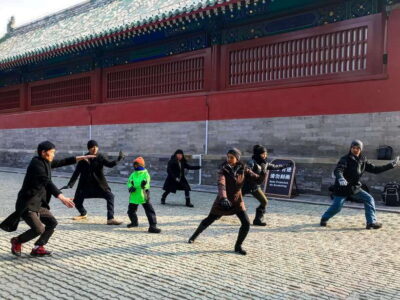
The Tai Chi portion runs about 1 hour, and it’s structured to be approachable. You’ll learn Tai Chi Taoism knowledge, basic relaxation work, typical Tai Chi movements, and self-massage methods.
Here’s what makes that package practical. Many people see Tai Chi as slow waving. But when you learn relaxation first, your body stops fighting the movement. You start to realize the “slow” part is also about control, posture, and where you place your attention. That’s why beginner lessons can feel surprisingly doable.
Eric is the name that shows up repeatedly, and the vibe matters. He’s described as kind and patient, and he checks your experience level so the lesson fits you. If you’re a beginner, that’s huge. It means you are not just following blindly, hoping you do not look confused.
What you’ll actually practice
You’ll work on:
- Basic relaxation forms that help you connect mind and body
- Typical Tai Chi movements taught in a way that makes sense for beginners
- Self-massage methods, which add a tangible “I can do this at home” element
If you’ve never done Tai Chi, start with the goal of feeling calm, not forcing “correct-looking” shapes. You’ll get more out of it that way.
A small consideration
Because the class emphasizes relaxation and control, you might find it less satisfying if you expect a workout that makes you sweat hard. This is about steadiness and presence. Think “soft strength,” not “intensity training.”





Taoist Qi and Shen: The Meaning Behind the Movement
You do not need to know Taoist terms to enjoy this. The experience explains the ideas in plain terms, and it frames Tai Chi as a way to improve your overall health by encouraging Qi to flow freely throughout the body.
A second concept that shows up here is Shen, often linked to mind and spirit. The lesson ties the practice to harmony between man and nature, which might sound big, but you’ll see how it lands in small ways: focus on breath, soften your gaze, and slow down your body’s reactions.
For a lot of travelers, this is the real “value” of the class. Beijing can be mentally exhausting, even when you’re having fun. Learning a few movement cues and attention habits gives you something you can use after the tour, not just a photo.
And yes, you also get talk about how tea connects to that same internal cultivation theme, which sets up the next part neatly.
Kungfu Tea House Time With Alice: Tasting 4 to 5 Teas Like a Pro
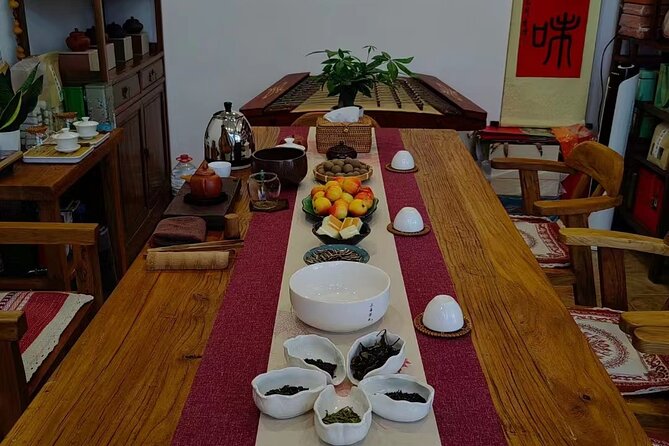
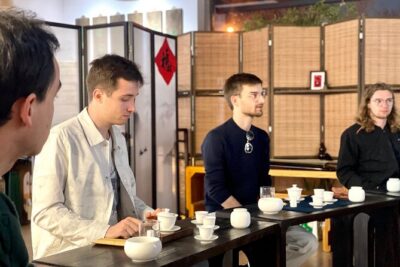
After Tai Chi, you move to the tea house. This portion includes tasting 4 to 5 different Chinese teas and 3 to 5 snacks, assisted by the tea master.
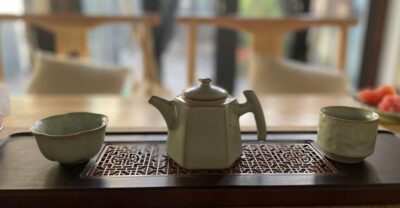
The teaching goal here is not to recite tea history like a textbook. It’s to help you distinguish tea quality by yourself. You’ll learn how to evaluate tea through taste and attention, then enjoy a Kungfu Tea ceremony style experience.
Why tasting multiple teas is so effective
If you’ve ever had tea tasting where you just take a sip and move on, this feels different because you have a range. Tasting several teas in one session gives you contrast. You start noticing:
- how aroma changes from tea to tea
- how taste lingers
- how different teas feel in your body
The snacks help too. They keep the experience comfortable, and they give you a base so the tea tasting stays pleasant rather than overwhelming.
Learning the ceremony without the intimidation
Kungfu Tea culture has a reputation for being formal. Here, the tone is friendly and guided, so you’re not stuck feeling judged for not knowing the rules. Alice is the tea master name mentioned in the experience feedback, and she’s described as sweet and supportive while giving an overview of tea history and culture.
What you should bring mentally
Treat this as meditation with flavor. You’ll get the most out of it if you slow down your reactions. Sip, pause, notice, then compare. Your brain learns faster when you give it time.
Price and Logistics: Is $95 Good Value?
At $95 per person for about 3 hours, you’re paying for two taught experiences in one morning: 1 hour of Tai Chi plus tea tasting and ceremony guidance. It also includes coffee and/or tea, and all fees and taxes.
What is not included matters for your budget:
- food is not included
- private transportation is not included
So the value is strongest if you already planned a snack or breakfast nearby, or if the included snacks during the tea portion fit your needs.
Also, this is booked about 22 days in advance on average. That’s a clue the session style is popular, likely because it blends calm movement with a hands-on tea education. If you’re traveling in busy weeks, don’t wait until the last minute.
Group discounts are listed too, which is a nice bonus if you’re traveling with friends and can share the experience.
Best Morning Strategy: Pair It With Temple of Heaven
One reason this works well for many itineraries is timing. A calm Tai Chi start at 9:00 am, then tea and snacks, sets you up for later sightseeing without feeling rushed.
If you’re planning to visit the Temple of Heaven, this is an especially good pairing. The class gives you a reset before you step into a major park-like sight full of walking and crowds. After learning how to slow your attention, the rest of the morning feels easier to enjoy.
If your morning plans are tight, just make sure your next stop is not too far on foot. The tour is designed to end back at the meeting point, and private transportation is not part of the package.
Who This Experience Suits Best (And Who Might Skip It)
This is a strong fit if you want:
- a beginner-friendly start to Tai Chi that focuses on relaxation, not intimidation
- a calm morning activity that feels culturally grounded
- a hands-on tea tasting where you learn to compare multiple teas, not just drink one
It also suits travelers who like quiet, thoughtful experiences. The Tai Chi part helps you practice presence, and the tea part gives you a paced way to learn culture while resting.
You might consider skipping if:
- you want a high-energy fitness class
- you need the tour to include a full meal
- you dislike being guided through sensory comparisons (tea tasting takes attention, even if it’s relaxing)
What to Expect From Start to Finish
Here’s the flow so you can picture it clearly.
You meet at Jixiaolan Former Residence at 9:00 am. You start with the 1-hour Tai Chi session led by an English-speaking master (Eric). You work on relaxation forms, typical movements, and self-massage methods. The instruction is designed to match your experience level.
Then you transition to the tea house for guided tasting and ceremony. You sample 4 to 5 types of Chinese tea, with help from the tea master (Alice is mentioned in the experience feedback). You also get 3 to 5 snacks and learn tea culture and how to distinguish quality for yourself.
You finish back where you started, so your morning stays tidy.
Quick FAQ
FAQ
How long is the Beijing Tai Chi and Tea Ceremony experience?
It runs for about 3 hours total, with Tai Chi lasting about 1 hour.
What time does it start?
The start time is 9:00 am.
Where does it meet?
It starts at Ji Xiao Lan Gu Ju, 前门 Xi Cheng Qu, Bei Jing Shi, China 100052.
Is food included?
No, food is not included. Tea and/or coffee are included, and the tea portion includes snacks.
What’s included in the Tai Chi part?
You’ll learn Tai Chi Taoism knowledge, basic relaxation forms, typical Tai Chi movements, and self-massage methods, led by an English-speaking master.
How many teas do you taste?
You’ll taste 4 to 5 types of Chinese tea, plus 3 to 5 snacks during the tea house portion.
Is transportation included?
No, private transportation is not included, but the meeting area is near public transportation.
Should You Book This Morning Session?
Yes, if you want a calm, culturally rooted morning that teaches more than just a show. The best reason to book is the pairing: Tai Chi gives you body focus and relaxation, then the tea ceremony trains your senses with real guided comparisons across multiple teas.
Choose it if you’re a beginner who wants clear instruction and patience, or if you simply want something peaceful that still feels educational. Skip it if you’re chasing a sweat-heavy workout or need a full meal included.
If you’re planning a major sightseeing day after, this is one of the better ways to start: steady, present, and well paced from start to finish.
More Tour Reviews in Beijing
Not for you? Here's more nearby things to do in Beijing we have reviewed






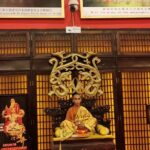


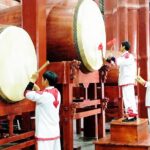
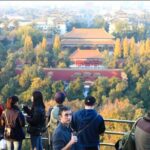
Beijing Tea Culture Sessions, compared.
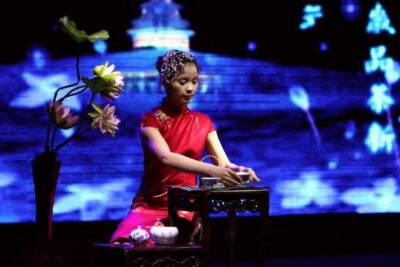 ★ 4.7Traditional Chinese Tea Ceremony ExperienceFrom $974 reviews
 ★ 5.0Beijing Culture: Tea Ceremony, Heritage Instrument & CalligraphyFrom $7857 reviews
 ★ 4.7Chinese Tea ceremony in Beijing Hutong courtyardFrom $3126 reviews
 ★ 5.0Temple Of Heaven+Tai Chi Class+Tea CeremonyFrom $1298 reviews
★ 5.0Traditional Chinese Tea Ceremony ExperienceFrom $97 reviews
★ 5.0Temple Of Heaven+Tai Chi Class+Tea CeremonyFrom $1298 reviews
★ 5.0Traditional Chinese Tea Ceremony ExperienceFrom $97 reviews
Browse the lists this tour appears in