
Reviewed · BEIJING HUTONG & COURTYARD WALKS
Chinese Tea ceremony in Beijing Hutong courtyard
A Hutong courtyard tea hour feels like Beijing 3D. You get a calm Chinese tea culture lesson plus a real small-group chat in the heart of the city, not a rushed show. One thing to consider, the tour lists a $31 price but also notes an extra 100 RMB per person charge, so check the final total before you go.
I especially like that it’s close to major sights, yet the setting stays local: you’re about 150 meters from the Forbidden City’s east gate, but you’re sipping inside a residential courtyard. I also like the structure, one pot of tea you choose from, snacks included, and guidance in English for how to brew and taste properly. If you want a long, wandering cultural tour, this is more focused and short, so you may want to pair it with nearby sights.
Quick hits to know before you book
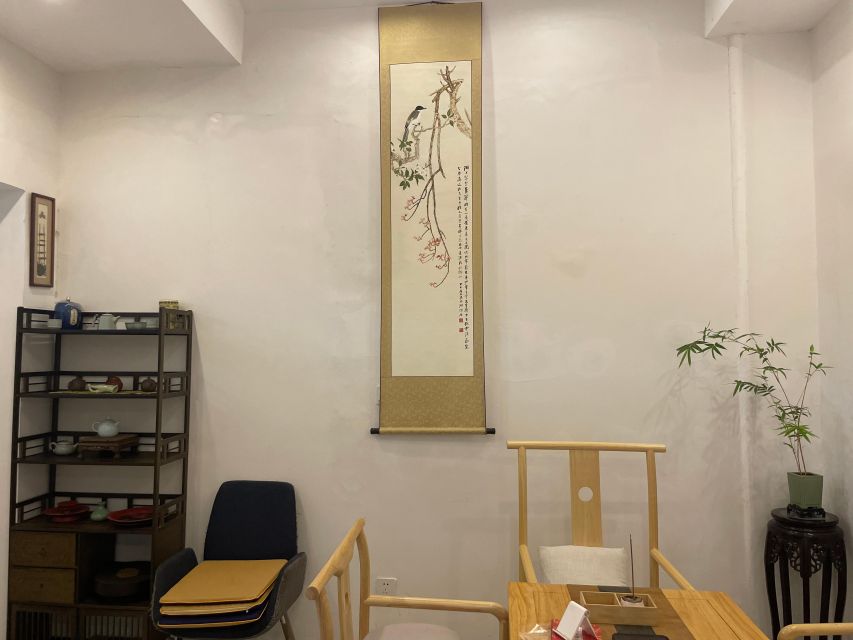
- Hutong courtyard setting in a residential style space, so the vibe stays human and relaxed
- One pot, multiple tea types to choose from: black, green, wulong, and Pu’er
- English instruction with hands-on guidance on brewing and proper tea handling
- Snacks included, so you taste tea with the right small bites
- Tiny group size limited to 4, which makes Q and A actually possible
- Forbidden City proximity (about 150 meters from the east gate), easy to slot into a busy day
Why a tea ceremony here, in a Forbidden City backyard
Beijing has a way of stacking experiences on top of each other. In a short walk you can go from big monuments to a quiet courtyard where tea rules the rhythm.
That’s the appeal of this tea ceremony near the Forbidden City. You get a genuine look at daily-life Beijing through a Hutong-style courtyard setting, not a generic “tea tour bus-stop” experience. And because it’s small, you’re not stuck listening from the back row.
The lesson is practical, too. You don’t just hear facts about tea. You learn how tea is prepared and tasted in a way that makes a difference, like getting the brewing method and serving habits right.
You can also read our reviews of more tours and experiences in Beijing.


Getting to Bayi Teahouse near the east gate: timing that actually works
Location is the unsung feature here. The tea workshop is listed about 150 meters from the east gate of the Forbidden City, and the activity area is also described as about 800 meters west of the exit gate.
Translation for your day: you can do this before or after Forbidden City time without turning your afternoon into a transportation puzzle. And with pickup included, the logistics are simpler if you’re staying in a central hotel.
The ceremony itself is 1 hour. That matters because tea is slow, and this experience keeps it focused. If you plan your day around that single hour, you avoid the common problem of “we got there late and missed the good parts.”
The Hutong courtyard setup: what the experience feels like
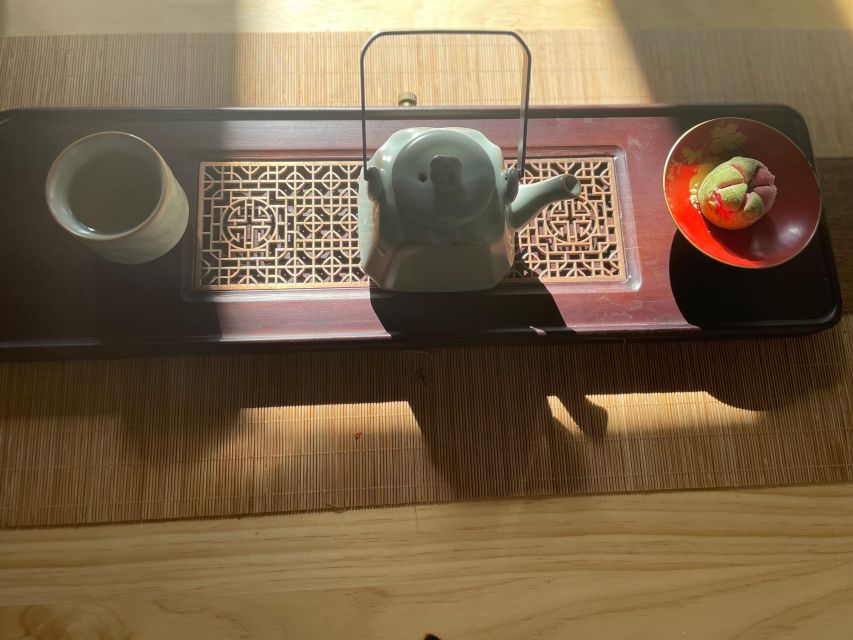
The core experience is a Chinese tea ceremony in a Hutong courtyard. You’re not standing around in a formal hall where everything feels staged. You’re in a courtyard setting that feels closer to where people actually live and host.
You’ll be welcomed and served one pot of your chosen tea. Then you get an explanation of tea culture and knowledge, with time to ask questions and talk with the host.
A big part of the value is the social element. The activity is described as offering deep contact with local Beijing residents living in the courtyard, and the host family has lived there for generations. When that kind of background comes through, the ceremony feels less like a lecture and more like sharing.
Choosing your tea pot: black, green, wulong, and Pu’er
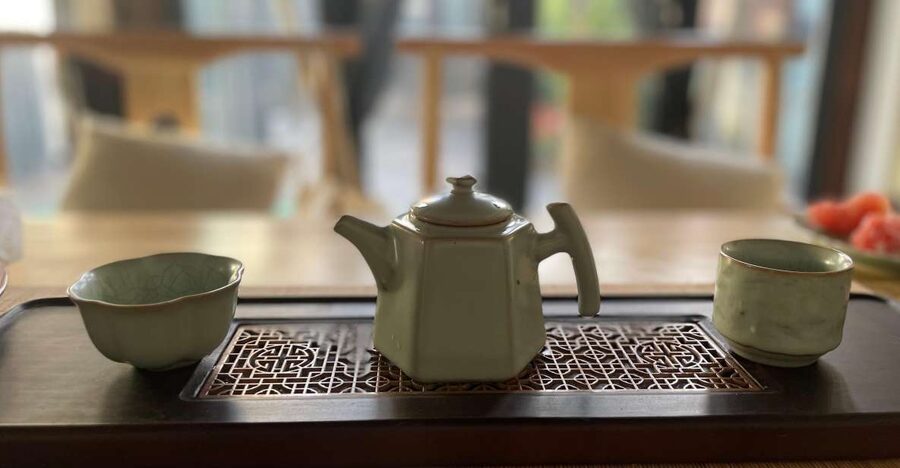
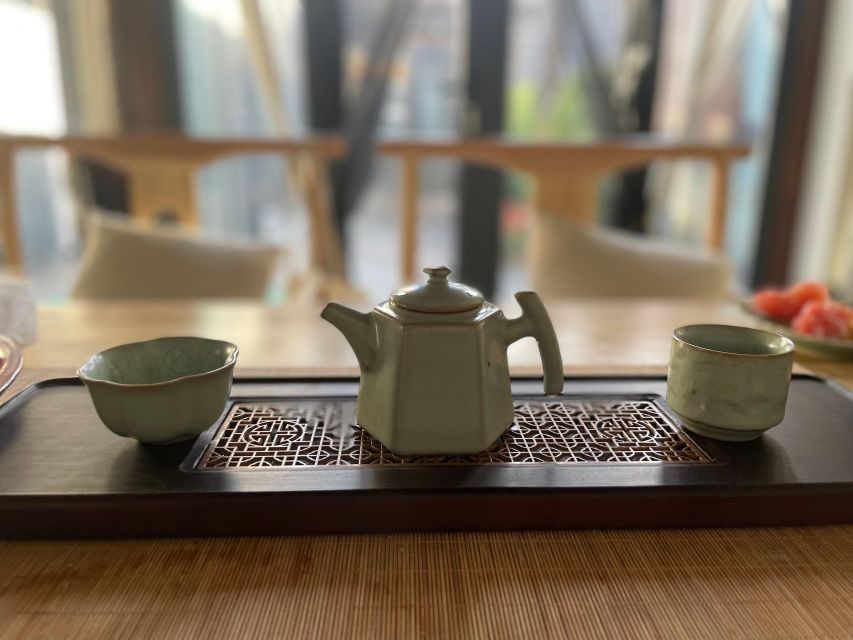
This is not a one-tea-fits-all situation. You get to choose from multiple types of tea, including black tea, green tea, wulong, and Pu’er, and you’ll be served one pot of Chinese tea.
Why that matters: each tea has its own “personality.” Even if you don’t know the technical terms, you can taste differences in aroma and flavor, and you learn how preparation changes the result.
In the most memorable tea moments, hosts explain not just what the tea is, but how people connect tea with the seasons and daily life. Some guests specifically highlight learning which teas to drink in which season, and how tea is described as affecting the body. Even if you take those ideas as cultural teachings rather than medical claims, it gives context to what you’re tasting.
Sniff, sip, adjust: how you learn to taste like you mean it
A lot of tea tastings fail because they stay theoretical. This one is structured to teach you how brewing and serving work in real life.
You’ll get guidance on the ceremony process and proper preparation and drinking habits. That includes practical coaching on things like how to brew so the tea tastes right, and how to handle cups with the right technique.
If you’re the type who always thinks tea is just “boiling water and waiting,” expect a small reality check in a good way. Guests highlight learning that simply timing steeping is not the whole story. Technique and handling change the final cup.
Also, you get complimentary snacks with the tea. That’s not a random add-on. Snacks help you notice flavor shifts and keep the tasting comfortable during the hour.



Tea culture talk that feels useful, not like a textbook
The ceremony includes an explanation of tea culture and knowledge. The best part is when that explanation connects to what you’re doing in the room.
This isn’t just a list of tea types and dynasties. The way it’s described, you’ll also learn the deeper meaning behind the ceremony itself, not only the “how.” Guests have mentioned learning the cultural side, plus guidance that tea can be chosen based on the season and how it’s believed to affect your body.
Take the cultural framing seriously, even if you don’t treat it as science. It’s how tea culture stays alive, because it’s tied to routine and local thinking, not just flavor.
And because the group is so small, you can ask questions in real time. That turns the ceremony from a performance into an actual conversation.
Meeting a host family in a real Hutong setting
What makes this feel authentic is the human layer. The experience is set up for a courtyard exchange with a host whose family has lived there for generations.
That kind of background changes the tone. Instead of a guide reciting scripted lines, you’re talking with someone who understands the neighborhood from personal experience.
One name comes up repeatedly in English-language praise: Limeng. Guests describe Limeng as friendly and warm, with strong English communication and great conversation. If you get paired with her, you may also find the experience expands beyond tea, including tips for what to eat nearby that don’t feel touristic.
Keep your questions open-ended. Ask how tea fits into daily life in the Hutong. Ask what locals notice about different teas. You’ll usually learn more that way than by asking for a “history of tea in one minute.”
Price and logistics: $31, plus the noted 100 RMB charge
Let’s talk money with clear eyes.
The summary lists the price as $31 per person for a 1-hour ceremony. But the details also state there will be a charge of 100 RMB per person. That means your real out-of-pocket total may be more than the headline price.
Is it still good value? Possibly, because you’re getting more than tea bags and a quick sip. You have:
- a courtyard setting in a Hutong area very close to the Forbidden City
- one pot of tea from multiple tea options
- complimentary snacks
- English instruction
- a tiny group limited to 4
Compared with many cultural activities that feel rushed or overcrowded, the small group and hands-on guidance help justify the cost. But if you’re trying to travel on a strict budget, confirm what you’ll pay on the day so you’re not surprised.
My practical tip: when you book, double-check the final payment amount before you commit, especially because of that 100 RMB note.
Who should book this tea ceremony, and who should skip it
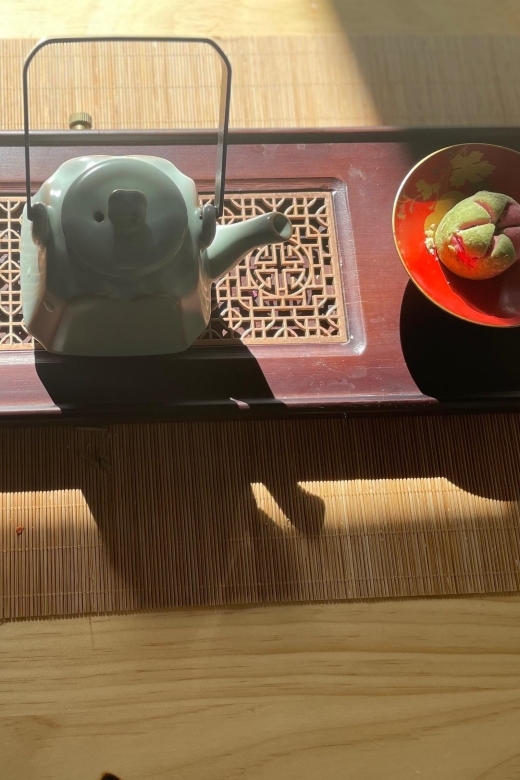
This is a strong fit if you want something calming and local without spending a half-day getting to and from a distant venue. It also suits food-minded travelers who like learning by doing, and culture lovers who prefer small moments over big-ticket checklists.
It’s also a good choice if you appreciate good English communication. The instructor is listed as English, and multiple guests specifically praise clear communication and friendly interaction.
You might skip it if you need a long activity with broad sightseeing coverage. It’s an hour, focused on tea, not a full neighborhood tour. Pair it with nearby landmarks if you’re visiting the Forbidden City area anyway.
A practical way to plan it on your Forbidden City day
If you’re doing the Forbidden City, I’d slot this as either:
- a pre-sight palate reset, so you start with something calm and reflective
- a post-sight decompression, when your brain needs a slower task
Because pickup is included and you should wait 10 minutes before pickup in your hotel lobby, plan your schedule with that buffer. Tea takes time, and you’ll enjoy it more if you’re not rushing right afterward to catch the next reservation.
Also, bring a curious attitude. The ceremony is set up for explanation and conversation. The more questions you ask, the more you get out of the hour.
Should you book this Hutong tea hour near the Forbidden City?
I think you should book if you want an authentic-feeling, small-group tea experience in a Hutong courtyard and you’re near the Forbidden City anyway. The combination of courtyard access, tea choice, snacks, English guidance, and the chance to chat with a host family is a good mix.
I’d pause if the extra 100 RMB charge affects your budget, or if you’re the type who only wants a big sightseeing itinerary. Also, if you hate sitting still for an hour, the pace might feel too calm.
But for most visitors looking for a meaningful cultural pause in central Beijing, this is exactly the kind of activity that makes your day feel more like the city you came for, not just a list of major sights.
FAQ
Where exactly is the tea ceremony located?
The tea workshop is described as about 150 meters from the east gate of the Forbidden City. The included courtyard experience is also described as about 800 meters west of the exit gate.
How long does the Chinese tea ceremony last?
The duration is 1 hour.
What teas are available to choose from?
You can choose from black tea, green tea, wulong tea, and Pu’er tea. You’ll receive one pot of Chinese tea.
Are snacks included?
Yes. You’ll receive complimentary snacks with the tea.
Is the instructor available in English?
Yes. The instructor is listed as English.
How many people are in the group?
It’s a small group limited to 4 participants.
Is hotel pickup included, and when should I be ready?
Pickup is included. You should wait in your hotel lobby 10 minutes before the scheduled pickup time.
Is there an extra charge, and what about cancellation?
There is an additional charge of 100 RMB per person. The activity also notes free cancellation up to 24 hours in advance for a full refund, and a reserve now, pay later option.
More Tour Reviews in Beijing
Not for you? Here's more nearby things to do in Beijing we have reviewed






Beijing Hutong & Courtyard Walks, compared.
 ★ 5.0Beijing Hutong Walking Food and Beer Tour at Hidden RestaurantsFrom $801,132 reviews
 ★ 4.7Temple Heaven, Summer Palace, Lama Temple, Hutong Bus TourFrom $58319 reviews
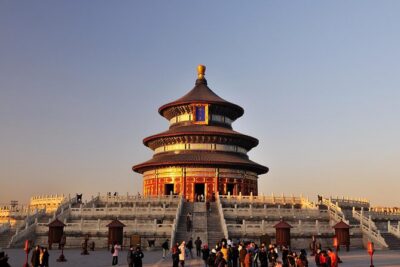 ★ 5.0Temple of Heaven, Summer Palace, Lama Temple, Hutong ToursFrom $99311 reviews
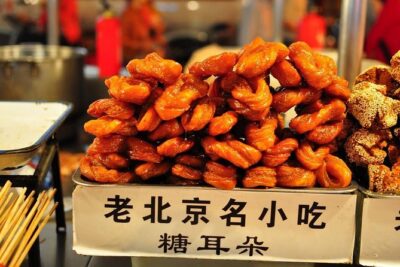 ★ 5.0Beijing Private Hutong Food Walking TourFrom $82299 reviews
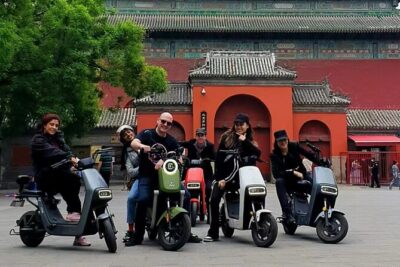 ★ 5.0The Hutong Experience by BikeFrom $150163 reviews
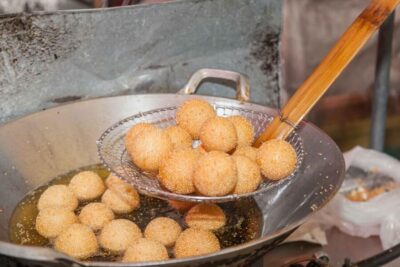 ★ 5.0Hutong Culinary Walking Tour with 15+ TastingsFrom $76162 reviews
 ★ 5.0Beijing Hutong Breakfast Food TourFrom $45155 reviews
 ★ 5.0Beijing City Walk: Explore Hutongs Life and Old BeijingFrom $15146 reviews
Browse the lists this tour appears in