
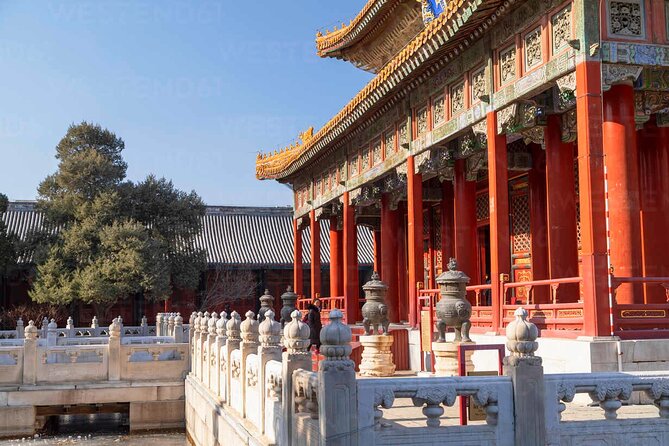
Reviewed · LAMA TEMPLE & GUOZIJIAN WALKS
Confucius Temple and Imperial College Entrance Ticket
A temple and exam hall in one visit. Close to the Lama Temple, this stop pairs quiet courtyards with big ideas about how China trained scholars, and a pre-paid entrance ticket helps you get in with less fuss. I like the way stone steles turn the Imperial Examination into something you can actually read and trace.
What I really like is that you can go at your own pace. The museum has English instructions and exhibits spread through the spaces, so you are not stuck waiting for someone to translate the basics. One thing to consider: if your booking includes multiple QR codes, double-check them at the gate, because there has been at least one reported case where only one code worked.
Key things to know before you go
- Stone steles and scholar names make the Imperial Examination feel concrete, not abstract
- English signage and explanations help you understand even with no guide option
- Two major sites in walking distance in one focused visit: Confucius Temple plus Guozijian
- A calm, scholarly layout that works well for slow reading, not just quick photos
- Private group format means it is only your group, not a big public shuffle
Confucius Temple and Guozijian: a calm stop near Lama Temple
This is the kind of Beijing cultural visit that feels simple on paper and satisfying in real life. You are walking into two connected places tied to Confucian learning and the imperial education system. Because they sit close to each other, you can keep your day tight without bouncing across town.
I also like the timing logic. This isn’t a place where you need to sprint. You can take breaks, follow the flow, and spend time with the details. The pre-paid ticket helps you skip some of the line hassle so you can spend your energy inside the halls instead of waiting outside.
A few more Beijing tours and experiences worth a look



Confucius Temple highlights: statues, carvings, and exam-stone steles
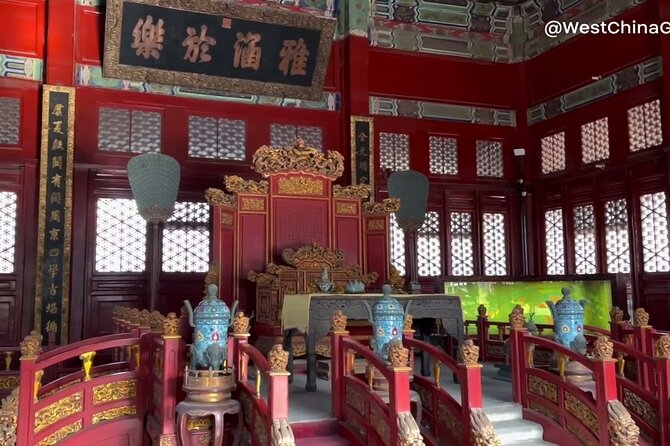
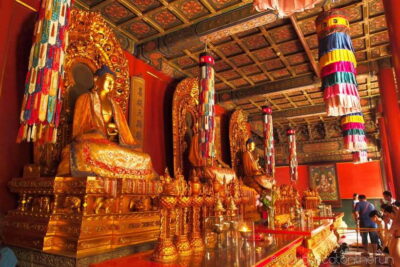
Confucius Temple is the second-largest Confucian temple in China, after the one in Confucius’ hometown of Qufu. It was originally built in 1302 to let officials honor Confucius and offer sacrifices. That origin matters, because it explains why the place feels ceremonial. You are not just looking at art. You are walking through a space designed for respect and ritual.
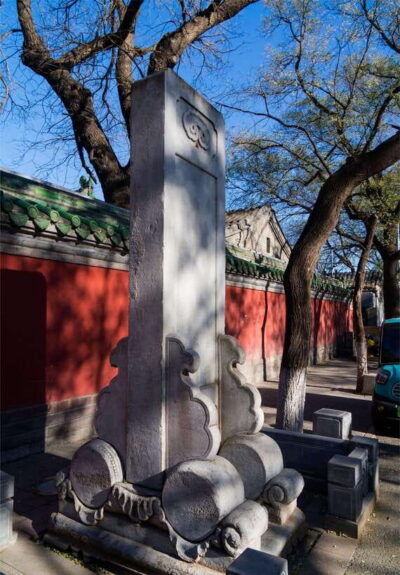
Inside, you will see statues and notable carvings, and then you will run into something that turns the visit from cultural to personal. Hundreds of stone steles record the names of scholars who passed the Imperial Examination. That detail is the payoff: the system comes alive through the people it recognized.
Practical tip: steles take longer than you think. If you try to read them all, you will be there forever. I suggest picking a few and reading them carefully, then using the rest for context.
Guozijian Museum: where imperial education becomes a museum walk
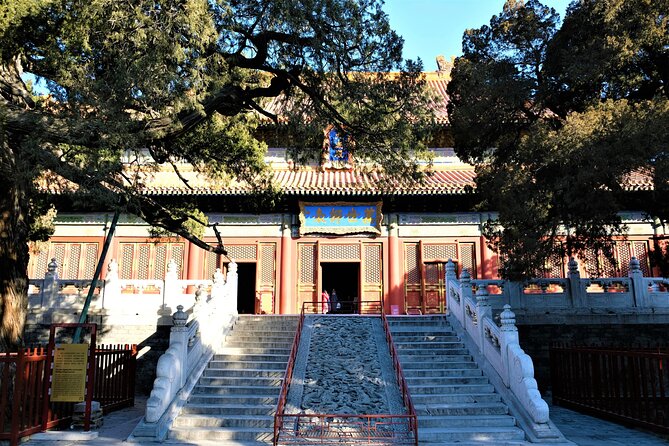
Right beside the Confucius Temple is Guozijian Museum. It was constructed in 1306 and was once the site of the imperial college. Today it is a museum across multiple scholarly halls, with educational exhibits and stone steles that explain how the system worked in imperial China.
What makes Guozijian so useful is that it connects the dots between theory and outcomes. Confucius Temple gives you the values side. Guozijian shows you the schooling machinery: the setting where education, exams, and status intersected.
The museum setup also rewards slow wandering. There are multiple halls, and the stone steles and exhibits are spread out enough that you can choose what to focus on. If you enjoy reading on-site, this is one of those places where you will be happy to spend time.
Based on the best feedback from past visitors, it is realistic to plan on 2 to 3 hours here if you actually stop and read.
Do you need the English-speaking guide, or is self-guided fine?
You can do this with or without the English-speaking guide, depending on what option you select.
If you skip the guide, you still have a strong self-guided chance. One of the most praised points from the experience is that English instructions and exhibits show up throughout the site. That means you can get the core meaning without relying on someone else to interpret every label.
If you choose the guide upgrade, the value is less about translating words and more about connecting stories. The guided option is designed to share histories and stories tied to what you are seeing. That is especially helpful if you want a smoother narrative, or if you prefer having context while you walk rather than piecing it together from text.
My practical advice: if you like museum labels and can handle reading, self-guided works well. If you want the why behind the rituals and exams, pay for the guide.
How much time you need, and what to pair it with in Beijing
This experience runs about 1 day (approx.), and in practice that usually means a focused block of time on foot around this cluster of sites. Because it sits near public transportation and is close to the Lama Temple, it is easy to combine it with other nearby sights without losing half your day to transit.
Here is a smart pacing plan:
- Start with Confucius Temple first, so the ceremonial setup sinks in before you move into the education system
- Then spend extra time at Guozijian, because the reading and steles take longer
If you are short on time, you can still do it in less than the full 2 to 3 hours, but you will have to treat it like highlights only. If you have time, lean into reading. This is the kind of place where small details add up.

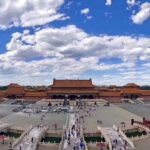

Ticket value and what you actually get for $8
At $8.00 per person, this ticket is a straightforward value play in Beijing. You get the entrance fee included, so you are not paying extra on-site to access the core areas.
The best “value” angle is not just the cost. It is the match between price and what you do there. Confucius Temple and Guozijian together give you:
- The Confucius honoring tradition and its physical symbols
- The Imperial Examination memory captured in hundreds of stone steles
- The imperial college setting, now turned into a museum across multiple halls
Add in that it can work with or without a guide, and you can choose where you want to spend your money: either on self-paced reading or on an English-speaking explanation while you walk.
Also, the group format is private, meaning your group participates together. That tends to reduce the chaotic feeling you can get with large shared tours.
Small risks to watch at the entrance
Most visits go smoothly. But one reported issue is worth mentioning because it is fixable if you notice it early: there was a case where two QR codes were provided for two people, but only one QR code worked at the entrance. The situation was resolved by staff help at the gate.
So here is your quick safety move:
- When you arrive, be ready to show the QR codes immediately
- If something fails, stay calm and ask for assistance right away
Also remember this timing detail: tickets are sent 5 days before your travel date. If you book close to your trip, factor that into your planning.
Who should book this private ticket
This is a strong pick if you want a cultural visit with structure, not random wandering. It is also a good option if you like reading at museums, because the site is built around inscriptions and exhibits.
It fits especially well for:
- Anyone who is curious about the Imperial Examination and how schooling shaped careers
- People who want an English-friendly experience without relying entirely on a guide
- Small groups who prefer a private format while still keeping the visit simple
If you are expecting a high-energy show, this is not that. This is a thoughtful, text-forward kind of place.
Should you book this tour?
If you like learning at your own pace, you should strongly consider booking. The combination of a low price, English instructions, and the chance to spend time with stone steles makes this a solid value for Beijing.
I would book it if:
- You want a guided narrative option but like having the self-guided choice too
- You plan to spend enough time to read, not just snap photos
- You are visiting near Lama Temple and want a nearby, meaningful add-on
I might skip the guided upgrade if:
- You are comfortable reading museum context yourself
- You want to keep the visit strictly on your timetable
FAQ
How much does the Confucius Temple and Guozijian Museum ticket cost?
The price is $8.00 per person.
How long does the experience take?
It is listed as about 1 day (approx.).
Is an entrance fee included?
Yes, the entrance fee is included.
Do I need a guide to understand the site?
No. If you select the option, you can have an English-speaking tour guide, and the experience also provides English instructions and exhibits.
When will I receive the tickets?
Tickets are sent 5 days before the travel date.
Is this a private tour?
Yes. Only your group will participate.
Is it suitable for most visitors?
Yes, most travelers can participate, and it is near public transportation.
Can I cancel for a refund?
You can cancel up to 24 hours in advance for a full refund.
More Tickets in Beijing


More Tour Reviews in Beijing


Not for you? Here's more nearby things to do in Beijing we have reviewed






Lama Temple & Guozijian Walks, compared.
 ★ 5.0Temple Heaven, Lama Temple, Summer Palace & Peking Duck Bus TourFrom $56377 reviews
 ★ 4.7Temple Heaven, Summer Palace, Lama Temple, Hutong Bus TourFrom $58319 reviews
 ★ 5.0Temple of Heaven, Summer Palace, Lama Temple, Hutong ToursFrom $99311 reviews
 ★ 4.8Lama Temple (Yonghe Temple) Admission TicketFrom $10297 reviews
 ★ 4.0Beijing Historical Tour II including Summer Palace, Lama Temple & Panda GardenFrom $93187 reviews
 ★ 4.5Yonghe Lama Temple Entry TicketFrom $9147 reviews
 ★ 3.7Beijing Lama temple ticket; #1 efficacious; limited DiscountFrom $10116 reviews
 ★ 4.4Confucius Temple and the Impercial College E-ticketFrom $792 reviews
Browse the lists this tour appears in