
Reviewed · LAMA TEMPLE & GUOZIJIAN WALKS
Beijing: Lama Temple, Confucius Temple and Guozijian Museum
Three temples, one quietly memorable Beijing loop.
This half-day route is a smart way to see Lama Temple’s sandalwood Maitreya and also understand why Confucian learning shaped imperial China through Confucius Temple and Guozijian (Imperial College). I especially like that you do not just admire statues behind ropes, you also get to watch the locals worship and hear what those rituals mean in everyday terms.
The one possible drawback: you only have four hours, so the pacing is fairly brisk, and on crowded days you will spend some of that time in transit and inside busy halls.
Key highlights I’d plan around
- A huge sandalwood Buddha at Lama Temple: see the Maitreya carved from one white sandalwood log from Nepal.
- Local worship, not just sightseeing: you get a front-row feel for how people practice in the temple.
- Confucius Temple meets Imperial College at Guozijian: learn the stories behind the site and its role as a top academy.
- Guozijian dates to the Yuan era: the Imperial College was built in 1306 by the grandson of Kublai Khan.
- A Hutong alley walk after the temples: slow the pace slightly with a stroll to understand daily life in the older lanes.
- A finish with options: your guide helps you keep going, including time around Wudaoying Hutong and an optional dim sum add-on.
First Stop: Lama Temple and the one-log Buddha you will actually remember
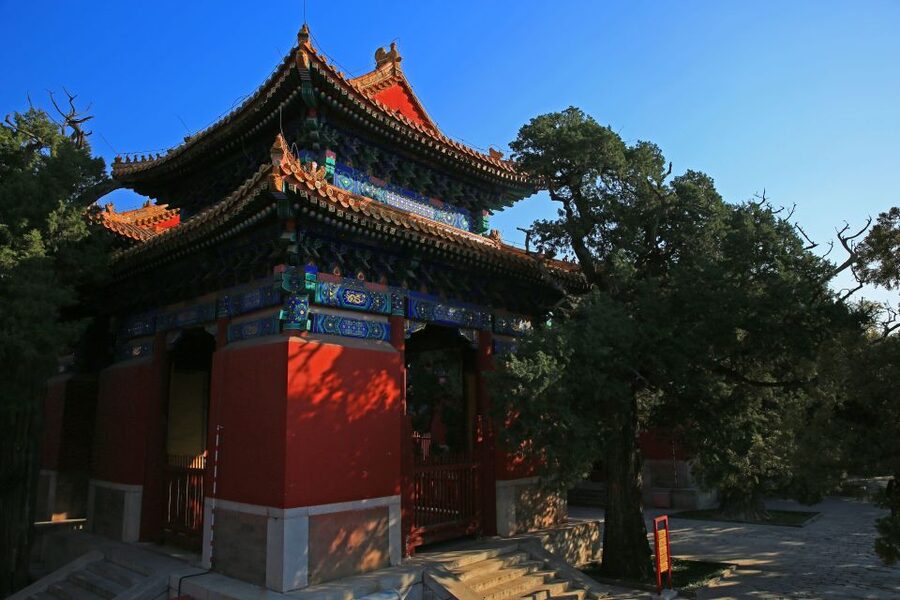
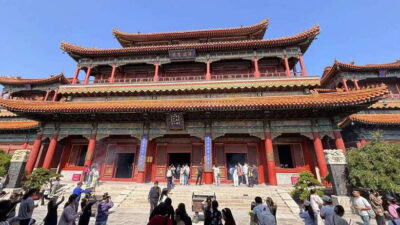
Lama Temple is the kind of place that feels like it has its own atmosphere, even before you start reading signs. You will head there directly after meeting your guide, using taxi or subway, with a private car option if you want things simpler.
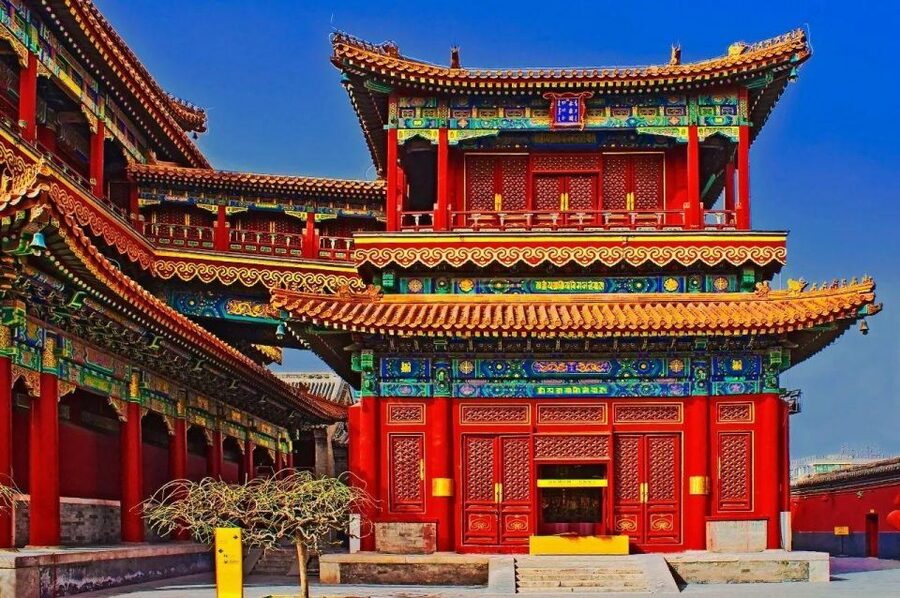
Once you arrive, you follow your guide through different courtyards and halls. This matters, because Lama Temple is not one big room. It is a sequence of spaces, each one adding a different angle to the art, the religious feel, and the human activity.
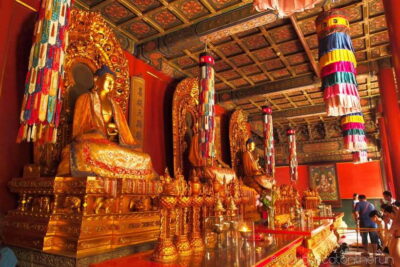
The centerpiece is the giant Maitreya Buddha, described here as carved from one precious white sandalwood log from Nepal. It is also highlighted as the biggest wooden Buddha in the world, and that claim makes sense once you are standing there looking at the scale. Even if you are not a big temple person, the craftsmanship and size create an instant hook, and it is exactly the kind of stop where a good explanation keeps you from feeling like you are just looking at another landmark.
You can also read our reviews of more museum experiences in Beijing
How watching people worship changes the whole experience
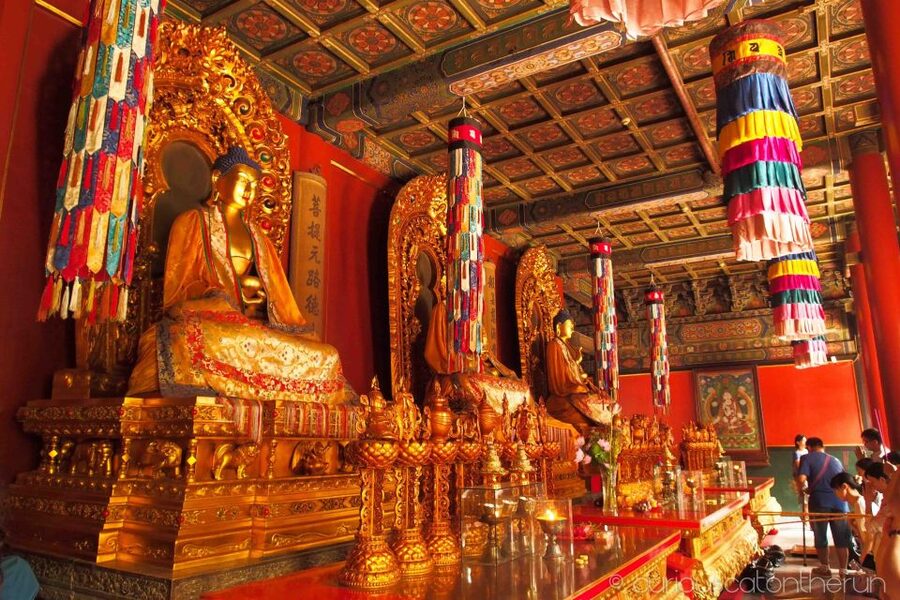
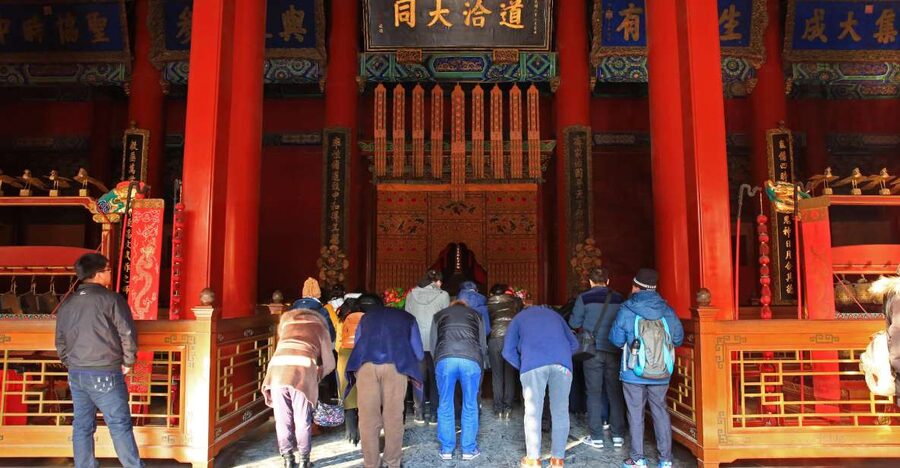
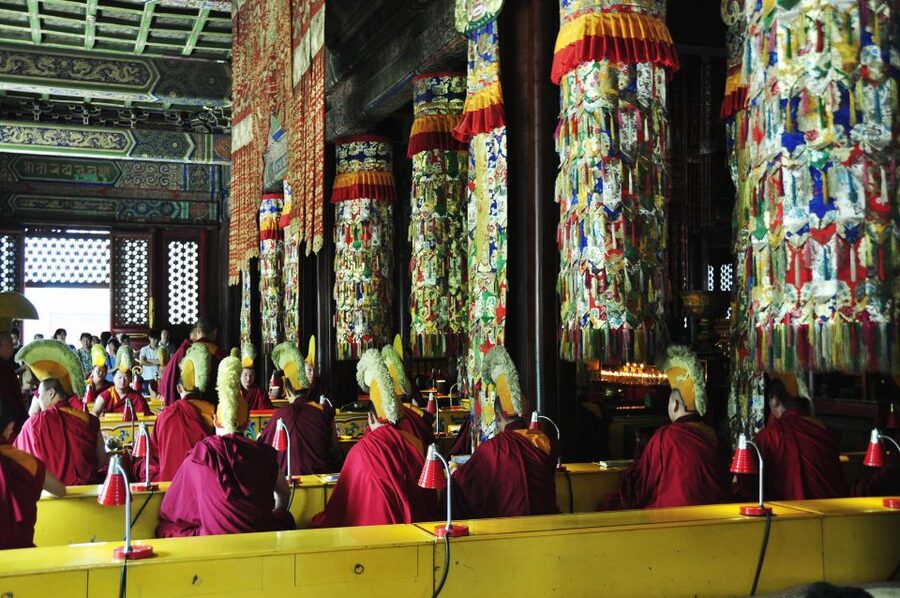
A big part of what makes this tour work is that it includes time to watch how locals worship. That is not the same as watching tourists take photos. You start to notice patterns: how people move through the space, what they pause for, and how the halls feel alive rather than staged.
Your guide connects these moments to religious context, so you can understand what you are seeing instead of guessing. You will hear stories behind Buddhist statues and what they represent, which turns the temple visit into something closer to a cultural conversation than a checklist.
And yes, it is still sightseeing. You will admire Buddhist statues throughout the courtyards and halls, but the pacing is designed so you can absorb meaning, not just details. If you like experiences where the guide is active and narrative-driven, this is one of the best places to feel it.
Temple of Confucius and Guozijian: from ceremonies to exam culture
After Lama Temple, the tour shifts tone. You move from the world of Buddhist worship into the world of Confucian ideas and state education. That change is one of the smarter parts of the day, because it shows you two different ways China has organized meaning, values, and learning.
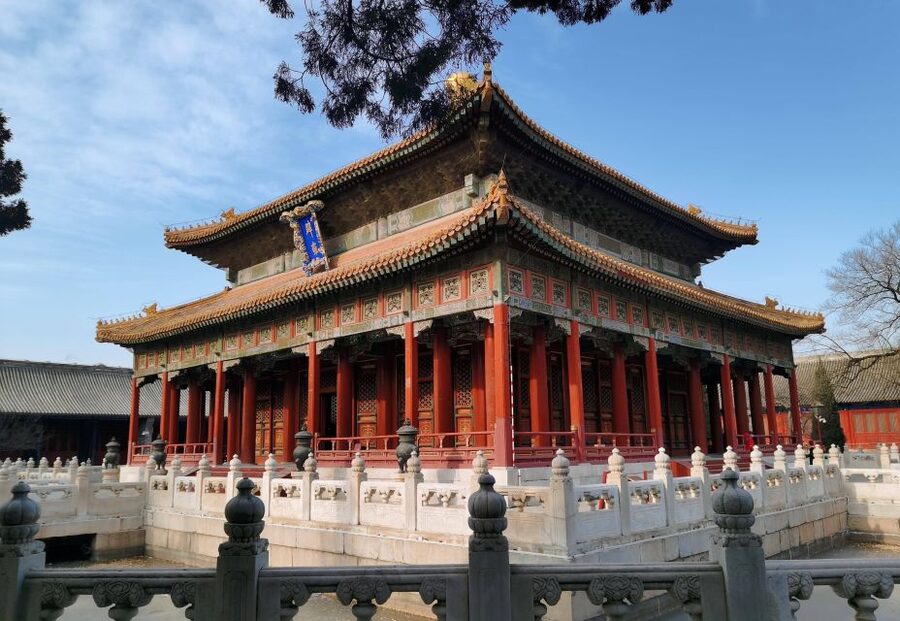
You head through a quiet Hutong alley area to the Temple of Confucius and then to Guozijian Museum, also known as Imperial College. This former college is presented as the supreme academy during the Yuan, Ming, and Qing dynasties, so your guide frames it as a major institution, not a small historic building.
The Guozijian backstory given here is specific and helpful: it was built in 1306 by the grandson of Kublai Khan. That date matters because it places the site in the Yuan era and gives you something to hold onto while you look around. Instead of bouncing between plaques, you understand what kind of empire built this learning center and why it mattered.
What to look for at Guozijian without getting lost in information
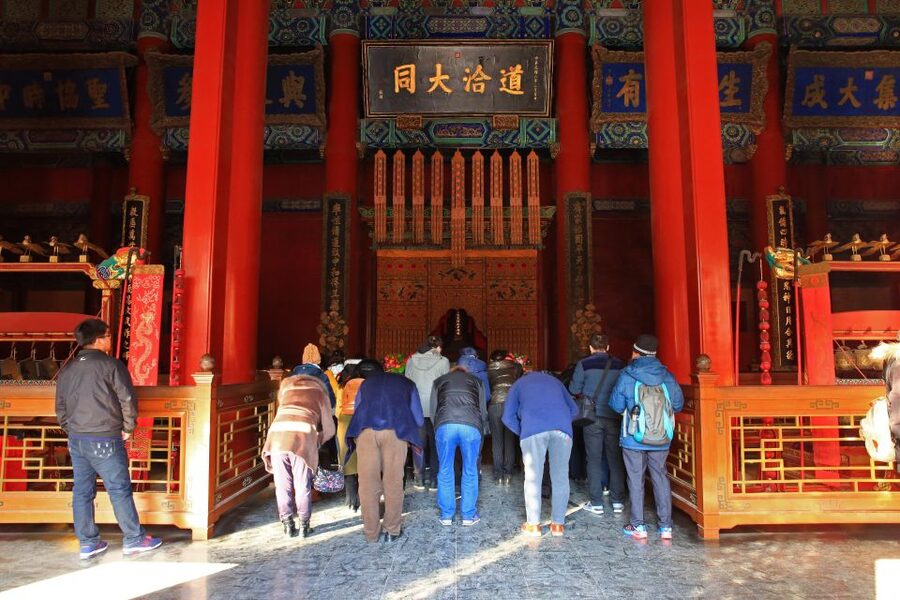
Even with a guide, these places can become a blur if you do not know what to focus on. For Guozijian and the Confucius connection, I would keep your attention on two themes your guide emphasizes: education and social order.
Confucianism here is not treated like an abstract philosophy. It is explained through the physical setting of the Imperial College. You are essentially walking into a system that helped shape who studied, who taught, and how learning connected to power.
The Temple of Confucius adds the human side. While Guozijian helps explain the institution, the temple portion gives you a sense of reverence and the cultural respect around the teachings. Together, they make a more complete story than either site alone.
If you are the type who enjoys understanding where ideas show up in real architecture, you will likely appreciate this pairing.
Hutong alleys afterward: slow your feet and notice daily life
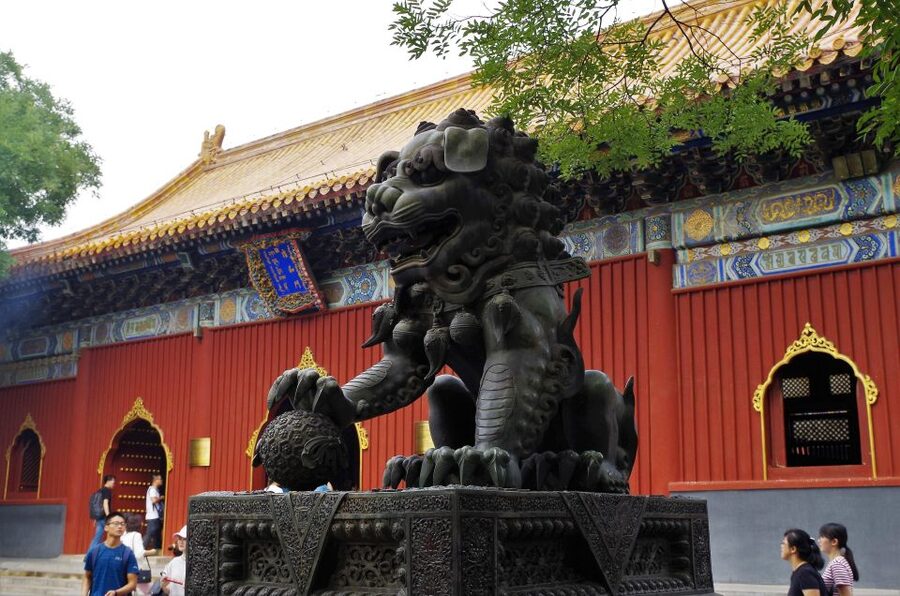
After two heavy cultural anchors, the tour moves into Hutong lanes. This is where the half-day format becomes more than a museum day. The plan is to stroll around the Hutong alleys in the area and learn about the history of Beijing Hutong streets and life in Hutong.
What I like about adding this section is that it gives your brain a break. Temples are busy in their own way, but Hutongs are about rhythm. You start paying attention to how people live in older neighborhoods: the scale of the lanes, the feel of the street, and the way daily life fits beside long-standing architecture.
The tour specifically ends with options to spend more time exploring Wudaoying Hutong. That is practical, because it lets you choose your pace at the end. If you still have energy, you can extend the Hutong walking. If you want an earlier finish, you have the option to head out after the structured part.

How the 4 hours actually feel on the ground
A four-hour duration sounds tidy, and it can be, but Beijing sites can also be crowded and time is never perfectly predictable. This tour is designed as a compact loop: hotel lobby meeting, direct transfer to Lama Temple, followed by Confucius Temple and Guozijian, then a Hutong walk.
The upside is convenience. Hotel pickup means you do not burn energy figuring out logistics before the day starts. Entrance fees are included, so you can spend less time on paperwork and more time looking at what you came for.
The downside is that it is not a slow wander. You should expect movement and transitions. If you like taking your time in a single hall for a long break, you might feel slightly rushed. That is especially true on crowded days, when the time you gain with a guided route can get balanced out by the number of people already inside.
For transport, the tour offers flexibility. You can go by taxi or subway, or pick a private car option if you prefer the least-hassle approach.
Value check: does $80 make sense for this mix of sites?
Price is always personal, but here is how I judge value for a tour like this.
At $80 per person for about four hours, you are paying for three big components:
- An English-speaking guide who provides context, stories, and explanations.
- Hotel pickup and entrance fees.
- A structured route that ties together Lama Temple, Confucius Temple, Guozijian Museum, and Hutong lanes.
The guide part is the real value lever. Temples and historic colleges can turn into silent look-and-guess visits if you do not understand what you are seeing. Here, the emphasis on stories behind statues, religious meaning, and the institution of Imperial College is exactly what makes the tour feel worth more than the entry ticket alone.
Also, skip the ticket line is included, which matters when crowds slow things down. You do not always notice it in the moment, but it can be the difference between enjoying a site and feeling stuck waiting at the entrance.
If you choose the option without a private car, note what is not included: transfer and hotel drop off. That means you need to be comfortable with the remaining transit plan. If you want everything handled end-to-end, the private transfer option is likely the better match for your time and energy.
Guides matter, and this one clearly gets praised
One of the strongest signals from the guide experience described here is consistency in English ability and in how smoothly the visit runs, even when places are busy. Names mentioned include Ranee, Mike, Cassie, Aurora, and Anne, and they are repeatedly linked with clear explanations and good pacing.
For you, this matters because this itinerary is not just three sets of buildings. It is a story arc. Lama Temple gives you religious imagery and local practice. Confucius Temple and Guozijian give you education and imperial philosophy. Hutong lanes give you the street-level backdrop of how people lived.
A guide who can connect those dots in a way you can follow is what turns a half-day into a day that actually sticks with you.
If you care about that kind of narrative, you are in the right place.
Best fit: who will enjoy this tour the most?
I think this tour suits a few types of travelers best.
You will enjoy it if:
- You want a compact Beijing day that covers both religion and ideas of learning.
- You like structured walking with real explanations rather than self-guided wandering.
- You want temple time plus a Hutong lane stroll, so the day has variety.
- You prefer a private group experience where the guide can adapt and move at a pace that works for you.
You might reconsider if:
- You only want one site per half-day and hate feeling rushed.
- You do not want any crowd navigation, since major halls can get busy.
Should you book this Lama Temple, Confucius, Guozijian, and Hutong tour?
If you want an efficient, culturally guided route, I would book it. The standout reason is the mix: Lama Temple’s standout sandalwood Maitreya plus Confucius Temple and Guozijian’s Imperial College story, then a Hutong walk that connects the big ideas to everyday Beijing.
Choose the private car option if you value comfort and want to reduce time spent managing transfers. Choose the simpler transport option if you are already comfortable with Beijing transit and just want the guide and entrance fees handled.
If your goal is to leave with a clearer sense of how Chinese religious practice and Confucian learning shaped public life, this itinerary gives you that connection in just four hours.
FAQ
FAQ
How long is the tour?
It runs for about 4 hours.
What is the price per person?
The price is listed as $80 per person.
Does the tour include hotel pickup?
Yes, pickup is included, and the guide meets you in your hotel lobby holding a sign with your name.
Are entrance fees included?
Yes, entrance fees are included.
Is there an English-speaking guide?
Yes, the guide speaks English.
Does the tour skip the ticket line?
Yes, ticket lines are skipped.
Do I need to pay for private transfer separately?
Private transfer is included only if you choose the related option. If you choose the option without private car, transfer and hotel drop off are not included.
Can I add dim sum?
Yes, there is an option to combine the tour with a delicious dim sum meal.
More Museum Experiences in Beijing
More Tour Reviews in Beijing
Not for you? Here's more nearby things to do in Beijing we have reviewed


Lama Temple & Guozijian Walks, compared.
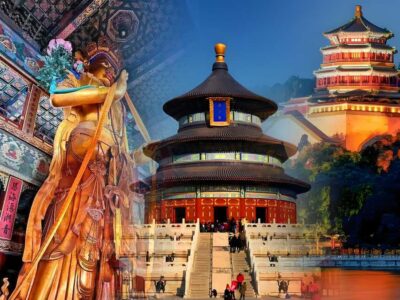
 ★ 5.0Temple Heaven, Lama Temple, Summer Palace & Peking Duck Bus TourFrom $56377 reviews
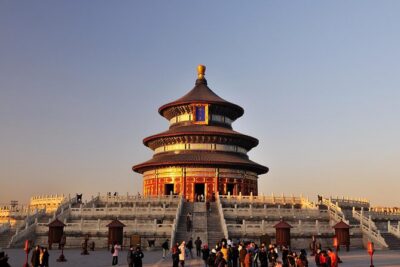
 ★ 4.7Temple Heaven, Summer Palace, Lama Temple, Hutong Bus TourFrom $58319 reviews
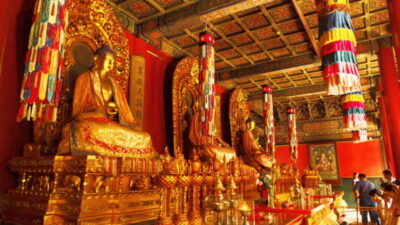
 ★ 5.0Temple of Heaven, Summer Palace, Lama Temple, Hutong ToursFrom $99311 reviews
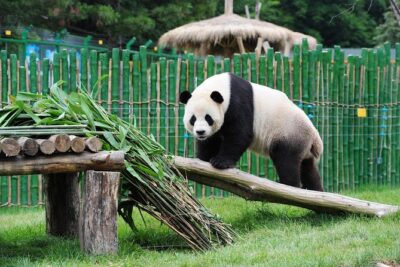
 ★ 4.8Lama Temple (Yonghe Temple) Admission TicketFrom $10297 reviews
 ★ 4.0Beijing Historical Tour II including Summer Palace, Lama Temple & Panda GardenFrom $93187 reviews
 ★ 4.5Yonghe Lama Temple Entry TicketFrom $9147 reviews
 ★ 3.7Beijing Lama temple ticket; #1 efficacious; limited DiscountFrom $10116 reviews
 ★ 4.4Confucius Temple and the Impercial College E-ticketFrom $792 reviews
Browse the lists this tour appears in