
Reviewed · WORKSHOPS
Beijing Private Tai Chi Class
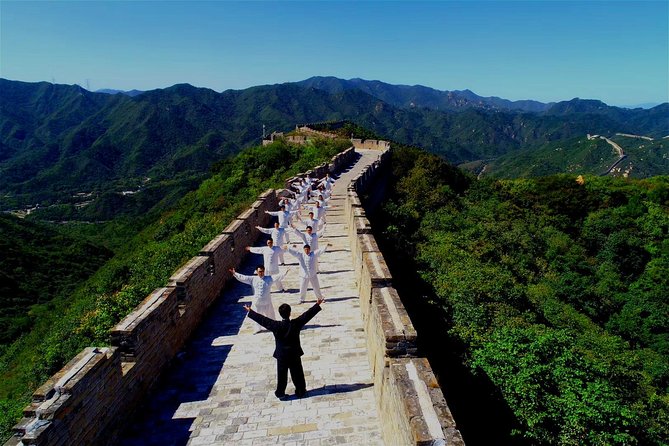
Slow movements can change your day in Beijing. This private Tai Chi class stays personal with English-speaking masters, and it goes beyond the usual form practice by adding meditation and self-massage. One trade-off to plan for, there is no hotel pickup, so you’ll meet at the listed Tian Tan Dong Lu address.
I like that you can choose a morning or afternoon slot, and the session runs about 1 hour 30 minutes. You practice in the calm Temple of Heaven area vibe, and you leave with a basic grasp of how tai chi breathing and focus connect to Qi. The lesson also includes an entrance ticket, so you are not juggling extra small fees.
Because it is private, you get full attention of your instructor and step-by-step guidance. Reviews mention instructors like Eric Liu being patient and helpful even for complete beginners, which matters if you feel a little stiff or unsure. Wear comfortable shoes, because you will be standing and moving for the full session.
Key Things You Should Know Before You Go
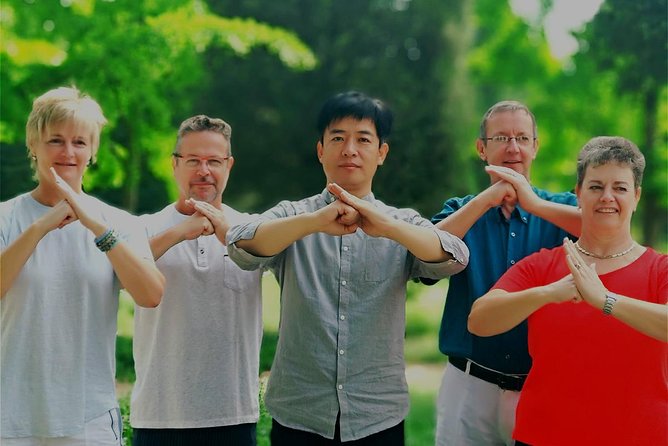
- Private, beginner-focused instruction tailored for learning tai chi forms and basics
- More than moves with meditation and self-massage for stress and daily aches
- English-speaking masters with clear explanations of culture and technique
- Taoism, yin-yang, and Qi ideas tied directly into the movements and breathing
- Standing meditation and a push-hands experience to feel the partner side safely
- Temple of Heaven area meeting point at Tian Tan Dong Lu (no hotel pickup)
Why a Private Tai Chi Class Works So Well for Beginners
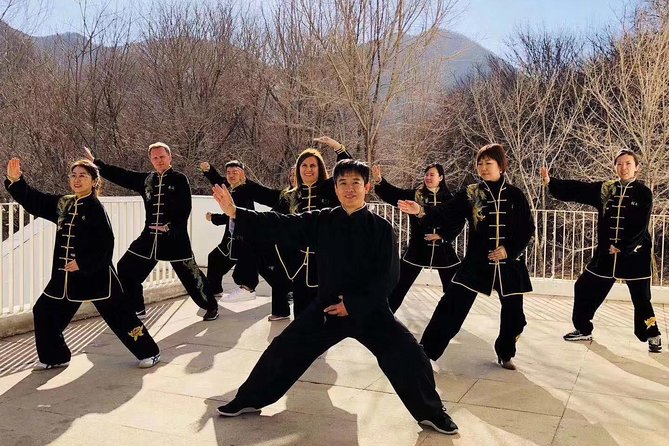
Beijing is full of places where you can watch tai chi flowing through the morning air, often in parks with locals. What is harder, especially when you are new, is learning what to do with your body and your attention. A private lesson solves that. You are not stuck copying a group while the instructor moves on.
In this class, the teaching is built for beginners, with a step-by-step approach to the tai chi form. That matters because tai chi is not about speed or power. It is about timing, posture, and a steady mental rhythm. When someone watches you closely, you can fix small things early, like where your weight sits or how your arms feel as they move.
What I also like is the way the lesson connects physical technique to inner training. You do not just learn a sequence and walk away. You get the philosophy behind it, including Taoist ideas and yin and yang, then apply those concepts through slow, deliberate movement and deep breathing. Even if you do not call it Qi in your own life, you can still feel the payoff in how grounded and calm you become during practice.
The private format also helps if you travel with a cousin, partner, or group. Reviews mention people using the class for special occasions, and in that setting the instructor can adapt the pace and explanations so it still feels fun and personal.
You can also read our reviews of more private tours in Beijing



Meeting Near Tian Tan Dong Lu: Getting There Without a Headache
The class starts at a specific meeting point on Tian Tan Dong Lu in Dongcheng District, Beijing. The activity ends back at the same meeting spot, so you do not have to plan a second location.
Because hotel pickup and drop-off are not included, you should treat this like a local activity with a clear rendezvous point. If you are staying farther from Dongcheng, it can be worth building extra time into your schedule for getting there. You do not want to show up rushed, because tai chi works best when you arrive able to slow down.
The good news is that the location is tightly linked to the Temple of Heaven area. Reviews mention learning near the Temple of Heaven, and the meeting point you are given supports that same general zone. That can make the session feel more authentic, because you are practicing in the part of the city that is already tied to classic Beijing rhythms.
One small practical note, the class recommends comfortable shoes. Plan on standing and moving steadily. If your shoes are fine for walking but not stable enough for balance work, you might feel it once the instructor starts correcting posture.
The Lesson Flow: Culture First, Then Movement
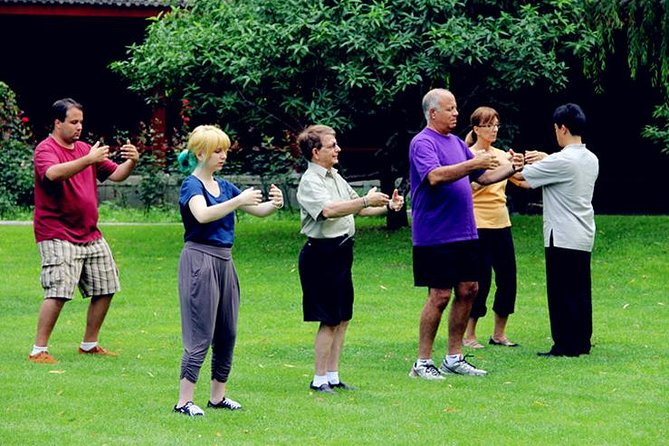
This class is structured to do two things at once. It teaches the physical mechanics of tai chi, and it explains what tai chi is trying to cultivate in you.
Early on, you get a foundation in tai chi and its culture. The instructor talks about Taoism and yin and yang, then you connect those ideas to body awareness. You are not expected to already understand Chinese philosophy. The lesson is designed to make those concepts usable, not just decorative.
You also practice deep breathing and focus. This is where beginners often notice the difference between tai chi and other movement styles. Instead of chasing a burn or a sweat, you learn how the breath supports slower, more controlled motion. The goal is to experience the exercise in a way that helps you obtain Qi, as the class describes it. Even if you interpret that more spiritually than scientifically, the breathing and attention practices are still tangible.
If you like lessons that explain the why, this is a strong fit. One review highlights that the instructor explained the philosophy and how it relates to the practice, not just the steps.
Learning the 9-Step Tai Chi Form Without Getting Lost
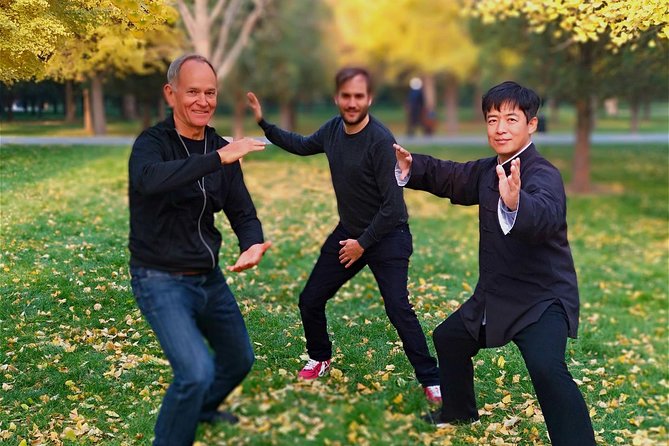
A big part of the lesson is studying the tai chi form. In this class, you work through 9 steps as the core form study for beginners.
If you have ever watched tai chi and thought, I can never remember that, you will like having a beginner method and guidance in real time. The instructor can break down the sequence into manageable chunks and correct your body position while you practice.
Here is what makes the “9 steps” approach valuable for you: shorter sequences let you focus on the basics of each transition. Tai chi is full of small changes, like shifting weight, keeping a relaxed frame in your arms, and maintaining alignment in the spine. When you only have nine steps, you can repeat them enough times to feel what “right” looks like.
You also practice the slow deliberate movement that defines tai chi. That pacing is not random. It gives you time to coordinate breath, posture, and attention. Over the course of the 1 hour 30 minutes, you should feel less like you are “learning choreography” and more like you are building a repeatable physical habit.
Standing Meditation and Push Hands: What You Actually Feel
The class includes standing meditation and a push-hands experience. Those two pieces are where many beginners get pleasantly surprised.
Standing meditation is simple in concept, but it is not always easy at first. It asks you to be steady and calm while your body feels the effort of holding posture. The instructor guides you so it feels like training, not punishment.
Then comes push hands. You might think push hands is about fighting. In a beginner lesson, it is more about learning connection and responsiveness, within safe boundaries. It is meant to give you a first experience of the partner side of tai chi, so you understand how the style connects to real interaction, not just solo form practice.
If you are traveling alone, push hands still works because the instructor can manage the experience based on your level and comfort. Reviews also mention patience and constant guidance, which is exactly what you want if you are new and do not know what to do with your hands or stance.
A few more Beijing tours and experiences worth a look



Self-Massage Techniques for Pain and Stress Relief
One of the more practical parts of this class is self-massage. The session includes methods of self-massage designed to relieve pain and stress in everyday life.
Tai chi is sometimes sold as purely spiritual, but here it is treated as a whole-body practice. The self-massage segment gives you a concrete tool you can do outside the session. You are not just borrowing calm for one afternoon. You get techniques you can repeat when your shoulders feel tight, when you feel tense in the neck, or when your body reminds you you have been sightseeing all day.
Important reality check: self-massage cannot replace medical care. But as a wellness skill, it can help you learn how to release tension you may not notice until it builds.
This “body maintenance” angle is also why the class feels like more than a sightseeing add-on. You leave with a routine mindset: train the breath, move with intention, then use your hands to support your comfort.
Instructor Quality: English Support and Real Patience
A private class only feels good if the instructor can explain clearly and adjust to your body. Here the lesson is led by high qualified English-speaking tai chi masters.
Reviews highlight how instructors like Eric Liu helped beginners feel comfortable quickly. People mention he was friendly, kind, and patient, and that he provided constant guidance while demonstrating and explaining both basic moves and philosophy. That combination is what makes a beginner lesson work: you need someone who can speak your language and also read your posture.
If you are the type of traveler who does not want a vague lecture, this class has that covered. The structure is built around learning, practicing, then refining.
If you already know a bit of tai chi, you might still benefit from the cultural grounding and the attention to form basics. But the class is specifically made for beginners, so advanced testers may find it more instructional than challenging.
Price and Value: Is $58 Worth It for 1.5 Hours?
At $58 per person, this private class is priced to be accessible without pretending it is free. The real value comes from the private attention and the fact that you get multiple components in one session: form study, meditation, push hands, and self-massage.
Think about what you typically pay for a guided cultural experience that includes coaching. Even when group classes are cheaper, they rarely adapt to your personal balance and your pace. Here, the private setup matters, especially when you are learning something technical and physical like tai chi form transitions.
Also, the class includes an entrance ticket. So you are not paying extra for site access on top of the instruction fee. Food and drinks are not included, which is normal for a 1 hour 30 minutes activity, but it does mean you should plan your meal timing around the class start.
One more practical detail, the experience includes group discounts. If you have friends in Beijing who want to try tai chi, doing it as a small group can increase the value while still keeping it private for your group.
And since it is often booked around 17 days in advance on average, reserving early is smart if you want a specific morning or afternoon slot.
Choosing Morning vs Afternoon: When You’ll Feel the Calm
You can choose either a morning or afternoon class. For tai chi, the time of day can shape your mood.
Morning classes can feel like a fresh start, especially if you have been waking up early to tour Beijing. Tai chi practice after a good sleep can help you reset before the day gets loud.
Afternoon classes can be a strong antidote to a day of walking and crowded sites. Tai chi is slow and focused, which makes it a good mid-trip reset. One reason reviews call it peaceful and memorable is that it gives your body a different kind of rhythm than typical sightseeing.
Either way, you should expect the instructor to run the session only under good weather. This activity requires good weather, and if it is canceled due to poor weather, you will be offered a different date or a full refund. Plan like you are choosing an outdoor-friendly activity, even if the lesson content itself is focused and controlled.
Practical Tips So You Get the Most Out of the Session
Keep your expectations realistic. This is a beginner-friendly lesson, so you will not become fluent in tai chi by the end of 1 hour 30 minutes. But you should leave with enough familiarity to practice the basics and understand the core ideas.
To make that happen:
- Arrive early enough to settle, not rush in.
- Wear stable, comfortable shoes for balance.
- Go in with a beginner mindset, even if you are confident in other sports.
- Listen for the “why” behind movements, because the class explicitly covers Taoist concepts, yin and yang, and breathing.
If you are doing this as a special occasion, a private setting can make it surprisingly memorable. Reviews mention classes used for a bachelorette party, and that kind of group energy often turns into laughs early, then serious focus once the instructor starts guiding you.
Should You Book This Private Tai Chi Class?
I think you should book this if you want a genuine tai chi intro with personal coaching. The combination of English-speaking masters, beginner-friendly form study, and the extra pieces like standing meditation, push hands, and self-massage makes it feel more complete than many short classes.
I would skip it only if you want a strictly solo, no-instruction experience, or if you are advanced and looking for intensive, high-level training. Also consider the lack of hotel pickup, if your schedule depends on door-to-door convenience.
If your goal is to slow down in Beijing, learn something you can practice again, and understand the ideas behind the movements, this one is a solid, calm use of time.
More Workshops & Classes in Beijing
More Private Tours in Beijing


More Tour Reviews in Beijing



Not for you? Here's more nearby things to do in Beijing we have reviewed









Workshops, compared.
 ★ 4.9Beijing Calligraphy ClassFrom $20112 reviews
 ★ 5.0Chinese Calligraphy Class for Small GroupFrom $20104 reviews
 ★ 4.7Dumpling Making Workshop with Meal and TeaFrom $3569 reviews
 ★ 5.0Online Cooking Class Beijing Dumplings and Cuisine by Sunflowerli Renowned ChefFrom $2065 reviews
 ★ 5.0Beijing Wangfujing Calligraphy Class by Forbidden CityFrom $2058 reviews
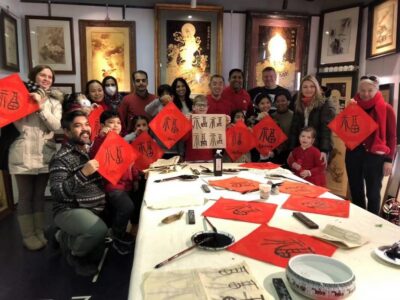 ★ 5.0Beijing Wangfujing Calligraphy Class Nearby Forbidden CityFrom $3556 reviews
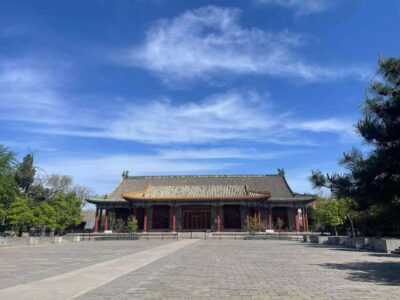 ★ 4.8Chinese Kungfu class in old temple beside Forbidden CiFrom $4553 reviews
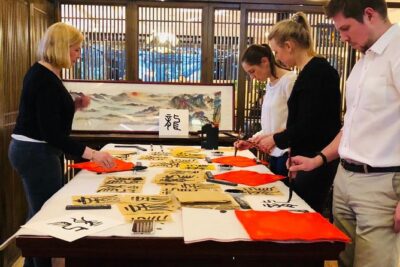 ★ 5.0Noon Calligraphy ClassFrom $2047 reviews
Browse the lists this tour appears in