
Reviewed · WORKSHOPS
Beijing Private Tai Chi Class
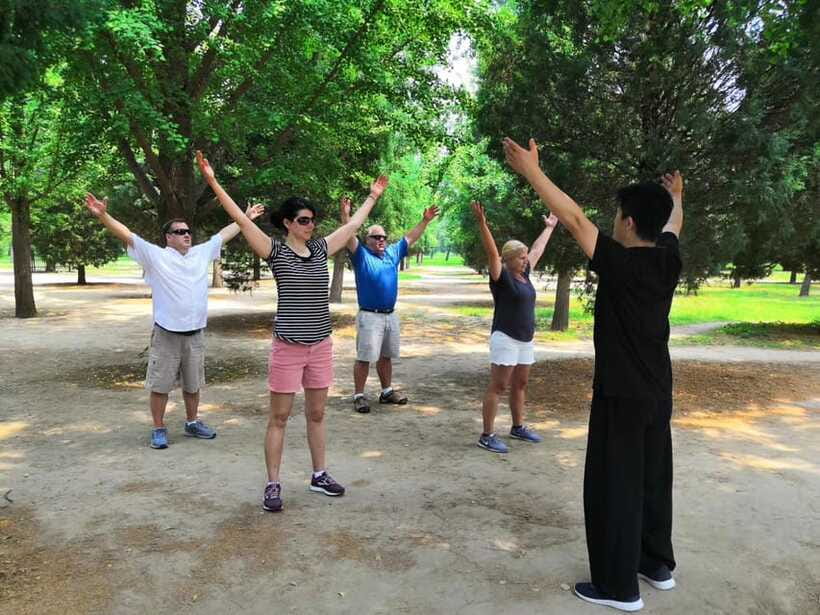
Tai chi at Heaven’s Park feels like reset. You learn in the open air at the Temple of Heaven, and the class is beginner-friendly, with step-by-step instruction that actually makes sense. Two things I especially liked were how clearly the master breaks down the movements and how much you do for only 1.5 hours, including meditation practice and push hands basics. The main drawback to plan around is simple: there’s no hotel pickup, and the Temple of Heaven entrance fee is not included.
The meeting point is easy once you know the subway move, and it keeps things low-stress. Take subway line 5, get off at Tian Tan Dong Men Station, walk out at Exit A, and head about 50 meters to the east gate ticket office.
This lesson also goes beyond the physical steps, which is why it feels different from a quick sightseeing stop. You’ll get context for the Yin Yang and Taoist ideas behind Tai chi and you’ll work toward understanding Qi through gentle practice. You’ll also learn practical self massage methods you can use later for everyday tension.
Key Things to Know Before You Practice
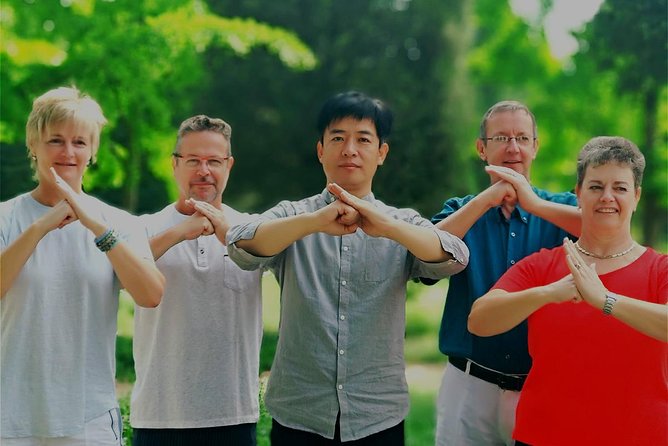
- Temple of Heaven setting: Class takes place right on the grounds, so you learn with a real sense of place
- 9 steps form practice: You work through a structured sequence instead of vague movement miming
- Standing meditation plus push hands: You build awareness first, then add light partner interaction
- Yin Yang and Taoist context: The cultural framing is part of the lesson, not a side lecture
- Self massage tools: You leave with at least a few body-care techniques for stress and discomfort
Arriving at Tian Tan Dong Men: Why This Meeting Point Matters
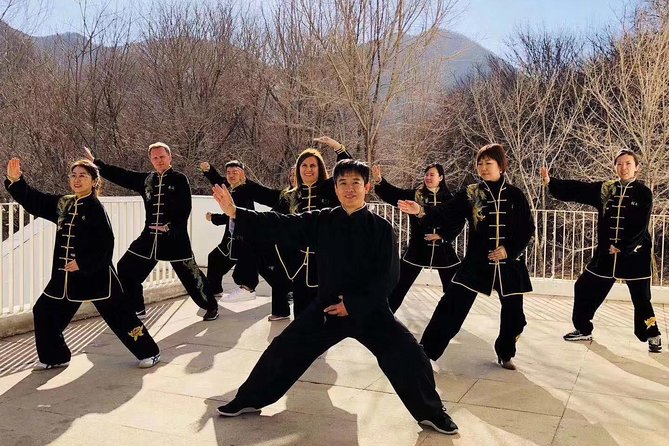
The class starts at the Temple of Heaven, at the east gate area, Tian Tan Dong Men. Your exact meet point is the ticket office of the Temple of Heaven east gate, 天坛东门售票处. If you want the smoothest experience, I’d arrive a few minutes early so you can settle your body, not just your travel plan.
Here is the subway route that saves time and confusion: take subway line 5 to Tian Tan Dong Men Station, exit at Exit A, and walk roughly 50 meters. This matters because Tai chi is slow on purpose. If you rush in sweaty and out of breath, you’ll feel it right away in your stance and breathing.
Also note that this is a private group setup. That typically means less waiting around and more chances to get corrections on your posture, hand position, and weight shift while you learn.
You can also read our reviews of more private tours in Beijing



Temple of Heaven Grounds: A Calm Place to Learn Slow Motion
Tai chi makes more sense when you’re not surrounded by chaos. Learning on the Temple of Heaven grounds adds a natural stillness, with open space for standing practice and enough quiet to focus on breath and body alignment.
You’ll likely notice how the setting encourages softer movement. In a typical studio, you might feel self-conscious about looking stiff. Outdoors, with the big sky and wide walking paths, it’s easier to relax your shoulders and let your body move with less effort.
One practical consideration: the lesson includes standing work and slower foot changes. Wear shoes you feel stable in. If you’re the type who tends to slip on smooth surfaces, pay extra attention to your footing during the basics.
The 1.5 Hour Plan: What You Actually Learn From the Start
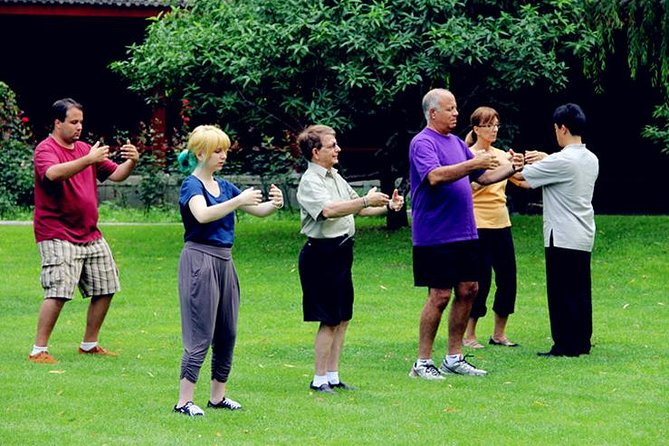
This class is designed specifically for beginners, so you’re not expected to already know Tai chi forms. The pacing is built around a proven step-by-step approach, and the master works to get you moving correctly before you try to move poetically.
Here’s the flow you should expect across the 1.5 hours:
- Tai chi culture presentation: You get the ideas that explain why Tai chi feels different from other martial arts or exercise programs
- 9 steps tai chi form experience study: You learn a compact form sequence instead of a huge memory test
- Standing meditation and push hands experience: You practice stillness, then test interaction with light partner work
- Self massage methods: You learn techniques aimed at daily stress and pain relief
That order matters. If you skip cultural context, beginners often treat Tai chi like just stretching. If you skip the stillness, beginners can turn it into random slow motion. This lesson tries to blend both, so your body work and your mind work connect.
9 Steps Form Practice: Learning the Shape, Not Just the Pose
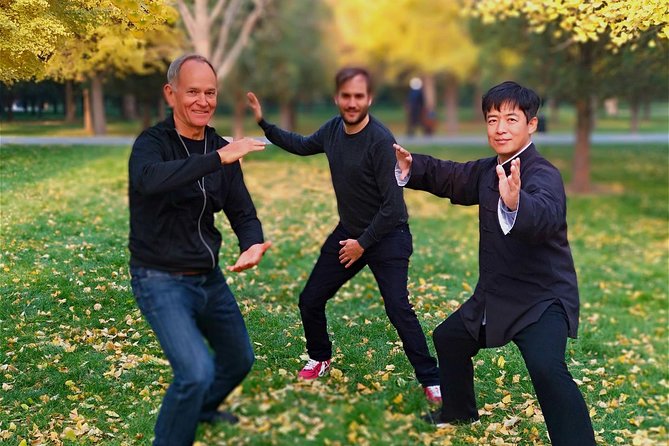
The highlight for beginners is the 9 steps form experience. You’ll study the steps in a way that’s meant to build confidence fast. Instead of being overwhelmed by long sequences, you get a manageable structure you can actually repeat later.
In practice, the most useful part is usually the basics the master keeps correcting:
- weight shift and stance stability
- arm pathway and hand shape
- timing, so movement stays smooth and connected
- posture cues that help you feel grounded
I like that you’re not just asked to copy. A good Tai chi teacher also shows you what to notice while you move. That could be subtle body pressure changes, the feel of your feet, or how your breath supports the motion.
You should also expect a feeling of “oh, that’s what this is.” Many beginners come in thinking Tai chi is only about balance. You’ll quickly learn it’s also about coordination and internal awareness.
Standing Meditation and Push Hands: Gentle, Not Intimidating
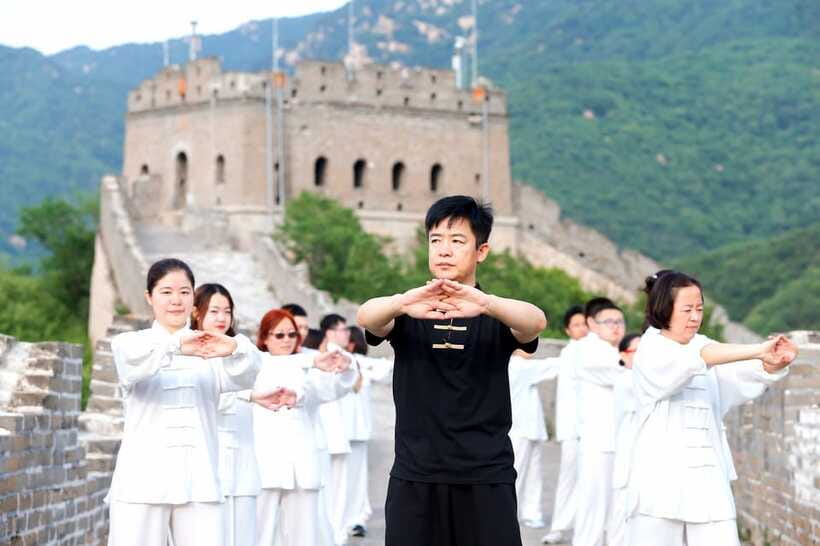
A lot of Tai chi classes advertise forms and photos. This one includes standing meditation plus a push hands experience, which changes the whole vibe.
Standing meditation helps you slow down in a way that reaches past the muscles. You’re practicing awareness, not performance. For a first session, the goal is usually not to achieve a dramatic calm. It’s to feel how your body steadies when you stop forcing it.
Push hands is where many people get nervous because they imagine sparring. In this setting, it’s presented as an experience for beginners, so you can treat it like a guided lesson in sensitivity. You’ll get a taste of how connection works, how pressure should feel, and how timing matters without turning it into a fight.
I found this pairing smart. Form teaches shape. Meditation teaches control. Push hands teaches how the shape behaves with another person.
A few more Beijing tours and experiences worth a look



Qi and Taoist Ideas: How Culture Becomes Practical
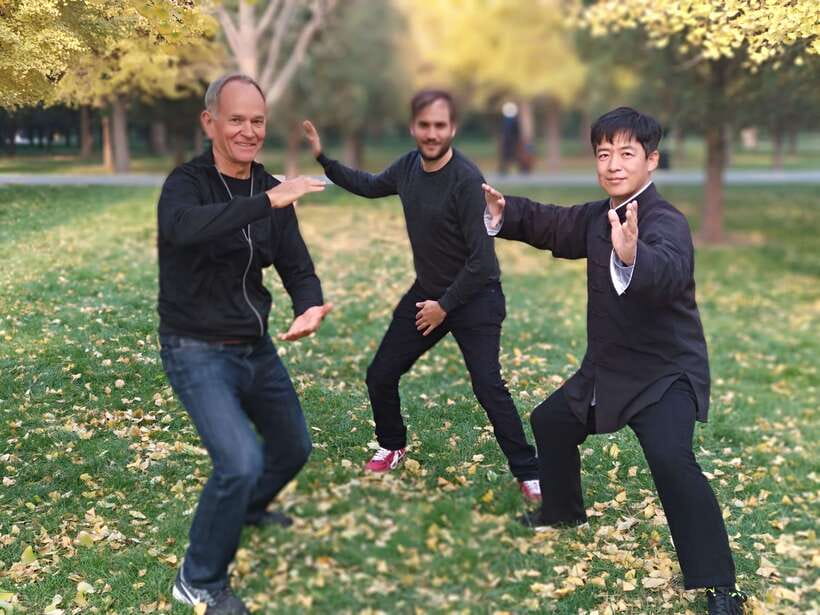
One of the most interesting parts of this class is that it doesn’t treat culture as trivia. You’ll get an explanation of Yin Yang and Taoist culture behind Tai chi and what it means to obtain Qi through natural practice.
Now, I’ll be honest about expectations. “Qi” can sound mystical. The value here is that the teacher ties it to real experience, like how breathing, intention, and relaxed alignment can change how your body feels during slow movement.
When you understand the cultural logic, you stop thinking of Tai chi as a random sequence and start seeing it as a body-mind system. That’s when you’ll start noticing better posture without constant staring at your form.
Instructors praised for patient teaching, including English-speaking masters such as Eric and Leo, are often the reason beginners feel comfortable asking questions and getting corrections.
Self Massage for Stress and Pain Relief: A Take-Home Bonus
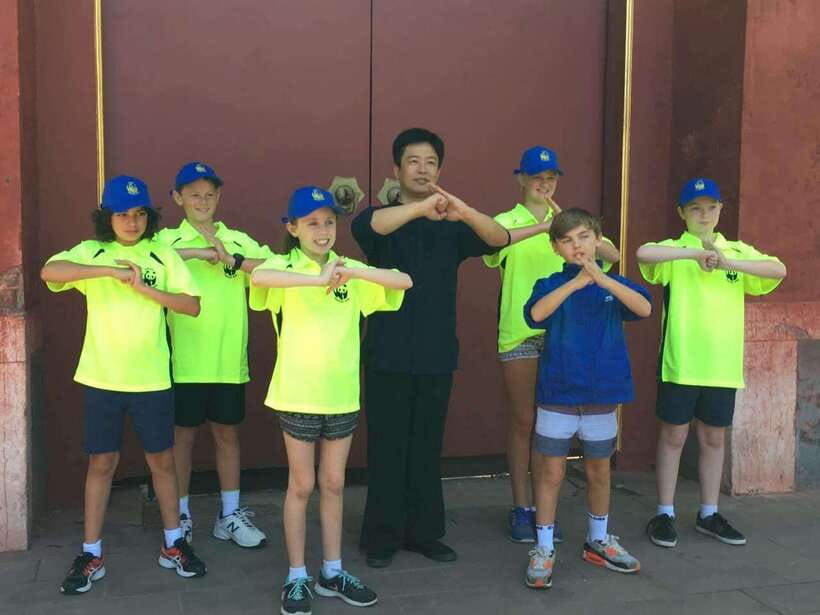
You’ll also learn self massage methods intended to relieve pain and stress in daily life. This is a practical add-on, and it’s one of the best reasons to book this specific class.
Massage in this context is not about dramatic stretching or complicated techniques you’ll never repeat. Instead, you learn body-care methods you can try at home, especially if you sit a lot, carry tension in shoulders, or feel stiff after travel.
The best part is that it fits the Tai chi mindset. Tai chi isn’t only what happens during the class. It’s also about maintaining balance in your body, so later movement feels easier.
If you’re the type who likes learning something you can use immediately, this section will likely be the one you remember most.
Price and Value: Is $58 Worth It?
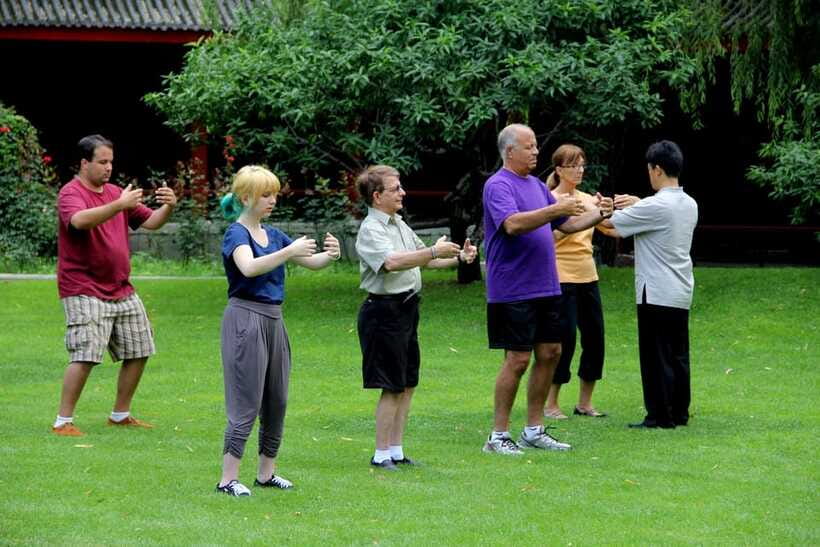
At $58 per person for 1.5 hours, the value depends on what you want from Tai chi.
Here’s what you do get for the money:
- instruction from high qualified English-speaking Tai chi masters
- a beginner structure that covers culture, form steps, meditation, push hands, and self massage
- a private group experience, which usually means more individualized guidance
What you don’t get:
- hotel pickup and drop-off
- food and drinks
- the Temple of Heaven entrance fee
So the real question is: do you want a teacher-led experience built around real learning, not just a walk around a famous landmark? If yes, this price can feel fair because you’re paying for guided practice time.
If you only want one quick taste of Tai chi without any partner work or body techniques, you might decide a cheaper group class elsewhere fits better. But if you want a guided beginner path in one session, I’d call this a good use of time.
What to Bring, What to Wear, and How to Prepare
You don’t need sports gear. You do need comfort and stability.
I’d bring:
- comfortable clothing that lets you move your arms and legs easily
- shoes you feel steady in during standing and weight shifts
- a light layer if the weather cools in the morning or evening
Also, since food is not included, plan a snack or a meal around your schedule. If you arrive hungry, your legs and breath will work harder than they should.
And one important note for safety: the class is not suitable for pregnant women. If that applies to you, you’ll want to look for an alternative class designed for pregnancy-friendly movement.
Who This Tai chi Class Fits Best
This experience is ideal if you:
- are brand new to Tai chi and want a true beginner format
- want the cultural reasoning behind the movements, not just memorizing steps
- enjoy a calm, structured session in a meaningful Beijing location
- like the idea of learning both stillness work and light partner practice
It may not fit as well if you:
- are looking for a long, high-intensity workout
- want only sightseeing and no body practice
- need pickup logistics, since you’ll handle getting to the east gate yourself
Should You Book Beijing Private Tai Chi Class?
Yes, I think you should book it if you want a real starter path into Tai chi, and you want it explained in English by experienced masters. The mix of 9 steps form, standing meditation, push hands experience, and self massage gives you a balanced first session, not just one segment.
Skip or reconsider if you’re trying to avoid all standing time, need hotel pickup, or you fall into the not suitable category for pregnancy. Otherwise, this is one of those activities that can change how you move on the trip. You’ll leave feeling looser, steadier, and with a few tools you can practice again after you go back to your hotel.
If your goal is authentic practice in a calm Beijing landmark setting, this one is a strong pick.
More Workshops & Classes in Beijing
More Private Tours in Beijing

More Tour Reviews in Beijing



Not for you? Here's more nearby things to do in Beijing we have reviewed








Workshops, compared.
 ★ 4.9Beijing Calligraphy ClassFrom $20112 reviews
 ★ 5.0Chinese Calligraphy Class for Small GroupFrom $20104 reviews
 ★ 4.7Dumpling Making Workshop with Meal and TeaFrom $3569 reviews
 ★ 5.0Online Cooking Class Beijing Dumplings and Cuisine by Sunflowerli Renowned ChefFrom $2065 reviews
 ★ 5.0Beijing Wangfujing Calligraphy Class by Forbidden CityFrom $2058 reviews
 ★ 5.0Beijing Wangfujing Calligraphy Class Nearby Forbidden CityFrom $3556 reviews
 ★ 4.8Chinese Kungfu class in old temple beside Forbidden CiFrom $4553 reviews
 ★ 5.0Noon Calligraphy ClassFrom $2047 reviews
Browse the lists this tour appears in