
Reviewed · BEIJING HUTONG & COURTYARD WALKS
Beijing: Hutong Breakfast Food Tour
A Beijing morning can taste like a time machine. This hutong breakfast food tour turns ordinary walking into a bite-by-bite story, with 12+ dishes across 5+ tucked-away spots. I like that it’s practical, not showy, and you spend real time in local markets and courtyard lanes. I also like that guides like Kelly, Lynn, and Yoyo bring the food to life with clear stories as you go.
What really sells me on this tour is the mix of famous and fearless dishes. You’ll tackle douzhi, the bold, famous Beijing tradition, and you’ll also get comfort food like Mr. Yu’s beef flatbread and tofu pudding. And yes, you’ll likely hit pancake-style cravings too, including a sweet red bean paste pancake and an egg-and-bacon pancake for the non-vegetarian option.
One thing to consider: this is very much a walk-and-eat experience, and it is not suitable for people with mobility impairments. Also, while the tour is vegetarian-friendly, substitutions are not available for every dish, so a few items may still be meat-based.
Key Highlights You’ll Care About
- Aunt Jie’s handmade pork zongzi, wrapped with a generations-old method
- Douzhi, a bold, tangy Beijing tradition that earns its Michelin nods
- Mr. Yu’s beef flatbread and tofu pudding, classic comfort food that feels like a childhood memory
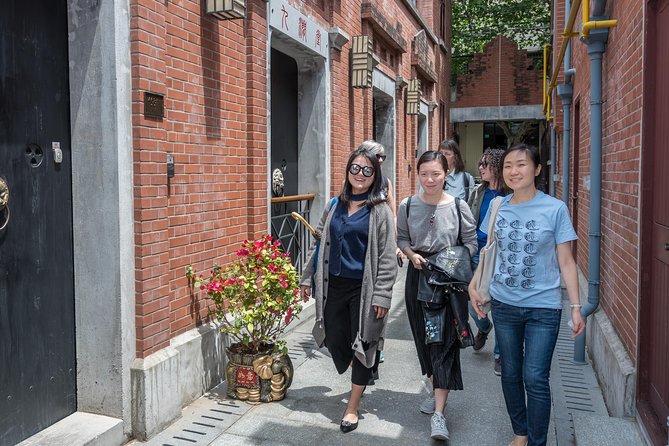
- Hutong exploration in micro-details, stone doorways, signs, and courtyards you would miss alone
- Cheesy jianbing at a hole-in-the-wall spot, plus sweet bites including red bean paste
Hutong Breakfast With a Real Local Map, Not a Cookie-Cutter Walk
This tour is built around a simple idea: you learn Beijing by eating it in the neighborhoods where people actually live. You’re not just sampling food. You’re picking up the small clues that make hutongs feel human, from the texture of the stone entryways to the way street stalls set up for the day.
I also appreciate the pacing. Three hours is long enough to make a dent in 12+ dishes, but short enough that you still feel like you’re on vacation, not trapped in a food seminar. The route is designed for a morning rhythm, so you keep moving and keep tasting without that slow, heavy feeling you sometimes get with longer tours.
And the best part is how the flavors overlap. You might start with something savory, then get hit with something tangy like douzhi, then swing back to comforting tofu pudding. It’s a smart way to taste the city’s range instead of only sticking to one style.
You can also read our reviews of more food & drink experiences in Beijing
Meeting at Zhongguo Meishuguan: How to Find the Bright Yellow Tote
Meeting is at Zhongguo Meishuguan (National Art Museum) Subway Station, Exit B, street level. Your guide is carrying a bright yellow Lost Plate tote bag. That tote matters. It’s the easiest way to avoid the usual station-side scavenger hunt.
For subway directions, take Line 8 to Zhongguo Meishuguan Station, then follow signs to Exit B. If you’re using a taxi or Didi, you can input 地铁8号线中国美术馆地铁站 B出口, but remember traffic can be heavy around this area during rush hour. Give yourself extra time so you arrive calm, not sprinting.
Practical tip: if your map drops you near the museum and you feel unsure, ignore the fancy landmarks and focus on finding the Exit B street-level opening. Then look for the yellow tote.
Starting With a Local Market Stop, Where the Morning Gets Real
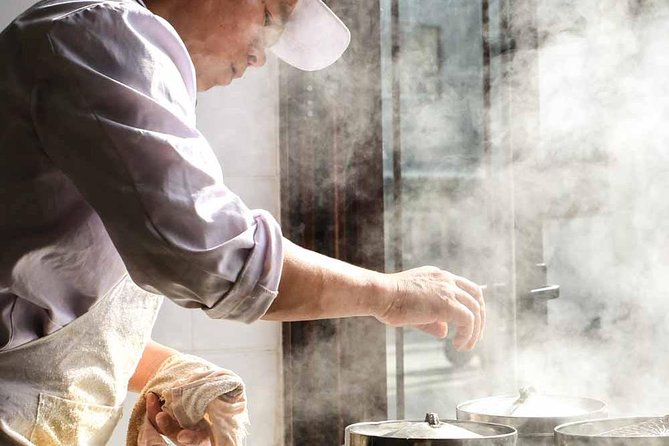
A big reason this tour works is the market warm-up. You explore a local market before you start stacking plates, which means the food stops feel connected instead of random.
At this stage, you’re also getting oriented to how people shop and snack. You’ll see the ingredients that show up later in your meal, and you start to understand why Beijing breakfast tastes like it does. The tour is designed for you to notice small differences, not just swallow food.
This is also where the guide’s storytelling helps the most. When your guide explains what you’re looking at before you eat it, the flavors land harder. It turns a bite into a small lesson you’ll remember later.
Aunt Jie’s Pork Zongzi: The Handmade Start That Sets the Tone
One highlight you should plan for is Aunt Jie’s handmade pork zongzi. Zongzi are rice dumplings typically wrapped for shape and steam, and this one is described as hand-wrapped using a generations-old recipe.
Why this stop is valuable: zongzi are not just food, they’re technique. When you see the wrapping and you taste the result, you understand why people consider these dumplings a comfort and not just a novelty. It also gives you a satisfying, filling base early in the tour.
If you’re the type who likes to eat in layers, this is a great choice. The zongzi can be a gentle anchor, especially before you get to more intense flavors later.
Brace Yourself for Douzhi, Beijing’s Boldest Tradition
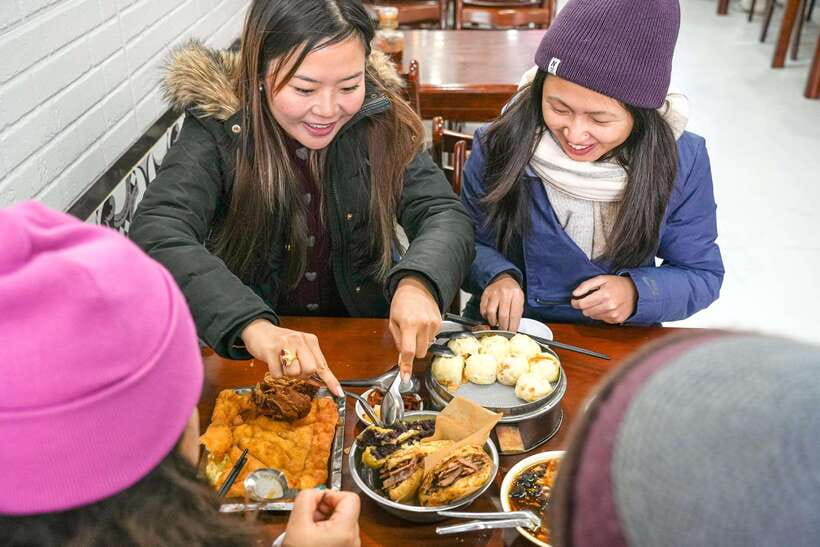
Then comes the dish you either love immediately or need a minute to get used to: douzhi. This is described as Beijing’s boldest tradition, and it’s also noted as Michelin-recognized.
What you should know before you try it: douzhi is not a mild flavor. It’s tangy and strong, and it’s the kind of food where you’re tasting a regional habit, not just seasoning. You’ll likely want to pause, breathe, and take the first bite slowly.
This is also one of the most “worth it” experiences on the tour. If you’ve only heard about douzhi from stories, the tour gives you the chance to experience the taste directly in the hutong context where it belongs.
If you’re cautious with fermented or tangy foods, start with a smaller taste and let the guide explain how locals eat and think about it. The guide’s job here is not just translation, it’s making the unfamiliar feel less intimidating.
A few more Beijing tours and experiences worth a look
Mr. Yu’s Beef Flatbread and Tofu Pudding: Comfort Food, Old School
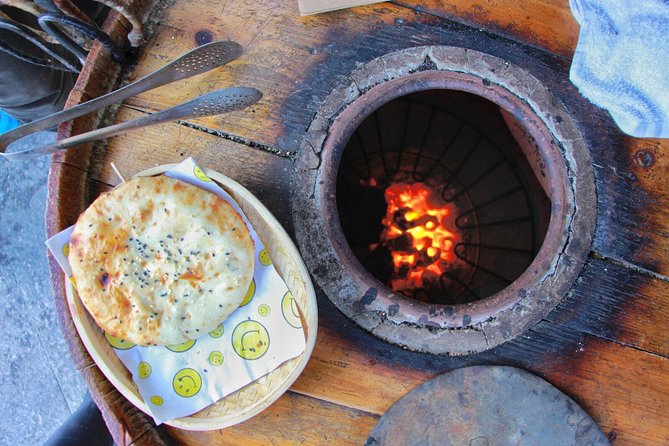
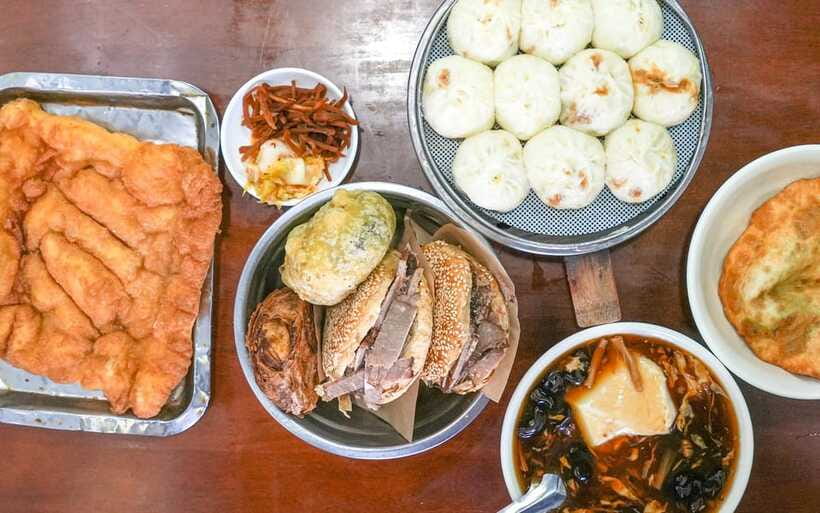
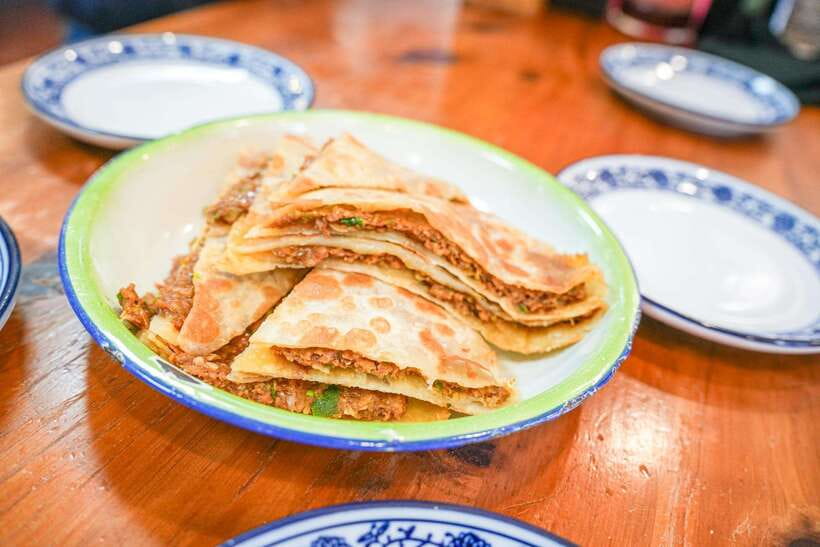
Next up, you get Mr. Yu’s beef flatbread and tofu pudding, which hits the comfort-food lane hard. This is the part of the tour that feels like Beijing home cooking.
The flatbread is the kind of dish that works fast. It’s warm, filling, and practical, like breakfast that can keep you going. Then the tofu pudding shifts the texture and mood. It’s smoother and calmer, giving your taste buds a reset after something more intense.
Why I think this stop matters: a good food tour doesn’t only show you extremes. It also shows you the daily classics that people actually crave. By the time you reach tofu pudding, you’re already walking through hutongs, tasting street food, and learning why Beijing can be both bold and comforting in the same meal.
Jianbing With a Cheesy Twist, Plus Pancake Style Sweet Bites
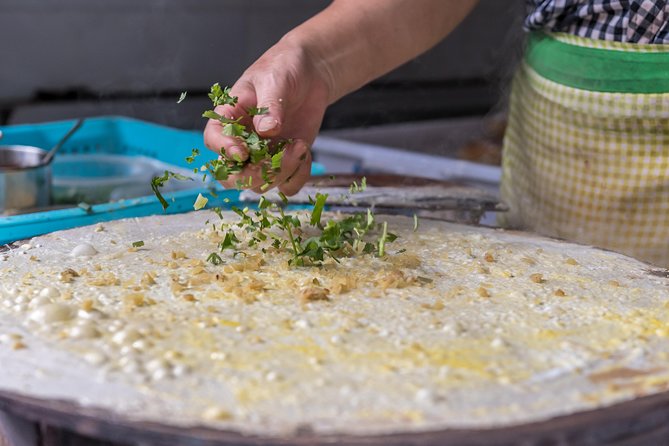
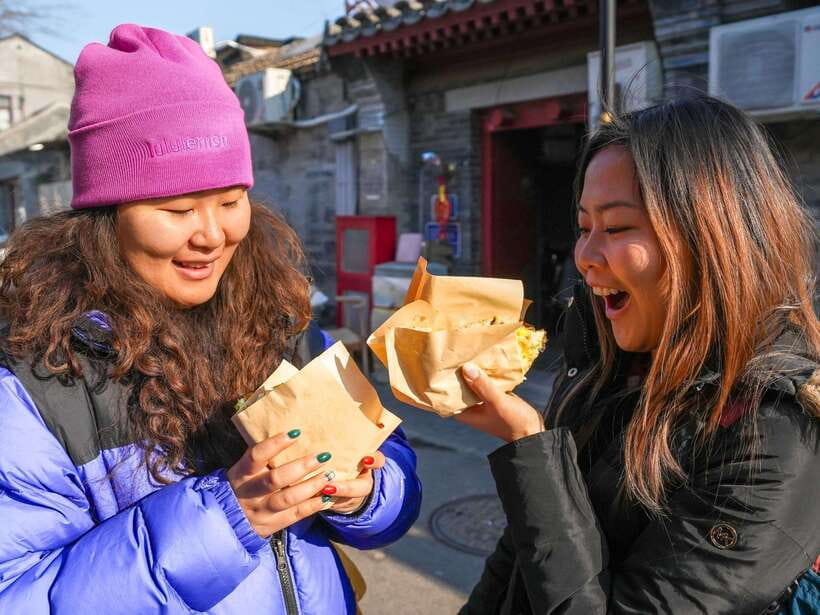
You’ll also try jianbing in a hole-in-the-wall favorite spot, and this one comes with a cheesy twist. Jianbing is already a beloved Beijing street breakfast, so the “cheesy twist” is a fun angle. It brings more creaminess and saltiness into the mix, and it can be the bridge between savory bites and your sweet cravings later.
Some sweet pancakes are also part of the experience, including red bean paste style desserts. One review note highlighted a sweet pancake as a favorite, but it also flagged that red bean paste desserts can show up more than once in a short span. If you’re not a big fan of sweet bean paste, keep an eye on it when dessert options roll in and consider savoring, not stacking.
This is also where your pacing mindset pays off. With so many dishes, it helps to taste, not stuff. The tour provides unlimited water and soft drinks, so you can clean your palate without rushing.
Hutong Secrets You Catch Only When You Walk Slowly
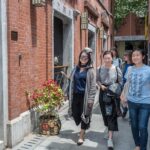
A huge part of this tour is the wandering through hutong lanes with attention to details. You’re not only eating, you’re noticing things: stone doorways, signs, and courtyards. These are the kind of small visual clues that help you understand what hutongs are, beyond the postcard view.
When you walk with a guide, you notice the rhythm of the neighborhood. Courtyards change how sound carries. Doorways change the airflow and the feel of the street. Signs and small details help you understand where you are and what kind of life happens around you.
This matters for your trip because it changes how Beijing feels later. After this morning, you’ll start seeing hutongs as living places, not just narrow alleys. And you’ll recognize details that you would have missed if you’d tried to self-tour with only broad directions.
Food Quantity and Variety: 12+ Dishes, 6+ Stops, Unlimited Drinks
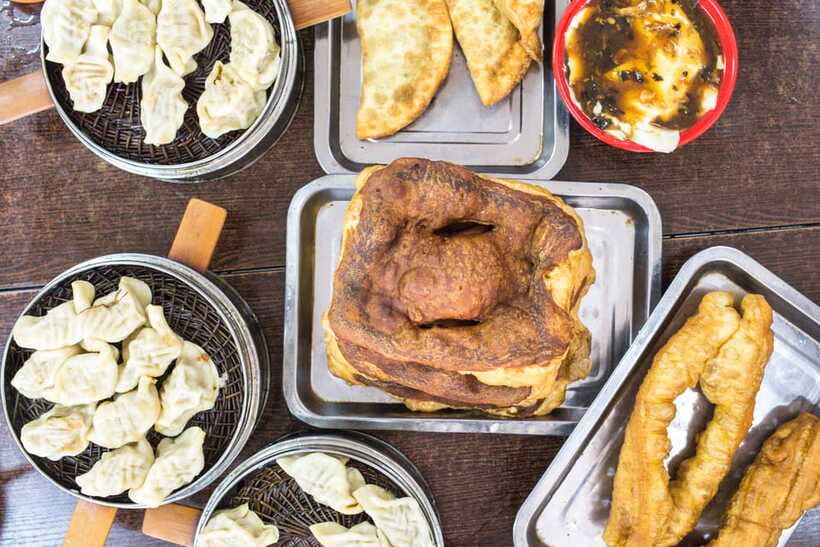
The tour is designed for you to eat a lot, without turning it into a food marathon. You’ll try 12+ dishes at 5+ hidden spots, and you’ll visit over 6 eateries and street stalls.
You also get unlimited water and soft drinks, which is a big deal in the hutong environment. It keeps you comfortable and helps with that aftertaste-cleaning routine between strong flavors like douzhi and comforting dishes like tofu pudding.
Here’s the real value of this setup: the number of stops means you get variety. You’re not paying just for one signature dish. You’re paying for a chain of bites that show you different styles of Beijing breakfast.
Price and Value: Is $45 a Good Deal for This Much Eating?
At $45 per person for a 3-hour tour, this is strong value if you actually like food and you want structure. The math is pretty simple: unlimited food and drinks across 6+ locations for a few hours is usually what you’d spend on meals plus snacks if you tried to piece it together yourself.
Also, English-speaking guidance is included. That matters with breakfast foods, especially when you’re dealing with something as strong as douzhi. Being able to ask questions, understand what you’re tasting, and get the cultural context makes the bites more meaningful.
One extra factor for value: you’re getting help finding places you’d likely miss on your own. Hutongs are maze-like. The tour gives you a route through the right lanes, and you don’t have to gamble on guessing where the good breakfast is.
Vegetarian-Friendly, But Read the Fine Print in Your Head
The tour is vegetarian-friendly, which is great news if you prefer plant-based food. Just know the important caution: substitutions are not available for every dish.
So if you’re vegetarian, your best move is mental prep. Expect that some stops may include meat-based items or meat in the mix. The tour can still work for you, but it might not turn into a fully vegetarian menu every step of the way.
If you’re flexible, this becomes a fun cultural sampling. If you are strict, you’ll want to approach it like a choose-your-battles morning: focus on dishes you can eat comfortably, and let the guide help you decide quickly when options show up.
Comfort and Practical Stuff: Shoes, No Luggage, Rain or Shine
This tour runs rain or shine, so dress for weather. In hutong lanes, getting wet is not just uncomfortable, it can slow you down.
Bring comfortable shoes. You’ll be walking, and the experience is not designed for strollers or for anyone who needs mobility assistance. The tour is also not suitable for people with mobility impairments.
You also can’t bring luggage or large bags. Keep it light so you can move freely from stop to stop.
Should You Book This Beijing Hutong Breakfast Food Tour?
Book it if you want a breakfast that feels like it belongs in Beijing, not just on a travel itinerary. This tour is especially worth it if you enjoy street food, you like strong flavors, and you want to learn through tasting. The English guidance and the focus on hutong details make it feel more like an orientation to the city than a random meal crawl.
Skip it if you hate tangy or fermented flavors like douzhi, or if you need a mobility-friendly route. Also, if you know you strongly dislike red bean paste sweets, keep that in mind when pancake-style desserts show up.
If you fit the sweet spot, this is a smart, efficient way to get your hutong bearings fast and leave with a stomach full of Beijing flavors.
FAQ
How long is the Beijing Hutong Breakfast Food Tour?
The tour duration is 3 hours.
What is the price per person?
The price is $45 per person.
Where do I meet the tour?
Meet at Zhongguo Meishuguan (National Art Museum) Subway Station, Exit B, street level. Your guide will be carrying a bright yellow Lost Plate tote bag.
What subway line should I use?
The meeting station is on line 8. Get off at Zhongguo Meishuguan Station, then follow signs to Exit B.
Is hotel pickup or drop-off included?
No. Hotel pickup and drop-off are not included.
What’s included with the tour?
You get a professional English-speaking guide, unlimited food and drinks in over 6 eateries and street stalls, and unlimited water and soft drinks.
Are drinks included, or do I pay extra?
Drinks are included. The tour includes unlimited water and soft drinks.
Is the tour vegetarian-friendly?
It is vegetarian-friendly, but substitutions are not available for every dish.
Does the tour run in the rain?
Yes, it operates rain or shine. Dress appropriately for the weather.
What should I bring and wear?
Wear comfortable shoes.
Who should avoid this tour due to mobility?
The tour is not suitable for people with mobility impairments.
More Food & Drink Experiences in Beijing
More Tours in Beijing



More Tour Reviews in Beijing
Not for you? Here's more nearby things to do in Beijing we have reviewed





Beijing Hutong & Courtyard Walks, compared.
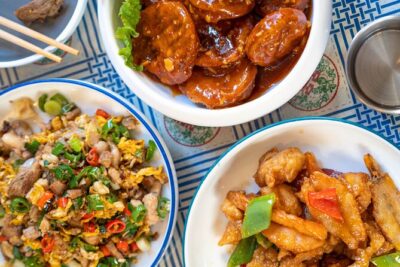 ★ 5.0Beijing Hutong Walking Food and Beer Tour at Hidden RestaurantsFrom $801,132 reviews
 ★ 4.7Temple Heaven, Summer Palace, Lama Temple, Hutong Bus TourFrom $58319 reviews
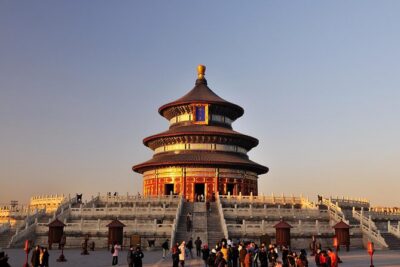 ★ 5.0Temple of Heaven, Summer Palace, Lama Temple, Hutong ToursFrom $99311 reviews
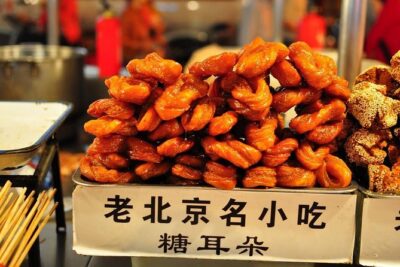 ★ 5.0Beijing Private Hutong Food Walking TourFrom $82299 reviews
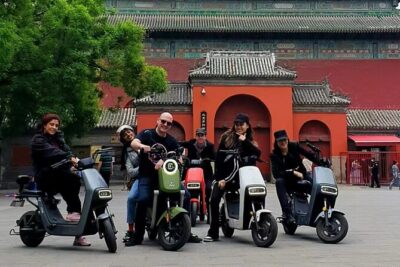 ★ 5.0The Hutong Experience by BikeFrom $150163 reviews
 ★ 5.0Hutong Culinary Walking Tour with 15+ TastingsFrom $76162 reviews
 ★ 5.0Beijing Hutong Breakfast Food TourFrom $45155 reviews
 ★ 5.0Beijing City Walk: Explore Hutongs Life and Old BeijingFrom $15146 reviews
Browse the lists this tour appears in