
Reviewed · BEIJING HUTONG & COURTYARD WALKS
Beijing: Hutong Culinary Walking Tour with 15+ Tastings
15+ tastings, all in one Hutong evening. This Beijing Hutong culinary walk starts at Dongsi Subway Station Exit B and uses a private English guide to shape your route through alley life, pairing each stop with Hutong stories and local eating etiquette. I like how you get to steer the day too, from classic bites to bolder choices, so the food feels personal instead of like a canned checklist.
The only real catch is the pace: it is 3-4 hours of eating, and some dishes can be spicy or seriously adventurous. Expect things like baijiu and, if you ask for surprises, options such as donkey burger, fried liver, intestine soup, or 1000 year old egg, with bamboo worm at your cost.
Key things to know before you go
- Meet at Dongsi Subway Station Exit B and look for your guide holding a sign with your name
- 15+ tastings in walking distance, so you are not stuck eating just one kind of food
- Classic or bold picks, with the guide adjusting stops to your preferences
- Hutong context plus etiquette, not just dish names and photos
- Regional mix beyond Beijing, including items tied to other provinces like Yunnan
- Good variety for many palates, and you can request alternatives if you want to avoid certain foods
Entering The Dongsi Hutong Food Scene (And Why It Works)
If you want Beijing that feels lived-in, this is the kind of tour that delivers. You start in the Dongsi area and move through quiet Hutong alleys where everyday rhythm still matters. The tour is not just about tasting. It’s about understanding what you are eating and why people eat it that way, right down to small eating etiquette tips that help you blend in more than you might expect.
The other thing I like is control. The guide adjusts stops for what you actually want. Prefer comforting classics? You can lean into things like dumplings, pancakes, and sesame cake style snacks. Want a bigger challenge? You can tell them you are ready for surprises. That flexibility is a big deal in a city where the menu you think you want and the menu you stumble into are often two different things.
Private group also matters. You are not stuck watching a guide herd a crowd. You can ask questions in real time, change course as your tastes change, and get food decisions made on the spot.
You can also read our reviews of more walking tours in Beijing

Starting Point: Dongsi Subway Exit B (And How To Find Your Guide Fast)
Meet at Dongsi Subway Station Exit B. It is one of the easiest public transit starting points in the area, and you can also get there by taxi. Your guide holds a sign with your name, so you are not playing guesswork games with strangers.
This matters because Hutong routes depend on small turns and local lanes. When you miss the meeting window, you do not just lose time. You can lose the best part of the day, which is getting into those alleyways while everything feels calm and local.
Also, this tour is built for walking. The stops are designed to stay close enough that you spend your time eating rather than crossing half the city. Wear shoes you are comfortable in, especially in winter or wet weather.
What You Really Get: 15+ Tastings In 3-4 Hours
The headline is 15+ tastings, which is a lot for a 3-4 hour walking experience. You are usually tasting multiple categories, not just one long sequence of fried snacks. The result is you leave with a clearer map of Beijing flavors and also a feel for how street food becomes formal food at restaurants.
You also get bottled water and local soft drinks included. That simple inclusion makes a difference when you are working through sweet snacks, hot soup dishes, and spicy options back to back.
And because stop locations vary daily, you are not locked into a single exact menu. That sounds vague, but it’s actually practical. Your guide can match the choices to what looks best that day and what you want most, whether that’s sweet, savory, noodle-heavy food, or the more daring off-menu bites.
The Likely Order Of Stops, From Sesame Sweets To Xinjiang Skewers
Because the guide adjusts daily, there is no single guaranteed sequence. But the tour is built like a real food walk: start with snackable items, then move into heavier bowls and meals, then finish with bold comfort.
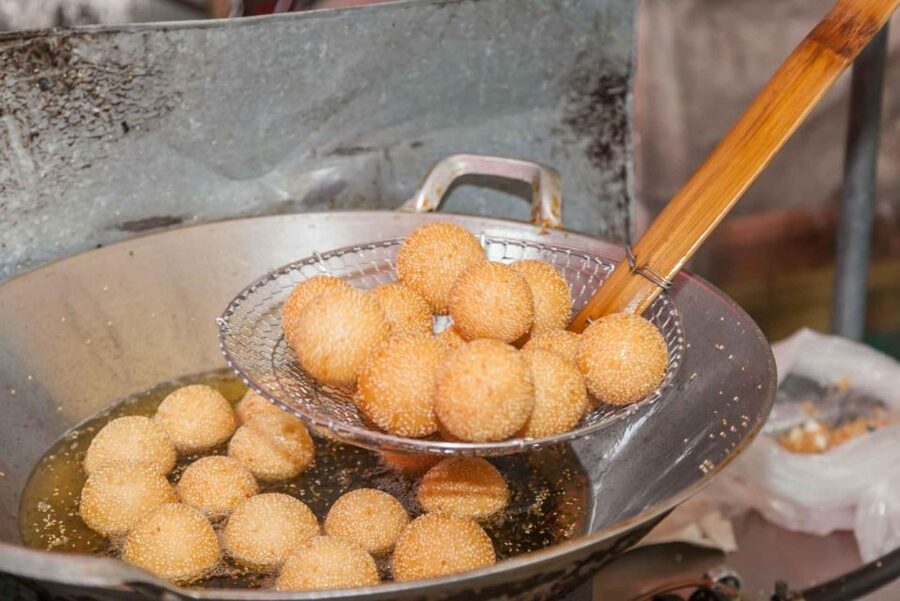
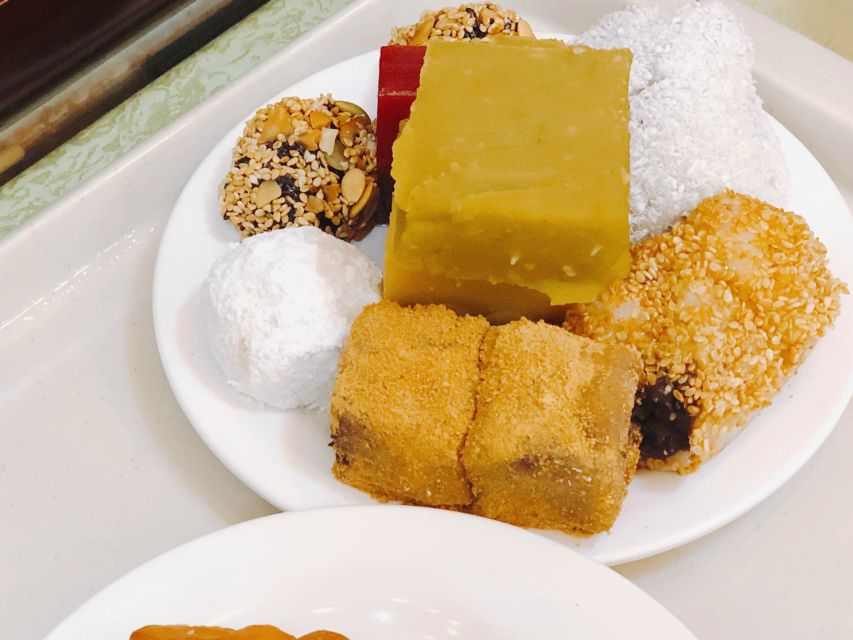
Early in the tour, you often begin with Hutong-friendly bites such as sesame cakes or fried dough twists like ma hua. These are ideal first tasting stops because they are quick, portable, and give you immediate Beijing flavor without tiring you out.
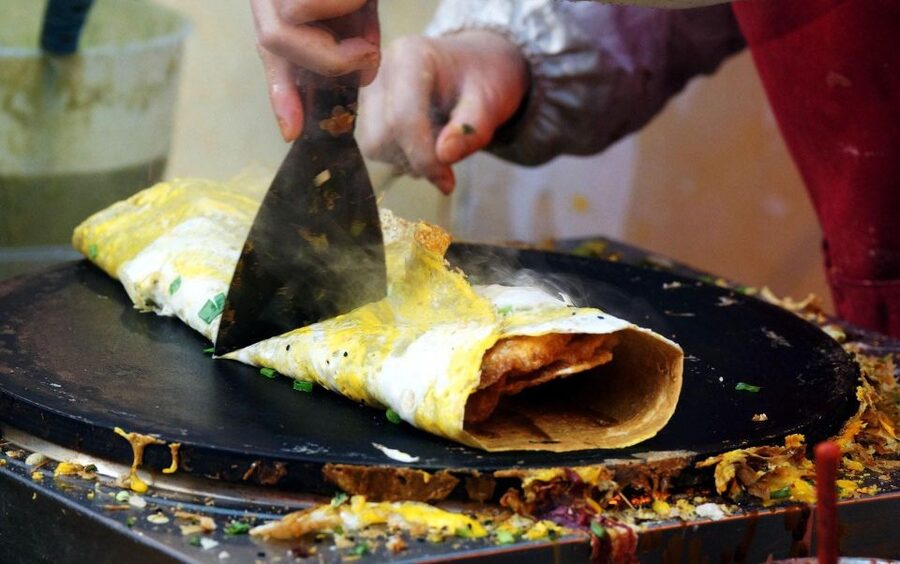
Next, you can expect dumpling style dishes and other wheat and dough snacks. Soup dumplings are one listed possibility, along with Jianbin, a fried pancake that’s crisp outside and satisfying inside. These are the kinds of dishes that help you understand why Beijing street food is so good at both speed and flavor.
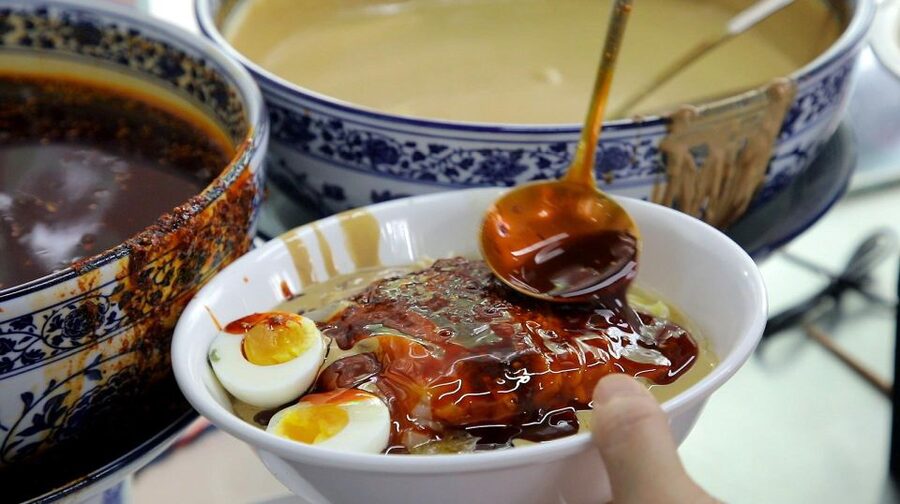
Then you may shift into noodle and rice territory, including Beijing jar yogurt or Cross Bridge rice noodles, an item originating in Yunnan province. That regional connection is useful, because it shows that even a Beijing Hutong crawl can point you outward to how China’s food traditions travel and adapt.
Later stops often include sweet stuff like steamed rice cakes with sweet filling, plus a wider range of restaurant-based snacks that feel more like meals than street grabbing.
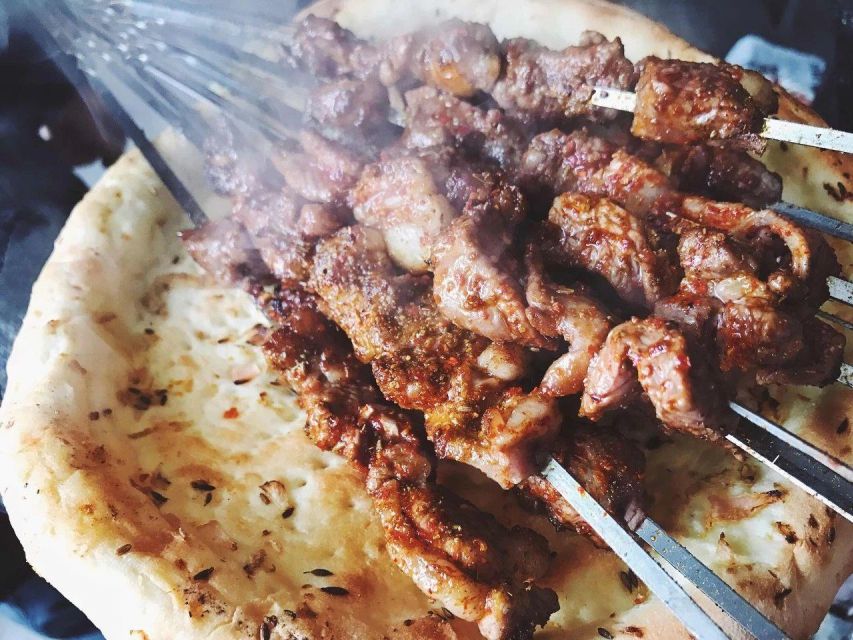
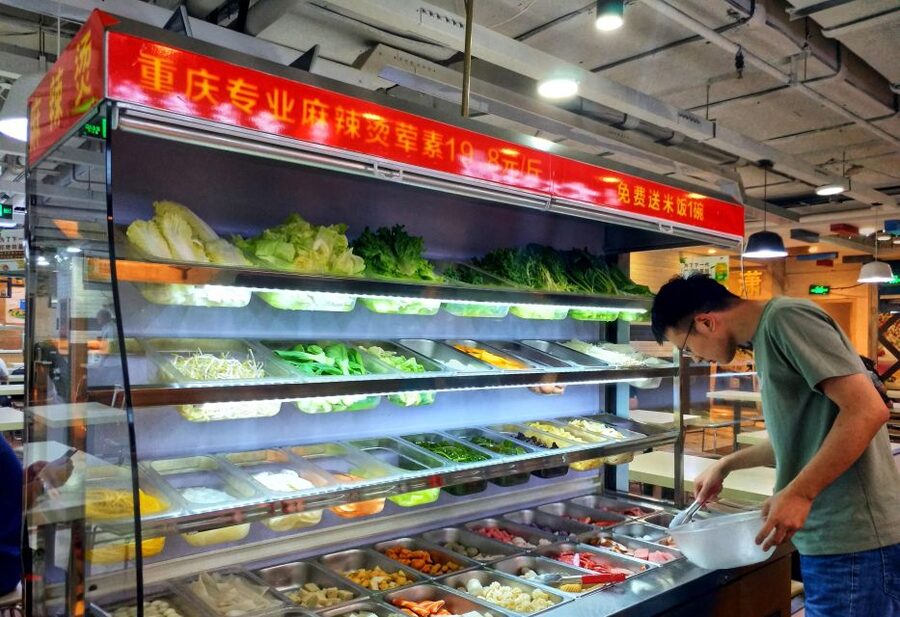
Near the end, the tour commonly lands on hot and bold flavors. Malatang is listed, which is a spicy hot pot style soup base with lots of ingredients like vegetables, meats, seafood, and noodles. If you want a strong finish, Xinjiang lamb skewers are also a key option, often served with nang bread and lamb or vegetable kabobs.
Beijing Staples You Should Actually Look Forward To
Here are specific dishes listed for this tour, and what they mean for your taste buds:
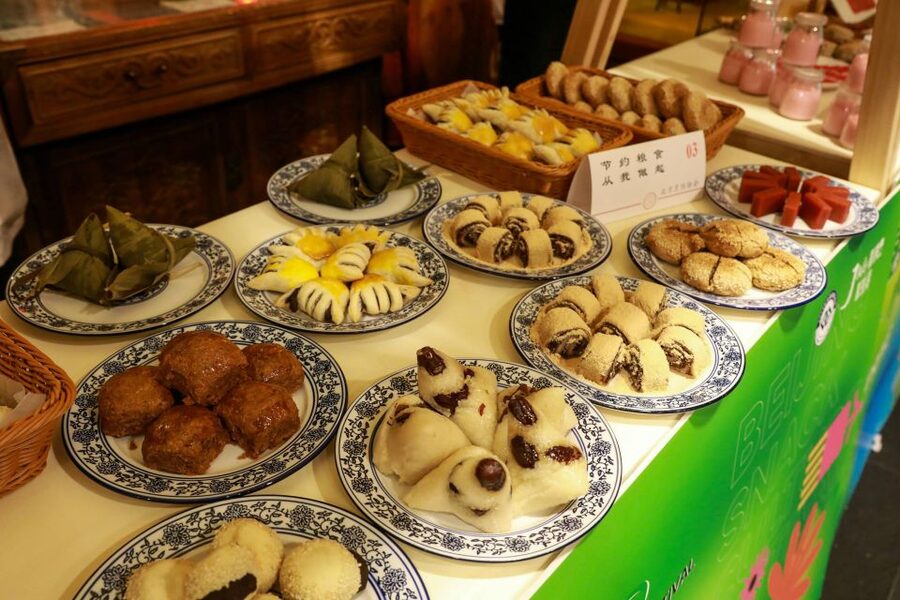
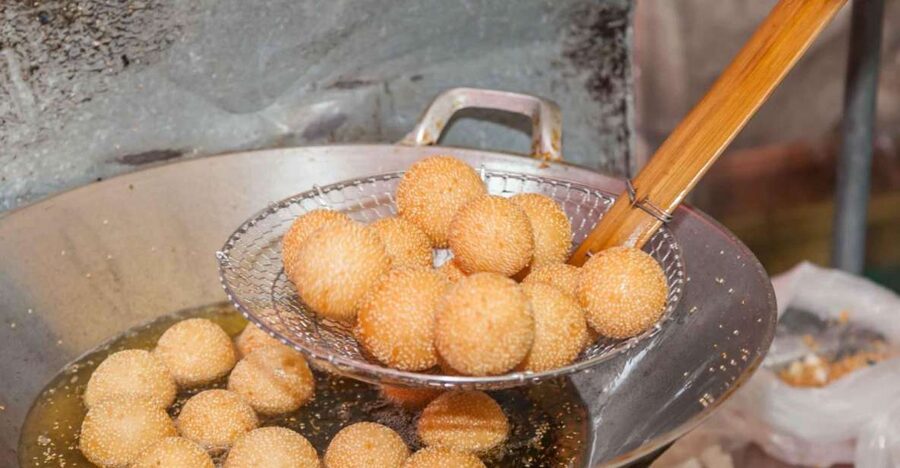
Sesame cakes
Think sesame seeds with honey sweetness. They are the kind of snack that tastes simple, but the sesame flavor is the star. It’s also a nice break from all the hot savory items.
Ma hua (fried dough twist)
Crispy outside, chewy inside. It’s a classic comfort bite and a good “first step” when you are not sure what you’ll like yet.
Soup dumplings
Listed as a possibility. If you have never had them in a local setting, this can be a turning point. You learn that the best dumplings are not just about filling, they are about timing and how you handle them.
Beijing jar yogurt
Sweet and tangy in a way that can cool your palate. It’s useful if the rest of your tour goes heavier on heat.
Cross Bridge rice noodles (Yunnan origin)
A reminder that Chinese food is not locked to one region. Yunnan ties help explain why you may spot different noodle styles and broth behavior as you move through your day.
Jianbin (fried pancake)
Crispy, snackable, and filling. This is the kind of bite that keeps you from feeling like you only get “tasting size” amounts.
Crispy fried ring (household snack)
If your goal is texture, this one delivers. It’s a practical snack when you want something salty and crunchy that goes down fast.
Steamed rice cakes with sweet stuffing
These are your comfort sweets. If you like warm desserts, you will probably welcome them more than you expect after savory courses.
Malatang
Spicy soup style hot pot with many add-ins. It’s the sort of dish that feels like a choose-your-own-adventure bowl. If you are spice sensitive, you should tell your guide early.
Baijiu
A colorless Chinese liquor listed on the tour. You don’t have to treat it like a challenge. If you want to try a small pour, ask for that kind of pacing rather than forcing it.
Xinjiang lamb skewers with nang bread
This is one of the best “finish your hunger” items. The listed combination matters, because nang bread is part of the experience, not a random side.



When You Say Yes To Surprises (And How To Do It Smart)
Part of the fun here is optional risk. If you tell the guide you want adventure, the tour lists surprises such as donkey burger, fried liver, intestine soup, 1000 year old egg, and bamboo worm at your cost.
How do you handle that without regretting your life choices two hours later? A simple approach:
- Start with one bold item, not five in a row
- If you see baijiu offered, keep it measured and ask for a smaller amount if you want to stay fresh
- If you are unsure about offal style dishes, ask what it tastes like and what it pairs with
- Tell your guide if you want to keep things less spicy or skip anything you do not want
This is also where private guiding pays off. The guide is adjusting your stops based on what you want to try, not just what they prefer to serve.
And if you are not looking for survival mode food, you do not have to. The tour explicitly offers classic bites and bold picks, and you can choose your mix.
Hutong Stories And Eating Etiquette You Can Use That Night
A lot of food tours explain menus. This one also explains the neighborhood context. You walk through quiet Hutong alleys, and your guide shares Hutong history, culinary traditions, and eating etiquette as you go.
You might not remember every date or name, but you will remember how it helps you spot what is worth ordering and what is worth asking about. Etiquette advice is the real value, because it reduces awkwardness when you are eating in a local restaurant setting where things like sharing, using utensils, and handling dishes can be different from what you’re used to.
The Hutong stories also help you understand why the food feels specific to the area. Instead of thinking, we are just eating snacks, you think, this is how people feed themselves between courtyards and alleys, and how regional dishes show up over time.
Tailoring To You: Preferences, Vegetarian Needs, And Comfort
This tour’s flexibility is one of its most praised parts. Guides reportedly adjust preferences during the walk, changing stops as you share what you like and what you want to avoid.
A good example from real experience: one family with kids, including a vegetarian child, was taken care of with vegetarian dishes that still felt delicious and fitting for the day. Another person who did not fancy an adventurous item was offered a substitute meal. The common thread is simple: tell the guide what you want and what you do not want, and you are more likely to enjoy the full tour.
You’ll also notice how the guide keeps you moving between close spots, so you are not waiting long at each stop. Multiple experiences note that the pace feels organized and not rushed, and that guidance helps you find places you would never spot on your own.
It’s also nice when your guide can talk beyond food. Several guides were praised for lively conversation about China and Beijing life. Names you may see include Jimmy, Mike, May, Allen, Anson, Andy, Jay, Miko, and Lucy.
Pacing, Weather, And What To Eat Before You Go
Plan to arrive hungry. That’s not just marketing talk. The tour is built on 15+ tastings. If you show up full from a big lunch, you can end up paying $76 for the privilege of being polite while your stomach protests.
Bring water comfort, too. You get bottled water and soft drinks, but you still walk and you still eat. If you have a sensitive stomach, consider eating something very light beforehand, like a snack you know sits well with you.
Weather matters. Hutongs can feel cold and damp in winter, and the tour is still a walk. Dress for the day, and keep layers in mind.
Also, think about alcohol. Baijiu is listed as one option. If you want to try it, pace it. If you do not, just let your guide know you want non-alcoholic tasting options.
Price And Value: Is $76 Worth A Hutong Food Crawl?
At $76 per person, you are paying for three things at once: guided navigation, access to local spots, and a lot of food. The 15+ tastings is the big value driver. Even if you mentally average it out per tasting, you are not paying for one plate. You are paying for a sequence.
The tour duration, 3-4 hours, also supports the value. You get enough time for multiple courses and stops without spending your whole day in transit.
And because it’s private group, the guide can adjust stops for your preferences instead of sticking to one route for everyone. That customization can be worth real money if you care about specific foods, spice level, or avoiding certain items.
Hotel pickup is optional with private transfer. If your hotel is inconvenient to reach by subway, that option can make the day easier, especially if you are trying to start early or coordinate with other plans.
Who This Tour Suits Best (And Who Might Want Something Else)
This is a great match if you want:
- A Beijing Hutong neighborhood experience, not just restaurant meals
- English-guided help ordering and choosing food
- A wide spread of dishes, including both Beijing staples and a few regional surprises
- A tour where you can steer toward classic or bold picks
It might not be ideal if:
- You hate walking or you get tired quickly on uneven alley streets
- You cannot handle spice at all, or you have strict dietary restrictions beyond basic preferences
- You are not interested in alcohol tasting options, since baijiu is part of the listed possibilities
If you want a calmer food experience with only familiar dishes, tell your guide to keep it classic. The tour is designed to adapt.
Should You Book This Beijing Hutong Culinary Walking Tour?
I think it’s worth booking if your goal is to leave Beijing with a real food map, not just a few photos of dumplings. The 15+ tastings in a tight 3-4 hour format is the main reason, and the guide tailoring is the reason you do not feel like you are on rails.
Book it early in your trip if you can, because it teaches you what to order later when you wander on your own. And if you are even slightly nervous about the more adventurous items, you have options. You can go for the classic bites, and you can still learn etiquette and Hutong context along the way.
FAQ
Where is the meeting point?
The meeting point is Dongsi Subway Station Exit B. Your guide will hold a sign with your name.
How long is the Hutong culinary walking tour?
The tour lasts 3-4 hours.
Is this a private or group tour?
It is a private group tour.
What food and drinks are included?
You get 15+ food tastings included, plus bottled water and local soft drinks.
What language is the tour guide?
The live tour guide is English.
Can the guide adjust the stops for what I want to eat?
Yes. The guide adjusts stops based on your preferences, and stop locations can vary daily.
Are adventurous foods included?
Adventure picks can be included if you tell your guide you want surprises. Listed examples include items like donkey burger, fried liver, intestine soup, and 1000 year old egg, with bamboo worm at your cost.
What are the cancellation rules and reserve options?
You can cancel up to 24 hours in advance for a full refund. You can also reserve now and pay later, so you pay nothing today.
More Walking Tours in Beijing
More Tours in Beijing



More Tour Reviews in Beijing
Not for you? Here's more nearby things to do in Beijing we have reviewed






Beijing Hutong & Courtyard Walks, compared.
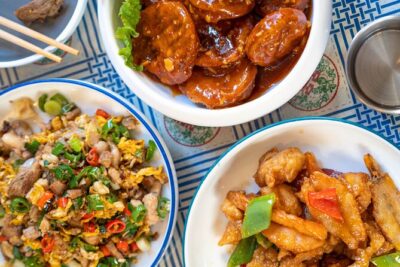 ★ 5.0Beijing Hutong Walking Food and Beer Tour at Hidden RestaurantsFrom $801,132 reviews
 ★ 4.7Temple Heaven, Summer Palace, Lama Temple, Hutong Bus TourFrom $58319 reviews
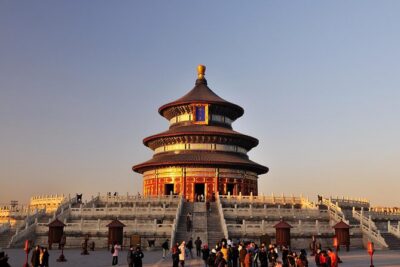 ★ 5.0Temple of Heaven, Summer Palace, Lama Temple, Hutong ToursFrom $99311 reviews
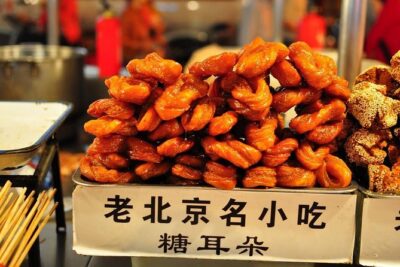 ★ 5.0Beijing Private Hutong Food Walking TourFrom $82299 reviews
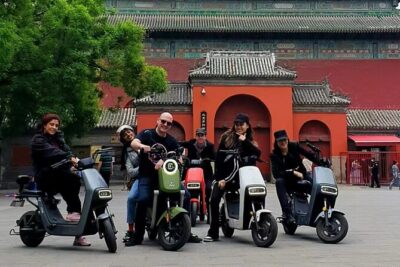 ★ 5.0The Hutong Experience by BikeFrom $150163 reviews
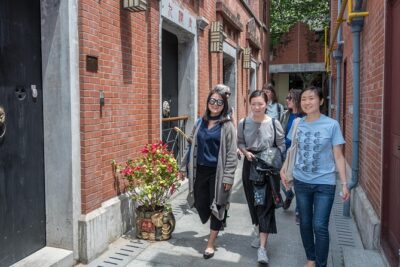 ★ 5.0Beijing Hutong Breakfast Food TourFrom $45155 reviews
 ★ 5.0Beijing City Walk: Explore Hutongs Life and Old BeijingFrom $15146 reviews
★ 5.0Beijing Hutong Breakfast Food TourFrom $55120 reviews
★ 5.0Beijing City Walk: Explore Hutongs Life and Old BeijingFrom $15146 reviews
★ 5.0Beijing Hutong Breakfast Food TourFrom $55120 reviews
Browse the lists this tour appears in