
Reviewed · PEKING DUCK & OLD BEIJING FOOD
3-Hour Private Night Tour: Beijing Foodie Experience
Beijing tastes best at night. This private 3-hour foodie experience takes you into Dongsi Hutong after dark, where you sample classic street snacks and sit-down dishes in a real neighborhood rhythm. I like that it’s private, so your guide can steer the evening based on your pace and preferences, and it also includes hotel pickup in many cases.
Two things I especially like are the sheer variety packed into just a few hours, and the way the guide links each bite to what it is and why locals order it. You get to try multiple styles of flavors, from lamb kabobs and savory fried pancakes to sweet and sour snacks like tanghulu. One consideration is that, like any walking-heavy food night, you should flag health issues or dietary limits early, since one past group noted they wished there had been more flexibility when someone couldn’t finish.
Key points
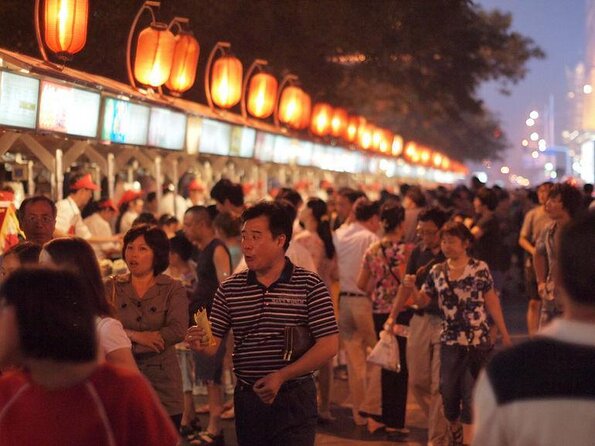
- Dongsi Hutong at night, with a guide who explains what you are actually eating
- Hotel lobby pickup in central areas, with a private guide handling the flow
- Multiple stops and multiple cuisines, including kabobs, Sichuan skewers, and Yunnan specialties
- Classic Beijing snacks, from tanjianbing and sesame cakes to baozi and Beijing jar yogurt
- Diet-friendly options, including a vegetarian option if you request it ahead
- Optional adventurous add-on: dish-fired bamboo worm at an extra cost
Dongsi Hutong at night: where food feels local
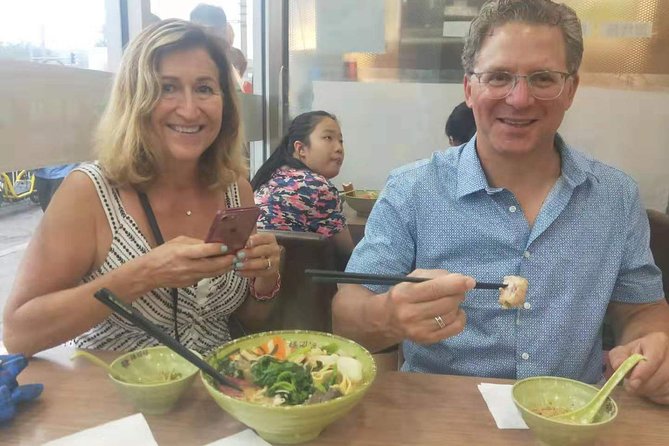
Dongsi Hutong is one of those Beijing neighborhoods where the streets do not feel staged for tourists. At night, the lanes get busy in a quieter, more human way than the big sights. That matters because this tour is really about tasting, not about racing from landmark to landmark.
Your evening starts in the city center, and you head into the hutong area with your guide. You’ll move between small eateries and street stalls, which is a big part of why this style of tour works. You get the street-food energy, but you are not left guessing what to order or when to order it.
Because it is private, you can set expectations right away. If you want to go slower, or if you know you will skip certain items, the guide can steer you through the plan.
A few more Beijing tours and experiences worth a look
The private guide system, plus hotel pickup that reduces stress
The mechanics are simple: your local guide meets you in your hotel lobby, and you start from there. If your hotel is inside the city area, pickup is free. If not, you should expect a transport fee from your hotel, plus another fee tied to getting into the Hutong area. The tour also mentions a taxi option at your expense and a private vehicle option if you select it.
This is one of those tours where being picked up helps more than you might think. On a food tour, you want your focus to be on eating, not on navigating. Having the guide handle timing and ordering also makes it easier to try things you might never choose alone, especially dishes like tanjianbing and the kabobs that come with side dishes.
Also, the tour uses a mobile ticket, so you are not scrambling for paper vouchers late in the day. It’s a small detail, but it keeps the evening smooth.
Stop 1 in Dongsi Hutong: your guide sets the tone
Your first stop is the Dongsi Hutong area. You are greeted by your gastronomic guide in your hotel lobby and then travel together toward the neighborhood. The tour notes that this is the historic-alley type experience, so the early part is about getting oriented.
This first hour is where the guide typically starts shaping what you will learn and eat. Expect talk about how the hutong neighborhood works and how people eat when they are not performing for a menu photo. It’s the setup that helps the later tastings click.
If you are the type who likes context, this is where you get it. If you just want food, you still benefit, because it helps you understand why certain items show up again and again.
Xinjiang Taste Restaurant: lamb kabobs, sides, and Erguotou
One of the main anchor stops is Xinjiang Taste Restaurant. This is where you get your first big wave of tastings, including 3-5 types of kabobs plus side dishes like eggplant, garlic, and leeks (and other sides depending on what is on offer that night).
The standout here is that you are not only tasting one skewer. You are sampling variety. Lamb kabobs are called out as a specialty, and the experience is built around comparing flavors and textures across different styles.
You also try tanjianbing later on, but the cabob stop is the moment that often makes people hungry fast. You get the savory, the smoky, and the aroma that pulls you from one bite to the next. If you are coming in expecting mostly sweets, this stop corrects that quickly.
Then there is the drinks moment. You try Erguotou, described as a traditional Chinese white liquor. This is a real Beijing night-food detail, not a token sip. If you do not drink alcohol, tell the guide upfront so you can swap or adjust. If you do drink, treat it like part of the tasting theme, not like something to chug.
The tanjianbing and street-snack stretch: savory meets sweet
Next you move along Zhangzizhong Street, where the tasting switches gears from kabob-focused to street-snack focused. This is the part of the tour that feels most like an evening stroll with food stops built in.
The headline item is tanjianbing, a pan-fried pancake favored by locals. It’s savory, hot, and designed for eating on the move. You’ll also see and taste a lineup of other classics such as sesame cakes, sweet dough, ma hua, and zongzi.
The tour also lists more recognizable Beijing bites you might not order on your own, including:
- baozi
- Beijing jar yogurt
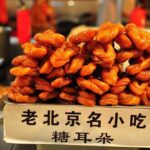
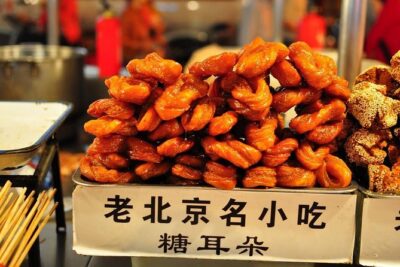
- tanghulu, made with crabapple
What I like about this stretch is that it balances textures. You are not only tasting fried items. You also get chewy, creamy, and syrupy bites, depending on what the stalls are offering.
Your guide will keep things organized as you hop between stands. And yes, some of these are the kinds of foods you might only find in the neighborhood lane style, not in a polished restaurant setting.
You can also read our reviews of more private tours in Beijing

Sichuan kabobs and drinks stop: a second round of skewers
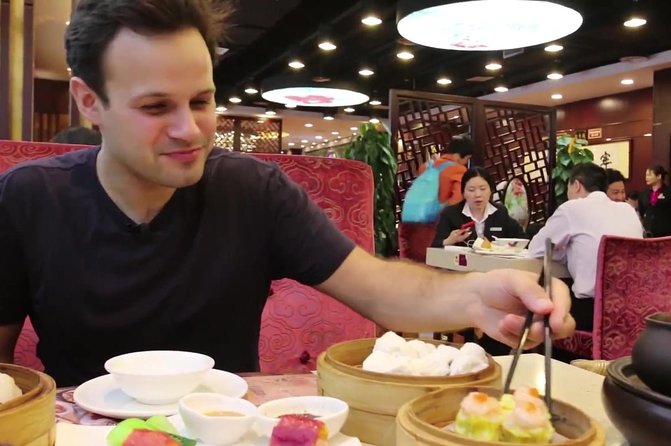
After the tanjianbing and sweets segment, you head to another stand where you try 5-12 Sichuan kabobs. That range matters, because it signals you will likely get multiple flavors rather than repeating the same one. Sichuan food often comes with a different kind of spice profile, so this can be a fun contrast after your earlier lamb kabobs.
You are also offered drinks during this part, including a peanut beverage or orange soda. This is a practical pairing. Between spicy skewers and fried pancakes, something sweet and cooling can reset your palate.
If spice is not your thing, tell your guide. You can still do this tour and enjoy it, but you want the plan to match your comfort level.
Yunnan cuisine restaurant: flower cake, plum liquor, and Cross Bridge noodles
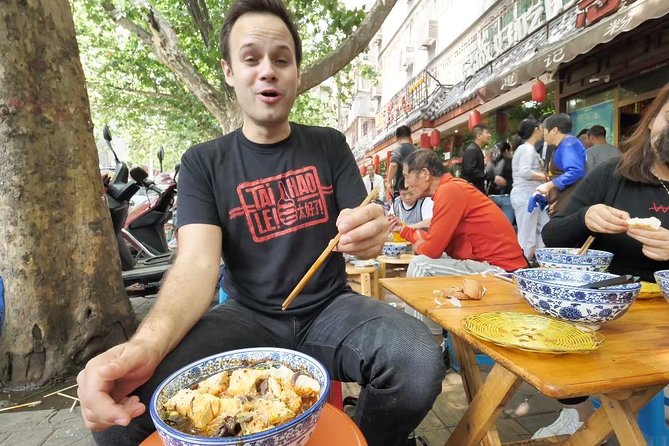
Then the evening shifts again to another regional cuisine: Yunnan Province. You’ll stop at a local restaurant and taste dishes that include:
- flower cakes
- cold cakes made of pea
- grilled bread covered by rice flower
- rice wine
- plum liquor
- Cross Bridge rice noodles
This is one of the reasons I recommend this tour to first-time Beijing visitors. A typical food trip might stick to one type of cuisine. Here, you get the chance to compare multiple regional flavors in one night.
One item to flag is that plum liquor is part of the tasting lineup, and the tour also notes rice wine. If you prefer non-alcohol tastings, ask about options at the start so you can plan your pacing.
There is also an optional extra for the adventure seekers: dish-fired bamboo worm, listed as an own-expense add-on. If you have been curious about bold foods, this is your moment. If you are not, you do not have to make it your entire identity.
The Beijing Snack Set finish: rice rolls, pea cake, millet porridge
Toward the end, the tour includes a local snack set. The details given include items such as:
- glutinous rice roll with sweet bean flour
- yellow pea cake
- steamed rice cakes with sweet stuffing
- seasoned millet porridge
- and more items in the set
This segment is a helpful “landing” after the heavier fried and skewered foods. Even if some bites are sweet, the snack set tends to add variety beyond just meat and fried dough.
It also keeps the ending flexible. The tour notes that you can opt to stay in the area or return to your hotel.
If you want to keep exploring on your own, your guide can help with directions or arranging a taxi back. The tour mentions possible interest in continuing toward the Wangfujing area, so you may get a practical route suggestion depending on where you end the tasting.
What you will eat, and why portions can surprise you
The most consistent theme from the experience design is that you should come hungry. You start with kabobs and sides, then move into tanjianbing and a wide street lineup, then do Sichuan skewers, then finish with Yunnan dishes and a snack set.
Even if you pick and choose, this tour is built around frequent small tastings, not just one or two meals. That adds up fast.
Two taste considerations to keep in mind:
- Alcohol is part of the plan (Erguotou, plus plum liquor and rice wine in the Yunnan stop). You can still enjoy the tour without drinking, but you should say so early.
- Some items are unusual by Western standards. The bamboo worm option is the clearest example. Also, if you are sensitive to very spicy foods, the Sichuan kabobs step is where you want to communicate clearly.
If you are worried about pacing, mention it when you meet the guide. Several guides have earned praise for keeping people comfortable and moving at the group’s pace. One past group even highlighted how a guide helped an elderly mother keep rhythm during the hutong walking.
Price and value: what $79.20 buys you in real terms
At $79.20 per person for a 3-hour private tour, you are paying for three things that matter on a night food crawl:
- A guide who handles ordering and timing
- Private flow through multiple stops, including street vendors and restaurants
- Hotel pickup in central areas, which saves you time and navigation stress
The included items are a private tour, a local guide, food tasting, and meeting in your hotel lobby. The tour also offers pickup for hotels in the city area free of charge.
Transportation is the main cost that can change your final budget. The tour specifies a fee of $5 per person for transport from your hotel to attractions, plus $5 per person for transport from your hotel to Hutong. It also notes travel by taxi (at your own expense) or public transport as an option, and a private vehicle option if selected.
So here’s the practical value math: if your hotel is in the central area and you do not get surprised by extra transport fees, this price can feel fair for the number of tastings and the private guide advantage. If you are outside the city area, transportation can add cost, and you should double-check those fees before you fall in love with the idea.
Group discounts are mentioned too, which can help the per-person number if you are traveling with friends.
Tips that make this tour easier and more fun
If you want the smoothest night possible, here are the practical moves that match what this tour is built to do:
- Tell the guide your diet needs up front. The tour states that the guide caters to dietary restrictions and that a vegetarian option is available if you request it at booking.
- Ask about alcohol preferences before you commit to tastings. Erguotou and other alcohols are part of the plan. You can still enjoy the food even if you skip the drinks.
- Be honest about your pace. This is a walking-through-neighborhood style evening. If you are slower or tired, communicate early so the guide can pace the route.
- Plan for a full belly. The tour can leave you quite full at the end. If you have an event afterward, schedule it with time to rest.
- Keep an open mind about “extra” adventurous items. Bamboo worm is optional and listed as own expense. If you want to try it, you can. If not, you should still get plenty of food.
Also, one past group noted a lack of contingency planning if someone could not finish due to illness. That’s not something you can fix as a visitor, but it’s a good reminder to take care of yourself earlier in the day and to tell your guide quickly if something feels off.
Should you book this Beijing foodie night tour?
Book it if you want an easy, guided way to eat Beijing-style food across multiple regions without guessing menus. This tour is a strong fit for first-time visitors, food lovers who enjoy street snacks, and anyone who likes the hutong vibe at night.
Skip it or reconsider if you have very strict food limitations that are hard to accommodate, or if you know you cannot do any walking on an evening schedule. Also, if you do not want alcohol anywhere near your dinner plan, you need to communicate that clearly at the start.
If you do book, go in with one goal: eat first, then let the guide explain what you’re tasting. That combo is where the whole night clicks.
FAQ
How long is the Beijing Foodie Experience tour?
The tour lasts about 3 hours.
What food is included on the tour?
The tasting includes multiple stops and a range of dishes such as lamb kabobs (3-5 types), tanjianbing, sesame cakes, zongzi, baozi, Beijing jar yogurt, tanghulu, Sichuan kabobs, Yunnan dishes like flower cake and Cross Bridge rice noodles, and a Beijing snack set that includes items like glutinous rice rolls, yellow pea cake, steamed rice cakes, and millet porridge. An optional dish-fired bamboo worm is available for an extra cost.
Is hotel pickup included?
Yes, pickup is offered, and if your hotel is inside the city, pickup is free. Your guide meets you at your hotel lobby.
Are vegetarian options available?
Yes. The tour notes that a vegetarian option is available, and you should advise dietary requirements at booking.
What are the transportation costs?
Transportation from your hotel to attractions is listed as $5 per person, and there is also a transport fee from your hotel to the Hutong area of $5 per person. The tour also mentions taxi or public transport (own expense) and an option to include private transport.
What is the cancellation policy?
You can cancel for free up to 24 hours in advance for a full refund. If you cancel less than 24 hours before the experience starts, the amount paid is not refunded.
More Food Experiences in Beijing
More Tours in Beijing
More Tour Reviews in Beijing
Not for you? Here's more nearby things to do in Beijing we have reviewed

Peking Duck & Old Beijing Food, compared.
 ★ 5.0Beijing Hutong Walking Food and Beer Tour at Hidden RestaurantsFrom $801,132 reviews
 ★ 5.0Temple Heaven, Lama Temple, Summer Palace & Peking Duck Bus TourFrom $56377 reviews
 ★ 5.0Old Beijing Dinner TourFrom $75348 reviews
 ★ 4.9Hidden Gems Guided Food Tour with Beer and TastingsFrom $75306 reviews
 ★ 5.0Beijing Private Hutong Food Walking TourFrom $82299 reviews
 ★ 5.0Hutong Culinary Walking Tour with 15+ TastingsFrom $76162 reviews
 ★ 5.0Beijing Hutong Breakfast Food TourFrom $45155 reviews
★ 5.0Beijing Hutong Breakfast Food TourFrom $55120 reviews
★ 5.0Beijing Hutong Breakfast Food TourFrom $45155 reviews
★ 5.0Beijing Hutong Breakfast Food TourFrom $55120 reviews
Browse the lists this tour appears in