
Courtyards, watchtowers, late-night lights.
Choose the Wall section before the car, the palace route before the ticket, and the duck house before dinner. These field-tested reviews turn Beijing’s distances into days that actually fit together.
The first seven to pin down.
Start with a Wall day, an imperial-city guide and one evening worth staying out for. These picks earn their place through strong traveller feedback, clear logistics and a sense of Beijing beyond the coach window.
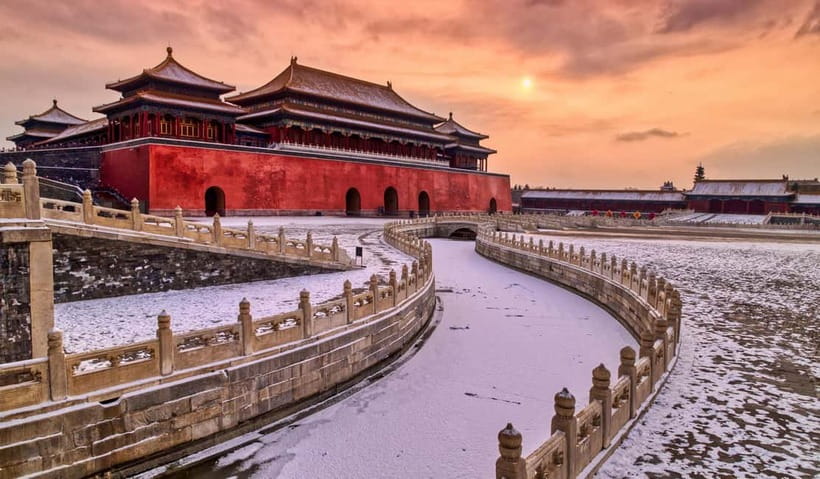
T-Square & Forbidden City Group or Private Tour
Guided Tiananmen Square and Forbidden City tours with reserved entry, multilingual guides, and flexible group or private options from $17.
From $17 per person
Read the review →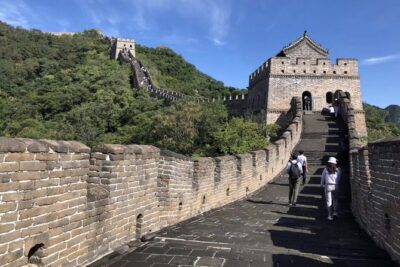 ★ 5.0Traveller favouriteMutianyu Great Wall Daily Tour with Ticket & LunchFrom $183,056 reviews
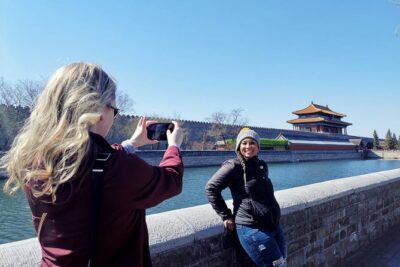 ★ 5.0Books out fastAll-Inclusive Tour: Tiananmen Square, Forbidden City, Great WallFrom $1282,873 reviews
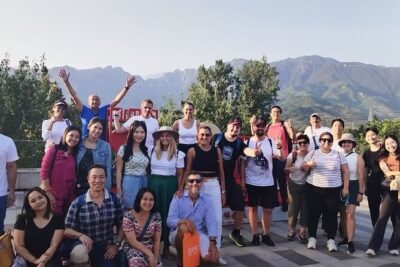 ★ 5.0Crowd favouriteMuBus: Mutianyu Great Wall ENG/ESP/RUS Guided Bus TourFrom $202,361 reviews
 ★ 5.0Worth the early start4-Hour Small Group Tour to Forbidden City with Entry TicketsFrom $151,863 reviews
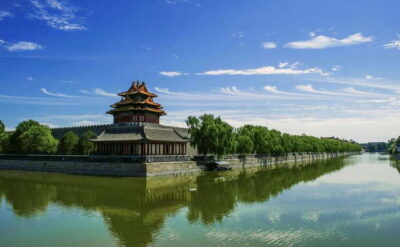 ★ 4.5Easy winTiananmen Square Registration Service(Ticket)From $31,704 reviews
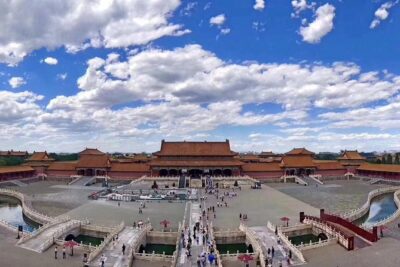 ★ 5.0Guide-ledBeijing Full Day Tours: Tiananmen Sq, Forbidden City, Great WallFrom $991,634 reviews
Climb beyond the last ring road.
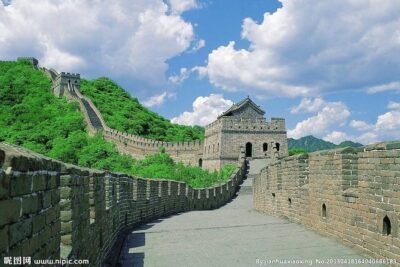
Mutianyu rewards an early departure: stone steps before the groups arrive, green ridges folding behind the towers, then a cable car or toboggan for the steepest part. It is the cleanest first Wall day, but not the only one.
Choose your Wall day.
Restored steps at Mutianyu, a proper ridge hike at Jinshanling, or Simatai above Gubei after the lanterns come on. The section decides the pace, scenery and time in the car, so make that choice first.
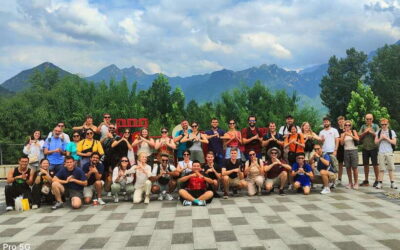 Restored towers and easy access
For a first Wall day
8 - 10 hours · from $19 · 9,216 reviews
Mutianyu combines long restored ramparts with cable-car access and enough branching paths to escape the busiest towers. It suits families, first visits and anyone who wants the scenery without a technical hike.
Compare Mutianyu days →
Restored towers and easy access
For a first Wall day
8 - 10 hours · from $19 · 9,216 reviews
Mutianyu combines long restored ramparts with cable-car access and enough branching paths to escape the busiest towers. It suits families, first visits and anyone who wants the scenery without a technical hike.
Compare Mutianyu days →
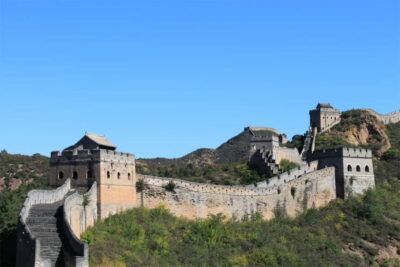 Long ridges and rough stone
For the serious walk
9 hours · from $52 · 667 reviews
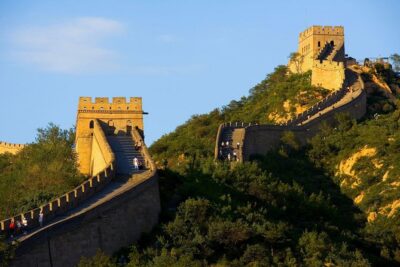
Jinshanling trades convenience for distance, weathered towers and open views. Expect uneven steps, less shade and a rewarding ridge line that feels far removed from the city.
Compare Jinshanling hikes →
Long ridges and rough stone
For the serious walk
9 hours · from $52 · 667 reviews
Jinshanling trades convenience for distance, weathered towers and open views. Expect uneven steps, less shade and a rewarding ridge line that feels far removed from the city.
Compare Jinshanling hikes →
 Late light and a water town
For an evening finish
from $160 · 307 reviews
Simatai rises directly above Gubei Water Town, making it possible to pair a steep Wall climb with canals and lantern-lit lanes. It is the natural choice for travellers who prefer a later start.
Compare Simatai trips →
Late light and a water town
For an evening finish
from $160 · 307 reviews
Simatai rises directly above Gubei Water Town, making it possible to pair a steep Wall climb with canals and lantern-lit lanes. It is the natural choice for travellers who prefer a later start.
Compare Simatai trips →
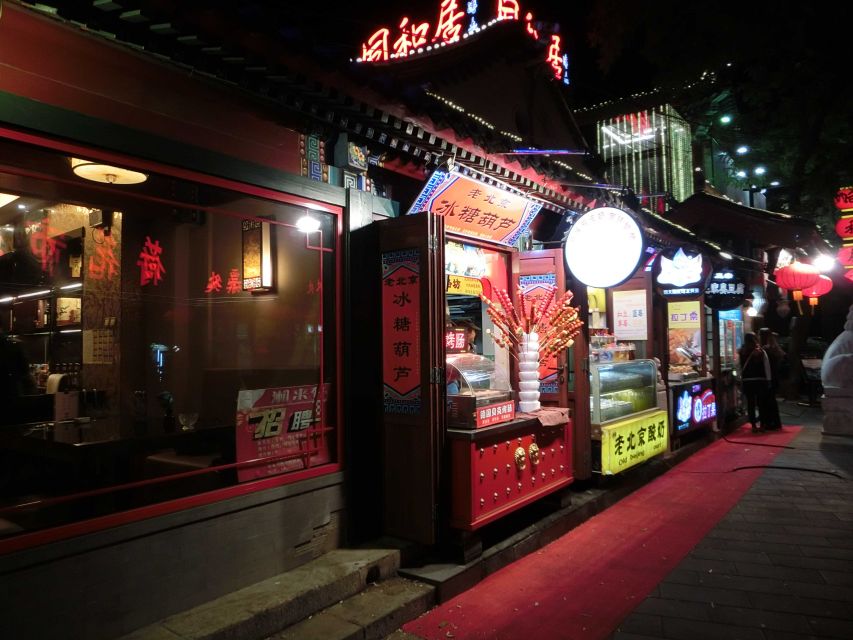
When the gates close, the curtain rises.
Acrobatics, painted opera faces, kung fu and a slow loop past the illuminated central axis all belong after the museum tickets are finished. Keep one evening planned and another open for the hutongs.
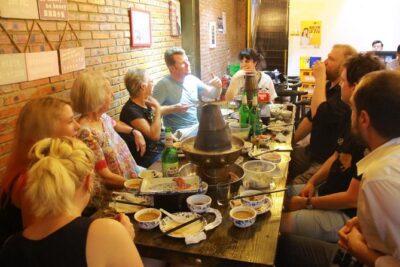
Pancakes, pepper and a proper carve.
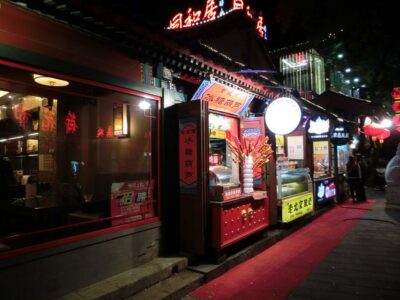
A good food tour puts crisp duck skin beside breakfast stalls, dumpling kitchens and flavours that never appear on a hotel buffet. Come hungry and let the neighbourhood set the menu.
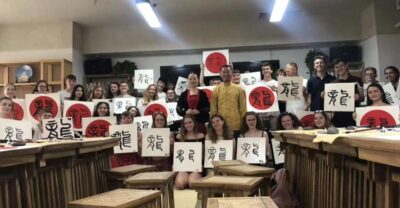
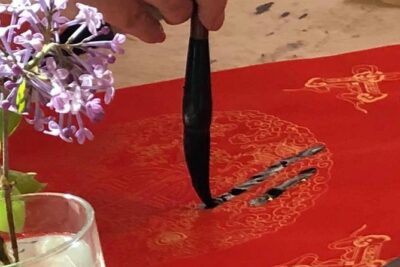
A quieter hour, made by hand.
Slow the itinerary for brushwork, folded dumplings or a measured tea session. These small-group workshops trade the megasights for patient teachers and a skill you can carry home.

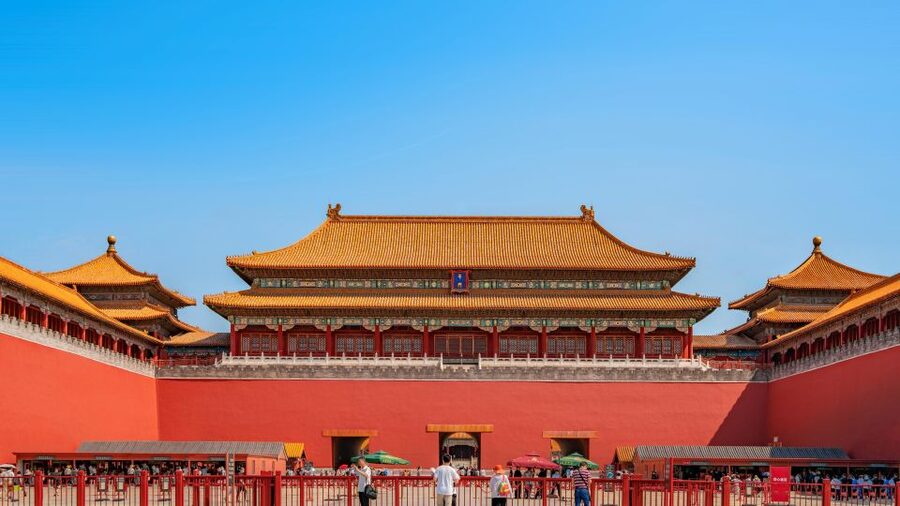
The city was built on an axis.
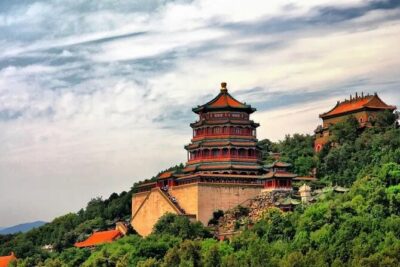
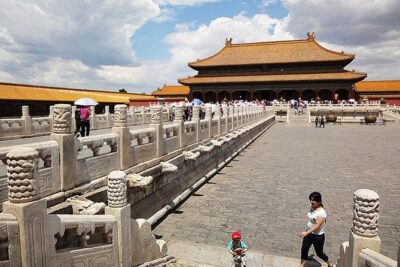
Tiananmen, the Forbidden City, Jingshan and the drum towers line up for a reason. A strong guide turns monumental courtyards into a readable story, then gives the Summer Palace and Temple of Heaven room to breathe.
Build the city by compass point.
Beijing is too large for random pin-hopping. Group the imperial axis, lake gardens, northeast temples and old lanes into days with short transfers and enough time on foot.

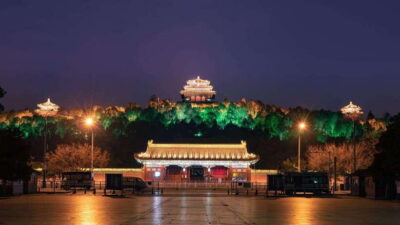

How do you want to meet Beijing?
Walk the central lanes, hike a ruined ridge, book a driver, join a kitchen or take a seat for the evening show. Start with the shape of the day, then compare the best-reviewed options.

Beyond the ring roads.
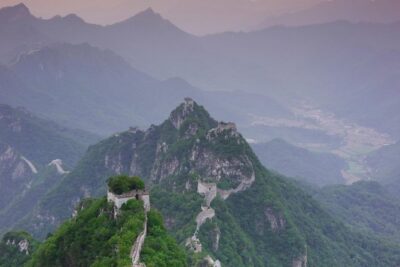
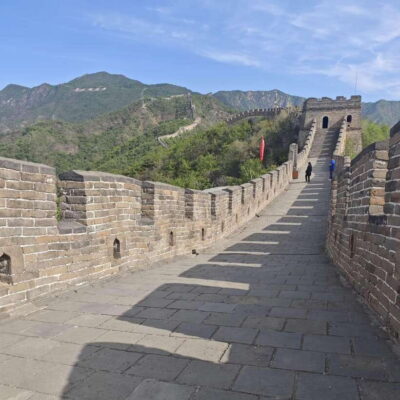
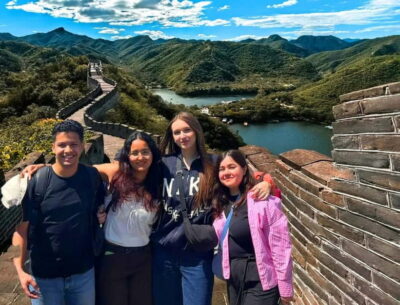
The Wall grows rougher, the valleys quieter and the drive longer. Jinshanling, Simatai and the Ming Tombs repay a full day that is paced around the landscape, not a city checklist.
Three days, one clear rhythm.
Keep the imperial core together, give the Wall its own day, then slow down for temples and hutongs. That sequence covers the essentials without turning every hour into a transfer.
 Day 1
Down the central axis
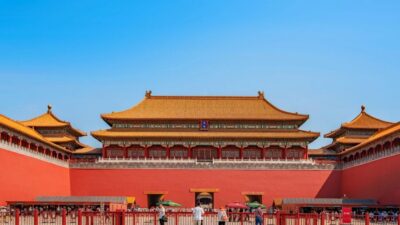
Begin at Tiananmen, cross the Forbidden City and finish on Jingshan with the palace roofs below. Keep the evening close for a deliberate duck dinner.
Plan day one →
Day 2
Up to the wall
Leave early for Mutianyu, choose the cable car or steps, and walk beyond the first cluster of towers. Return with enough time for an acrobatics performance.
Plan day two →
Day 1
Down the central axis
Begin at Tiananmen, cross the Forbidden City and finish on Jingshan with the palace roofs below. Keep the evening close for a deliberate duck dinner.
Plan day one →
Day 2
Up to the wall
Leave early for Mutianyu, choose the cable car or steps, and walk beyond the first cluster of towers. Return with enough time for an acrobatics performance.
Plan day two →
 Day 3
Slow through the lanes
See the Temple of Heaven while the park is active, then trade monuments for hutong courtyards, a workshop and a neighbourhood meal.
Plan day three →
Day 3
Slow through the lanes
See the Temple of Heaven while the park is active, then trade monuments for hutong courtyards, a workshop and a neighbourhood meal.
Plan day three →
Latest Beijing tour reviews.
 ★ 5.0Private Tianjin Port Departure Transfer from Beijing by Bullet Train ExperienceFrom $1783 reviews
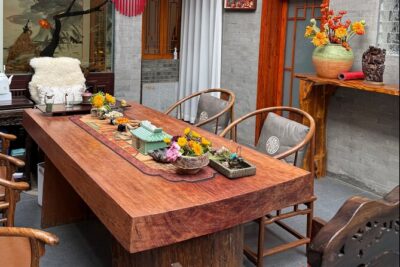 ★ 5.0Dumpling Cooking Class and Local Market TourFrom $803 reviews
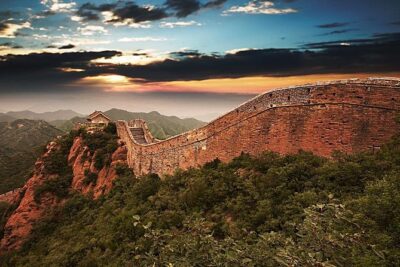 ★ 5.0Sunset Private Tour at Jinshanling Great WallFrom $2363 reviews
 ★ 5.0Beijing Walking Tour of Forbidden CityFrom $1003 reviews
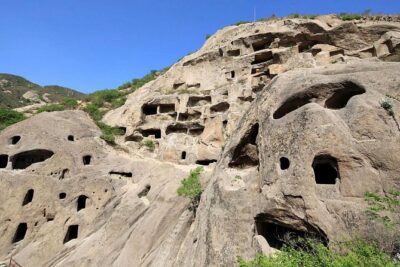 ★ 5.0Private Longqing Gorge & Guyaju Cave Day Tour w/ Cruise RideFrom $1983 reviews
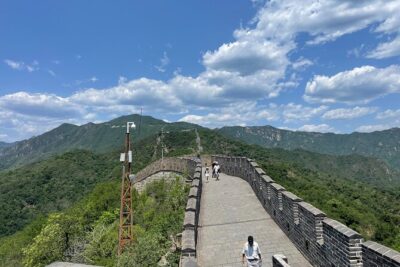 ★ 5.0Private Day Tour: Mutianyu Great Wall and The Summpr Palace.From $1683 reviews
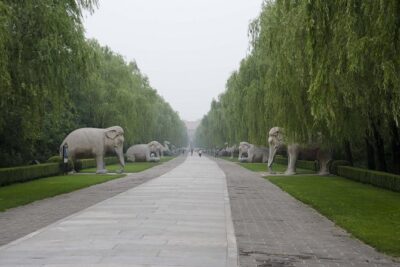 ★ 5.0Private Day Tour of Juyongguan Great Wall and Sacred Way from BeijingFrom $1653 reviews
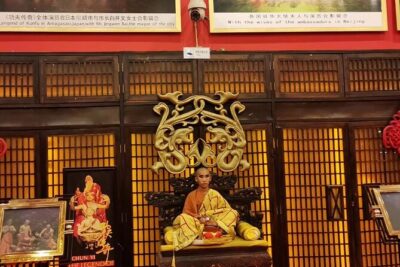 ★ 5.0Beijing Legend of Kungfu Show TicketFrom $403 reviews