
Reviewed · BEIJING HUTONG & COURTYARD WALKS
Discover Old Beijing: Hutong Walking Tour & Calligraphy
Old Beijing hits different when you walk it. This 3.5-hour hutong walk mixes downtown landmarks with neighborhood stories, plus a hands-on Chinese calligraphy moment you take home. The biggest thing to watch for is pacing, it is a full walking itinerary, so you will want comfortable shoes and a timely arrival.
I like how the tour builds understanding, not just photos. You get guided stops that explain how the city changed, with practical context for Beijing’s “old meets new” reality, and you also get snack breaks along the way. One possible drawback is that if you expect a tip-only free walk, the $25 price may feel surprising even though the tour includes more than a basic street stroll.
Key Hutong Walking Tour Highlights You Will Actually Use
- Courtyard visit in a real hutong home area, a short stop that adds real texture to the neighborhood.
- Calligraphy workshop where you create your own artwork and can take it home.
- Downtown-to-local route that connects big-city landmarks with daily life in older residential streets.
- Snack breaks with local street food and drinks on a walking-friendly schedule.
- Storytelling from the guide that focuses on how people lived, survived, and adapted in older areas.
- Friendly group energy where you can meet fellow travelers and swap “what did you see” tips.
Why This 3.5 Hour Hutong Tour Fits First-Time Beijing
Beijing can feel like two cities at once. You have the official monuments and wide boulevards, and then you have the older hutong lanes where life runs on a smaller scale. This tour is designed to connect both, so you get the contrast without needing to plan three separate days.
You will walk through classic downtown spots and then shift into hutong lanes where the details matter, alley width, courtyard layout, doorways, and the everyday rhythm around you. The best part is that the guide’s stories give you a way to interpret what you are seeing, not just the names. In my view, that is what turns sightseeing into understanding.
The itinerary also builds in hands-on time. The calligraphy stop is not a passive demonstration. You create something yourself, and that makes the whole experience stick in your memory long after the photos fade.
You can also read our reviews of more walking tours in Beijing

Getting There: Hufangqiao Metro to Huguang Guild Opera (No Map Panic)
Your meeting point is at 北京湖广会馆 (Huguang Guild Opera Theatre area), and the easiest public transit option is Hufangqiao Metro Station, Line 7, Exit D (South-West Exit). When you exit, walk straight to the main road, turn right, and head about 60 meters east to the green space near the intersection.
Two details make this smoother:
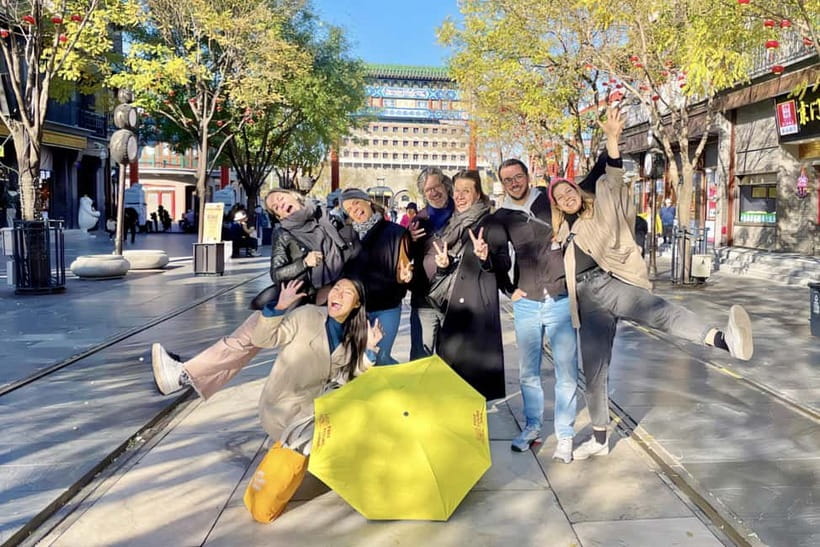
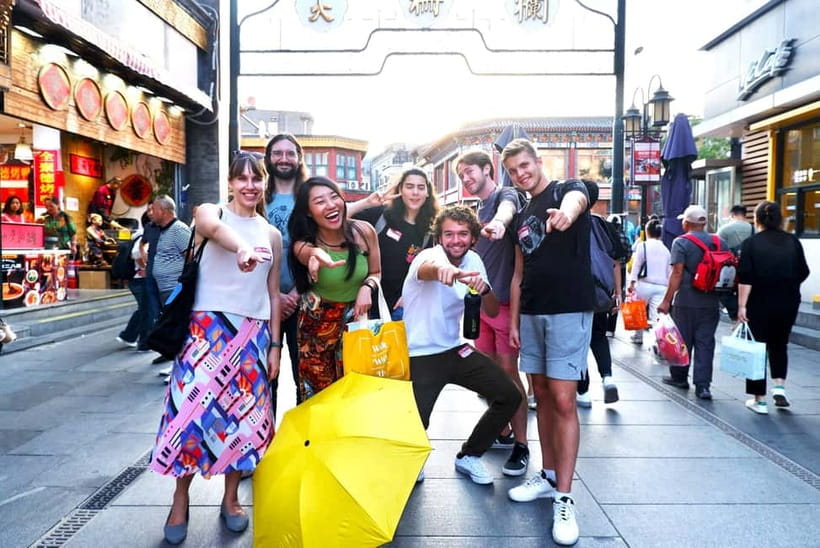
- Look for the YELLOW umbrella in that green space.
- Do not rely on Google Maps in China. Use the written directions instead, because the pin can be wrong.
Timing matters here. Plan to arrive 5 to 10 minutes early because the metro station is large and Beijing traffic can slow everything down. The guide will wait up to 20 minutes at the meeting point for late arrivals, but after that the tour cannot be delayed.
If you are using a taxi, the address reference is the corner of Hufang Road and Luomashi Avenue, near the Huguang Guild Opera Theatre.
Start With the Huguang Guild Opera Theatre Area, Then Learn How Hutongs Worked
The tour kicks off at the Huguang Guild Opera Theatre, with a guided introduction of about 30 minutes. This is a good start because it sets context. Hutongs were not random back alleys, they were part of an organized neighborhood system where courtyards and lanes shaped daily life.
Then you shift into Beijing hutongs for another guided block. This part is about more than pointing. You will get local-style storytelling about how people “survived” and adapted in older neighborhoods as the city transformed around them. That phrase shows up for a reason. Beijing has seen serious changes over the decades, and hutongs were one of the places where those pressures played out in real life.
If you want to understand why the city feels so layered, this segment does that work early. You will start seeing the hutong pattern instead of just admiring the walls.
Courtyard Stop That Adds Texture to the Whole Walk
One stop is specifically described as a secret courtyard visit with about 20 minutes inside. This is the kind of pause that makes the entire tour feel more personal. A courtyard is where you can understand how space works in a traditional hutong setting, and why these neighborhoods have their own logic.
What you should expect here:
- A short visit designed for learning and photos
- A shift from busy street viewing to quieter, more intimate neighborhood perspective
- Time to reset your senses before the tour continues through older commercial streets
The main consideration is simple: courtyard visits are time-limited. You will have a moment to look closely, but you cannot treat it like an open-ended museum stop. If you like slow, linger-and-wander travel, this tour still works, you just need to accept the pace.
Yangmeizhu Byway and Daguanlou Cinema: Streets With Character
After the hutong segments, the route moves into a section called Yangmeizhu Byway, guided for about 30 minutes. This is where the tour balances everyday neighborhood life with the “downtown Beijing” feel. You also get the kind of urban texture that helps you understand how older areas support daily needs.
Then you head to Daguanlou Cinema for around 20 minutes. This stop is interesting because it anchors culture in a specific venue, not just a general idea of entertainment. The tour frames it in the broader story of how Beijing’s culture has evolved. If you are a first-time visitor, this is a smart way to add depth without turning the day into a lecture.
Along the route, you will also see other key downtown elements listed as part of the experience, such as an antique shopping street, a narrow hutong in Beijing, and outside views connected to major landmarks. The exact moments can vary with crowd flow, but the theme stays consistent: you connect a famous Beijing address to the smaller human scale around it.
If you care about photos, this is where you will get them. The route includes guided stops at photo-friendly street moments, and you are not left figuring it out alone.




Dashilan Residential District and Qianmen Street for the Big-City Feel
Next comes Dashilan Residential District for about 30 minutes. This part keeps the walk grounded in lived-in spaces. It is not just “old buildings.” It is older residential texture, street layout, and the feel of how people navigate the neighborhood.
Then you finish with Qianmen Street for about 40 minutes. Qianmen is where you notice the wider public-facing side of Beijing. The tour uses it as a contrast point so you can feel what changes when the city shifts from everyday residential rhythm to a more tourist-visible commercial street.
If you have only half a day and you want both sides of Beijing, this ending makes sense. You get time to stroll and absorb before you break away for dinner.
The Calligraphy Workshop: Why This Is More Than a Souvenir
The calligraphy experience is one of the tour’s central draws. You create your own Chinese calligraphy artwork and can take it home as a personal memory. That matters because it is an activity, not just an observation.
Here is what makes it valuable for real travelers:
- You engage with Chinese writing through doing, not just watching
- You leave with a tangible item that reminds you of the day
- It gives your brain a break from nonstop visual input while still being culturally tied to Beijing
This kind of stop is also great if your group includes different interests. Someone who loves architecture still gets hutong context, and someone who prefers hands-on activities gets a workshop moment that feels personal.
The main drawback to note is that your time is limited by the overall 3.5-hour schedule. If you are hoping for a slow, extended art session, this is more of a guided introduction with a finished take-home result, not a multi-hour class.
Snacks and Local Stops: The Part You Will Thank Yourself For
The tour includes snack breaks, described as local street food and drinks along the way. There is also a hutong street market snack moment. For walking tours, this is not a small detail. Beijing’s walking heat can get intense, and having planned food stops helps you avoid the trap of hunting for food while the day is moving.
I also like that the snack breaks fit the route rhythm. They are not random detours that blow up your schedule. It feels built into the day’s flow.
If you have dietary needs, the only practical advice I can give from the info here is to ask the guide on the spot or confirm ahead of time. The details of specific dishes are not provided in the materials you shared, so do not assume every snack fits your preferences.
Value Check: Is $25 Worth It in Beijing?
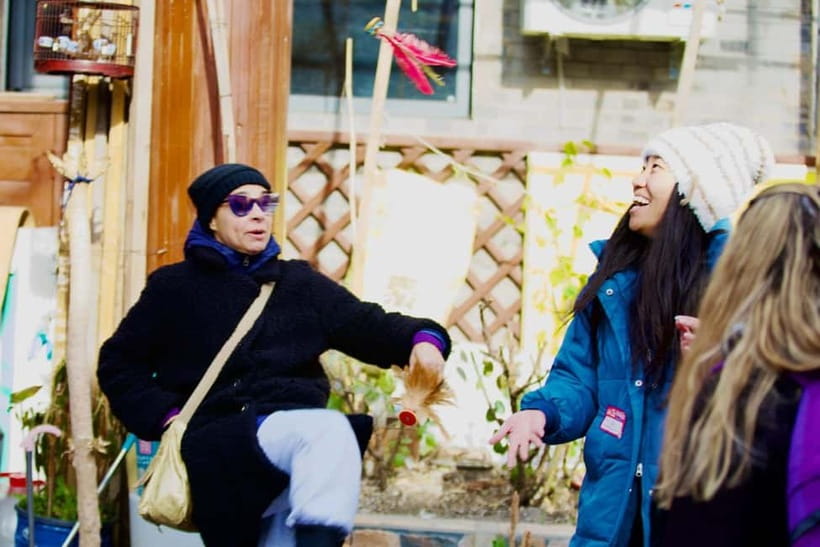
At $25 per person and 3.5 hours, this tour sits in the mid-range for a walking experience that includes active learning. It is not just a guide pointing at streets. You get:
- A local English-speaking guide
- Welcome gifts and a China Survival Guide
- Snack breaks
- A calligraphy workshop with a take-home artwork
One review detail is worth addressing honestly. Some people expect a tip-based feel when they see it described like a free walking tour style. If you are coming in with that mindset, the fixed $25 price can feel off. My take is that you should read the value as “guided plus workshop plus snacks,” not as “quick orientation for tips only.”
Also, check what you care about most. If you mainly want a list of landmark photos, you might find a cheaper self-guided route. If you want the hutong story plus calligraphy plus food breaks, $25 starts to look fair.
With an overall rating of 4.3 from 24 reviews, the demand is there and the format seems to work for a lot of visitors. Still, the best way to judge value is matching the tour to your interests.
Guide Styles That Matter: Carrie and Shery as Examples
What makes this tour feel effective is the guide’s storytelling style. One guide, Carrie, is noted for explaining the past, present, and future planning of hutongs. That is a strong approach because it helps you understand Beijing as a living system, not a frozen postcard.
Another guide, Shery, is highlighted as being very friendly while explaining the tour. Friendly matters, because a walking day can get awkward if the group is quiet or if language barriers appear.
If you are choosing this tour, you are not just buying time on the street. You are buying a human translator of context.
Who Should Book This Hutong Walk (And Who Might Skip It)
This tour is a good fit if you:
- Are in Beijing for the first time and want both downtown landmarks and hutong life
- Like guided storytelling and want context for what you are seeing
- Want a hands-on cultural activity, not just museum time
- Enjoy meeting other travelers during structured city time
You might think twice if you:
- Hate walking long distances, the day is designed as a continuous walk
- Want a very slow, unstructured experience with lots of free time
- Are extremely price-sensitive and only want a tip-only style format
Should You Book Discover Old Beijing: Hutong Walking Tour and Calligraphy?
Book it if you want one day that connects street-level Beijing to big-picture change, and you want a calligraphy keepsake that makes the experience feel personal. The combination of a hutong courtyard stop, snack breaks, and a real workshop is what makes it more than a standard sightseeing loop.
Skip or compare if you only care about ticking off major landmarks and you do not want an activity. In that case, you might get similar views with less cost and more flexibility.
If you do book, do two things: bring comfortable shoes, and arrive early to catch the start at Huguang Guild Opera. Once you are in the group, the tour’s structure is what carries you through, and that is exactly what you want on a tight Beijing schedule.
FAQ
How long is the Hutong Walking Tour and Calligraphy?
The tour lasts about 3.5 hours.
What language is the tour guide?
The tour is guided in English by a local English-speaking guide.
Where do I meet the tour group?
Meet at 北京湖广会馆 near Hufangqiao Metro Station (Line 7), Exit D. After exiting, walk to the main road, turn right, and go about 60 meters east to the green space at the intersection. Look for the YELLOW umbrella.
What is included in the price?
The tour includes a local English-speaking guide, welcome gifts and a China Survival Guide, snack breaks with local street food and drinks, and a calligraphy experience where you create artwork to take home.
What is the cancellation policy?
You can cancel up to 24 hours in advance for a full refund.
What if I arrive late?
Plan to arrive 5 to 10 minutes early. The guide will wait up to 20 minutes at the meeting point, but late arrivals can miss the start since the tour cannot be delayed.
More Walking Tours in Beijing


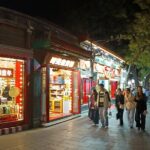
More Tours in Beijing
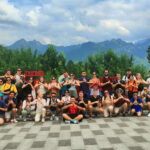


More Tour Reviews in Beijing
Not for you? Here's more nearby things to do in Beijing we have reviewed







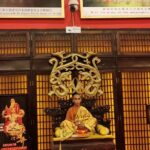


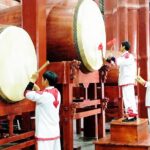
Beijing Hutong & Courtyard Walks, compared.
 ★ 5.0Beijing Hutong Walking Food and Beer Tour at Hidden RestaurantsFrom $801,132 reviews
 ★ 4.7Temple Heaven, Summer Palace, Lama Temple, Hutong Bus TourFrom $58319 reviews
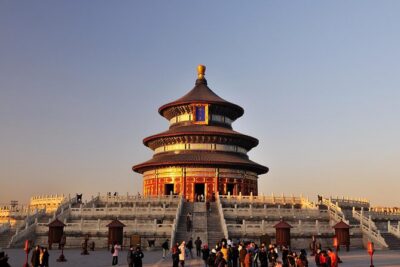 ★ 5.0Temple of Heaven, Summer Palace, Lama Temple, Hutong ToursFrom $99311 reviews
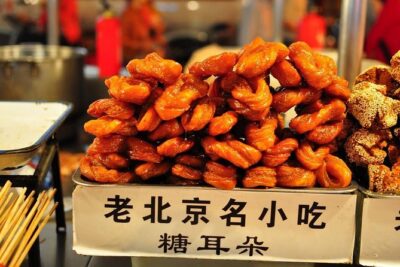 ★ 5.0Beijing Private Hutong Food Walking TourFrom $82299 reviews
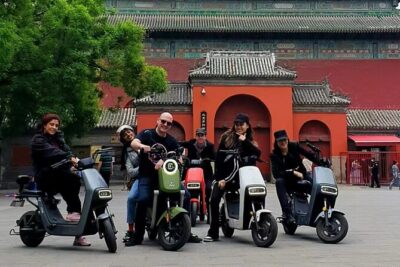 ★ 5.0The Hutong Experience by BikeFrom $150163 reviews
 ★ 5.0Hutong Culinary Walking Tour with 15+ TastingsFrom $76162 reviews
 ★ 5.0Beijing Hutong Breakfast Food TourFrom $45155 reviews
 ★ 5.0Beijing City Walk: Explore Hutongs Life and Old BeijingFrom $15146 reviews
Browse the lists this tour appears in