
Reviewed · COOKING CLASSES
China’s Favourite Street Food Cooking Workshop
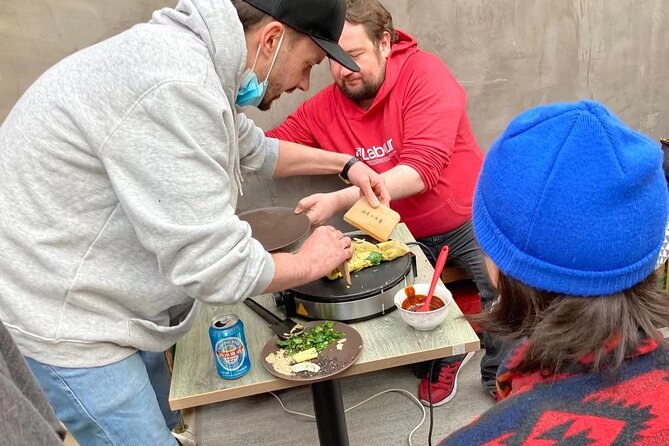
Jian bing gets personal in this Beijing workshop. It is a private hands-on class focused on jian bing, Beijing’s famous street food, with an instructor guiding you from batter basics to your own flavor choices. You start in a hutong area near public transport, then finish back where you began.
I like that you get real instruction, not just watching. The best part for me is hands-on pan cooking, where you learn technique and not just assembly, plus a big spread of fillings so you can go traditional or playful.
The only real drawback to consider is the $80 price for a class that runs about 1.5 hours. If you are traveling solo and you expect a long cooking course, it may feel short.
Key highlights to look for
- A private group setup where your instructor can give direct attention to your questions
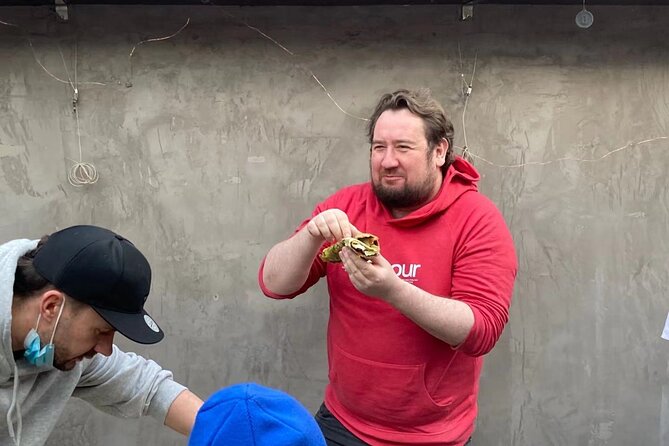
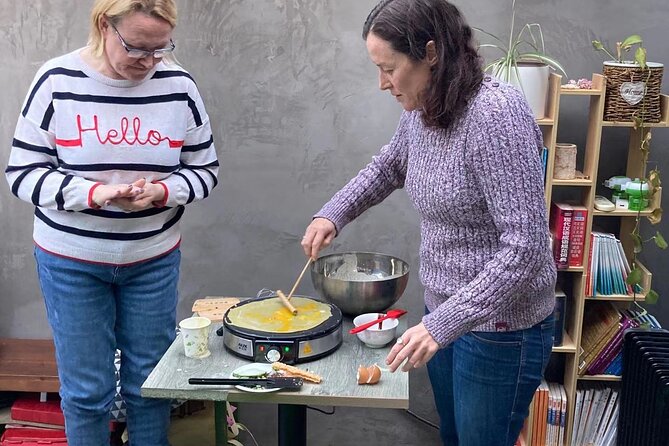
- Hands-on jian bing making, including batter work and cooking on the pan
- Flavor control with multiple fillings and options, from savory to sweet
- Dom’s storytelling approach, including an entertaining explanation of jian bing origins
- Food-forward payoff, with enough output that you leave satisfied, often full
Beijing Jian Bing Workshop, Hutong Location, and What You’ll Make
Beijing jian bing is one of those foods that feels like it belongs on every corner, even if you are miles from the carts. In this workshop, you learn why people love it, then you make your own version with guidance you can actually use. The class is built around the idea that you should walk away able to repeat the process, not just collect a souvenir plate.
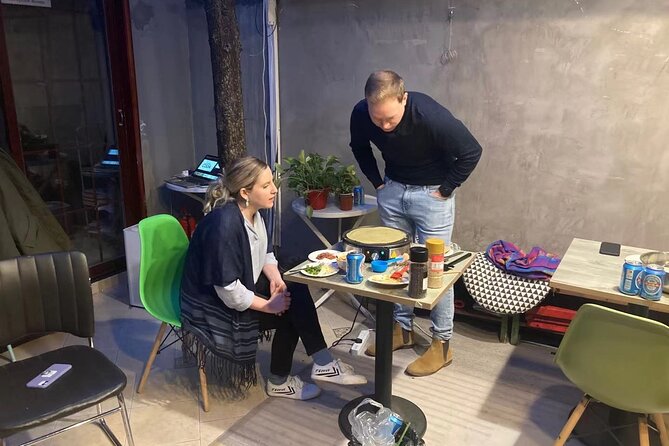
The hutong meeting area matters because it sets the tone. You are starting in a lived-in neighborhood, and that helps you connect the food to place, not to a menu. The workshop starts at 10 Shi Que Hu Tong, Dongcheng District and ends back at the same meeting point.
If you are a foodie, you will like the structure. You do not jump straight to eating. You first get context, then you make the batter, then you cook, then you customize. That order keeps it fun and stops it from feeling like a cooking demo that runs past you too fast.
You can also read our reviews of more food & drink experiences in Beijing
Meeting at 10 Shi Que Hu Tong: Getting There Without Stress
You start at 10 Shi Que Hu Tong, Dongcheng Qu, Beijing 100010. From the practical side, it is listed as near public transportation, which is important in a city as big as Beijing. You also get a mobile ticket, which cuts down on the usual I-hope-I-have-the-right-paperwork feeling.
Because it is a private activity for just your group, timing matters. Aim to arrive a few minutes early so you can settle in, meet your instructor, and get started on time. If you show up late, you can lose the smooth pacing that makes the 1.5 hours feel worthwhile.
Also, keep expectations realistic. You are not touring multiple neighborhoods in a day. You are focusing on one place and one skill, so you get a tight experience instead of a schedule that whipsaws you around the city.
The 1.5 Hour Workshop Flow: From Origins to Your First Jian Bing
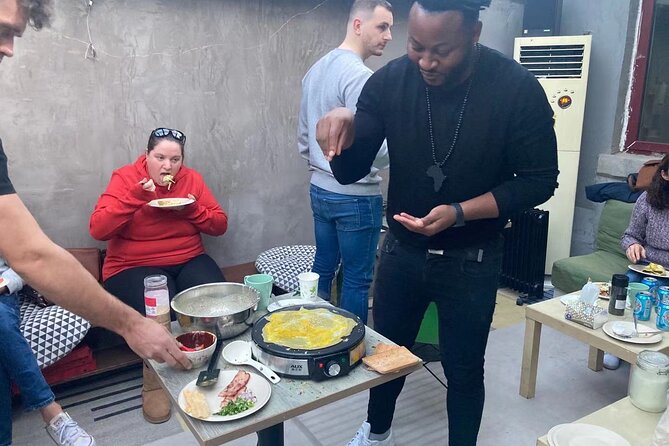
The class follows a simple path, and that is why it works. You begin by learning where this beloved Beijing street food comes from, with an entertaining explanation from the instructor. Then you move into making your own creations step by step.
A key detail I like: the instruction is designed around you cooking. In sessions like this, the most memorable moment is when you realize you can handle the batter and get it onto the pan properly. One review notes that participants made the dough and cooked on the pan themselves, and that is exactly the difference between a lecture and a real skill lesson.
What you can expect, in plain terms:
1) Instructor shows the technique and the logic behind it
2) You practice and make your own jian bing
3) You adjust based on your taste and preferred filling combinations
4) You keep going until you feel confident with the process
The workshop description leans into becoming legendary jian bing chefs. You should expect that playful tone, not a stuffy class. Reviews also describe it as a fun activity that works for families, so the pacing usually stays friendly and hands-on.
Fillings and Flavor Options: Traditional Savory to Chocolate Banana
Here is where this class earns its keep. Jian bing is built to flex, and you get to try different flavors and fillings. The workshop promises an assortment that includes traditional savory options and also sweet choices, including chocolate and banana.
That sweet option is a big deal for visitors who only think of jian bing as savory. It turns the class into a tasting journey where you can compare combos and find what fits your palate. If you are traveling with kids or picky eaters, sweet fillings can make participation easier without changing the core technique.
The practical benefit is you learn how fillings interact with the base, not just what to put inside. You start thinking like a maker. Where you place fillings, how much you use, and what happens when it meets the hot pan all become part of your muscle memory.
And because it is private, you are more likely to get help when something does not work on the first try. Reviews mention personalized support when needed, which is exactly what you want in a hands-on cooking session.
Why the Instructor Matters: Dom, Stories, and On-the-Spot Help
You are not just buying a recipe. You are hiring an instructor who can explain technique in a way that sticks. One review highlights Dom giving both history and a more entertaining story style, then stepping in to help whenever needed. That blend of context and hands-on coaching is why people keep recommending this experience.
Dom’s approach also shows up in the practical parts. You do not feel pushed out or left to guess. The workshop is paced for learning, and you are encouraged to try, correct, and try again. Reviews also mention people making multiple jian bing, including the dough and cooking on the pan, which implies you get real time on task.
If you care about taking something home, that is another plus. A review notes that ingredients may be provided to take home, so you can repeat the result after you leave Beijing. Even if you do not get a take-home kit in every session, the goal is clear: you should leave with enough know-how to make it again.
A few more Beijing tours and experiences worth a look
Private Experience Value: Personalized Attention in a Small Window
A private cooking workshop sounds fancy until you remember what it actually changes. It means the instructor can tailor pacing to your group, correct technique faster, and keep you moving through the steps without losing time to other participants.
In this class, the private format is listed as only your group participating. Reviews also describe the activity as child-friendly, with kids and parents doing it together. That is a strong sign the instructor can handle different comfort levels, from curious beginners to people who just want to cook and eat.
There is also a psychological value to private lessons. When you are learning a pan skill like this, confidence matters. If you can ask questions right away, you stop second-guessing and you start enjoying the process. You also get a better chance to experiment with fillings rather than being rushed through a single version.
Price and Time: Is $80 Worth It?
At $80 for about 1 hour 30 minutes, you are paying for three things: instruction, access to ingredients and cooking setup, and enough coaching time that you can actually make jian bing yourself.
Is it a bargain compared to a self-guided food crawl? Not really. A street snack costs far less. But a snack crawl does not teach you the technique. This is closer to paying for a skill lesson plus a food reward.
The private part affects value. If you are traveling with a couple friends or family members, the cost becomes easier to justify because you share the private instruction. If you are solo, you might feel the price more, since there is no “free extra person” effect.
So the smartest way to judge value is to ask what you want from Beijing. If you want one of the best ways to learn a signature street food and bring the method home, this is a strong use of time and money. If you only want to taste, you might decide you prefer street food sampling instead.
Who This Workshop Suits Best
This is especially good for:
- Food lovers who want technique, not just tasting
- Families looking for a fun mid-day activity that ends with full bellies
- Visitors who love hutong culture and want a hands-on slice of it
- People who want sweet and savory options in the same lesson
It can also work well for Beijing veterans who already know the street food scene. One review calls it a must-do for both visitors and people who have lived in Beijing, which makes sense. Even if you think you know the basics, cooking the batter and managing the pan step can still teach you something.
If you are very short on time, you can still fit it in because the class duration is about 1.5 hours. But if you expect a long, multi-session cooking course, this will feel like a quick hit rather than a deep training program.
Practical Tips Before You Go
A few small things will help you get more out of the session.
First, come hungry. Reviews describe leaving with a full belly, and this workshop is about producing your own jian bing, not just watching. You should also plan to eat your creations during or right after the cooking portion, since the point is tasting what you make.
Second, wear comfortable clothes. You will be cooking on a pan, so you do not want restrictions that slow you down. Also be ready to focus for about 90 minutes, because that is how you learn the batter and timing.
Third, be flexible with fillings. The workshop includes both savory and sweet options, including chocolate and banana. If you are unsure, try a mix and compare. That is how you learn what you actually like.
Should You Book This Jian Bing Cooking Workshop?
Book it if you want a practical, hands-on Beijing experience that goes beyond eating. The strongest reasons are making jian bing yourself, the variety of fillings (including sweet options), and the private setup that keeps the help coming when you need it. If you are traveling with kids or friends, it also sounds like a genuinely fun group activity that still teaches real technique.
Skip it if you only want to snack, not cook. And if you expect a long course, the 1.5 hour format may leave you wanting more practice time.
My quick decision rule: if you want to leave Beijing with the ability to recreate a street food favorite at home, this is a smart use of your schedule.
FAQ
How long is the China’s Favourite Street Food Cooking Workshop in Beijing?
The experience lasts about 1 hour 30 minutes.
Is this workshop a private activity?
Yes. It is listed as a private tour or activity, so only your group participates.
Where do I meet the instructor?
The start location is 10 Shi Que Hu Tong, Dongcheng District, Beijing 100010. The activity ends back at the meeting point.
How soon will I get confirmation after booking?
You should receive confirmation within 48 hours of booking, subject to availability.
Are service animals allowed?
Yes. Service animals are allowed.
What is the cancellation policy?
Free cancellation is available. You can cancel up to 24 hours in advance for a full refund, and cancellations less than 24 hours before the start time are not refunded.
More Food Experiences in Beijing
More Food & Drink Experiences in Beijing
More Tour Reviews in Beijing




Not for you? Here's more nearby things to do in Beijing we have reviewed








Cooking Classes, compared.
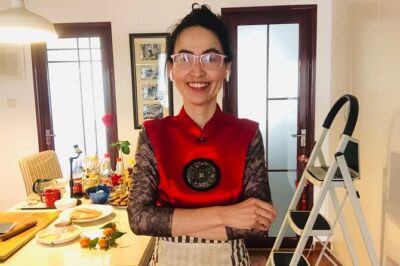 ★ 5.0Online Cooking Class Beijing Dumplings and Cuisine by Sunflowerli Renowned ChefFrom $2065 reviews
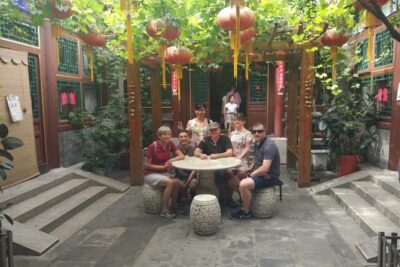 ★ 5.0Private Hutong Culture Tour with Dumpling Cooking Class plus Cricket Fighting GameFrom $1765 reviews
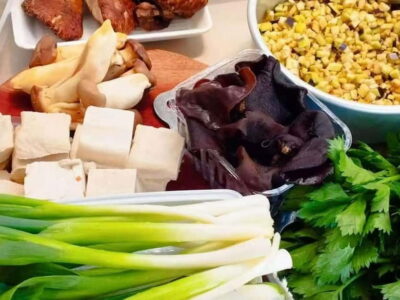 ★ 4.8Vegan Home Cooking & Local Market Tour with SanxiaFrom $474 reviews
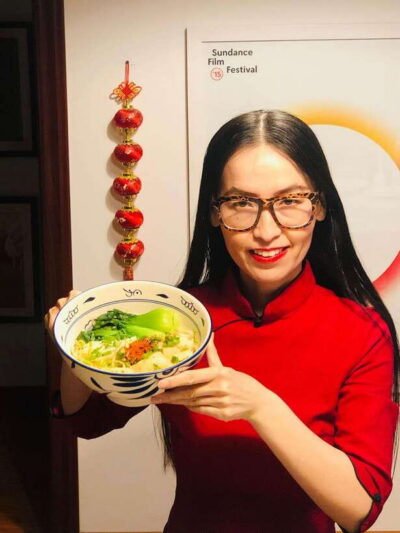 ★ 5.0Online Cooking Class Hand Pulled Noodles by Sunflower LiFrom $993 reviews
 ★ 5.0Dumpling Cooking Class and Local Market TourFrom $803 reviews
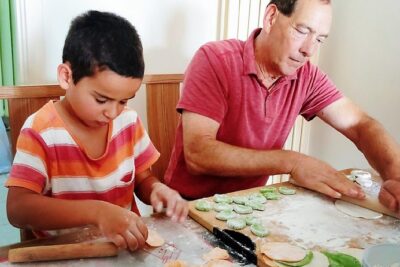 ★ 5.0Private Dumpling Cooking Class in Local FamilyFrom $1603 reviews
Browse the lists this tour appears in