
Reviewed · PEKING DUCK & OLD BEIJING FOOD
Beijing Royal Dinning Experience with cultural performance
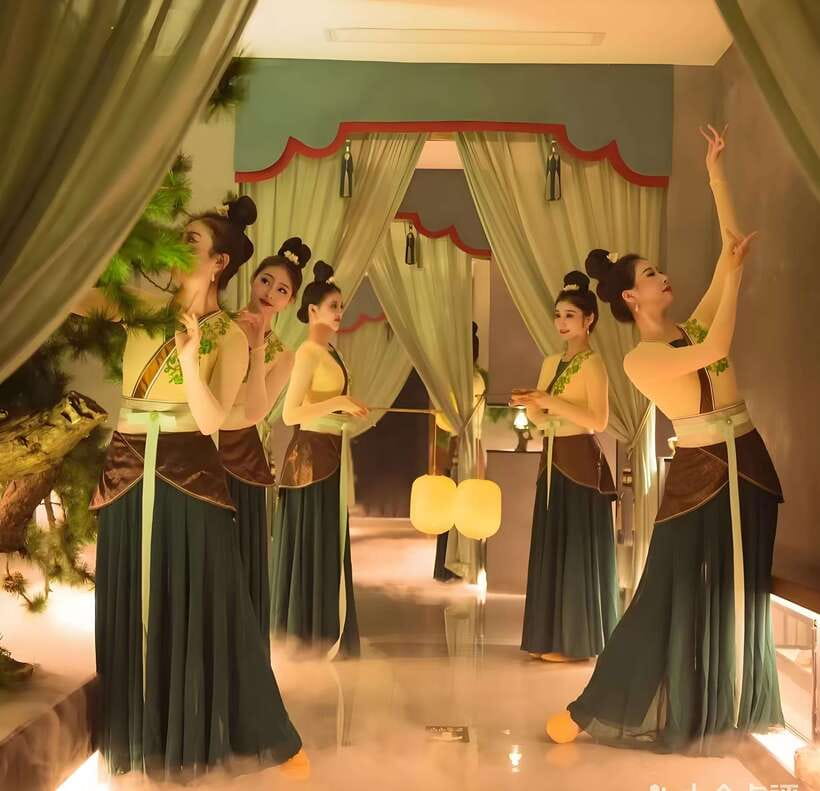
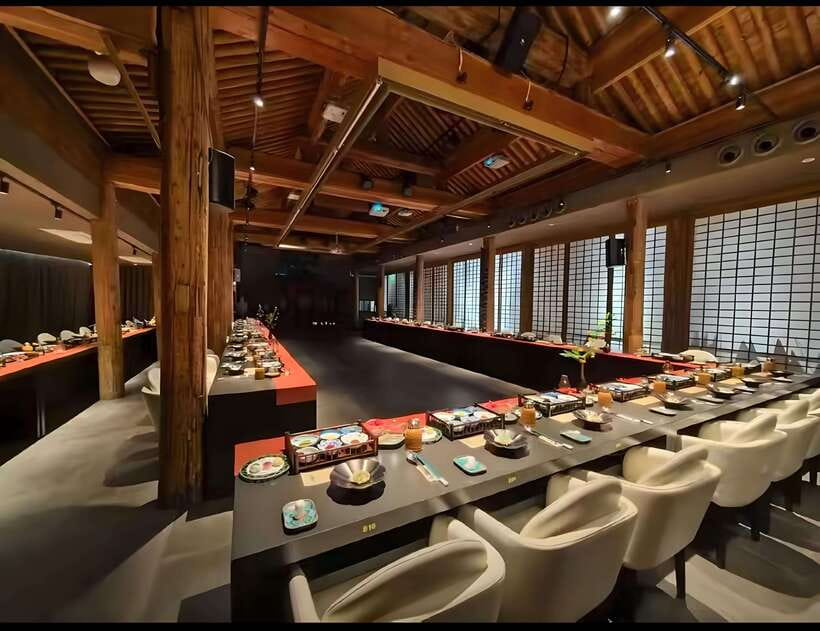
Royal dining, just two kilometers from the Forbidden City. The big draw here is the luxurious courtyard setting, plus a cultural performance that unfolds in order and lines up with the dishes. You’ll be served a true royal-style lineup, including sea cucumber and abalone, but the possible snag is language, since the storytelling is in Mandarin and can be hard to follow if no one explains it as you go.
I also like that you get more than a meal, this is a timed, theatrical dinner experience that moves for about 2 hours, not a slow, open-ended restaurant hangout. One other practical note, the courtyard views include spots on the upper floor, so you should plan to wear comfy shoes for short walking and photo stops.
Key highlights
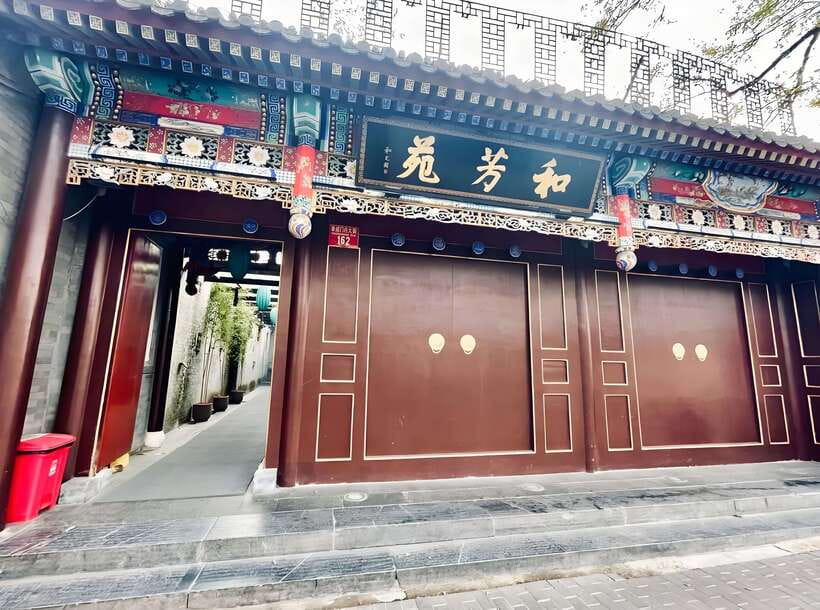
- A preserved imperial-era courtyard with seasonal scenery and strong photo angles near the Forbidden City
- A chronological cultural performance synchronized with the courses, with dish-linked mini-stories
- Royal courses that include sea cucumber and abalone
- More than dinner with appetizers, desserts, tea, and meaningful wine
- Mandarin-only storytelling pressure, so go in expecting limited English clarity
- A location check matters, since maps can point you somewhere else, while the provided address helps
Why This Royal Courtyard Experience Feels Different From a Standard Show
This is not a banquet hall dinner with a random performance tacked on. The setting is a real selling point: you eat inside a complete courtyard-style compound that keeps its historical feel. It was originally the residence of Tan Zongjun, who ranked second in the imperial examination during the Qing Dynasty, and the place later became connected to Tan’s cuisine, the official cuisine tradition tied to his legacy.
That context changes how the evening lands. You’re not just consuming food and watching actors. You’re experiencing a sequence that is meant to feel like court ceremony, paced with drama and course changes. If you enjoy “how things were done,” you’ll appreciate that the performance is organized in chronological order and built to match the menu.
If you come expecting a modern, easy-to-follow show with lots of explanations, you might feel a little annoyed. One guest experience specifically noted that the content was hard to understand because everything was in Chinese, and another found it not well adapted for foreigners. In other words, this works best when you are okay with enjoying the atmosphere even if every word is not landing.
You can also read our reviews of more tours and experiences in Beijing.
Getting There for Lunch at 12:00 or Dinner at 6:30
Timing is simple, but stick to it. Lunch performance starts at 12:00 PM, dinner starts at 6:30 PM, and you should arrive 30 minutes early. That extra time matters because you want a calm entry, time to find your way, and a moment to settle before the storytelling begins.
You’ll also appreciate the practical perks: ticket line skipping helps the first part go smoother, and the venue is wheelchair accessible. So if you have mobility concerns, this is one of the easier cultural experiences to plan.
Now, here’s the real-world tip I’d treat like gold: some people have found the map pin incorrect. If that happens, don’t fight it for long. Use the address given to you, and if you’re using a ride-hailing app, entering that exact address can route you correctly. If you’re stuck, asking locals for guidance is also a fast fix.
What the Upper-Floor Views Add to Your Courtyard Time
Food and performance are the headline, but the courtyard layout gives you “between moments” that make the evening feel special. On the top floor, you can see the White Pagoda Temple and the Temple of Emperors of All Dynasties from the courtyard area. That means you get a bonus sight without needing to schedule extra sightseeing blocks.
The courtyard scenery also changes with the seasons. Even if you’re not chasing spring flowers or winter mood, the seasonal variation helps the place feel less like a staged set. It also gives you natural photo opportunities that don’t require you to line up outside with crowds.
For a smooth visit, treat photos as quick stops. The upper-floor look is great, but you don’t want to lose your place before the performance starts. Comfortable shoes help more than you’d think, because courtyard compounds often mean short stair climbs and walking on stone.
The Performance Flow: Chronological Storytelling Paired With Every Dish
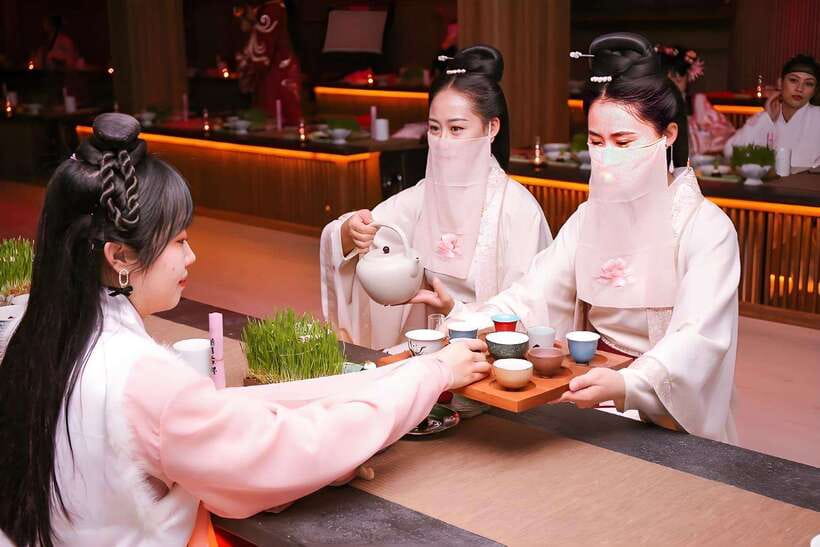
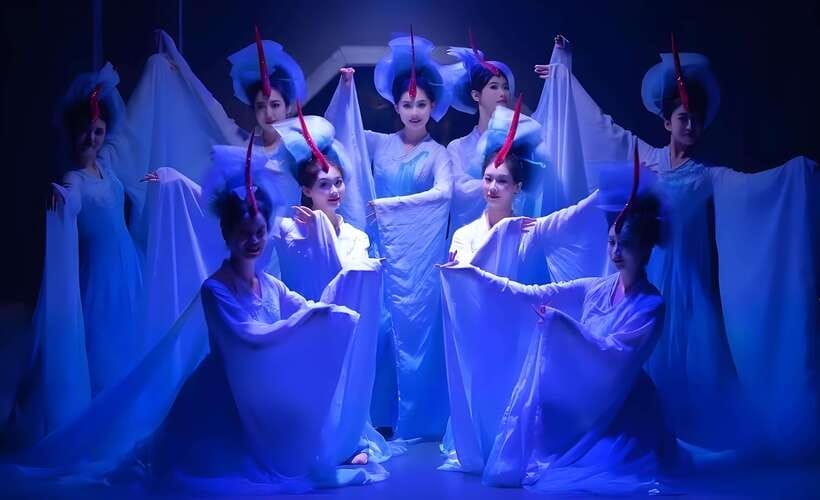
This is where the experience earns its name. The cultural performance is designed to run in chronological order, synchronized with the dishes. Instead of one big show before dinner, the drama becomes part of the dining rhythm. Each course is paired with a story performance, so the moment the food arrives, the show is already in motion.
From what I can tell, the goal is to make the meal feel like a sequence of eras and traditions, not just a list of plates. Actors are described as dedicated, which matters because timing is everything in a paired show. When performers stay focused, you feel like the menu is truly integrated.
If you speak Mandarin, you’ll likely catch more of the dish-linked storytelling. If you do not, the experience still can work because the structure is visual and the mood is consistent. But you should expect that details might slip by. One review said the dish explanations were not clear, and another said the performance language made parts incomprehensible. So come with the right expectation: you’re there for the combined atmosphere of court-style dining plus performance pacing, not for a fully translated narrative.
What You Actually Eat: Appetizers, Desserts, Tea, Meaningful Wine, and Royal Mains
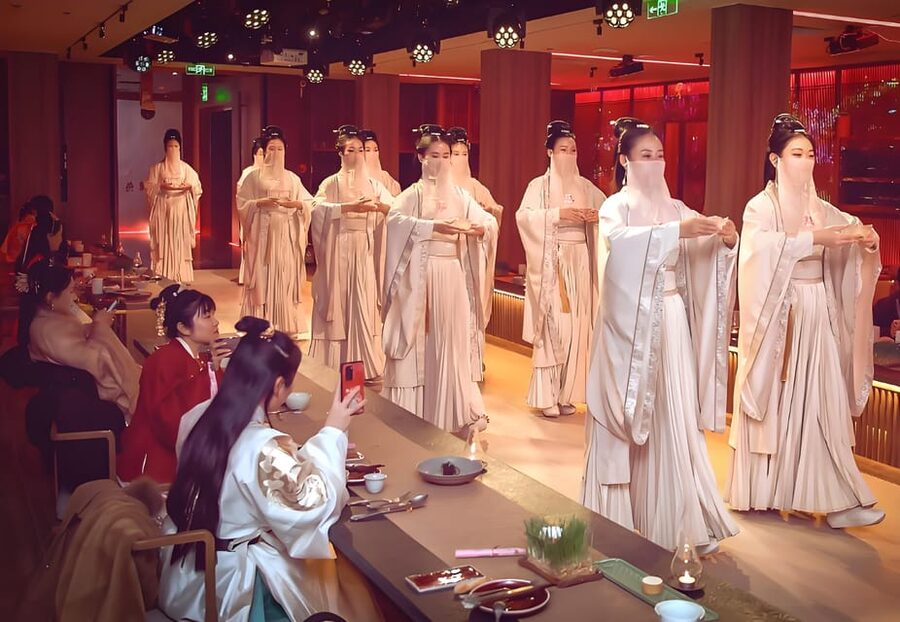
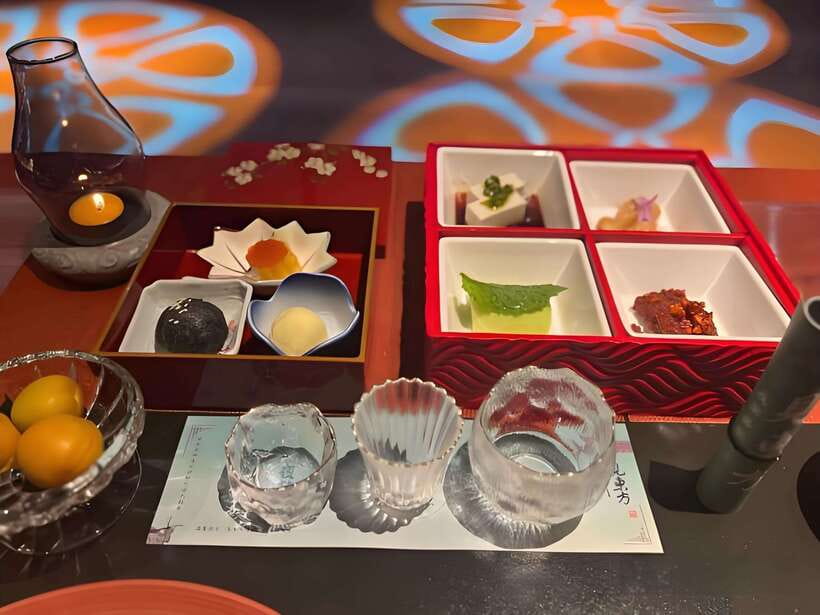
The lineup is diverse, and the presentation is a big part of the appeal. You should expect appetizers and desserts, plus tea during the experience. There is also meaningful wine, so it’s not strictly a tea-and-water cultural night.
The most prominent main meal items are sea cucumber and abalone. These aren’t small portions in terms of reputation, and both are served as the central draw of the royal dining style. If you love trying iconic Chinese ingredients, you’ll probably enjoy the main course stage.
Taste is good according to multiple mentions, but do note the flavor profile may feel unfamiliar to some Western palates. One guest described the food as local and authentic, but a bit uncommon for Western taste. That’s not bad, it’s a heads-up. This is not “Americanized Chinese.” It’s a traditional style meal, so you might need a few bites to recalibrate your expectations.
Plating also matters here. Dishes are described as beautifully arranged, and that makes the photo factor stronger than at a standard buffet. It also helps the pairing with the performance, because the course presentation reads visually during the show segments.

Price and Value: Is $99 for Two Hours Fair?
At $99 per person for a 2-hour experience, the value depends on what you want out of Beijing evenings. If your goal is purely food, this may feel pricey compared with a normal dinner. But if your goal is food plus a structured cultural performance that changes with the courses, then the package starts to make more sense.
Here’s the practical math in plain terms: you’re paying for (1) a plated royal-style meal sequence, (2) a dedicated performance built to match your dining timeline, and (3) the strong courtyard setting close to major sights. That combination is the differentiator, not just the headline ingredient list.
If language clarity is a top priority for you, factor that in. Some people found the Mandarin content hard to follow or felt it wasn’t adapted for foreigners. If you personally need dish-by-dish explanations in English to enjoy a meal, you could leave wishing for more guidance. On the other hand, if you’re comfortable enjoying parts through atmosphere, performance energy, and the pacing cues, you’ll likely feel the $99 buys something more memorable than a basic theater ticket or a casual dinner.
My bottom line on value: it’s a fair choice when you want a themed evening near the Forbidden City, and you’re okay with Mandarin-first storytelling.
Who This Is Best For, and Who Should Think Twice
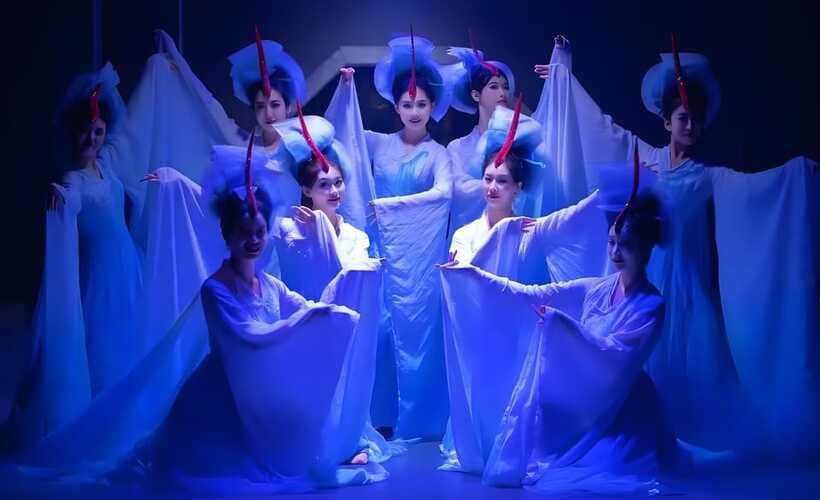
This works well for you if you enjoy court-style presentation, historical-themed performances, and trying ingredients like sea cucumber and abalone. It also suits travelers who want a neat, time-boxed plan in a central location. The 2-hour window is helpful, because Beijing sightseeing can run long and you may not want a late-night wandering plan.
It’s also a solid pick for photo lovers. The preserved courtyard look plus upper-floor views of the White Pagoda Temple area can give you great shots, and the seasonal change keeps it from looking identical year-round.
Think twice if you need lots of English explanation to connect with the meal. The reviews include concerns about incomprehensibility and lack of clarity about what you’re being served. Even if the overall experience still feels beautiful, your enjoyment may depend on whether staff provide enough context during the dining sequence. If you’re bringing non-Mandarin speakers, you might also want a backup plan, like grabbing a simpler, English-friendly meal later.
Families can attend, but check the child ticket rule: children under 120 centimeters must buy a child ticket, while children over 120 centimeters should buy an adult ticket.
Tips to Make the Evening Smoother (Especially With Mandarin-First Storytelling)
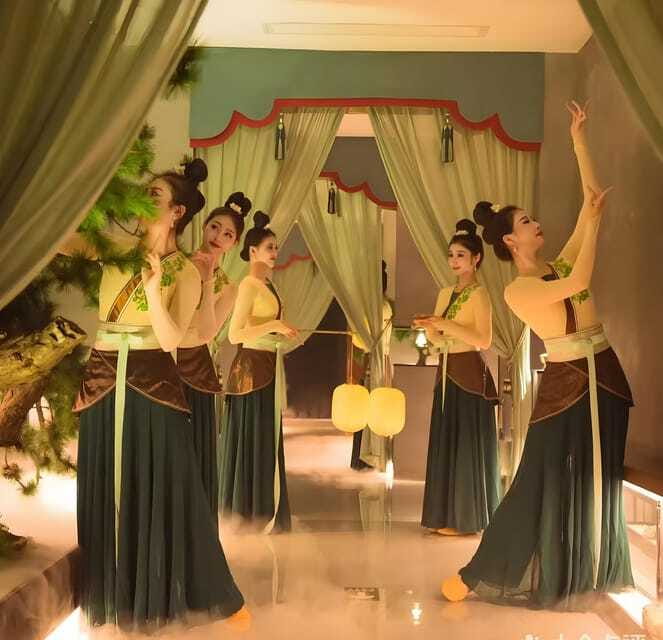
First, arrive early. The 30-minute buffer helps you get settled before the performance starts and reduces stress if you have any trouble locating the correct spot.
Second, treat this as a guided-feeling experience even if the explanation is limited. When the first courses land, pay attention to the dish order and timing, because the performance is synced to what’s arriving. Even without understanding every word, the structure helps you follow along.
Third, if you want more clarity about what you’re eating, ask. One review specifically complained that they were not told what they would eat. If you care about that, request a quick rundown at the start, or ask staff when a dish arrives. You might get more help than you expect, and even partial guidance can turn confusion into curiosity.
Fourth, bring a camera mindset, but don’t overdo it. The courtyard photos and upper-floor views are worth it, just don’t sacrifice your seat and attention during key show moments.
Finally, plan your energy. The event is only 2 hours, but it includes courses and performance segments. Eating can be slower than a normal meal because the pacing is theatrical.
Should You Book This Beijing Royal Dining Experience?
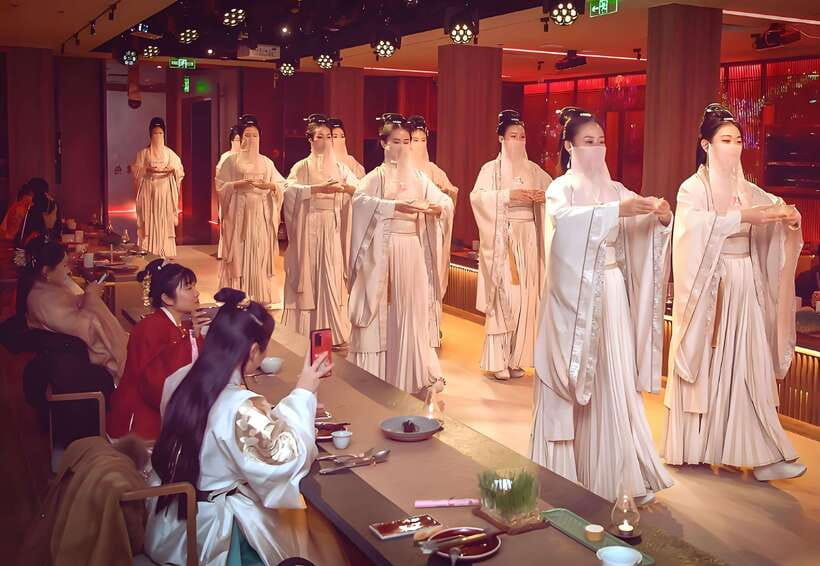
Book it if you want a memorable, time-boxed cultural night near the Forbidden City, and you like the idea of a royal-style meal paired with chronological performance storytelling. At $99 for 2 hours, the value is strongest when you care about the full package, not just the food.
Skip it or approach with caution if you rely on English-heavy explanations and you get frustrated when show narration is in Mandarin only. This experience can still be beautiful, but some guests have found the language barrier a deal breaker or at least a real frustration point.
If you’re the type who enjoys traditions through atmosphere, course pacing, and visual drama, you’ll probably walk away feeling like you experienced something uniquely Beijing, in a real courtyard setting, not just another dinner with a show.
FAQ
What time does the lunch performance start?
Lunch performance starts at 12:00 PM. The dinner performance starts at 6:30 PM.
How early should I arrive?
Please arrive 30 minutes before the performance starts.
How long is the experience?
The experience duration is 2 hours.
What is included in the Royal Dining Experience?
It includes the cultural performance and the royal dining experience (royal meal courses served during the show).
Do children need a child ticket?
Yes. Children under 120 centimeters must buy a child ticket. Children over 120 centimeters should buy an adult ticket.
Can I cancel and get a full refund?
Yes. Free cancellation is available up to 24 hours in advance for a full refund.
More Tour Reviews in Beijing
Not for you? Here's more nearby things to do in Beijing we have reviewed



Peking Duck & Old Beijing Food, compared.
 ★ 5.0Beijing Hutong Walking Food and Beer Tour at Hidden RestaurantsFrom $801,132 reviews
 ★ 5.0Temple Heaven, Lama Temple, Summer Palace & Peking Duck Bus TourFrom $56377 reviews
 ★ 5.0Old Beijing Dinner TourFrom $75348 reviews
 ★ 4.9Hidden Gems Guided Food Tour with Beer and TastingsFrom $75306 reviews
 ★ 5.0Beijing Private Hutong Food Walking TourFrom $82299 reviews
 ★ 5.0Hutong Culinary Walking Tour with 15+ TastingsFrom $76162 reviews
 ★ 5.0Beijing Hutong Breakfast Food TourFrom $45155 reviews
★ 5.0Beijing Hutong Breakfast Food TourFrom $55120 reviews
★ 5.0Beijing Hutong Breakfast Food TourFrom $45155 reviews
★ 5.0Beijing Hutong Breakfast Food TourFrom $55120 reviews
Browse the lists this tour appears in