
Reviewed · PEKING DUCK & OLD BEIJING FOOD
Beijing Royal Banquet with Chinese culture prefermance
If you like food with a story, this one clicks. You get a royal banquet plus Chinese cultural performances in a dedicated royal cuisine exhibition space. It is the kind of meal that feels planned, not random, with a full-course lineup and a setting built for tasting.
I especially like the scale of the experience: the museum exhibition area is about 1,500 square meters, and the tasting space is over 10,000 square meters. I also like that the menu is heavy on classic Chinese dishes you do not always see together, from braised sea cucumber and fish maw to roast duck cooked with jujube wood.
One thing to consider: the dinner and lunch menus are fixed and include items like sea cucumber, fish maw, lamb, and yogurt with honey. If you have strong dislikes or allergies, you should think twice before booking.
Key things to notice before you go
- Royal-cuisine setting in a museum-style space with a dedicated exhibition and large tasting areas
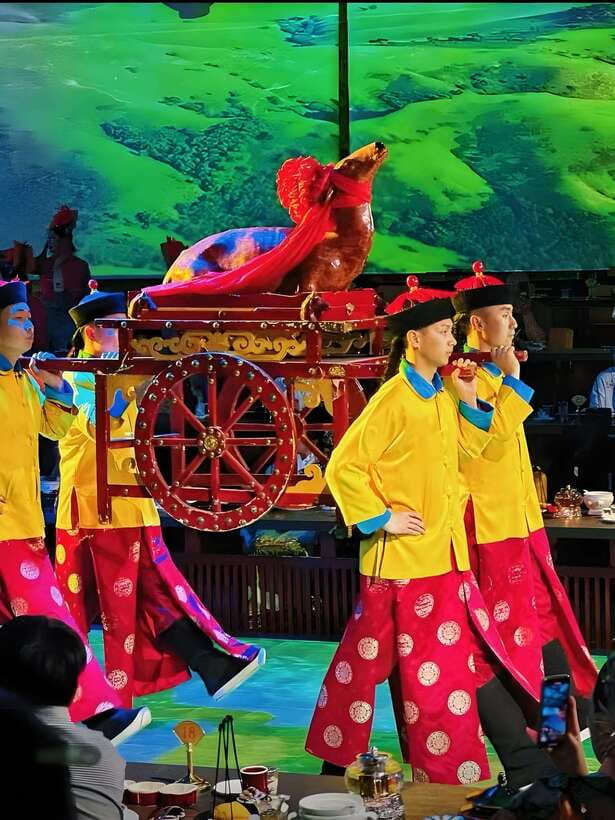
- A performance component, so it is not only dinner, it is part cultural show, part meal
- A classic multi-course menu, including roast duck, longevity noodles, and youtiao with milk
- Skip-the-line entry via a separate entrance to keep things smooth
- Bilingual hosts in Chinese and English to help you keep up
A Royal Cuisine Museum Banquet in Beijing
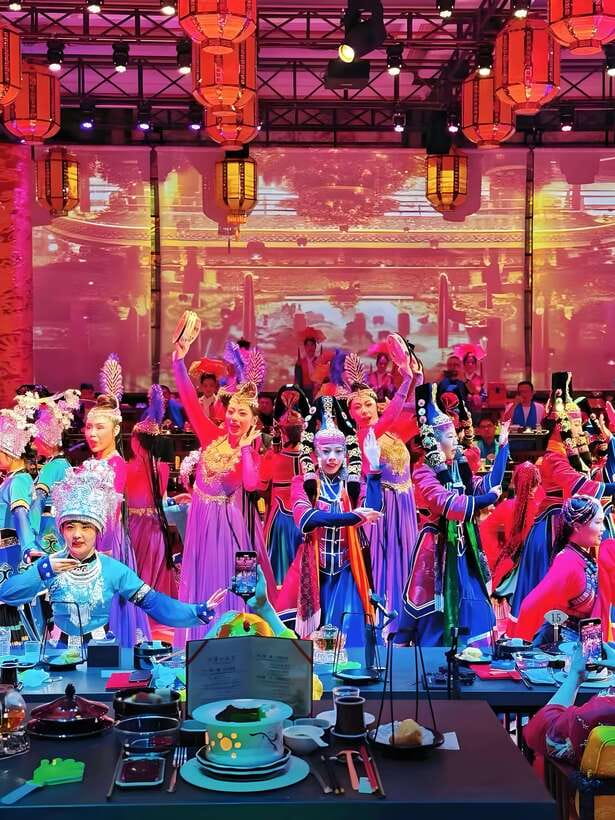
Beijing has plenty of places to eat, but this experience is built around the idea of royal cuisine as culture. The setting is called Yuxiandu, and it is organized like a museum plus a tasting hall. The royal cuisine historical and cultural exhibition area covers roughly 1,500 square meters, and the tasting experience area is more than 10,000 square meters. That matters because you are not stuck in a loud, generic dining room. The space is designed so you can watch, taste, and move through the experience without feeling chaotic.
I also like that the operation behind the scenes is described as transparent, green, environmentally friendly, and energy-saving, with a central kitchen. Even if you do not study how it works, that framing usually means the dining experience is run like a system, not a last-minute scramble. Plus, the venue is noted as being visited by many celebrities and politicians, so the vibe is meant to feel special and formal rather than casual.
Finally, this is in the Northern China, Beijing area, meeting at No. 117, West Fourth Ring North Road, Haidian District. Haidian is a practical base for visitors because it is not tucked away in the far outskirts. You can treat this as a meal with structure, not a long food hunt.
You can also read our reviews of more tours and experiences in Beijing.
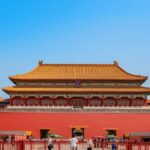
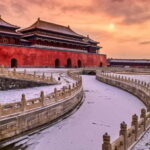
What the 2.5 Hour Banquet Actually Feels Like
This experience runs 2.5 hours total. That is a good length for a big meal because it gives time for multiple courses and the cultural performances without turning into an all-night event.
You will want to plan around the two daily seating windows. For lunch, arrive before 11:15. For dinner, arrive before 18:15. Arriving earlier helps you get settled before the meal flow starts, and it keeps you from feeling rushed when you are trying to find the right entrance and check in.
One of the more practical perks is the separate entrance for skip-the-line. That is not just a convenience, it changes your mood. You spend less time waiting and more time eating, watching, and staying present.
The host or greeter is listed as Chinese and English, so you are not left totally guessing what is happening. Also, the experience is wheelchair accessible, which is a meaningful detail if mobility is part of your planning.
The Standout Dishes on the Table (and why they matter)
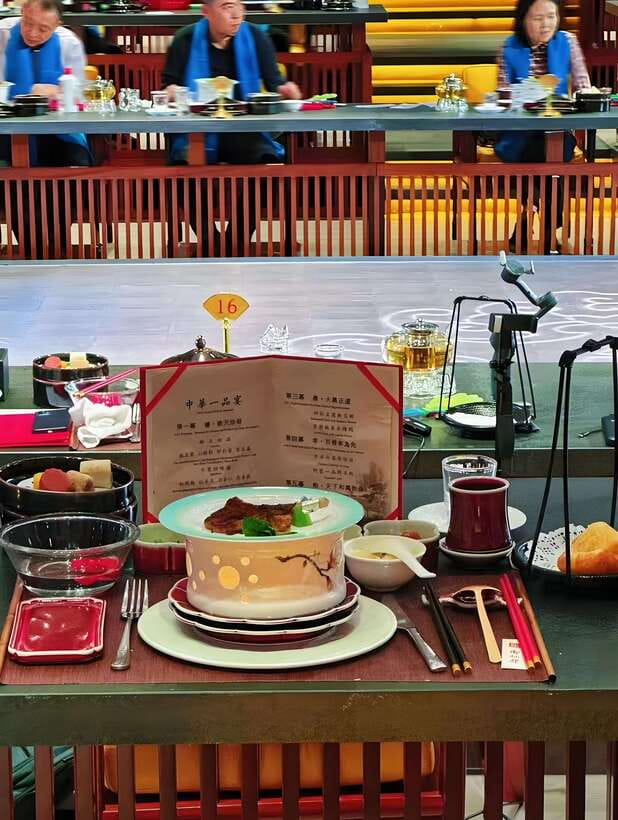
The menu is the heart of the whole experience, and it is not a tiny tasting. You get snacks, an appetizer platter, and then a sequence of main dishes and desserts. Here is what you should expect to see on your table, and what each item signals about the style of the meal.
First comes snacks and an appetizer platter. Think of this as your warm-up. It helps you shift from travel mode into food mode, and it gets you used to the pacing of a formal banquet.
Then you move into a very “royal” shaped centerpiece: Braised Sea Cucumber with Fish Maw in Casserole. Sea cucumber and fish maw are classic premium ingredients in traditional Chinese cuisine, often associated with celebration meals. In a banquet like this, it is not added because it is trendy. It is there because it represents status and tradition, and it sets the tone for rich, slow-cooked flavors.
Next: Marinated Tofu and Bamboo Shoots. This is a nice contrast in texture and taste. Even in a meal heavy on rich items, tofu and bamboo shoots give balance, and they also reflect traditional pantry logic in Chinese cooking, where vegetables and soy products play starring roles.
After that, you get Roast Duck with Jujube Wood. The key detail here is the jujube wood cooking method. It signals that the banquet is focused on aroma and technique, not just serving meat. Roast duck is also a crowd-pleaser, so this is usually where the meal starts feeling celebratory in the simple sense of, yes, this tastes like a special occasion.
Then comes Chinese Cabbage in Soup. Soups in banquet menus often act like a palate reset. Cabbage is light enough to keep the meal from feeling one-note, and soup also makes the pacing feel smoother as you move toward the heartier dishes.
You also have Roasted Lamb. Including lamb alongside duck tells you the banquet is not trying to be safe or boring. It is building a varied table with different meats and cooking styles.
For noodles, you get Longevity noodles with poached eggs. The word longevity is not just decoration. In Chinese dining culture, noodles tied to long life symbolism are often served on occasions when people want a good wish for the future. The poached eggs add a comforting, filling element and help turn the noodle course into a satisfying finale before dessert.
Then you reach the snack-comfort section: Deep-Fride Dough Sticks (Youtiao) with Milk. Youtiao is a classic breakfast item, and pairing it with milk feels familiar, even in a formal banquet setting. It is also one of the easiest courses to enjoy if you are unsure about more unfamiliar ingredients.
Finally, dessert includes Yoghurt filled with Honey. This gives you a sweet finish that is not just a heavy sugar bomb. It also ties back to the idea that the menu mixes traditional and everyday tastes under a royal umbrella.
Chinese Culture Performance, Royal-Style
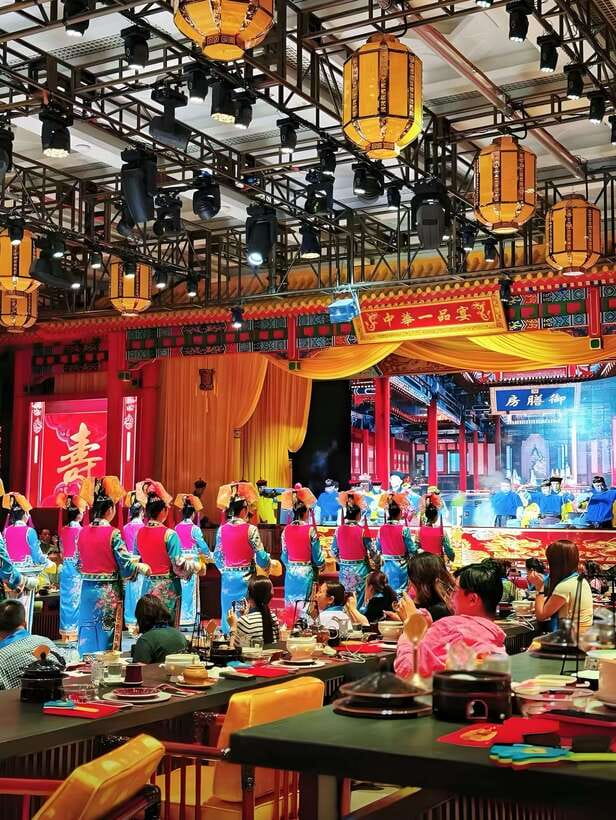
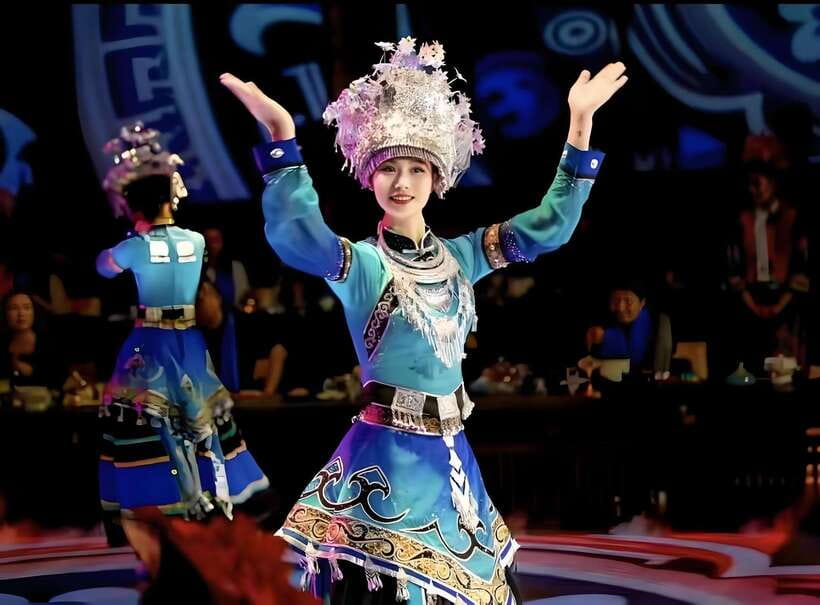
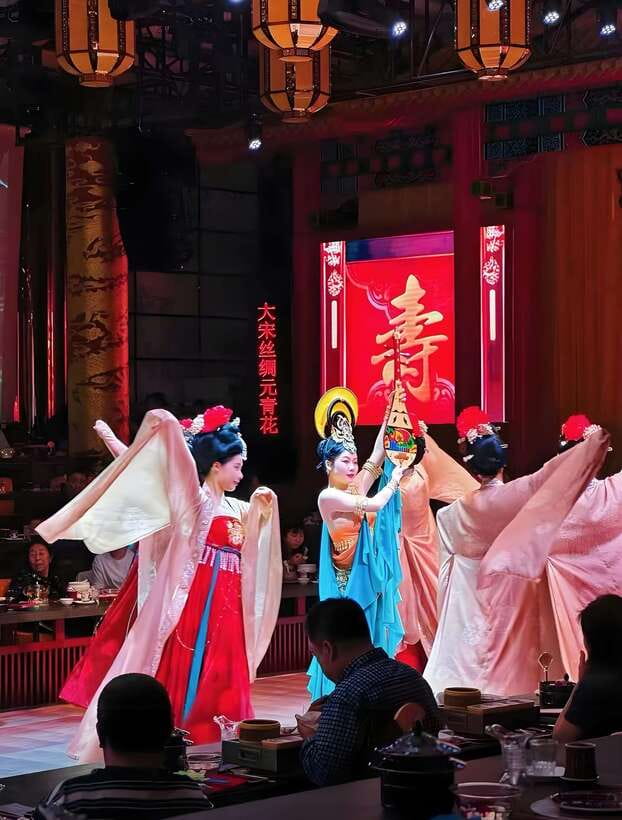
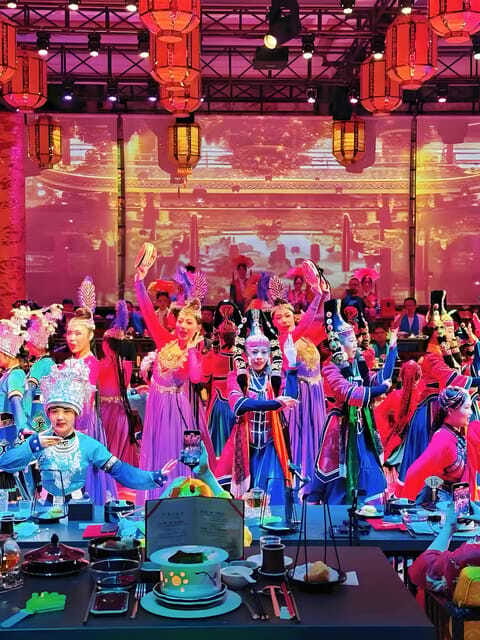
The listing calls out “royal experience” as Chinese cultural performances plus royal banquet service. That is important because it means you should treat the meal as a show in two parts: eating and watching.
The venue itself is built around a royal cuisine historical and cultural exhibition area. Even if you do not know the background of every dish, the space is designed to give you context while you eat. That is one reason this kind of banquet can be more memorable than a standard restaurant meal. You are not only consuming food, you are absorbing the theme.
My practical advice: do not rush through the performance portion just to focus on the food. If you do, you miss the rhythm. In these staged banquet experiences, the performances often help mark meal transitions, so you end up feeling like you are timing your appetite around the entertainment.
Also, because the host or greeter speaks Chinese and English, you are more likely to get a basic sense of what you are watching. If you are unsure, ask quick questions early. Simple questions help you connect the dots without turning it into a formal lecture.
Price and Value: Is $150 a Person Reasonable?
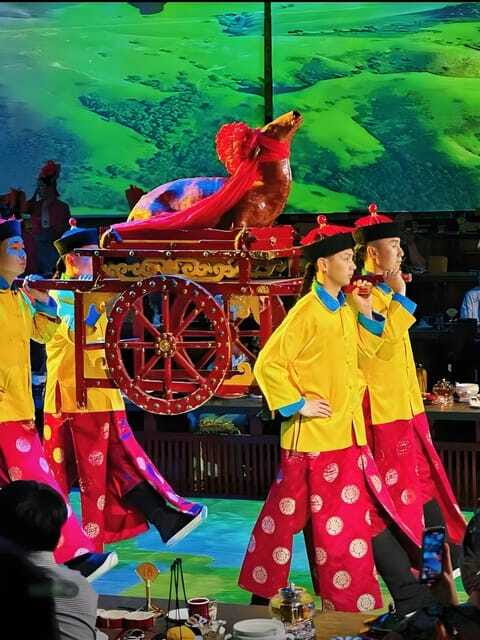
At $150 per person for a 2.5 hour royal banquet, you are paying for more than dinner. You are paying for a fixed multi-course menu, a cultural performance component, and a purpose-built museum style setting. That is the difference between this and just booking a restaurant table.
What supports the value is the amount of food structure you receive: snacks, appetizer platter, multiple substantial courses (duck, lamb, braised premium ingredients, soup), plus noodles and dessert. Many meals can be expensive in Beijing, but they often charge a premium for ambience and location. Here, the cost is tied to the themed experience and the full-course format.
There is also a real convenience factor. You get skip-the-line through a separate entrance, and you have bilingual support. Those small time and stress reducers matter when you are trying to fit Beijing into a limited schedule.
The main value check for you is whether you want this style of fixed menu. If you are the kind of traveler who likes variety and spontaneity, a set banquet might feel rigid. If you like ceremonial meals with clear progression, this likely feels worth it.
Getting There at No. 117 West Fourth Ring North Road
Your meeting point is No. 117, West Fourth Ring North Road, Haidian District, Beijing. For a timed banquet, location matters less than timing, but Haidian District is still a useful area for most visitors.
Because you must arrive before 11:15 for lunch or 18:15 for dinner, plan your route so you are not cutting it close. Beijing traffic can move unpredictably, and you do not want to start the experience already stressed. If you have flexibility, give yourself a buffer.
Once you arrive, use the separate entrance for skip-the-line access. That is the point. It keeps you from losing time in queues and helps your meal start on schedule.
Who Should Book This Royal Banquet, and Who Might Skip It
I think this is a strong fit if you:
- Want a culture and food combo rather than only dining
- Appreciate traditional Chinese banquet courses, especially roast duck and classic celebratory items like longevity noodles
- Like structured experiences with performances and a themed setting
- Value bilingual support in Chinese and English
- Need wheelchair accessible options
I would be more cautious if:
- You dislike specific ingredients featured on the menu, such as sea cucumber, fish maw, lamb, or dairy items like milk with youtiao and yogurt with honey
- You prefer choosing every dish yourself, because this is a set banquet format
Should You Book the Beijing Royal Banquet?
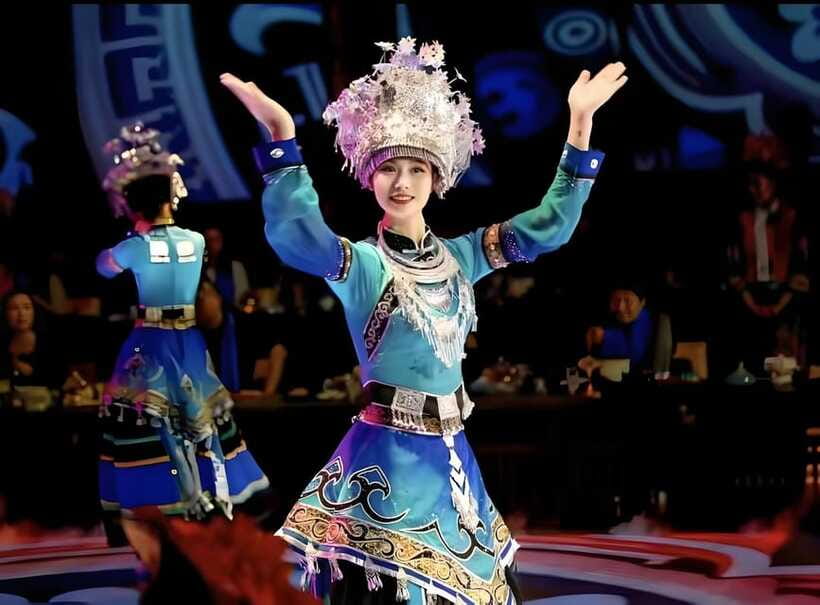
If you are in Beijing and you want one “big ticket meal” that feels like a real event, I would book it. The combination of royal-cuisine themed space, a substantial multi-course menu, and Chinese cultural performances gives you a complete evening or lunch, not just a plate of food.
But make the decision with your appetite in mind. This banquet is generous and traditional, and the menu includes several ingredients that may not be for everyone. If you are open to classic Chinese flavors and you like the idea of a formal meal with a storyline, $150 for a 2.5 hour royal banquet is a sensible value.
If you are unsure, I suggest asking yourself one question: do I want to learn through a set-menu experience, or do I want freedom? This one leans clearly toward the first option.
FAQ
How long is the Beijing Royal Banquet experience?
It lasts 2.5 hours.
What is the price per person?
The price is $150 per person.
Where is the meeting point?
The meeting point is No. 117, West Fourth Ring North Road, Haidian District, Beijing, China.
What time should I arrive for lunch?
Please arrive before 11:15 for lunch.
What time should I arrive for dinner?
Please arrive before 18:15 for dinner.
Does this tour include skip-the-line entry?
Yes, you can skip the line through a separate entrance.
What languages are available?
The host or greeter provides Chinese and English support.
Is the experience wheelchair accessible?
Yes, it is listed as wheelchair accessible.
What is the cancellation policy?
You can cancel up to 24 hours in advance for a full refund.
More Tour Reviews in Beijing
Not for you? Here's more nearby things to do in Beijing we have reviewed


Peking Duck & Old Beijing Food, compared.
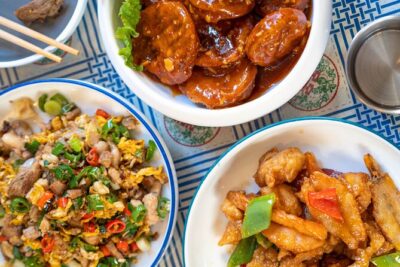 ★ 5.0Beijing Hutong Walking Food and Beer Tour at Hidden RestaurantsFrom $801,132 reviews
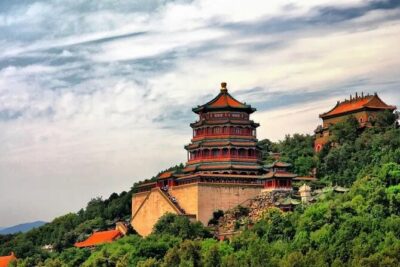 ★ 5.0Temple Heaven, Lama Temple, Summer Palace & Peking Duck Bus TourFrom $56377 reviews
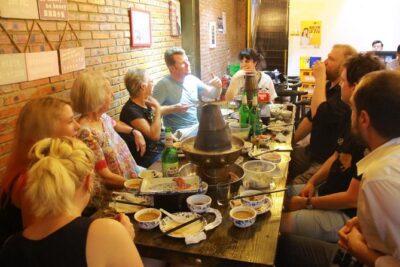 ★ 5.0Old Beijing Dinner TourFrom $75348 reviews
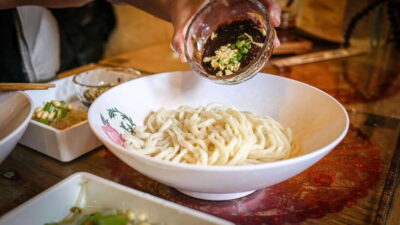 ★ 4.9Hidden Gems Guided Food Tour with Beer and TastingsFrom $75306 reviews
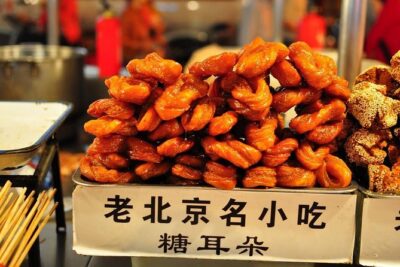 ★ 5.0Beijing Private Hutong Food Walking TourFrom $82299 reviews
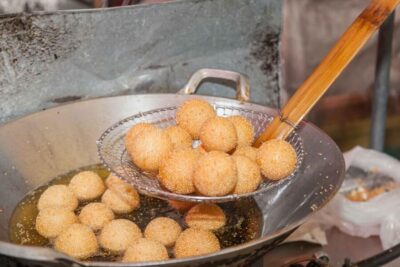 ★ 5.0Hutong Culinary Walking Tour with 15+ TastingsFrom $76162 reviews
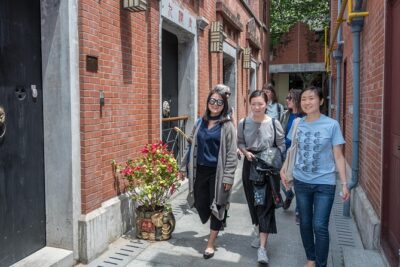 ★ 5.0Beijing Hutong Breakfast Food TourFrom $45155 reviews
★ 5.0Beijing Hutong Breakfast Food TourFrom $55120 reviews
★ 5.0Beijing Hutong Breakfast Food TourFrom $45155 reviews
★ 5.0Beijing Hutong Breakfast Food TourFrom $55120 reviews
Browse the lists this tour appears in