
Reviewed · FORBIDDEN CITY & TIANANMEN VISITS
Beijing: Prince Kung’s Palace Museum Ticket—Must-See Spot
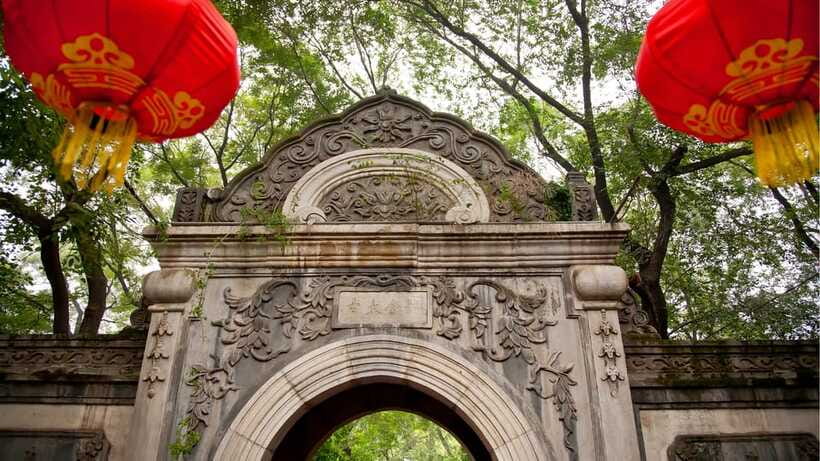
A Qing palace you can wander at your pace. Prince Gong’s Palace Museum is one of Beijing’s most rewarding cultural stops because it lets you see everyday court life, not just ceremonial halls. With skip-the-ticket-line entry and a self-guided English PDF, you can move through courtyards, pavilions, and gardens on your own schedule.
I especially like the fact that you are not locked into a rigid route. The English PDF guide helps you spot what matters, from key halls to garden layouts and artifacts, so your visit feels more like an informed walk than a random circuit.
One caution: the palace gets crowded later in the day. If you want good views and room to breathe, plan for an early start, because after late morning it can feel like you are trying to look through a crowd.
Quick hits before you go
- Skip-the-line entry so you lose less time standing around
- English PDF guidebook designed to point you toward must-see halls, gardens, and artifacts
- Qing Dynasty prince’s mansion scale that’s large enough to feel epic but manageable for a one-day plan
- Late-18th-century courtyards and architecture linked to He Shen, a powerful minister of Emperor Qianlong
- Garden and water feature design influenced by traditional feng shui principles
- Evening light show and cultural performance if you time your visit for nighttime views
What Prince Kung’s Palace Museum Means for Your Beijing Day
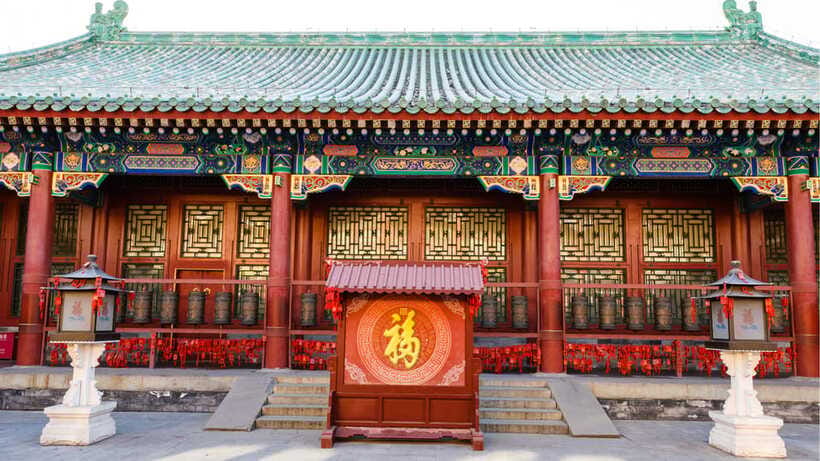
Prince Gong’s Palace Museum (often called Prince Kung’s Palace) is a smart pick if you want Beijing culture without repeating what every first-time itinerary forces on you. You get a deep look at Qing Dynasty power and taste, but the experience is built for walking, not rushing.
This is especially useful if your Beijing days are already packed with major sights. You can treat this as a focused cultural block, then still have time to roam nearby neighborhoods in the evening. Because the visit is self-paced, you can spend extra time where your interests land, and cut back if you are running low on energy.
Price-wise, a ticket at about $20 per person is reasonable for a full entry to a major preserved residence, plus a guidebook included in English. For many visitors, it feels like strong value because the palace is both visually impressive and easy to navigate at your own pace.
A few more Beijing tours and experiences worth a look



Late-18th-Century Splendor, Including He Shen’s Connection
The palace you walk through today was built in the late 18th century. That date matters, because it shapes the whole atmosphere: this is not just a reconstructed set, it is a carefully preserved slice of Qing elite living.
The key historical hook is that the mansion was once the lavish home of He Shen, an influential minister under Emperor Qianlong. That connection changes how you read the space. Instead of just thinking, wow, pretty architecture, you start noticing how the palace layout communicates status, privacy, and control. You are seeing the physical design choices of someone at the center of imperial politics.
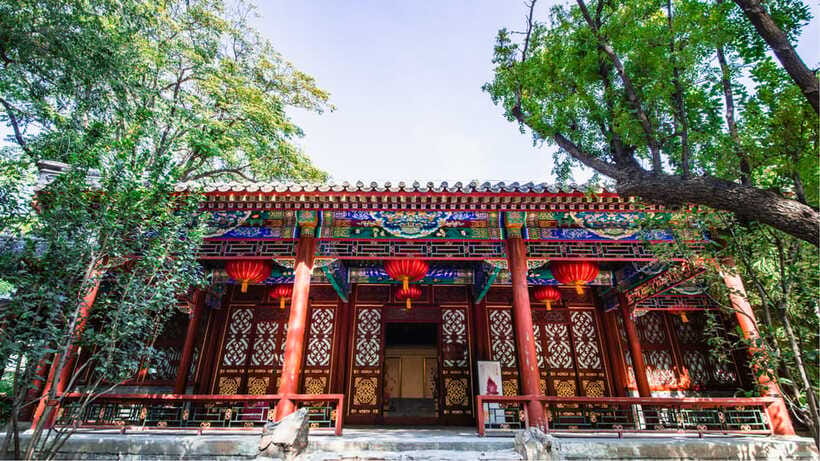
Expect to move through halls, corridors, and courtyards that showcase the wealth and refined taste of Qing nobility. Even if you are not a deep Qing scholar, the building still tells the story well. You can see it in the way courtyards open and close, the way pavilions relate to gardens, and how pathways are planned for movement rather than just decoration.
Self-Guided with an English PDF, So You Can Actually Follow Along
This ticket includes an English PDF guidebook, and that is a big deal for a palace like this. Without a live guide or an audio guide included, the PDF becomes your main tool for turning wandering into understanding.
Here is how I recommend using it so you do not end up staring at your phone every five minutes. Before you enter, skim the guide’s sections for halls and garden highlights. Then, once you are inside, treat each stop like a mini assignment:
- Use the PDF to identify what the hall or courtyard is meant to represent.
- Look for the design details the guide points out.
- Give yourself time to move slowly enough to absorb layout, not just objects.
The reviews and experience notes you provided point to the same idea: the PDF helps you find must-see areas and avoids the common problem of missing important spaces. It also supports a more relaxed visit style, since you can pause for photos, then continue without needing to keep up with a group.
If you prefer a more structured experience, there are flexible options mentioned for self-guided or guided tours. Still, from what you’re getting with this ticket setup, the self-guided path is clearly the core plan.
Entering the Courtyards: Architecture You Can Read With Your Eyes
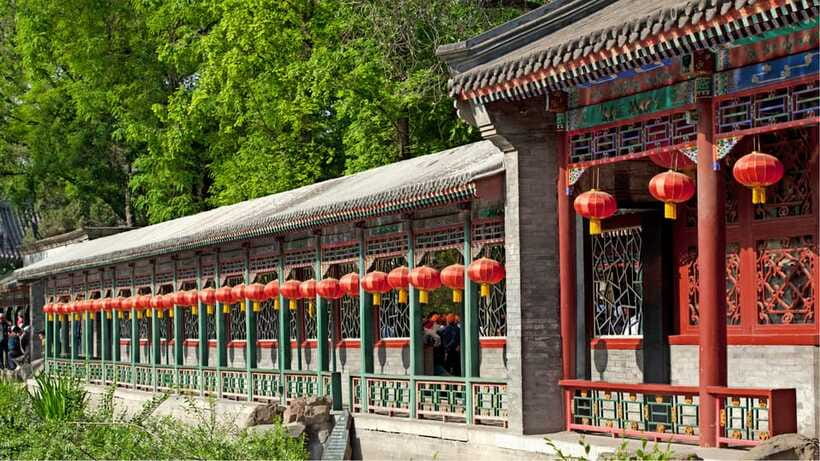
Prince Gong’s Palace Museum is often described as one of the largest Qing Dynasty princely mansions in Beijing. Translation: you get enough scale to feel like a real estate complex, not a quick museum stop.
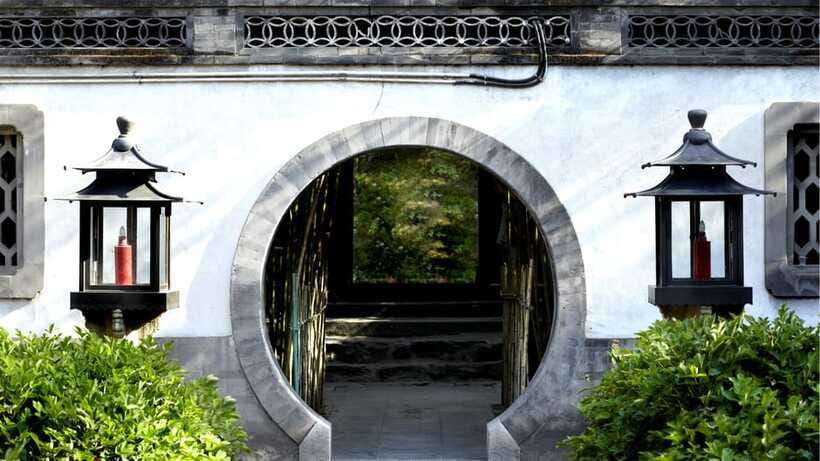
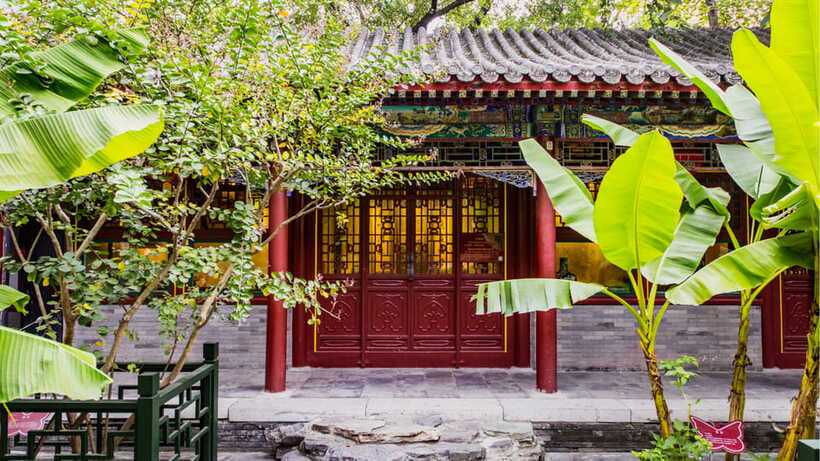
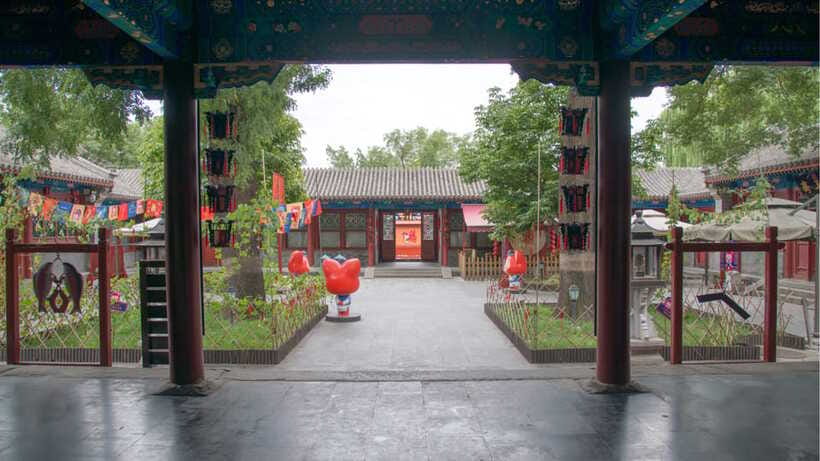
You will likely notice that the architecture does not all look the same. Chinese elite design often mixes visual variety with a controlled rhythm, and this palace shows that through different types of structures, courtyards, and landscaping. As you walk, you can watch the palace transition between more formal areas and quieter, retreat-like spaces.
The pavilions, corridors, and courtyard openings also make photography easier than you might expect. Even when it is busy, there are corners that give you layered views, such as looking from a pathway into a courtyard, or framing a garden area through a doorway.
One practical tip: wear shoes that handle uneven stone and long walking stretches. This kind of palace is not hard physically, but it is long enough that comfortable footwear affects how much you enjoy the day.
Gardens, Water Features, and Feng Shui Details You Should Look For
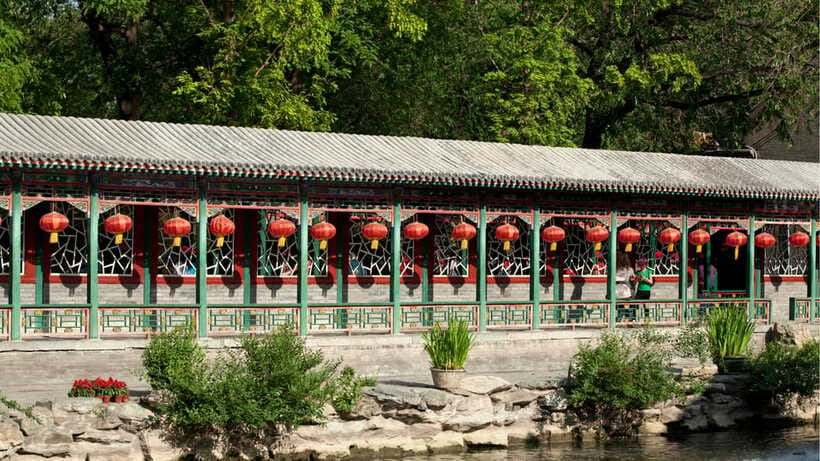
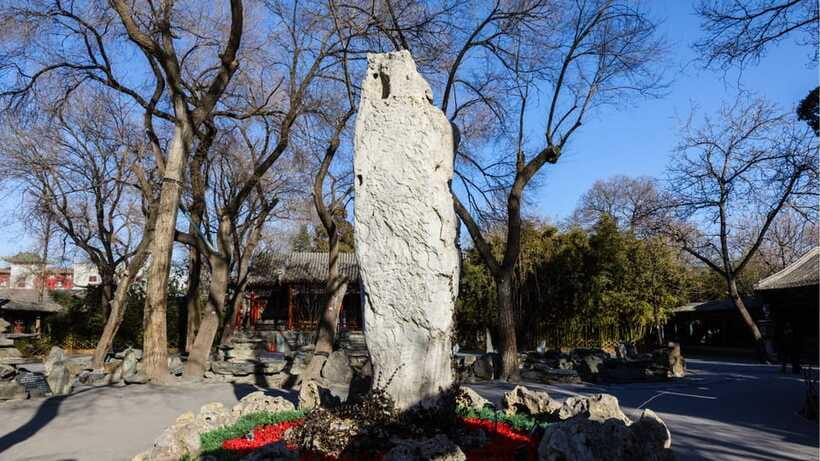
If you only chase buildings, you might miss what makes this palace feel special. The gardens and water features are part of the design logic, not decorations added later.
The palace includes serene water features and garden planning guided by traditional Chinese feng shui principles. That is not just trivia. When you know the design intention, you start noticing why some spaces feel calmer than others. Water often softens a space and creates sightline breaks, while rocks and planting placements help shape how you move and what you notice.
You can spend an extra 20 to 30 minutes here, especially if you like quiet observation. This is also where the palace can feel less tiring than bigger megasites. One of the practical benefits noted in your material is that it tends to be easier to navigate than the Forbidden City, partly because it is smaller and often feels more manageable.
For photographers, the garden sections also offer smoother pacing. Instead of just squeezing into viewpoints, you can step through garden pathways and find new angles as you go.
You can also read our reviews of more museum experiences in Beijing

Timing Tips: How to Beat Overcrowding and Still See the Evening Show
Timing is the difference between a palace you enjoy and one that feels like a chore.
The guidance you provided is clear: if you go later, it can get overcrowded and you may struggle to see details. After around late morning, it can become hard to get clear views and take photos without constantly shifting positions.
So what should you do? Start early, then plan a flexible afternoon. This gives you two benefits:
- You get better visibility in the halls and courtyards.
- You can still make room for the evening light show and cultural performance.
If the night program matters to you, treat it like the anchor of your day. Build your palace wandering around the idea that you want calmer daytime time, then a more entertainment-focused evening.
Also, allow enough time for the palace itself. One note you shared suggests that a visit should be at least about two hours, and it can work better not to force it immediately after a full Forbidden City day. In other words, give yourself breathing room so you do not spend your best attention span running from one giant site to the next.
Pairing It With the Shichahai Area and Drum Tower Walk
One of the best ways to enjoy this palace is to think bigger than just the gate and ticket booth. The palace sits in a part of Beijing where you can combine culture with a pleasant walk.
A helpful approach noted in your information: you can walk from the metro station Shichahai through a scenic route and see the Drum Tower along the way. Even if you do not plan a strict route, that area is a good way to ease into your sightseeing day.
Why this pairing works: it turns the trip into a mini stroll with changing scenery. You are not only moving between attractions, you are moving through the city. That matters in Beijing, where neighborhoods can feel part of the experience.
If you also plan to visit the Forbidden City on the same trip, this palace can serve as a more relaxed contrast. It often feels less exhausting and easier to navigate than the larger complex, so it can be a smarter second cultural anchor on your itinerary.
Price and Value: What $20 Gets You That Feels Worth It
At about $20 per person, this ticket sits in the “good value” zone for a major historical site with thoughtful included media.
Here is what you get that supports the price:
- Entry ticket to the palace complex
- English PDF guidebook included
- Skip-the-ticket-line benefit
- An experience that spans architecture, artifacts, gardens, and an evening show
The real value is not only what is included, it is how it changes your control over time. Skip-the-line access helps you start enjoying faster. The PDF helps you understand what you are seeing, even without a live guide.
The one trade-off is that a live guide and audio guide are not included. If you strongly prefer spoken storytelling during your visit, you might feel that you need more interpretation. But if you like reading and self-guided pacing, the PDF setup is exactly the right kind of support.
Who This Ticket Suits, and Who Might Want a Different Setup
This experience fits best if you fall into one of these groups:
- You like Qing Dynasty history but want a manageable, walkable format.
- You love architecture and gardens, especially when you can look at design details at your own speed.
- You want photos without being stuck in a tight group pacing plan.
- You prefer spending time understanding a site rather than simply ticking it off.
It might feel less ideal if you rely on a live guide or audio narration to keep your attention. The materials you shared confirm that a live guide and audio guide are not part of the included package. You can still add a guided option if available, but you should not assume narration is built into the ticket.
Also, if crowds stress you out, timing becomes your main success factor. Plan early, then use the afternoon to explore or rest, rather than pushing through peak congestion.
Practical Stuff You Should Know Before You Go
Bring your passport or ID card. That is explicitly required for entry.
Dress for walking. You will spend time moving between halls, corridors, courtyards, and garden areas.
If you have flexibility, keep an eye on starting times when you book. The activity notes that it runs for a day and availability depends on starting times, so choose what matches your desired pacing and evening show timing.
Should You Book This Prince Kung’s Palace Museum Ticket?
Book it if you want a Qing palace experience that is self-guided, easier to manage than Beijing’s biggest crowds, and still packed with architecture, gardens, and meaningful historical context linked to He Shen and Emperor Qianlong. The included English PDF and skip-the-line access are the kind of small practical advantages that make a day feel smoother.
Hold off or choose a different option if you need a live guide or audio narration as your main way of learning, or if you cannot start early. Since the palace can get crowded later, your enjoyment will depend heavily on timing.
If you can go early and you enjoy walking and looking closely, this is one of the more satisfying ways to spend a Beijing day that feels both cultured and human-scaled.
FAQ
How much is the Prince Kung’s Palace Museum ticket?
It costs about $20 per person.
How long should I plan for the visit?
The activity is listed as lasting 1 day, and you can check starting times based on availability. A visit is generally best planned for at least a couple of hours.
What is included with the ticket?
The ticket includes entry to Prince Kung’s Palace Museum and an English PDF guidebook.
Is there a live tour guide or audio guide included?
No. A live tour guide and an audio guide are not included.
What do I need to bring to enter?
You should bring a passport or ID card.
Is there a way to see an evening show?
Yes, the experience includes a light show and cultural performance in the evening.
More Museum Experiences in Beijing
More Tickets in Beijing


More Tour Reviews in Beijing



Not for you? Here's more nearby things to do in Beijing we have reviewed



Forbidden City & Tiananmen Visits, compared.
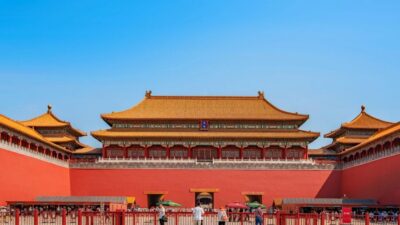 ★ 4.8Forbidden City Tour(Group/Private)-Tickets IncludedFrom $47,974 reviews
 ★ 4.8T-Square & Forbidden City Group or Private TourFrom $174,446 reviews
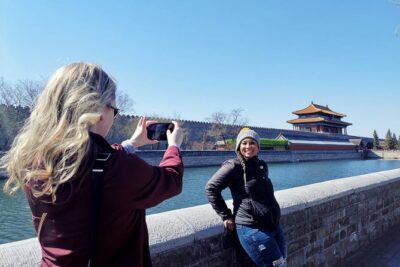 ★ 5.0All-Inclusive Tour: Tiananmen Square, Forbidden City, Great WallFrom $1282,873 reviews
 ★ 5.04-Hour Small Group Tour to Forbidden City with Entry TicketsFrom $151,863 reviews
 ★ 4.5Tiananmen Square Registration Service(Ticket)From $31,704 reviews
 ★ 5.0Beijing Full Day Tours: Tiananmen Sq, Forbidden City, Great WallFrom $991,634 reviews
 ★ 4.6Tianmen Square, Forbidden City & Royal Museum ToursFrom $41,288 reviews
 ★ 5.0Beijing Forbidden City Ticket Booking (Optional: guide service)From $91,263 reviews
Browse the lists this tour appears in