
Reviewed · BEIJING STAGE & HERITAGE SHOWS
Beijing: Imperial Cuisine Experience & Cultural Performance
Stepping into imperial food feels oddly real. At the Yuxiandu Imperial Cuisine Museum, you get a guided museum look paired with a set royal-style dinner and a cultural performance. It is one of those Beijing experiences that feels like a whole evening plan, not just another meal.
What I like most is the way the museum framing turns dishes into stories. You see how court cooking changed over centuries, and then you taste versions of famous imperial flavors in a palace-like dining room. I also like the show, because it is entertainment, but it also helps you connect the food to the larger court culture.
One thing to consider is the price for a fixed menu and time slot. At $137 per person, you will want to be sure you are excited about both the dining and the performance, not just one of them.
Key things to know before you go
- Museum-first approach: You start with exhibits that trace imperial cuisine over five millennia.
- Over 1,000 artifacts on display: Expect curated utensils and historical documents, not just photos.
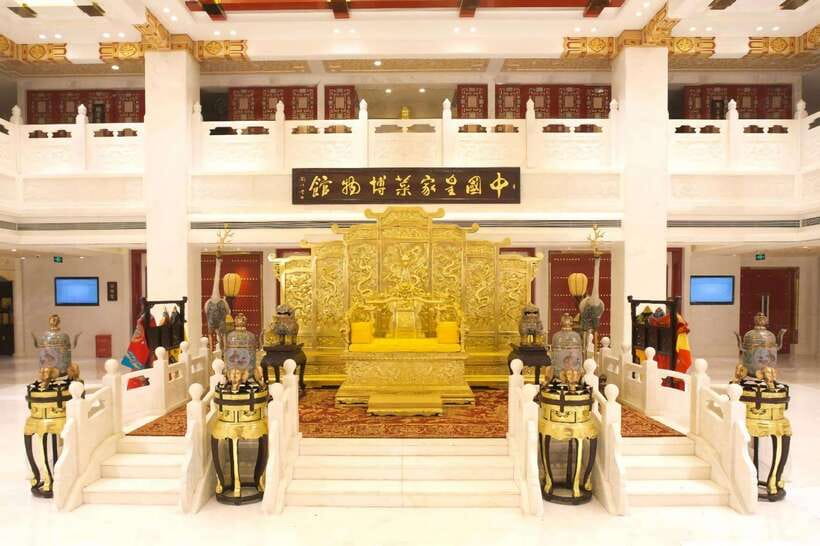
- A palace-style dinner setup: The restaurant design is meant to feel like an imperial household.
- Performance is part of the package: Music and dance performances follow the meal.
- Costume and makeup are not included: You watch performers in traditional looks, but you are not transformed.
- Timing is strict: Ticket checks happen at set times, then the show begins soon after.
Beijing imperial dining at the Yuxiandu Museum, what it is really like
This is a Beijing experience built around one idea: the food is the entrance, and the museum supplies the context. The Yuxiandu Imperial Cuisine Museum sits in the Haidian District near Sijiqing Bridge, and it functions as both a museum and an on-site restaurant.
The vibe is part educational and part theatrical. You do not just eat. You are meant to understand what emperors and their households ate, and why court cuisine mattered enough to preserve through dynasties.
The museum is also set up to feel polished. It is recognized as a national AAA-level tourist attraction, so you should expect smooth organization, clear service, and a comfortable space to wait between parts of the program.
You can also read our reviews of more tours and experiences in Beijing.

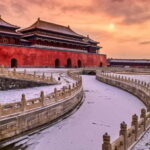
The museum portion: how imperial cuisine evolves across dynasties
You walk into a museum that focuses specifically on imperial Chinese cooking, not Chinese food in general. The collection is described as covering the evolution of Chinese royal dishes over five millennia, with a highlight window through major historical periods up to the Qing Dynasty.
What you will see is the kind of material that helps your brain connect dates to flavors. There are over a thousand precious historical artifacts, including dining utensils and valuable documents. Even if you do not read everything in detail, the presence of period utensils makes the cuisine feel less like folklore.
A big part of the museum experience is the focus on court chefs and famed dishes tied to Chinese history. The exhibits introduce you to what was considered important at the imperial table, and how food choices reflected status, seasonal thinking, and the role of ceremony.
If you like a “story-led” museum more than a “walk fast and snap photos” museum, you will probably enjoy the pacing. If you prefer to skip interpretation and go straight to eating, you might feel the museum time is just the warm-up. Either way, the museum is doing its job, setting up the menu so it lands with more meaning.
Your imperial meal: a multi-course menu with palace flavors
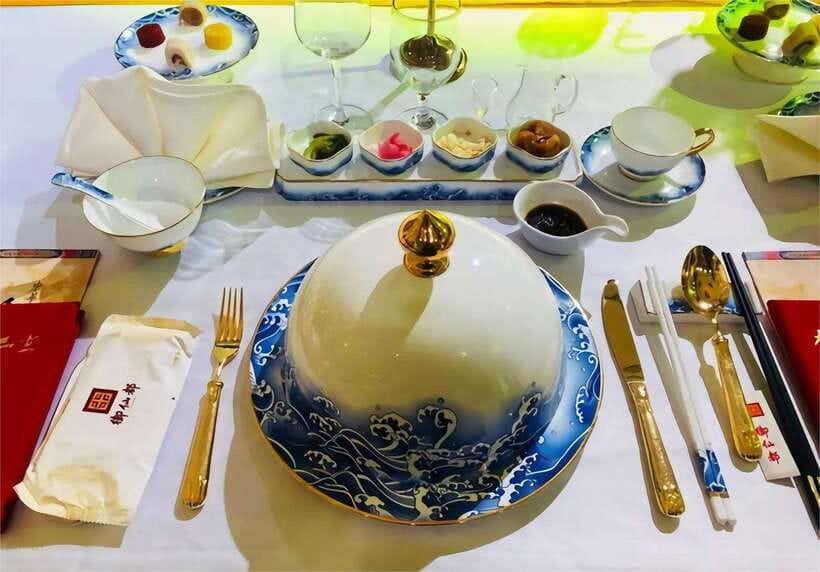
Dinner here is not a free-for-all buffet. You get a set sequence, designed to replicate the sumptuous meals enjoyed by royalty. That matters, because it shapes what you actually taste, and it shapes the pace.
The included menu is listed as follows. You start with snacks and an appetizer platter, then move through a series of main dishes and sweet notes. The goal is variety in texture and flavor, with classic imperial ingredients showing up again and again.
Here is the menu sequence you should expect:
- Braised Sea Cucumber with Fish Maw in Casserole
- Marinated tofu and bamboo shoots
- Roast duck with jujube wood
- Chinese cabbage in soup
- Roasted lamb
- Longevity noodles with poached eggs
- Deep-fried dough sticks (youtiao) with milk
- Yogurt filled with honey
A few dishes deserve extra attention because they signal the imperial style. Sea cucumber and fish maw are the kind of ingredient pairings that show how court cuisine leaned into special-occasion ingredients. Roast duck cooked with a wood flavor twist (jube wood) also points to how aroma and presentation mattered.
Then you get balance. You have tofu and bamboo shoots for a lighter, grounded feel, plus cabbage soup to reset your palate. And the “longevity” theme with longevity noodles and poached eggs is a clear cultural cue that food was tied to symbolism, not only taste.
If you are adventurous with food, this menu can feel like a guided tasting. If you are picky about very rich or very specific ingredients, you may want to think carefully before committing to a fixed set.
The dining room: palace-style atmosphere you do not have to fake
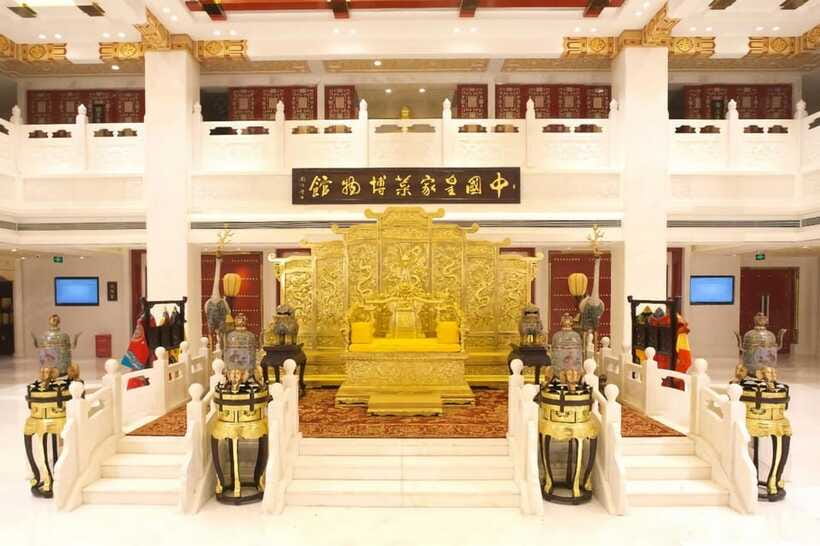
The restaurant design is built to mirror an ancient palace setting. That is a key piece of value here because it affects how the meal feels in your head, not just on your tongue.
You will likely feel the difference compared with a normal Beijing restaurant because the space is meant for performance pacing too. The lighting, layout, and service flow are arranged around the idea that the meal and show connect.
This matters for first-time visitors. A lot of cultural shows feel separate from the food. Here, the design pushes them closer together, so the meal feels like part of the overall court experience.
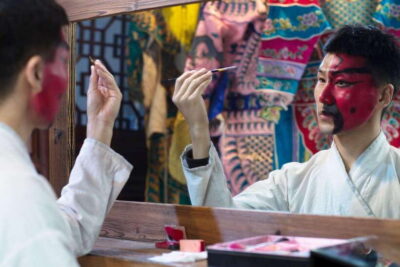
Do note one thing though: traditional costume and makeup transformation are not included. So you are not getting dressed up as an imperial family member. You are there as you, and you watch the setting do the work.
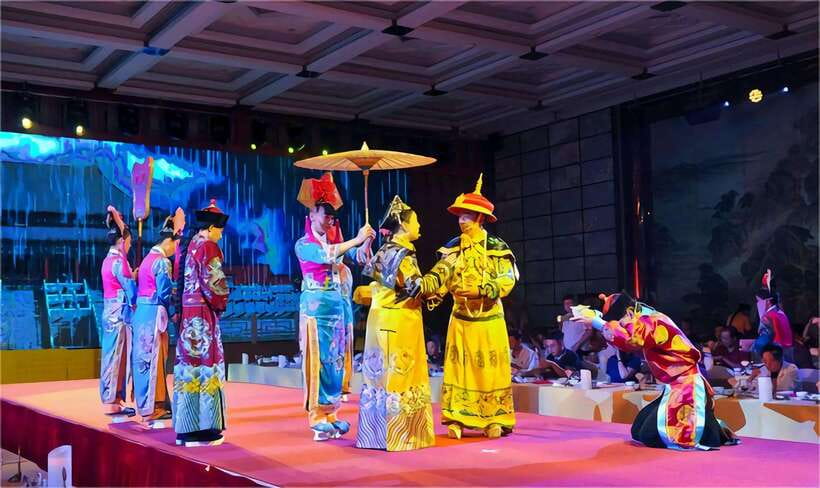
The cultural performance: music, dance, and court visuals
The package includes a performance alongside your meal. The show starts shortly after the meal check-in window, which means you are not stuck waiting for long stretches.
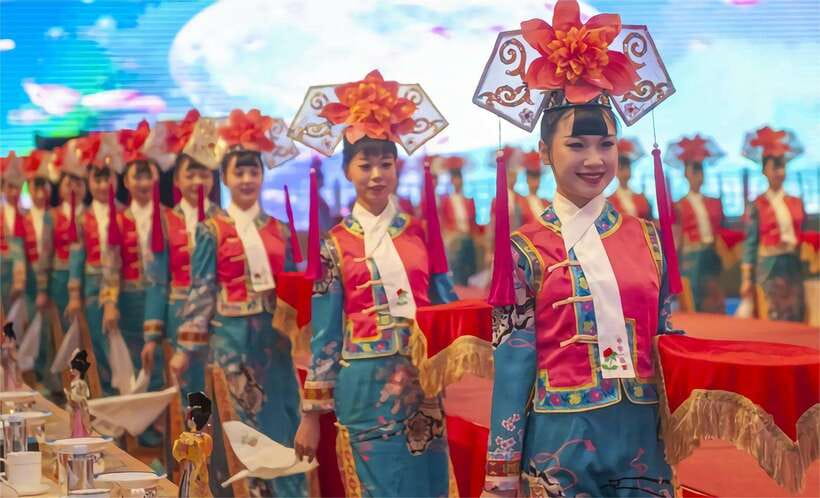
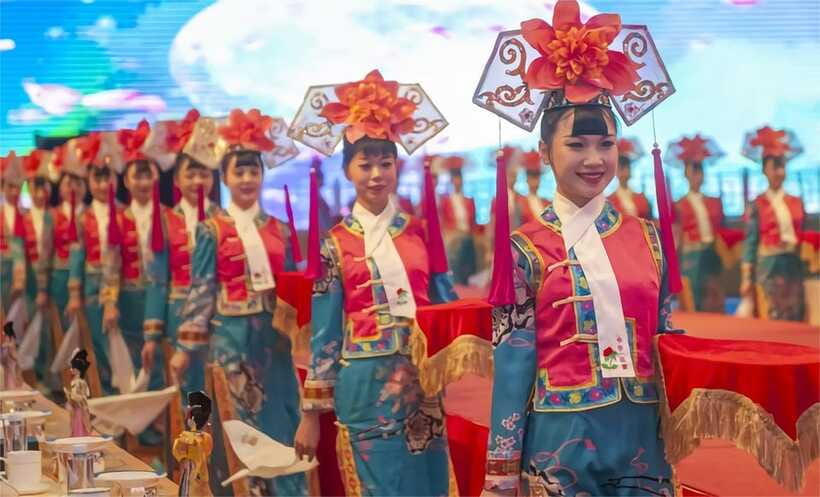
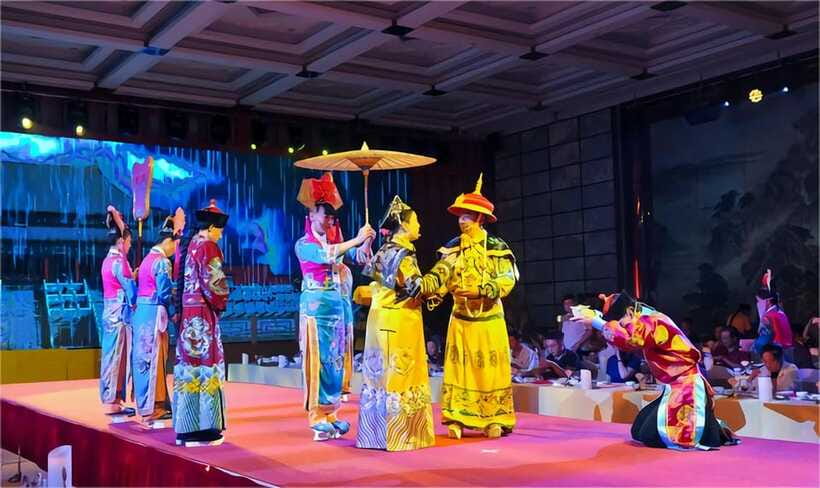
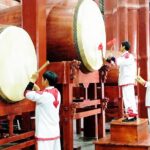
From the reviews you can get a good sense of what the performance emphasizes. People highlight historical presentation with traditional clothing, music, and dance. One review also calls out the role of colors and overall show energy.
This performance appears to be the kind of cultural show that tries to make imperial life feel visible. It also helps explain why this kind of dinner exists in the first place. Court cuisine was entertainment for the elite, and this show is basically the entertainment layer built on top of that concept.
What I like about having the performance here is pacing. You eat, then you get visuals and rhythm that keep the evening from turning into a long meal-only event. If you are coming to Beijing for experiences, that rhythm can make the evening feel complete.
If you are hoping for a costume-inclusive participation element, temper expectations. Costume and makeup transformation are listed as not included. You should expect to watch, not get staged into it.




Price and timing in Beijing, how to make it worth your time
The price is $137 per person, for 3 to 4 hours. That is a lot compared to an ordinary meal, but it is also paying for more than dinner: you get the meal plus the performance, and you also get the museum framing that sets up the dishes.
The key is to match this to your priorities. If you care about learning and you also want an organized cultural evening, the package can feel like good value. If you only want the food, you might feel the performance is extra. If you only want the show, you might feel the museum portion takes time.
Timing is very specific, so plan around it. There are two slots based on check-in times:
- Lunch window: ticket checking at 11:38 AM, performance start at 12:10 PM
- Dinner window: ticket checking at 6:28 PM, show begins at 6:50 PM
You should arrive a few minutes before the ticket check time. That gives you room for any queueing and helps you get seated in time for the meal and then transition smoothly into the show.
One more practical note from a review: the performance was described as the favorite part by someone who also felt the platform price was high. If you are very price sensitive, you might want to compare booking options rather than assume one price is always the best.
Who should book this imperial cuisine experience
This is a great fit if you like experiences that connect food to culture. You will probably enjoy it more if you are the kind of traveler who likes a museum that explains why a meal matters, then lets you taste the result.
It is also a good choice for a first-time Beijing visit when you want something that feels structured and easy to follow. The restaurant is on-site, the performance is included, and the timeline keeps you moving.
You should think twice if you are traveling with very young children. It is not suitable for children under 2 years.
You will also get along better with this experience if you are okay with a fixed menu. This is not listed as choose-your-own-course. The menu is set, so your experience depends on whether you enjoy the imperial ingredient style.
Wheelchair accessibility is listed as available, which is helpful if you need it.
Small practical tips I recommend before you go
A palace-style dinner experience rewards simple preparation. I would treat it like a planned evening, not a casual stop.
- Arrive early enough for seating, because ticket checks happen at specific times.
- Expect a multi-course format, so do not schedule heavy meals right before. Save room for the sea cucumber, fish maw course, and the rich sequence after.
- If you are sensitive to strong or unusual ingredients, think about which items you can enjoy before you book. The menu is clearly listed, so you can make that decision in advance.
- If you care about the total cost, compare booking prices across platforms. One review specifically suggested that tickets can be cheaper elsewhere.
Should you book the Yuxiandu imperial cuisine dinner and show?
Book it if you want a structured evening that combines three things: imperial-cuisine museum context, a set royal-style meal, and a performance. At $137 for 3 to 4 hours with meal and show included, it can feel like a fair trade if both parts are your goal.
Skip it or reconsider if you are only interested in one part, either the food or the show. Because the menu and the program are fixed, you will feel the cost more if you end up indifferent about the museum framing or the performance.
If you do book, pick the time slot that fits your day in Beijing. Then arrive just a bit early, get seated on time, and treat the meal as the main event, not an afterthought.
FAQ
How long is the Beijing Imperial Cuisine Experience at Yuxiandu?
The duration is 3 to 4 hours.
Is the meal included, and is there also a performance?
Yes. The package includes the meal and the performance.
What is included in the menu?
The listed menu includes snacks and an appetizer platter, braised sea cucumber with fish maw in casserole, marinated tofu and bamboo shoots, roast duck with jujube wood, Chinese cabbage in soup, roasted lamb, longevity noodles with poached eggs, deep-fried dough sticks with milk, and yogurt filled with honey.
Are traditional costumes and makeup transformation included?
No. Traditional costume and makeup transformation are not included.
What are the ticket check and show start times?
For lunch: ticket checking is at 11:38 AM and the performance starts at 12:10 PM. For dinner: ticket checking is at 6:28 PM and the show begins at 6:50 PM.
Do I need to arrive early?
Yes. Arriving a few minutes before the ticket checking time is recommended to allow time for any queues and to be seated before the meal and performance.
How do I get the actual ticket?
The QR code generated on the GetYourGuide platform is not the actual ticket. Your real ticket will be sent to you via email, so check your inbox.
Is the experience wheelchair accessible?
Yes, it is wheelchair accessible.
Is it suitable for young children?
It is not suitable for children under 2 years.
Is there free cancellation?
Yes. You can cancel up to 24 hours in advance for a full refund.
More Tour Reviews in Beijing
Not for you? Here's more nearby things to do in Beijing we have reviewed





Beijing Stage & Heritage Shows, compared.
 ★ 5.0Beijing Golden Mask Dynasty Show with Private TransferFrom $6698 reviews
 ★ 4.4Traditional Cultural Show Peking Opera TicketsFrom $2866 reviews
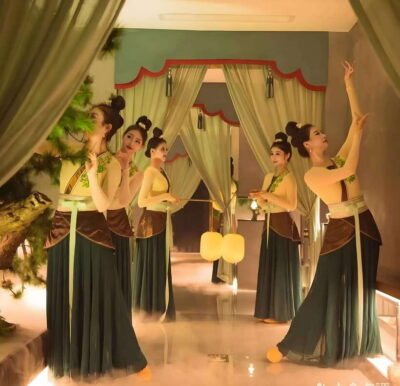 ★ 4.4Beijing Royal Dinning Experience with cultural performanceFrom $9957 reviews
 ★ 5.0Beijing Culture: Tea Ceremony, Heritage Instrument & CalligraphyFrom $7857 reviews
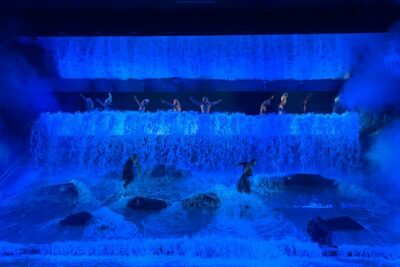 ★ 5.0Beijing Night Golden Mask Dynasty Show Ticket with Guide and PickupFrom $6626 reviews
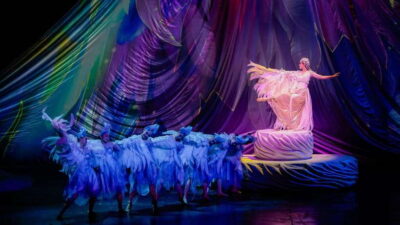 ★ 4.8Golden Mask Dynasty(Oriental Mythology)Show TicketsFrom $4110 reviews
Browse the lists this tour appears in