
Reviewed · BEIJING HUTONG & COURTYARD WALKS
Beijing: Hutongs & Food & Culture Walking Tour
Old Beijing still feels lived-in. This walking tour takes you through siheyuan courtyards and narrow hutong lanes, then turns to food and tea culture. I love the up-close look at courtyard life, and I also love the street-food stops, especially jianbing guozi. One thing to consider: you walk for several hours and you need passport details for advance ticket booking, so bring the right ID and keep bags small.
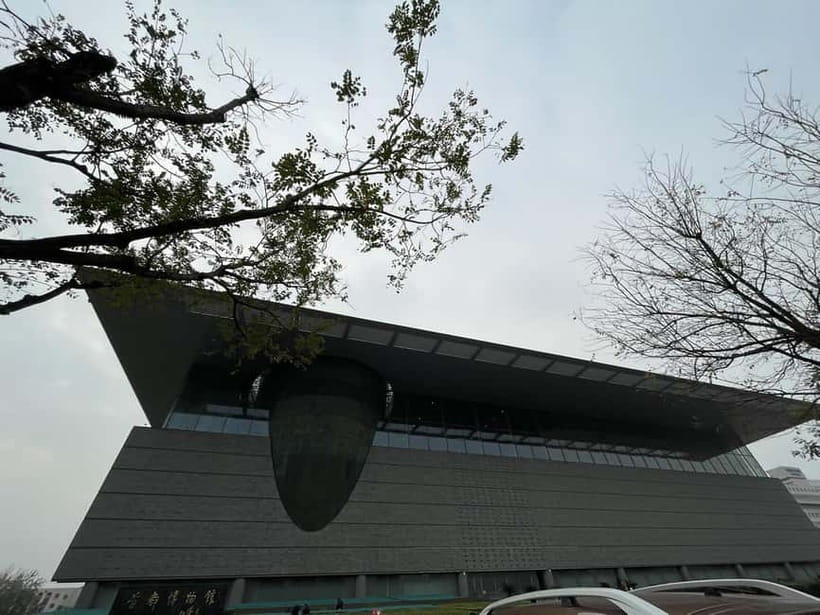
If you choose the start at Beijing Capital Museum, plan for about 3 hours of guided time in a big, interactive museum setting. Some options also add a rickshaw ride and a home visit, which can make the day feel extra personal. In return, you need to follow the rules closely, like no flash and no large bags, and food and drinks are on you.
Key things I’d plan around
- Siheyuan courtyards and hutong lanes: You see the classic layout of old Beijing life up close.
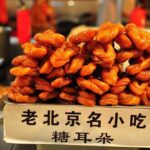
- Street-food checkpoints: You’re guided to snack staples like jianbing guozi, tanghulu, and douzhi.
- Beijing Capital Museum guide time: If you start with this option, you get a structured, English-first visit (plus other languages).
- Tea and crafts: A tea ceremony, with jasmine or oolong, plus paper cutting and calligraphy moments.
- Nanluoguxiang and Shichahai route: Traditional neighborhoods with modern edges, plus a calmer lakeside break.
- Optional rickshaw and home visit: The experience can shift from “viewing” to “meeting the place.”
Hutongs and siheyuan, what you actually notice on the walk
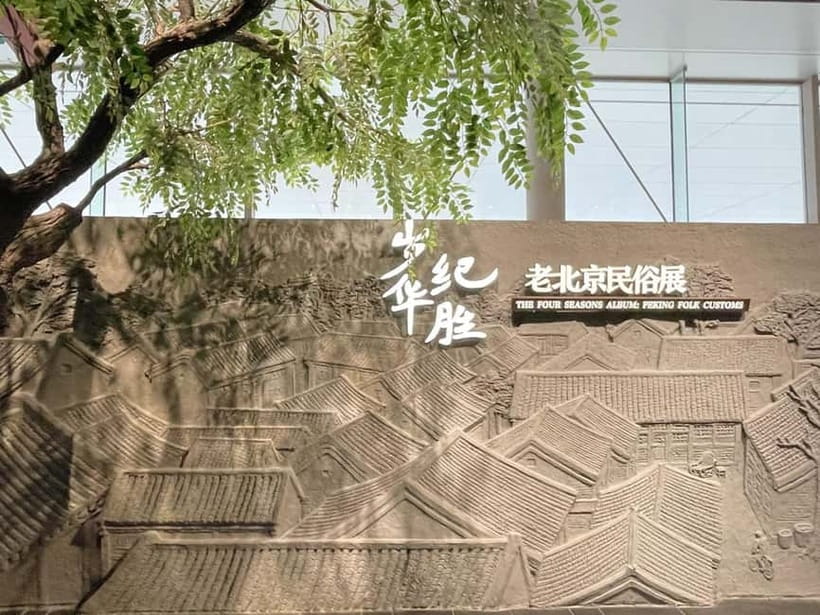
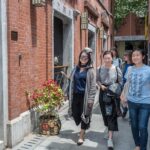
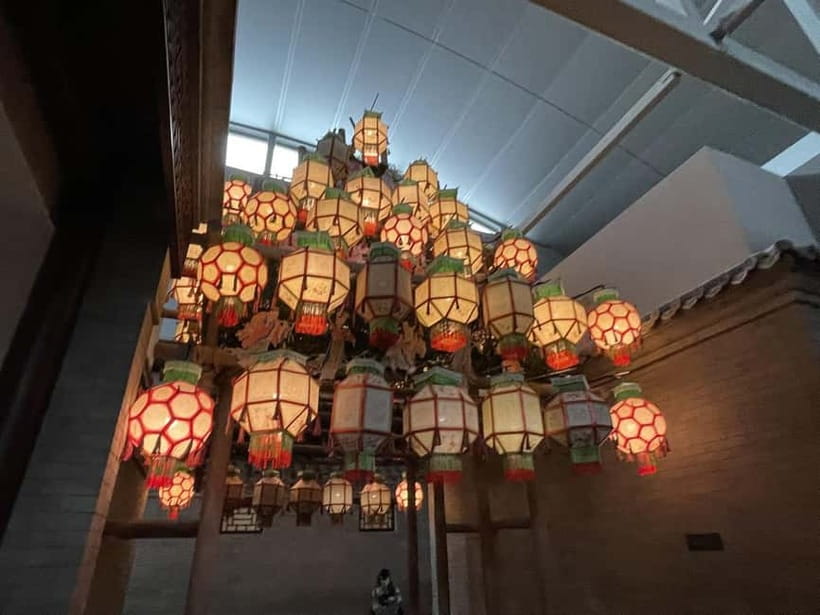
The core of this tour is the hutong experience, the narrow lanes where Beijing’s daily life used to happen in close quarters. You’ll move through winding cobblestone-style paths and past siheyuan courtyard residences, the gray tiled roofs and red wooden doors people picture when they think of old Beijing.
What I like is that the tour does not treat hutongs as just a backdrop. You get time to understand how courtyards shape family routines, and how a lane feels different from a big avenue, tighter, slower, more human-scaled. If you pay attention to doorways, walls, and the little everyday details, the place starts to make sense quickly.
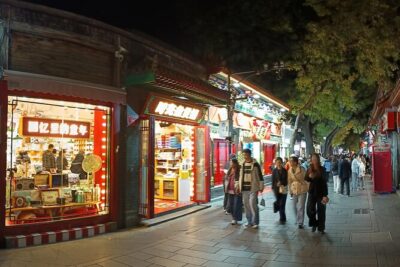
The route also matters for mood. Nanluoguxiang often feels like a blend of old and new, with traditional residences alongside shops and cafes. Shichahai shifts gears, with the lake and willow scenery creating a calmer stop where you might hear kites and see locals relaxing by the water.
A drawback to keep in mind is that hutongs are narrow and the day is still a hike. Even though the total time is listed as 3 to 6 hours, you should expect steady walking over uneven lane surfaces.
You can also read our reviews of more walking tours in Beijing
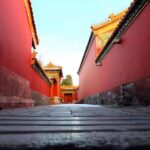
Nanluoguxiang and Shichahai, two sides of old Beijing life
Nanluoguxiang and Shichahai give you two useful perspectives in one day. Nanluoguxiang is where you see how hutongs survive while changing around them, with storefronts and cafes near older courtyard homes. If you like street-level atmosphere, this is the part where the city feels like it’s both historical and current.
Shichahai, on the other hand, is where you get breathing room. It’s a scenic lake area and it works as a natural pause during a walking-heavy experience. You may spot locals flying kites and you can expect a more relaxed pace near the water.
If you’re sensitive to crowds, this is also the area where you can choose where to stand for a few minutes. Lakeside viewpoints tend to be easier to manage than the tightest lane sections.
Beijing Capital Museum, your guided foundation for everything else
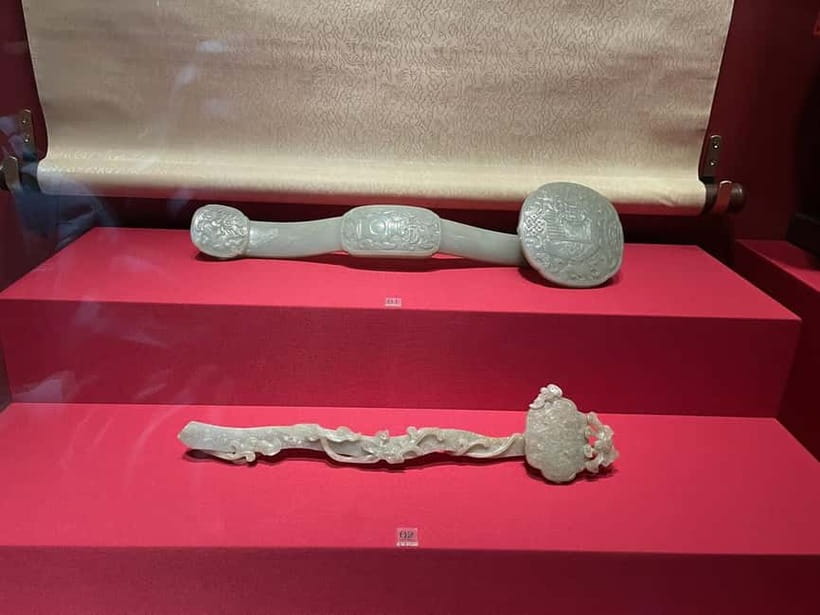
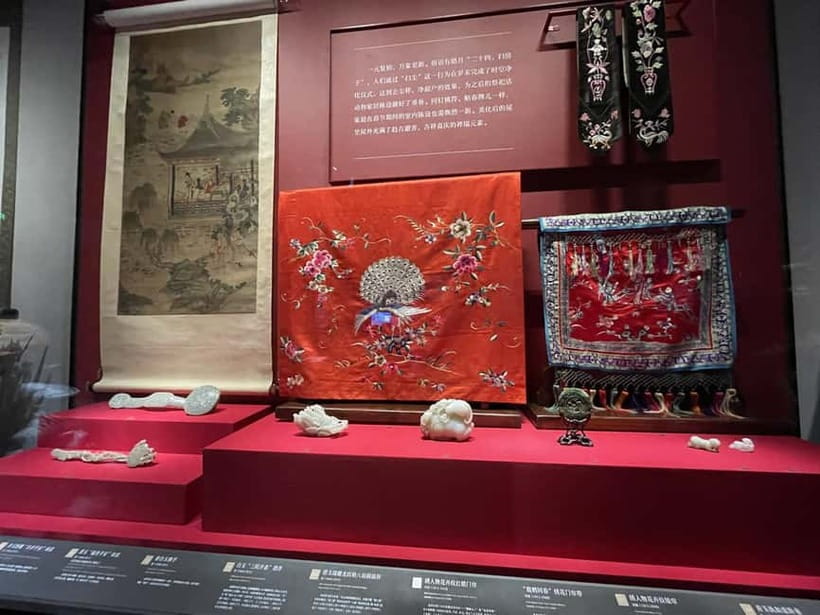
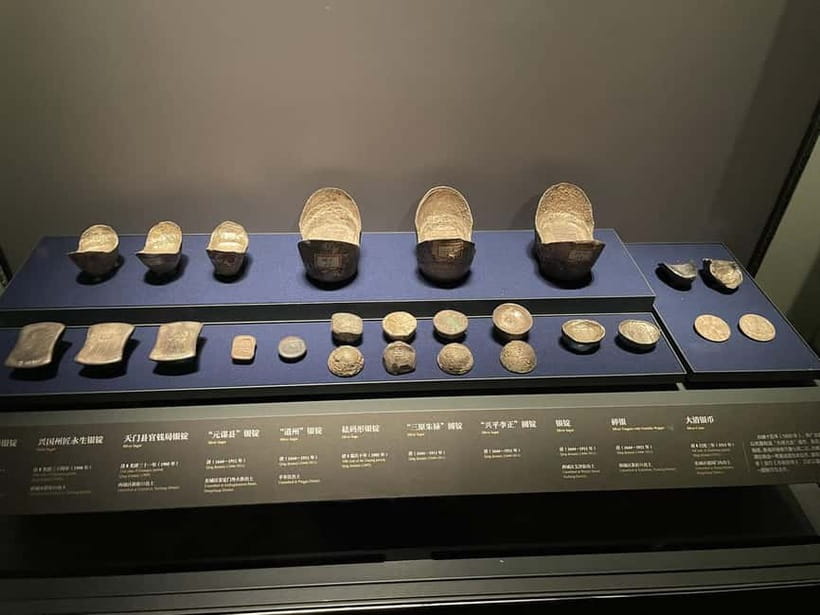
One of the strongest reasons to book is the option that starts at Beijing Capital Museum with a guided visit of about 3 hours. I like this structure because it gives you context before you hit the hutongs. Instead of wandering, you start with background, then the courtyards and street food feel like they belong to a bigger story.
The museum is also described as big and interactive, so it’s not just a gallery of objects. An interactive museum time can help you stay engaged when you’re touring all morning or early afternoon.
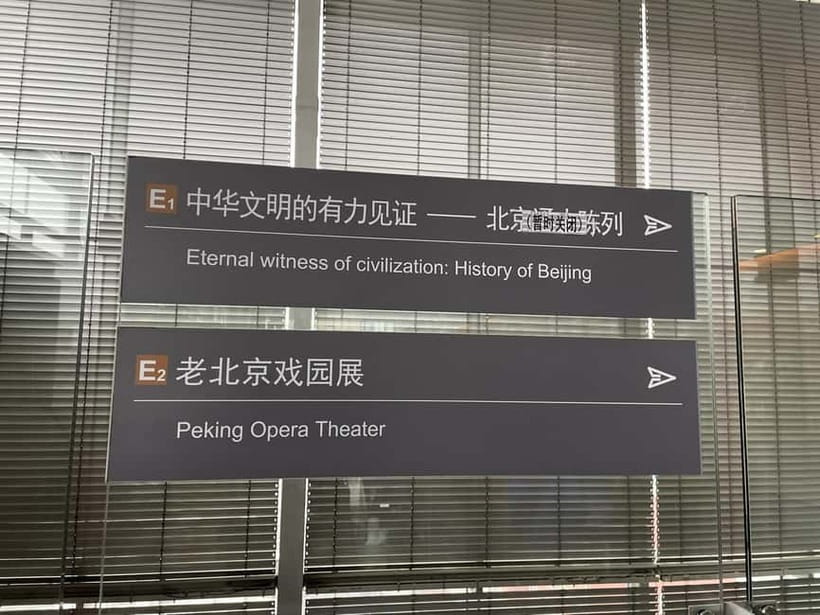
Practical note: the tour data says the museum is wheelchair accessible, and the overall activity is labeled wheelchair accessible. If you need accessibility accommodations, the museum section is likely the easiest part to navigate compared with the tightest hutong lanes.
If you’re short on time, know that this museum block can shape the whole day. It can turn the tour from a quick flavor of hutong life into a fuller half-day.
Food stops that are worth tracking, from jianbing to tanghulu
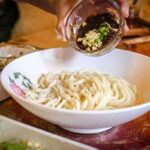
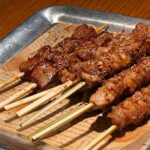
Food is a real part of the experience here, not just an afterthought. You’ll follow aromas to local stalls and family-run places, and you should expect snack-sized stops that help you taste Beijing street culture without needing a full meal plan.
Because food and beverages are not included, you’ll want to budget for your own purchases. That said, the tour still helps you decide what to try, and that’s a big deal in a street-food scene where it’s easy to freeze.
Here are the items the tour highlights, and what you should know about them:
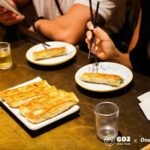
- Jianbing guozi: A crispy fried crepe filled with egg, scallions, savory sauce, and wrapped with crunchy wonton-style layers. It’s a common breakfast staple, and it’s salty and satisfying, not just sweet.
- Tanghulu: Candied hawthorn on a stick, sweet and tangy. It’s a good palate reset after something savory.
- Douzhi: Fermented mung bean soup, tangy with a distinct character. It’s often paired with youtiao (fried dough sticks) and preserved vegetables, which can make the overall flavor feel more balanced.
If you have dietary limits, you’ll want to plan carefully. The tour data does not list allergen guidance, so treat it as a “ask at the stall” situation. Also, flash photography is prohibited, so if you’re planning to document the food, rely on regular lighting and phone cameras.
One small but useful strategy: eat the jianbing first if you can. It’s crisp and filling, and it makes the rest of the tasting easier to enjoy.
Tea house time and crafts, where the culture becomes hands-on
This is not only a walk-and-eat tour. You’re also guided into a traditional teahouse setting where a tea master leads a tea ceremony. You might brew jasmine tea or oolong, and the guide will share stories about the art of Chinese tea.
What I like here is the slower tempo. After lane walking and street snacks, tea gives you a quiet pause where you can actually hear explanations instead of trying to catch them over city noise. It’s also a good moment to sit down and reset before you continue toward the next neighborhood.
The tour can also include folk craft demonstrations, specifically paper cutting and calligraphy. Paper cutting connects to the idea of good luck and prosperity through delicate patterns. Calligraphy gives you that tactile sense of brushwork and ink, even if you don’t get to write yourself.
If you get lucky with timing, you might catch a snippet of Peking Opera nearby, with its bold costumes and distinctive vocal style. The tour does not guarantee it, so treat it as a pleasant bonus, not a must-see.
You can also read our reviews of more food & drink experiences in Beijing
Rickshaw ride and home visit, what to expect from the optional add-on
Some versions of this experience include a rickshaw ride and a home visit. This is optional, based on what you select, so check your booking details carefully before you assume it’s part of your route.
Why it’s valuable: a rickshaw can help you move through tight lanes more comfortably, and a home visit shifts the tour from “looking at” to “being shown.” You should assume it’s more respectful and rules-based than a casual street stop, and you’ll want to follow your guide’s cues on where to stand and how to behave.
Even if your option does not include a home visit, you’ll still see courtyard life from the outside. The optional add-on is mainly for travelers who want a deeper feel for daily living rather than just the scenery.
Price and logistics, why the value can feel surprisingly high
The price listed is about $2.86 per person. That number is so low compared with what most guided city tours charge that it’s worth pausing and checking what’s actually included in your chosen option.
Here’s the value breakdown that matters:
- You get guided time as part of the selected starting option.
- You may get a rickshaw ride and home visit if that option is selected.
- You also get structured cultural stops tied to hutongs, tea, and crafts.
Food and beverages are not included, so the real cost of your day will depend on what you choose to buy at the street stalls. I find that tours like this can still be a great deal because they reduce uncertainty. You’re guided to what to try and where it fits in the cultural picture, which can save you time and bad-food guesses.
Logistics to be ready for:
- Start points can vary by option, including 鼓楼, 首都博物馆, and Shichahai.
- The tour is listed as 3 to 6 hours, so it’s a half-day style commitment.
- You need to bring a passport and send your passport or ID card information for ticket booking, and admission needs advance online booking.
- Photography is allowed, but flash and tripods are prohibited.
Also, the rules are strict about what you bring. Luggage or large bags are not allowed, so traveling with just a daypack is the safest plan.
Who should book this hutong and food culture walk
This tour is a good match if you want a guided way to experience hutongs without getting stuck trying to decode them on your own. I’d particularly recommend it if you like street food, tea culture, and practical explanations tied to places you can see.
It also works well for first-time Beijing visitors who want a mix of neighborhoods. Nanluoguxiang and Shichahai are different moods in one route, and the museum option gives you context so the rest lands better.
You might want to skip or choose another option if you:
- Don’t like walking for multiple hours.
- Need extra flexibility with breaks, because lane routes and scheduled cultural stops shape the timing.
- Are traveling with large luggage, since it’s not allowed.
- Are over 95 years old, since the tour is not suitable for people over 95.
This is also a good pick if you’re language-supported. The guide languages listed are English, Chinese, French, and Dutch, and the activity can be private if you want a more tailored pace.
Should you book this tour?
I’d book it if you want a structured hutong walk that includes food, tea, and a couple of culture stops, not just “see the lanes.” The optional museum visit can add real value by giving you context, and the optional rickshaw plus home visit can make the day feel more personal.
Before you hit reserve, do the simple prep checklist: bring your passport or ID, plan for no large bags, and budget extra for food since it’s not included. If that all fits your style, this is a very practical way to taste Beijing’s street culture and understand how courtyard life shaped the city.
FAQ
How long is the Beijing hutongs, food, and culture walking tour?
The duration is listed as 3 to 6 hours. Check availability to see the starting times for the specific option you book.
Where can I start the tour?
You can start from one of three options: 鼓楼, 首都博物馆, or Shichahai. The exact meeting point may vary depending on the option booked.
Is food included in the price?
No. Food and beverages are not included, even though the tour covers classic street foods you can try along the way.
What is included besides the guided walking tour?
Included items depend on your selected option. The tour includes a guided tour based on the starting option, and some options include a rickshaw ride and a home visit.
Do I need to buy museum tickets in advance?
Yes. Admission needs to be booked in advance online, and you need to send your passport information for ticket booking. You should send it as soon as you book, and during Chinese holidays you should book 7 days ahead.
Are there any rules about photography and what I can bring?
Flash photography and tripods are prohibited. Luggage or large bags are not allowed, and pets are not allowed (assistance dogs are allowed). Smoking indoors is also not allowed.
More Walking Tours in Beijing
More Tours in Beijing





More Tour Reviews in Beijing
Not for you? Here's more nearby things to do in Beijing we have reviewed




Beijing Hutong & Courtyard Walks, compared.
 ★ 5.0Beijing Hutong Walking Food and Beer Tour at Hidden RestaurantsFrom $801,132 reviews
 ★ 4.7Temple Heaven, Summer Palace, Lama Temple, Hutong Bus TourFrom $58319 reviews
 ★ 5.0Temple of Heaven, Summer Palace, Lama Temple, Hutong ToursFrom $99311 reviews
 ★ 5.0Beijing Private Hutong Food Walking TourFrom $82299 reviews
 ★ 5.0The Hutong Experience by BikeFrom $150163 reviews
 ★ 5.0Hutong Culinary Walking Tour with 15+ TastingsFrom $76162 reviews
 ★ 5.0Beijing Hutong Breakfast Food TourFrom $45155 reviews
 ★ 5.0Beijing City Walk: Explore Hutongs Life and Old BeijingFrom $15146 reviews
Browse the lists this tour appears in