
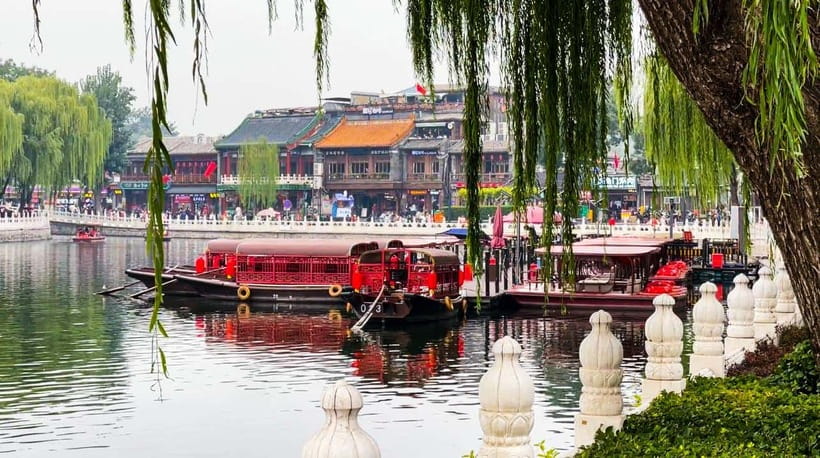
Reviewed · BEIJING HUTONG & COURTYARD WALKS
Beijing: Hutongs & Drum Tower City Walking Tour
Hutongs feel like Beijing’s secret bloodstream. I love the Houhai and Qianhai lake strolls and the hooded rickshaw glide through centuries-old alleyways. Just note that the final segment includes a Drum Tower climb, so expect stairs and plan for slower pacing if you need it.
This tour has a smart rhythm. You start with water and hutongs, add a cultural pause at a Taoism temple near the Jing-hang canal and Wanning bridge, and then head to Yandai Byway for casual browsing and local snacks.
I also like the human touch. It’s led by an English-speaking guide, and names like Alice, Amber, Lisa, Johnny, Tony, Jenny, Susan, and Linda show up repeatedly for strong English and caring, no-rush guidance.
Key things I’d circle before you go

- Houhai and Qianhai lakes nearby give you calmer views than the usual big-sight rush.
- Hooded rickshaw ride lets you experience hutongs the way visitors like President Nixon did in 1972.
- Yandai Byway ancient commercial street is made for snack stops and low-pressure souvenir shopping.
- Taoism temple by the canal adds a religious and cultural layer beyond architecture.
- Courtyard home visit option gives you a look at real layout, kitchen, and living room spaces.
- Drum Tower square and climb brings you into the center of old Beijing’s story, with city views at the end.
Shichahai meeting point, then hutong life right away
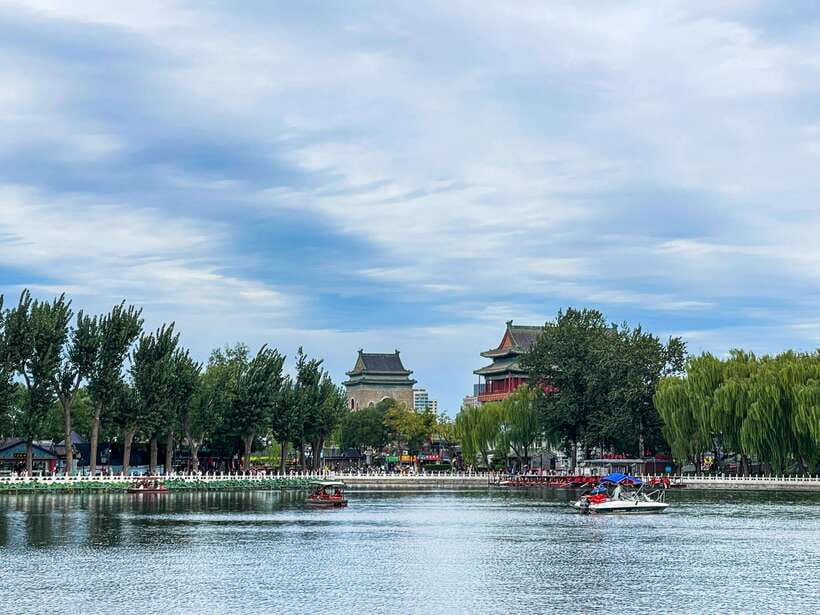
The tour starts at Shichahai area, with the guide meeting you at Exit A2 of Shichahai subway station on Line 8. Meeting point details can vary depending on what you booked, so check your confirmation carefully so you don’t waste time walking around the wrong gate.
From the beginning, the vibe is built around old Beijing lanes, not just landmarks. Hutongs are those narrow streets and alleys that spread through the older city like connecting routes, and this route chooses the hutongs close to water. That matters, because it keeps the experience more relaxed and scenic while you’re moving through tight spaces.
The tour also leans on storytelling. Your guide shares what hutongs were for, how courtyard life worked, and how Beijing’s city habits still reflect what came before. If you like your sightseeing to come with context, this kind of walking tour does a lot of the thinking for you.
You can also read our reviews of more walking tours in Beijing

Houhai and Qianhai lakes: Beijing views at walking speed
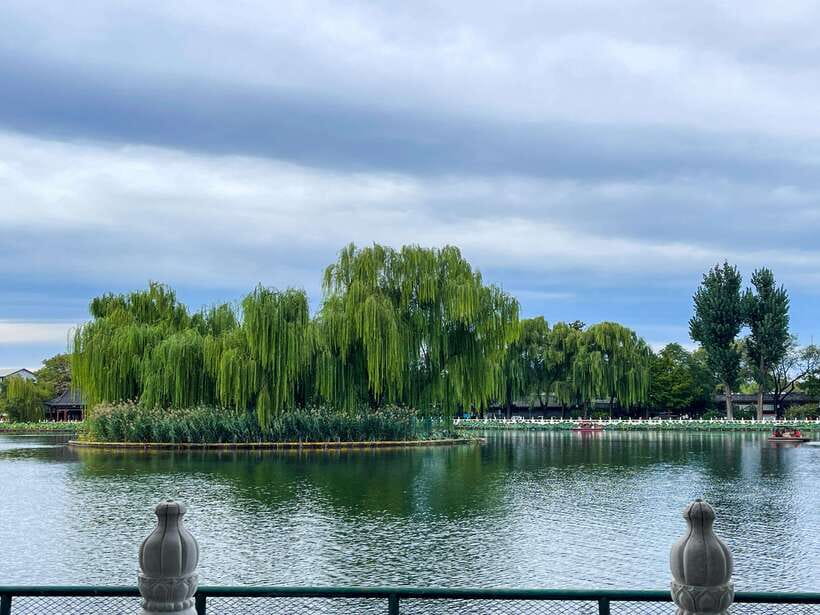
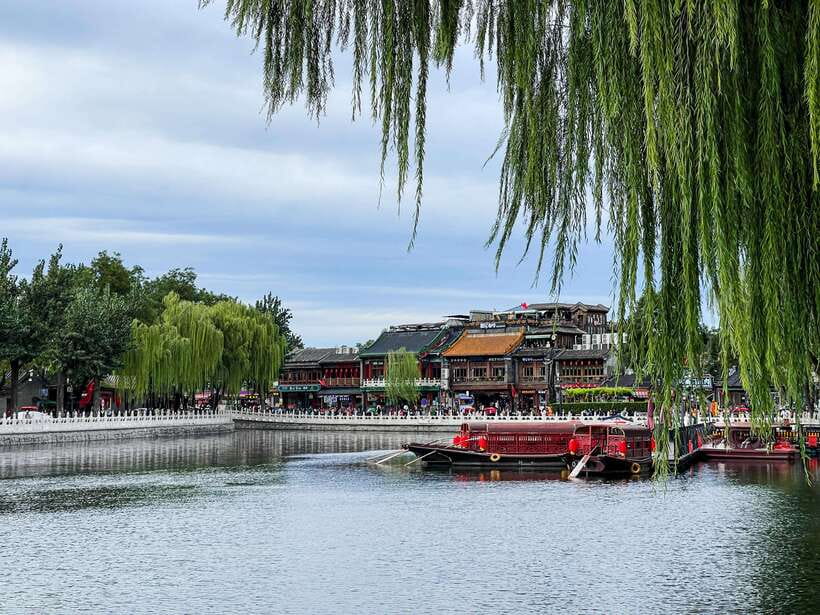
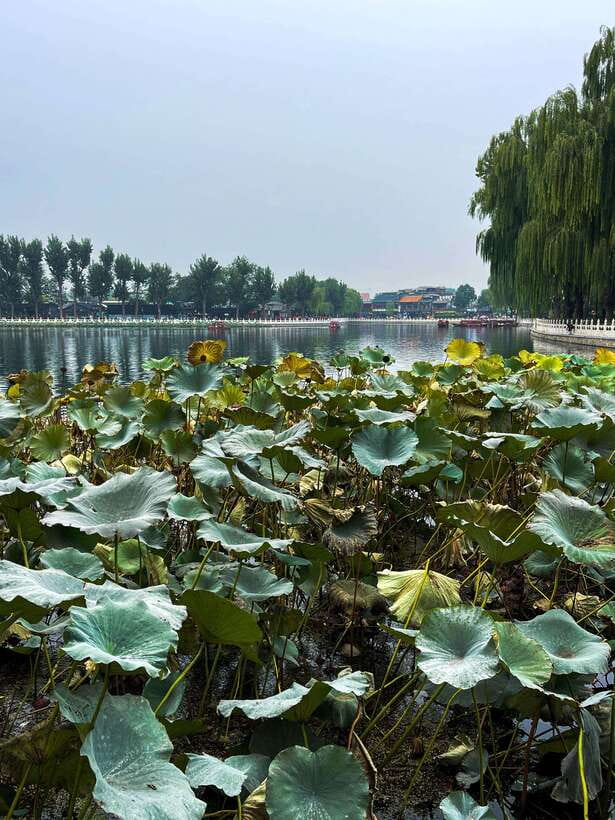
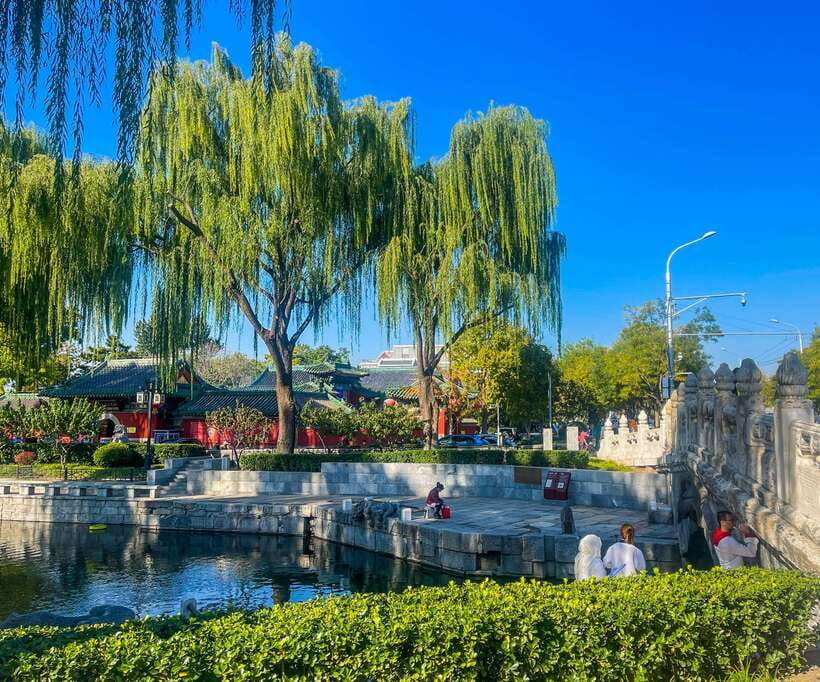
I really like how this tour uses water as a reset button. You’ll pass Houhai lake and Qianhai lake zones, and the change of scenery helps you see hutongs from more than one angle. When you’re surrounded by lanes, it’s easy to feel like you’re only looking at buildings. Near the lakes, you get breathing room, reflections, and that classic Beijing “old meets everyday” mood.
These waters also work as natural wayfinding points. Even if you’re not reading every street sign, you feel the direction of travel as the tour threads between lake edges and the older alleys.
Another practical win is timing. With a total duration of 3 to 4 hours, the lakes give you atmosphere without turning the day into a full-day project. You’ll still be back in the older city core by the time the tour reaches the Drum Tower area.
One more detail worth noting: bring an eye for small stuff. In this part of Beijing, the charm often comes from the side streets, doorway rhythms, and everyday routines, not just postcard angles.
Yandai Byway: snacks, shopping, and street-level Beijing
After the water and hutongs, you’ll walk to Yandai Byway, the ancient commercial street. This is the part where the tour shifts from quiet lanes to livelier street energy. It’s not about rushing through a museum-style route. It’s more like getting guided permission to wander, stop, and taste.
You’ll have free time to try local snacks at nearby stores. If you want to eat as you go, this is the segment that makes it easiest, because you’re not forced to commit to one set meal. The tour also works well for people who are picky, since local snack counters often offer small portions. (Still, always follow your own food comfort rules.)
You’ll also be able to buy souvenirs from local shops. The best approach here is simple: buy a couple of small items, not a full haul. The street can tempt you, and you’ll enjoy it more if you treat shopping like sampling.
One practical heads-up: the tour says to bring Chinese cash if you want to buy food from local stores. That’s the one item I’d plan for in advance, because cards aren’t always reliable at the tiniest counters.
A Taoism stop by the Jing-hang canal and Wanning bridge
One of the more interesting detours is the Taoism temple stop. You’ll see it beside the Jing-hang canal, near Wanning bridge, which is described as built by the Mongolian dynasty. That combination of waterway, bridge, and temple makes the whole area feel layered, like you’re watching geography and faith share the same stage.
The guide’s job here is not just pointing at buildings. You’ll learn about local religion and the gods’ stories, and you’ll also hear how young people today relate to these beliefs. Even if you don’t treat religion as your main travel interest, this stop can add meaning to what you see in the hutong world. Courtyards, temples, and street life connect more than you might assume.
Also, this is a good break from pure walking. Temples tend to slow your pace naturally, and that helps the rest of the route feel more enjoyable. If you’re tired, use the calm moments here to catch your breath before you tackle the Drum Tower climb.
Rickshaw time: hooded tricycles through narrow hutongs
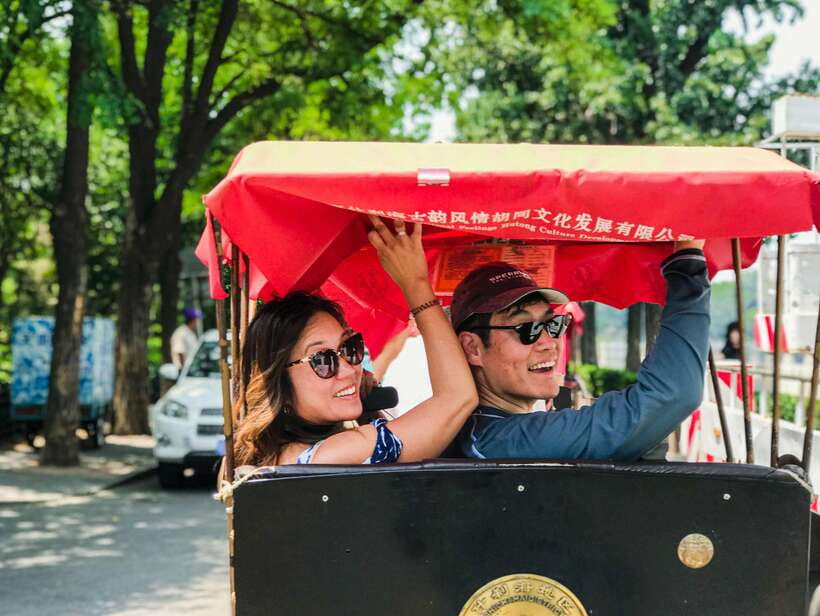
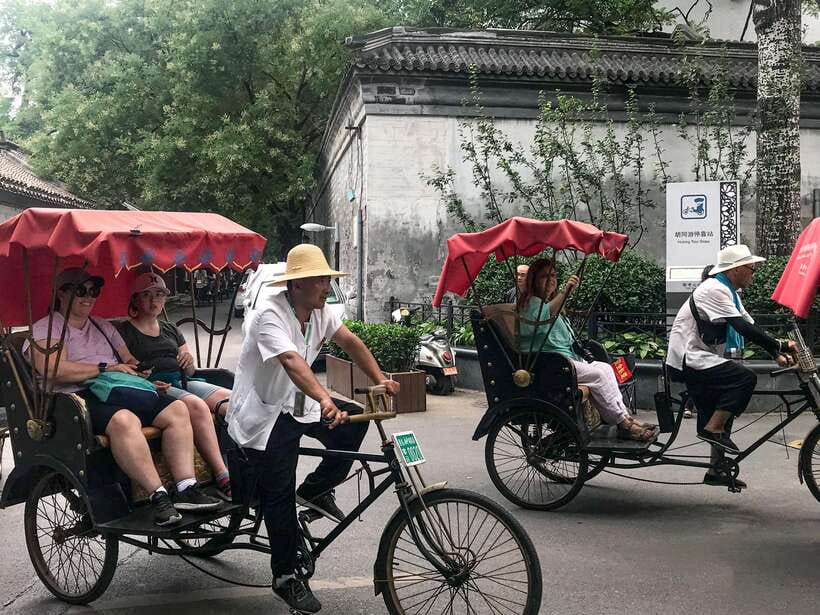
The highlight for many people is the rickshaw ride through the alleyways. This isn’t the modern scooter-style idea of sightseeing transport. It’s a hooded tricycle, described as the ancient taxi for nobles and rich business people. The tour even shares the story that when President Nixon visited China in 1972 with his wife, they really liked wandering these old alleyways by this unique method.
What this ride does well is remove the biggest walking problem in hutongs: the stop-and-go friction. Hutongs are tight. You turn corners often. You slow down for photo angles. By adding a rickshaw segment, you get to cover the old-town feel without your legs taking all the workload.
The tour description also gives you a sense of how it’s arranged. It’s designed for two people per rickshaw for about 30 minutes, listed as around 200 CNY for 2 participants. So if you’re traveling as a pair, you’ll likely share the ride in a way that feels social but still private.
One more reason I like this part: it changes your perspective. From the ground, hutongs can feel maze-like. From a seated, guided ride, you see the flow of the lanes and how courtyards sit back from the street.
You can also read our reviews of more city tours in Beijing


Courtyard home visit option: seeing daily layout, not just photos
If you choose the option, the tour includes a rickshaw ride and home visit. This is where Beijing becomes personal. You’ll say ni hao to a local family and get a chance for free chatting, guided by your English-speaking host.
The big value here is the courtyard layout. You can see parts of a traditional courtyard house, including spaces like the kitchen and living room. It’s not about a performance. It’s about understanding how families organize life around a courtyard, with rooms connected in a way that feels practical and intimate.
This segment can also be a cultural reality check in a good way. Hutongs get romanticized in photos, but a home visit brings you back to how people actually use space, move around, and live day to day. Even if you don’t speak the language, the home setting makes questions feel natural.
There’s one consideration, though. Home visits are usually more sensitive and time-bound than outdoor sightseeing. So if you’re the kind of person who likes to linger without limits, this might feel structured. The trade-off is worth it if you want a real local connection rather than just walking past gates.
Drum Tower square and the climb for old Beijing city views
The tour ends in the Drum Tower zone. You’ll walk to the square located between the Drum and Bell Towers, where you hear stories of Beijingers from old dynasties to now. This part is about big picture meaning. After narrow lanes and intimate courtyards, arriving in a central landmark area helps you stitch together the whole city story.
Then comes the climb. The tour describes the Drum Tower as about 600 years old, and you’ll climb it. Expect stairs, and don’t treat it like a quick photo stop. The goal is to reach viewpoint time and absorb how the city opens up beyond hutong walls.
Once you’re done, you’ll have the chance to try local snacks or food around the area. That’s a smart finish because it turns the physical effort into a reward that still feels street-level rather than tourist-restaurant formal.
One practical note: the tour says entrance tickets are not included. Depending on how the operator handles the Drum Tower access, you might need to pay for the climb or related access on site. If you’re budgeting tightly, set aside a little extra money just in case.
Price and what you’re really paying for at $69
At $69 per person for 3 to 4 hours, the value isn’t just the sightseeing list. It’s what’s mixed together: a guide with English support, hutong walking, scenic lake routing, a rickshaw segment, and an optional local family home visit.
For many visitors, Beijing hutongs are hard to do well on your own. You can stumble into alleys, but you might miss the reasons the lanes matter. You can see lakes, but without a narrative, it’s just pretty scenery. This tour tries to solve both problems by pairing geography with context and adding a transport piece that keeps you from exhausting yourself too early.
The home visit option adds another layer of value if that’s your style. Not everyone wants a private family interaction. But if you do, it’s usually the part that feels most real because it’s about space, everyday life, and conversation.
Your main variable is how much extra cash you plan for. The tour is clear that entrance tickets are not included, and it asks for Chinese cash if you want to buy food from local stores. If you go in expecting those small extras, the base price feels fair.
Should you book this Hutongs and Drum Tower City Walking Tour?
I’d book it if you want a hutong experience that’s not only about architecture. This tour connects waterside Beijing, snack street time at Yandai Byway, a cultural pause at a Taoism temple, and a meaningful end at the Drum Tower. The rhythm also makes it work for a half-day plan.
I would think twice if you dislike stairs or if you need everything fully ticketed and bundled. The Drum Tower climb can be a strain, and entrance tickets are listed as not included, so you may have a small on-site payment.
If you’re the type who enjoys being guided to good places to eat, wants a real courtyard glimpse (home visit option), and likes learning how everyday Beijing grew out of older city patterns, this one is a strong fit.
FAQ
Where do I meet the guide?
The guide meets you at Exit A2 of Shichahai subway station on Line 8. Meeting point can vary depending on the option you booked, so confirm your exact location before you go.
How long does the tour last?
It runs about 3 to 4 hours.
What’s included in the price?
The tour includes an English-speaking tour guide and a rickshaw ride. If you select the option, it also includes a home visit.
Are entrance tickets included?
No. Entrance tickets are not included.
Can I add a local courtyard home visit?
Yes. A local family visit is an option, and it includes time to say ni hao, chat, and view areas of a traditional courtyard house.
Do I need Chinese cash or a passport?
Bring your passport. Bring Chinese cash if you want to buy food from local stores during the free snack time.
Is the tour wheelchair accessible?
The tour is listed as wheelchair accessible.
What’s the cancellation and payment policy?
You can cancel up to 24 hours in advance for a full refund. It also offers reserve now & pay later.
More Walking Tours in Beijing


More Tours in Beijing


More Tour Reviews in Beijing
Not for you? Here's more nearby things to do in Beijing we have reviewed



Beijing Hutong & Courtyard Walks, compared.
 ★ 5.0Beijing Hutong Walking Food and Beer Tour at Hidden RestaurantsFrom $801,132 reviews
 ★ 4.7Temple Heaven, Summer Palace, Lama Temple, Hutong Bus TourFrom $58319 reviews
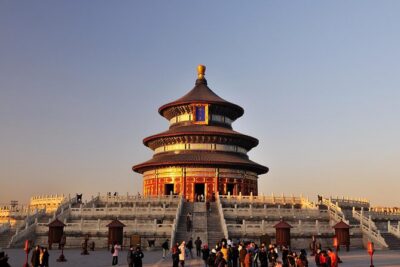 ★ 5.0Temple of Heaven, Summer Palace, Lama Temple, Hutong ToursFrom $99311 reviews
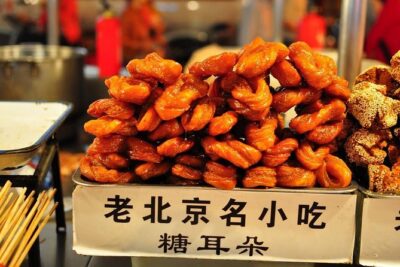 ★ 5.0Beijing Private Hutong Food Walking TourFrom $82299 reviews
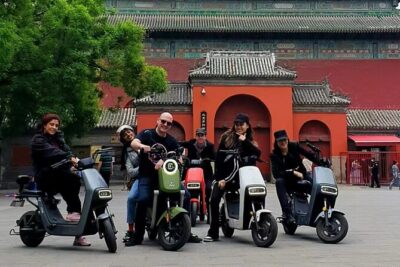 ★ 5.0The Hutong Experience by BikeFrom $150163 reviews
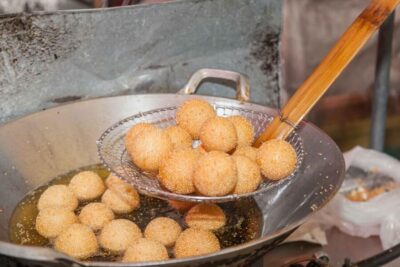 ★ 5.0Hutong Culinary Walking Tour with 15+ TastingsFrom $76162 reviews
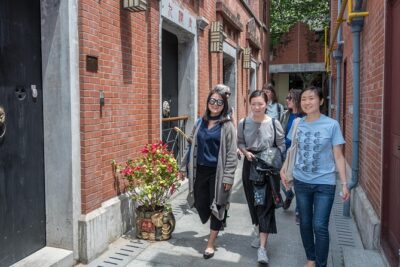 ★ 5.0Beijing Hutong Breakfast Food TourFrom $45155 reviews
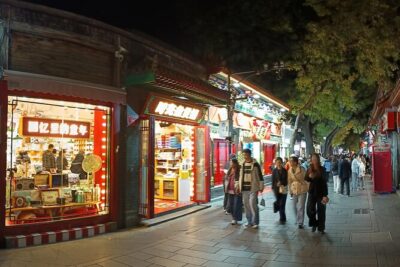 ★ 5.0Beijing City Walk: Explore Hutongs Life and Old BeijingFrom $15146 reviews
Browse the lists this tour appears in