
Reviewed · BEIJING HUTONG & COURTYARD WALKS
Beijing Hutong Walking Tour History, Architecture and Local Life
A real hutong route in just three hours. This Beijing hutong walking tour strings together Siheyuan courtyards, temple architecture, and pagodas while you walk through older lanes like Zhuanta Lane. I especially like that it starts at Xisi Subway Station area and keeps the pace tight, with free admissions at most stops and time to ask questions. One thing to consider: it runs in good weather, and the short 3-hour format means you will cover a lot of ground without lingering too long.
I also like the human touch the guides bring. Guides such as Lori and Dee are repeatedly praised for explaining layout details and even the significance of doors, plus for being friendly about questions and offering practical food and travel tips. The tour price, at $49, feels fair because you get a traditional Beijing drink and bottled water included, and the route stacks several temple and church visits without adding extra ticket costs.
Key Points You Should Know Before You Go
- Small group size (max 10) keeps the walk relaxed and question-friendly
- Free or included entry at multiple stops makes the $49 price feel more “all in”
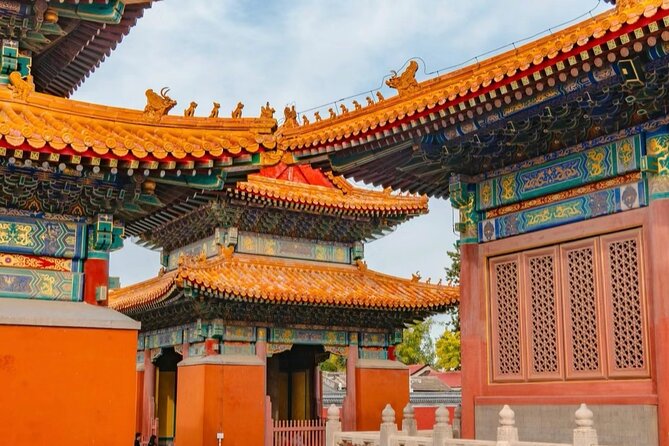
- Architectural variety in one route, from church and temples to stupa-style pagodas
- One real oldest-lane hutong walk on foot, where you can watch daily life unfold
- Guides share practical tips, including lunch and how to move around Beijing
- Mobile ticket makes meeting up simpler once you are at the station area
Why This Hutong Walk Fits First-Time Visitors Perfectly
Beijing’s hutongs can feel like a maze until someone gives you a map you can actually use. This tour solves that problem by threading a focused route through older neighborhoods, then comparing what you see with the modern parts of the city as you finish near Financial Street. In other words, you get the old city first, not later when you are tired.
The best part for me is the “architecture plus street life” mix. You do not just pose in front of gates. You learn what you are looking at: Siheyuan courtyard homes, temple buildings, pagoda-style structures, and the way religious sites sit inside the neighborhood fabric. The stops are short, but they are not random. Each one adds a new lens.
The second big win is that the guide does more than point. In the past groups, guides like Lori have been praised for explaining how hutongs are laid out and why doors matter. Dee was praised for being personable and for answering lots of questions, then handing out restaurant and travel tips that actually help the rest of your day.
You can also read our reviews of more walking tours in Beijing

Getting Oriented at the Xisi Subway Meeting Point
You start near Xisi Subway Station on Line 2 (meeting at the Xisi area, Exit C at Fuchengmen). This matters because hutong routes can be annoying to reach if you rely only on taxis. Using the subway keeps you on track.
You are also walking toward the Financial Street area at the end, exiting around 阜成门站 (Exit C, East Southeast side noted). That is a useful design, because you end closer to places many people want to go after a morning or early afternoon walk.
The tour is about 3 hours total, and that includes travel time between stops. So you should plan for movement. Comfortable shoes are not optional here, and you will want a light layer since the weather requirement is real.
Stop 1: Xishiku Church, Beijing’s Earliest Church With a Chinese Touch
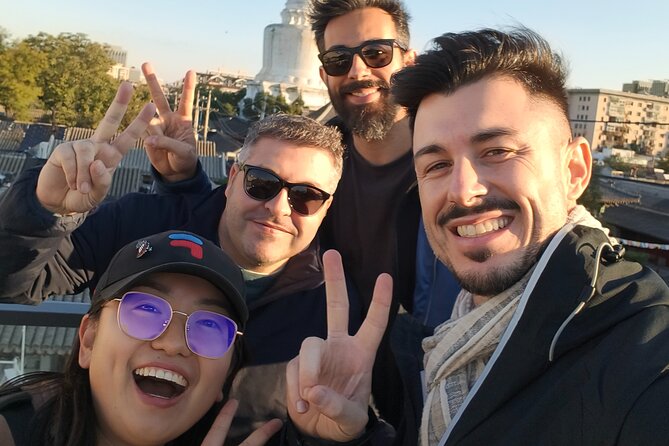
The walk begins at Xishiku Church, described as Beijing’s earliest church with a unique Chinese touch. This stop is a smart opener. It tells you right away that Beijing’s city story is not only dynasties and emperors. The city also absorbed different beliefs and architectural styles over time.
Expect a brief visit, about 10 minutes. That short window is intentional. You are not there to read a whole guidebook. You are there to notice the style cues and then move on to the older religious architecture that follows.
Practical note: because this stop is quick, come with a curious eye. Look at how the building relates to its surroundings, and be ready to ask the guide what makes it feel distinct.
Stop 2: Guangji Temple and Those Ancient Finger Paintings
Next up is Beijing Guangji Temple for about 20 minutes. The highlight here is traditional temple architecture plus ancient finger paintings. Even if you do not know anything about Chinese art history, you can usually understand the vibe fast: the architecture sets a solemn tone, and the artwork gives you something human to focus on.
This is one of those stops that makes the tour feel more than a walk between photo spots. You get a sense of how religious spaces function as quiet anchors inside busy urban neighborhoods.
Because the listed admission is free for this stop, you can treat it like a short cultural recharge. Do not rush it. Spend a few minutes looking carefully before you keep walking.
Stop 3: Zhengyang Shuju and the Yuan Dynasty Wansong Brick Pagoda
Zhengyang Shuju is where the tour turns architectural-geek fun. You will spend about 20 minutes here, including the Wansong Brick Pagoda from the Yuan Dynasty. Seeing a structure tied to a specific era inside a neighborhood context helps your brain connect dates to geography.
There is also a Siheyuan component, with a collection of old Beijing images. That matters because a hutong is not just streets. It is how people lived, and images are one of the quickest ways to picture that.
If you like architecture, this stop is a solid anchor. If you are less into structures, treat it as a turning point. This is where the tour starts feeling like a story: old city timeline, built form, then everyday life.
Admission here is also listed as free, so again, the tour keeps costs contained.
You can also read our reviews of more historical tours in Beijing



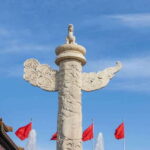
Stop 4: Zhuanta Lane, One of Beijing’s Oldest Hutongs
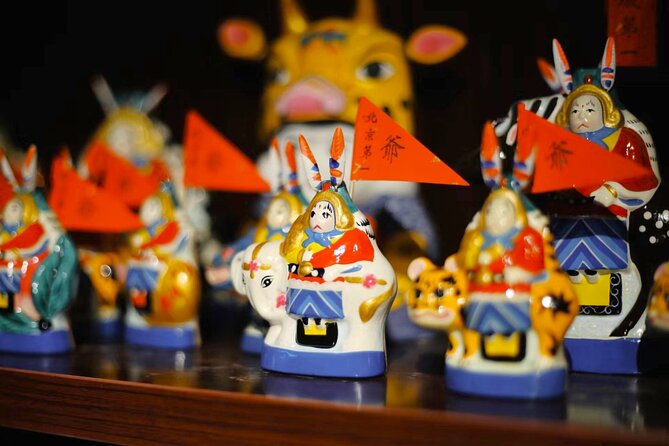
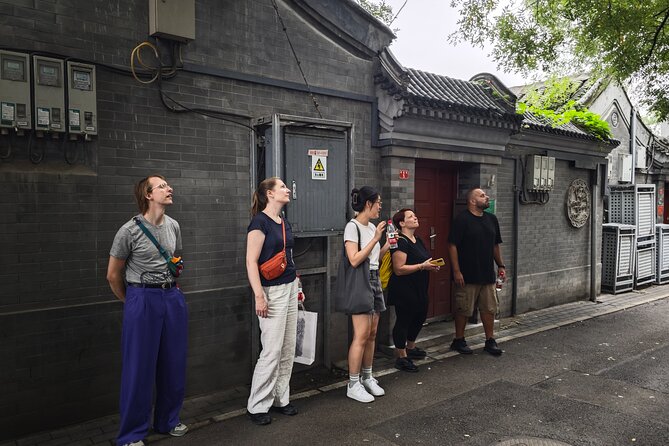
Now you get the kind of stop that makes hutong walking tours worth doing. Beijing Zhuanta Lane takes about 15 minutes, and it is described as one of Beijing’s oldest hutongs where you can glimpse daily life.
This is the part where you slow down mentally even if you keep moving physically. You will likely notice how the lane shapes movement and social space. The guide will help connect what you see to how hutongs function as neighborhood corridors, not just narrow streets for tourists.
If you want authenticity, this is the stop to prioritize mentally. Do not just snap a few pictures and zone out. Watch how the lane works, then listen for the explanation. When guides like Lori talk about layout and doors, this is the kind of place where those details start making sense.
Admission is free for this lane walk.
Stop 5: Lidai Diwang Miao, Ancestor Honor and Grand Temple Buildings
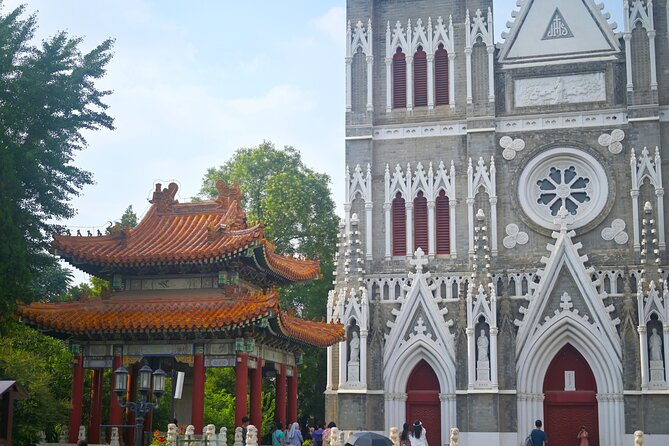
The next stop is Lidai Diwang Miao, also described as the Temple of Previous Dynasties or the Temple of Successive Emperors. You will have about 20 minutes, and it includes admission.
The big idea is ancestor worship and how the Chinese honor their predecessors. The stop description also mentions grand palatial structures, which is a key clue about what you should look for. Even if you cannot read a plaque, you can still notice scale, symmetry, and how the space directs your attention.
There is one caveat built into the tour plan: it is listed as if open. So you should be ready for the schedule to change slightly depending on access that day. That is normal with older religious sites.
If you care about how beliefs show up in architecture, this is a highlight. It is also one of the best places to ask questions, because the guide can translate the meaning behind what you see.
Stop 6: White Stupa Temple and Pagodas From a Cafe Balcony
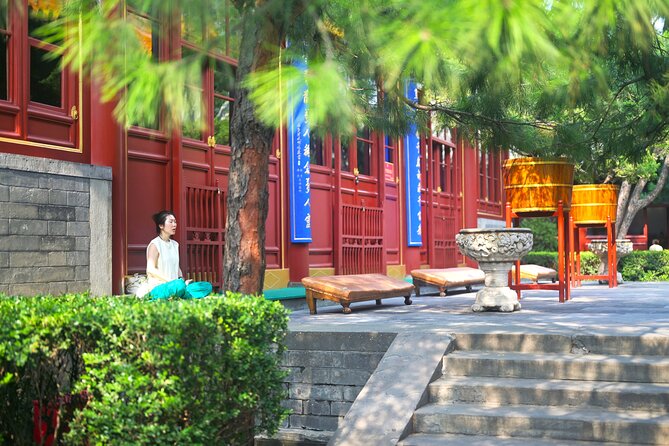
You finish at White Stupa Temple, also called Miaoying or Baita Si. This stop is about 15 minutes and includes a distinctive viewing approach. From a nearby cafe balcony, your guide points out the exterior design of the white stupa and introduces different types of Chinese pagodas.
That cafe balcony detail is small, but it changes the experience. It gives you distance and angles for the stupa structure, so you are not stuck looking at the same wall close up. You can compare shapes and get a better sense of the design intent.
The tour list also says admission is free for this stop. So you get a visual pay-off without added ticket cost.
Traditional Drink, Bottled Water, and Practical Tips You Can Use
This is one of those tours that feels considerate without being flashy. You get a bottled water plus a complimentary traditional Beijing drink. It is a nice reset, especially in heat or cool weather when you are walking between multiple sites.
What I like more is what the guide tends to offer beyond the sights. In the reviews, guides like Dee are praised for recommendations for restaurants and travel tips. That matters because a hutong route can leave you with a big question: What should I do next?
Even if the tips are simple, they can make your next meal easier to plan, and they can help you avoid wasting time backtracking.
Price and Value: Does $49 Really Make Sense?
At $49 per person for about 3 hours, this tour is priced like a solid middle option. It is not a bargain bus ride, but it also does not charge extra for most of what you see.
Here is why the value works on paper:
- Multiple stops have free admission tickets listed
- One major temple stop has admission included
- You receive bottled water plus a traditional Beijing drink
- The group is capped at 10 travelers, so you get time with the guide
Where it may feel less perfect is pacing. You are hitting six stops with short time blocks. If you want to sit and soak in one place for an hour, this is not built for that. But if you want a fast way to get oriented and learn how the city pieces fit together, it is strong.
What to Expect Day-of: Walking, Time Blocks, and Weather Reality
The total duration includes travel time between stops, so your schedule will feel like a steady walk with brief stops at each site. The listed visit times are short: 10 minutes, 15 minutes, and mostly 20 minutes. That is the structure.
Also, the tour requires good weather. That means if weather is poor, you may be offered another date or a refund. So check the forecast and dress for walking.
My practical advice:
- Wear shoes you can stand in for extended periods
- Bring layers, since temple courtyards and street air can vary
- Have your phone charged, since you will use a mobile ticket
- Go in with questions about what you see, because you will likely get good answers
Who This Tour Is Best For (And Who Should Skip It)
This works best if you:
- Want a concentrated hutong experience without coordinating multiple tickets yourself
- Like architecture and want help reading what buildings and lanes are telling you
- Are new to Beijing and need usable guidance for the rest of the day
- Prefer a small group with room to ask questions
It might not be ideal if you:
- Want long stays inside fewer sites
- Hate walking in changeable weather
- Plan to visit several other distant attractions right after, since the route ends near Financial Street but not necessarily near every popular spot
Should You Book This Beijing Hutong Walking Tour?
I think you should book if your goal is to get oriented fast, see a mix of hutong life and religious architecture, and leave with tips for where to eat and how to move around next. The route is compact, the group is small, and the built-in mix of places such as Xishiku Church, Guangji Temple, the Yuan Dynasty Wansong Brick Pagoda area, and the White Stupa viewpoint makes it feel like a coherent story rather than random sightseeing.
If you are the type who needs lots of downtime at one site, you might prefer a longer or more flexible tour. But for a first pass at Beijing’s older neighborhoods with real context, this one is a strong choice.
More Walking Tours in Beijing


More Tours in Beijing




More Tour Reviews in Beijing
Not for you? Here's more nearby things to do in Beijing we have reviewed


Beijing Hutong & Courtyard Walks, compared.
 ★ 5.0Beijing Hutong Walking Food and Beer Tour at Hidden RestaurantsFrom $801,132 reviews
 ★ 4.7Temple Heaven, Summer Palace, Lama Temple, Hutong Bus TourFrom $58319 reviews
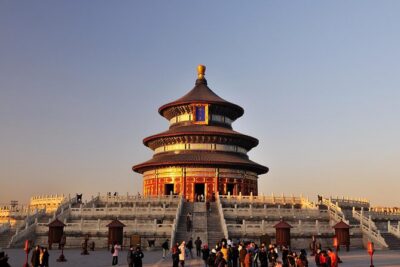 ★ 5.0Temple of Heaven, Summer Palace, Lama Temple, Hutong ToursFrom $99311 reviews
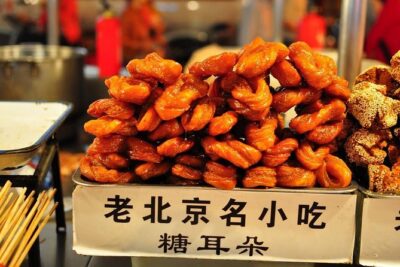 ★ 5.0Beijing Private Hutong Food Walking TourFrom $82299 reviews
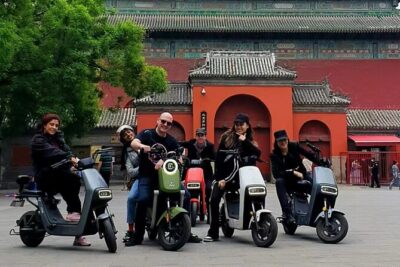 ★ 5.0The Hutong Experience by BikeFrom $150163 reviews
 ★ 5.0Hutong Culinary Walking Tour with 15+ TastingsFrom $76162 reviews
 ★ 5.0Beijing Hutong Breakfast Food TourFrom $45155 reviews
 ★ 5.0Beijing City Walk: Explore Hutongs Life and Old BeijingFrom $15146 reviews
Browse the lists this tour appears in