
Reviewed · FORBIDDEN CITY & TIANANMEN VISITS
Beijing: Forbidden City Walking Guided Tour w/ Entry Tickets
One walk can feel like a time machine. This guided Forbidden City tour pairs Tian’anmen Square with the Forbidden City for a focused, history-heavy morning without the usual chaos.
I like that you get an English-speaking guide plus the entrance ticket, so you spend time learning instead of hunting. I also like the practical flow, including skip-the-line handling and (if selected) a free shuttle inside the scenic area. The main thing to watch for is that security checks and ticket logistics can add waiting time, and one guide setup may not always match what you expect if the audio system runs into trouble.
Quick hits before you go
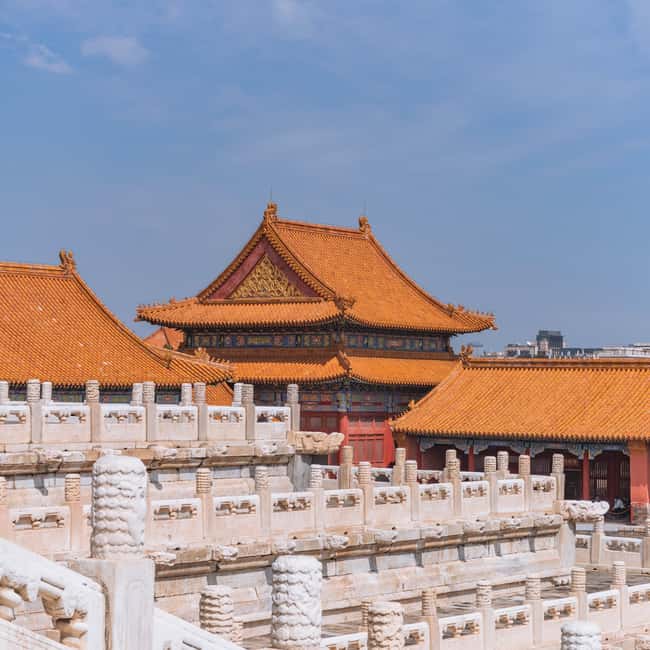
- Tian’anmen background you can use, including the Kuai Xiang connection and gate name details
- Skip-the-ticket-line handling, so you start sightseeing sooner
- 3 hours in the Forbidden City, with a structured explanation rather than aimless wandering
- Entry tickets and English guide included, plus roundtrip air-conditioned bus time with pickup options
- Plan around security rules, no large bags, tripods, or drones
- Not all add-ons included, like the Clocks and Treasure Gallery, plus optional cable car or toboggan
Tian’anmen Square, the central-axis start that actually makes sense
If you are new to Beijing, starting at Tian’anmen Square is smart. The whole area sits on Beijing’s central axis, so your guide can help you connect what you see outside to what you’ll walk into inside the Forbidden City. You are not just looking at buildings. You are learning how the city was organized for power and ceremony.
Tian’anmen itself started life in the Ming era. The plan is credited to Kuai Xiang, with construction beginning in the 15th year of the Ming Yongle reign (1417) and finishing in the 18th year (1420). It was originally named Chengtian Gate. That detail matters because it explains why Tian’anmen feels less like a single monument and more like a deliberate part of a larger political and architectural system.
You will likely appreciate this start most if you tend to get lost in big attractions. With a guide, the square becomes a map. It sets your brain up for what comes next, especially when you see the Meridian Gate later.
One practical note: Tian’anmen and the Forbidden City area both involve airport-style security. That means you should treat this morning like you are going to a major venue, not a quick museum stop.
A few more Beijing tours and experiences worth a look



The Forbidden City walk: 24 emperors, five centuries, and a clear route
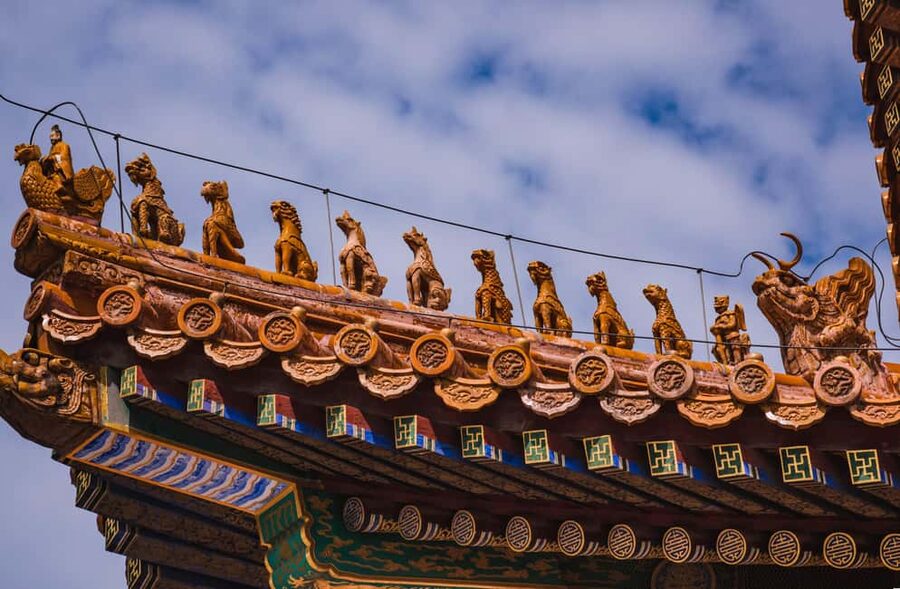
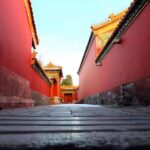
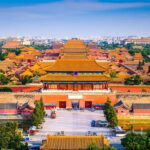
The Forbidden City is the world’s largest and most impressive ancient palace complex, and it was home to 24 emperors across five centuries. That sounds big in a headline way. On the ground, it becomes a lot of halls, gates, courtyards, and viewpoints that can easily blur together if you go solo.
That’s where this tour’s structure helps. You get about 3 hours inside the Forbidden City, plus guided explanation. Instead of trying to memorize everything on your own, you can follow a route that keeps you oriented: where you are, what the building’s role was, and why it mattered.
Your guide will focus on the big symbolism and the logic of the layout. You will move from the public-facing grandeur toward quieter inner areas, and each shift is part of the story. The tour description highlights the walk from the impressive Meridian Gate through to more mysterious inner courts, and that progression is exactly what makes this palace complex feel like a functioning world, not a pile of artifacts.
Also, since this is a walking guide tour with entry tickets included, you should enjoy the classic version of the Forbidden City experience: reading, watching, and noticing details as you go.
Meridian Gate to the inner courts: what your guide should point out
The Meridian Gate is often the first big “wow” moment, and it is also a strong teaching moment. When you stand near major gates, it becomes easier to understand why the place was built for ceremonies, authority, and strict hierarchy.
As you continue deeper, the vibe changes. Outer areas feel ceremonial and display-driven. Inner courts feel more secluded and more controlled. That contrast helps you understand why the palace layout mattered. It was not random. It guided people’s movements and reinforced rank.
Your guide’s job here is practical: turn what you see into a meaning you can remember. You might hear explanations about how Ming and Qing emperors used the palace, and how the grandeur of golden rooftops and big courtyards connects to the idea of imperial order. Even if you do not love memorizing dynasties, it still helps to know the why behind the architecture.
If you are bringing kids, this kind of guided “what you are looking at and why” storytelling tends to land well. One past participant mentioned a guide who was careful and attentive for a family. That’s the difference between a guide reading facts and a guide pacing the information so everyone can follow.
Skip-the-line handling and what can slow you down
On paper, this is built to be smooth: skip the ticket line, include your entrance ticket, and use transportation that keeps the commute from eating your whole morning.
In real life, though, it is still a top-site in a city where lines happen. One past booking noted that the group started about an hour after the meeting, then waited more than 30 minutes until tickets were issued. Another issue in the same set of feedback described a faulty audio system and a guide who was harder to understand because of it. A separate report complained about two hours spent on ticket delivery.
So here is the practical advice I give you: treat the first part of the day as “travel plus processing time,” not just sightseeing time. If you are tight on schedule, keep your next plan flexible.
To reduce stress:
- Arrive early enough that security does not make you rush.
- Bring only what you need. Large bags can become a problem in a security-heavy entry.
- If audio is included and you cannot hear clearly, ask right away for a workaround. A good guide will adjust their speaking volume or position.
Tian’anmen Square origin facts that make your photos better
Some tours give you dates. This one gives you dates with context, and that changes what you notice.
For example, knowing Tian’anmen was called Chengtian Gate earlier helps your photos and mental map. When you see the gate and the central-axis layout, you can connect the place to its early Ming-era planning rather than treating it like a modern landmark.
The Kuai Xiang detail is also useful. You do not need to quote it later, but it signals you are seeing the result of a planned state project, not just a decorative urban plaza.
Your photo strategy will also improve. Instead of photographing random crowd angles, you can frame shots with the central-axis feel in mind, because you understand why it’s aligned.
You can also read our reviews of more walking tours in Beijing



What’s included, what’s optional, and what you might want to add
This tour package is designed to cover the heavy hitters without stacking a ton of extras.
Included items:
- English-speaking guide
- Entrance ticket to the sites
- Roundtrip transportation by air-conditioned bus
- Free shuttle bus within the scenic area if you choose that option
- Private tour guide if you select a private group
Not included:
- Cable car (140 rmb per person, optional)
- Toboggan (140 rmb per person, optional)
- Forbidden City Clocks and Treasure Gallery
- Personal expenses
What that means for you is simple. If you mainly want the palace structures, gates, courtyards, and the guided explanations, this package fits well. If you are a completist or you care specifically about the Clocks and Treasure Gallery, you will need to plan for that separately.
Optional cable car and toboggan costs are listed, but you should view them as bonus activities rather than part of the core Forbidden City experience. With a focused half-day tour, you may not need them unless you specifically want the added ride time.
Price and value: why $4 can still be a real deal
The listed price is $4 per person, and that is shockingly low for what you get: English guide time, entrance tickets, and transportation support. Even if that price varies depending on options you choose, the bigger lesson is the value mix.
You are paying for:
- A guide who can explain what you are seeing
- Entrance handling for a top UNESCO site
- Transportation that removes the guesswork
The risks are usually not about value, they are about time. If ticket delivery or entry processing creates delays, your per-hour value drops because sightseeing time shrinks. That is why I recommend planning a calm day around this tour, not a schedule packed with timed reservations.
Also remember what you are not getting. The Clocks and Treasure Gallery is excluded, and optional rides cost extra. Those add-ons are not required for enjoying the Forbidden City, but they can matter if your ideal day includes every single stop.
In short: if the price you see matches the package, you are getting a lot of structure for a low cost. Just keep expectations realistic about security and ticket flow.
Who this tour is best for
This experience is a good match if you:
- Want a guided introduction to the Forbidden City without spending your day figuring out routes
- Prefer English explanation over reading everything on your own
- Are doing Beijing for a short visit and want a concentrated half-day plan
- Appreciate a walkthrough of major landmarks like Tian’anmen and the Meridian Gate
It is also a strong pick for families, because a guide who stays patient and attentive can keep kids from tuning out. And if you like getting photos, there’s at least one example of a guide being patient about taking pictures during the visit.
Private group availability can help if you want a more tailored pace, but the core value comes from the guided interpretation and the included entry handling.
Should you book the Forbidden City walking guided tour?
Yes, with two conditions.
Book if you want a time-efficient way to understand what you are looking at, and you like the idea of having an English-speaking guide manage the flow from Tian’anmen Square into the Forbidden City.
Be careful if you are extremely time-sensitive or you expect zero waiting at all. Security and ticket processes can add friction, and one past experience flagged audio problems and delays related to ticket distribution. Your best move is to build in buffer time and keep your next plan flexible.
If you go in ready to wait a bit, and ready to use the guide’s explanations as your translation layer, this tour can turn a giant site into a clear story you can remember.
FAQ
How long is the Forbidden City walking guided tour?
The duration is listed as 3.5 to 4 hours.
What does the tour cost?
The provided price is $4.00 per person.
Is an entrance ticket included?
Yes. Entrance tickets to the sites are included.
Will I skip the ticket line?
The tour notes skip-the-ticket-line handling.
Do I need to bring a passport or ID?
Yes. You need to bring a passport or ID card.
Do I need to provide my passport details when booking?
Yes. To reserve the site tickets, you need to provide names, nationalities, and passport numbers for all participants.
Is hotel pickup included?
Pickup is optional. A driver will pick you up from your hotel within Beijing’s 4th Ring Road. For places beyond that area, an additional fee may apply.
What items are not allowed at security?
You should not bring a large bag, camera tripod, or drones. All visitors must pass through airport-style security.
More Tickets in Beijing


More Tours in Beijing



More Tour Reviews in Beijing
Not for you? Here's more nearby things to do in Beijing we have reviewed






Forbidden City & Tiananmen Visits, compared.
 ★ 4.8Forbidden City Tour(Group/Private)-Tickets IncludedFrom $47,974 reviews
 ★ 4.8T-Square & Forbidden City Group or Private TourFrom $174,446 reviews
 ★ 5.0All-Inclusive Tour: Tiananmen Square, Forbidden City, Great WallFrom $1282,873 reviews
 ★ 5.04-Hour Small Group Tour to Forbidden City with Entry TicketsFrom $151,863 reviews
 ★ 4.5Tiananmen Square Registration Service(Ticket)From $31,704 reviews
 ★ 5.0Beijing Full Day Tours: Tiananmen Sq, Forbidden City, Great WallFrom $991,634 reviews
 ★ 4.6Tianmen Square, Forbidden City & Royal Museum ToursFrom $41,288 reviews
 ★ 5.0Beijing Forbidden City Ticket Booking (Optional: guide service)From $91,263 reviews
Browse the lists this tour appears in