
Reviewed · DUMPLING WORKSHOPS & HOME COOKING
Beijing: Dumpling-Making Class with wet Market visit
Dumplings start with a trip to the market. This half-day Beijing experience pairs a wet market walk with hands-on dumpling making at a local family home, so you see how ingredients turn into real meals, not just photos. You also get a shared lunch or dinner, plus tea time to round it out with local conversation.
I especially love how practical the market visit feels. You learn what people actually buy, how they talk about flavor and texture, and why some ingredients matter for certain dishes. The tea break is another standout, with fruit teas like lychee and other favorites that make the whole day feel more personal.
One drawback to consider: the schedule can feel tighter than the advertised 5 hours. Plan other evening stuff loosely, because the pace may depend on the group and what you choose to cook.
Key things I found most compelling
- Wet market first: you learn ingredients in context, then cook with the same ideas in mind.
- Family-home instruction: you shape dumplings and get feedback on the fold.
- Choose your dishes: besides dumplings, you can pick options like Kung Pao Chicken.
- Tea tasting with conversation: fruit teas such as lychee show up as real personal favorites.
- English guides with personality: you may meet guides like May, Sonia, or Peter.
- Hotel transfer available: the ride to the home makes this easy to start and finish.
Why the wet market stop changes the whole cooking class
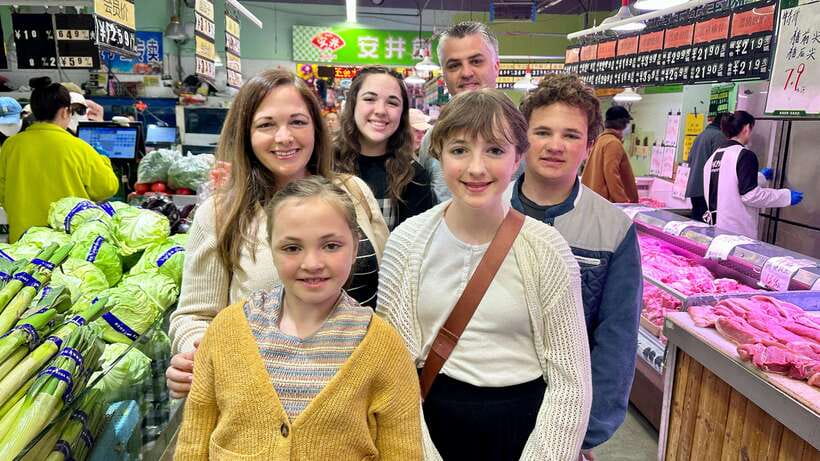
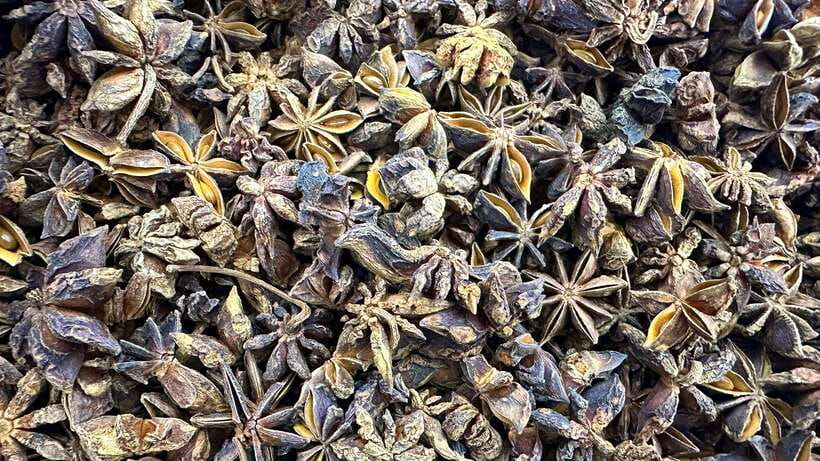
Most dumpling classes begin at a kitchen counter. Here, you start outside, in the wet market, where the food feels close enough to touch. You get to see everyday ingredients, the range of colors, and the kind of spices and produce that show up again once you’re kneading dough.
What I like is that the market visit isn’t just a photo stop. You learn how ingredients fit Chinese cooking, so when you’re later building dumpling fillings or choosing side dishes, things make more sense. It also helps you understand the logic behind flavor, for example the balance of savory, sweet, and a little tang that shows up in dishes you might cook later.
One practical note: markets can be crowded and active. Wear comfortable clothes and be ready for strong smells and busy movement, because that is part of the real experience.
You can also read our reviews of more tours and experiences in Tianjin.

Getting to the family home, hotel pickup and the real-world start
This tour is built for comfort from the start. You can meet at Subway Line 10, Shaoyaoju Station exit A, or you may be picked up from a downtown hotel depending on your option. Either way, you’ll use private transportation to get from the city to the local family’s home.
In a city like Beijing, this kind of setup matters more than it sounds. You skip the stress of navigating with a time crunch, and you arrive ready to cook instead of still figuring out directions. It also sets expectations: once you’re at the home, you’re in a shared kitchen environment, not a staged classroom.
Keep in mind there’s also a private or small-group format. If you’re the type who likes more interaction with the guide and cooks, private can feel worth it.
Inside the market: what you’re actually learning as you walk
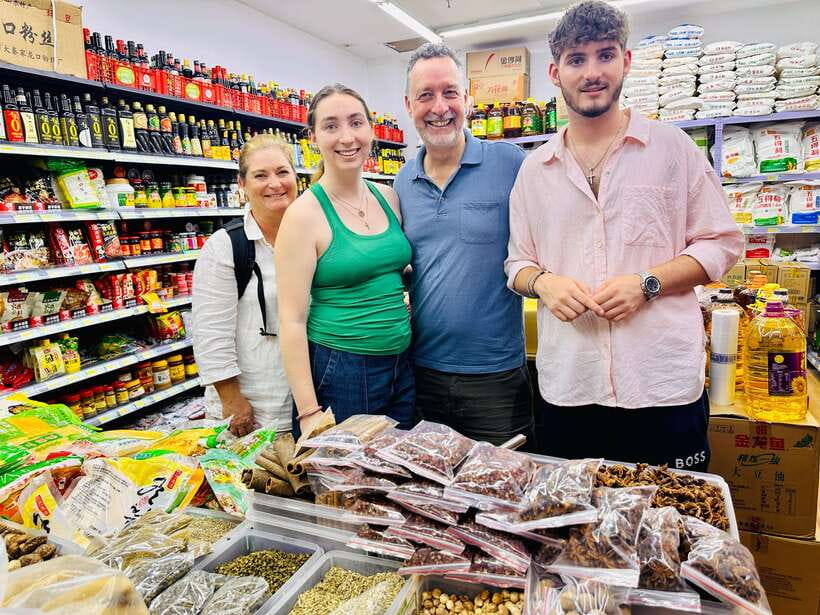
During the wet market portion, the guide explains ingredient choices used in Chinese cuisine. That means you’re not just looking at food, you’re hearing how people think about it. You’ll get a sense of what gets used for dumpling fillings and for the dishes you’ll make later.
From the experience descriptions and what people tend to remember most, the market is bright and sensory. Many people come away talking about the colors and the variety of fruit and spices they did not see elsewhere. If you’re curious about what goes into Chinese pantry staples, this is where those details start to click.
A small caution: if you have food allergies, this part is not a good fit. The tour data specifically says it is not suitable for people with food allergies, and that’s the right call for a market-to-kitchen experience.
Dumpling-making at a local home, from filling to the fold
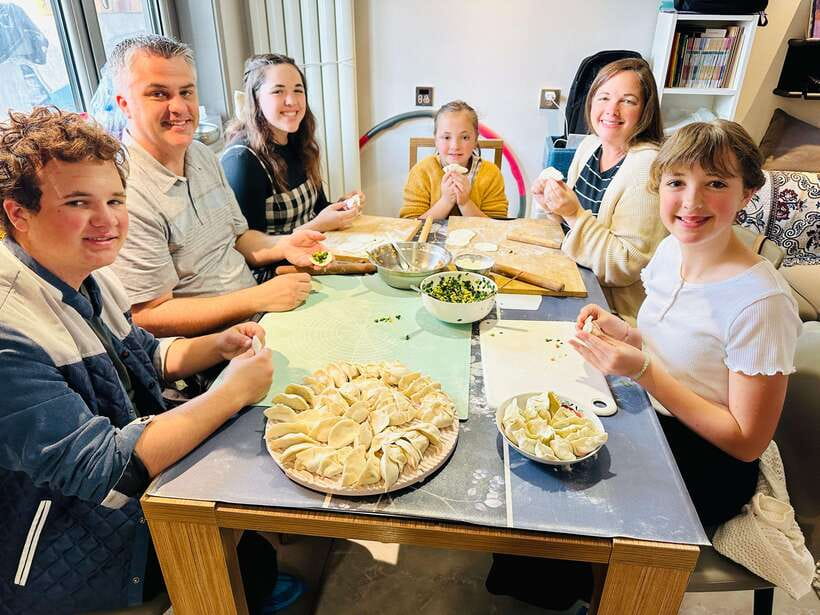
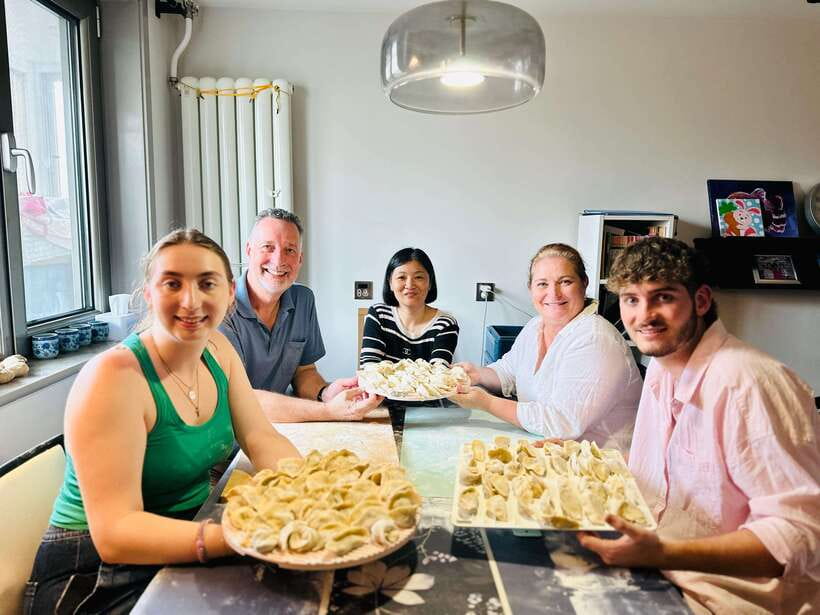
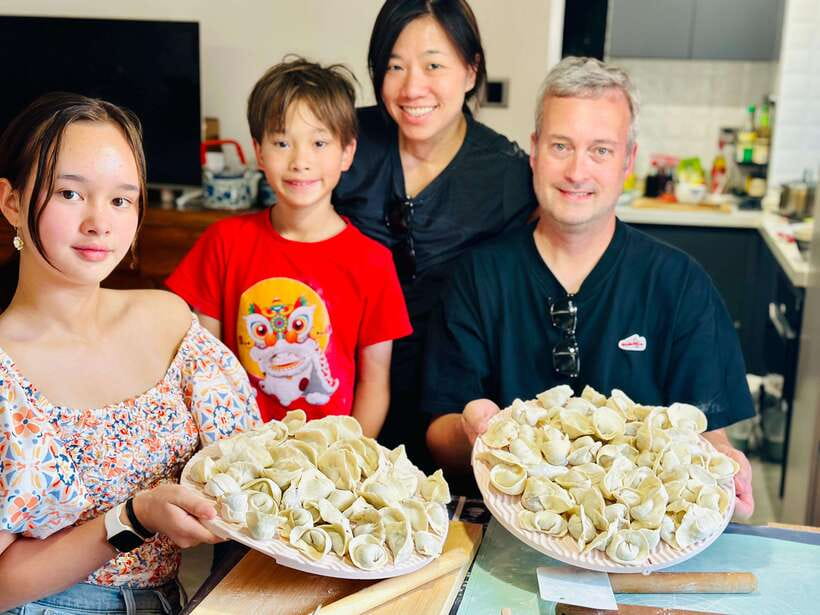
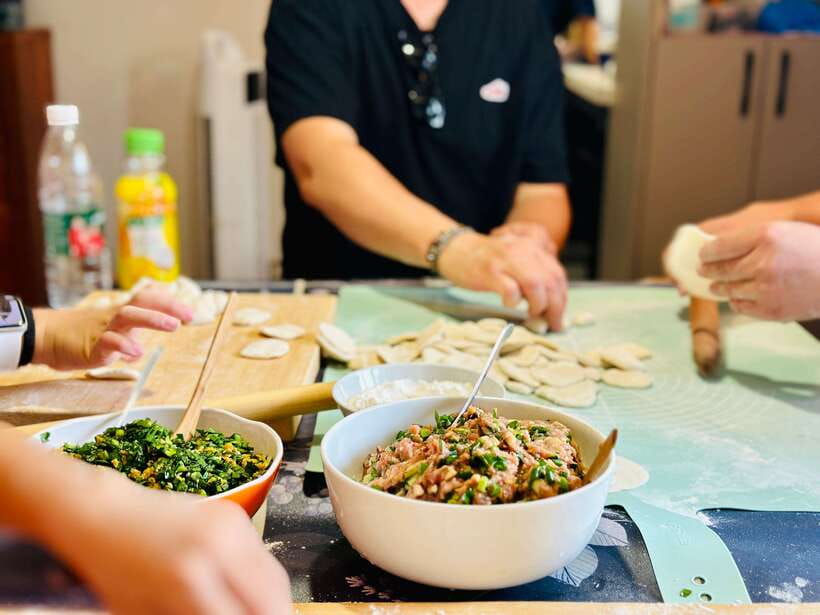
The dumpling class is the center of the day. You prepare fillings and also work with dumpling wrappers. Then comes the part everyone wants to get right, folding dumplings into a shape that looks good and closes properly.
You’ll work side-by-side with your hosts as you practice. That matters because the technique is physical, not just visual. Someone in the room can correct your fold, tell you the right amount of filling, and show you how to avoid a dumpling that opens up during cooking.
I also like that you’re not stuck making one thing only. The structure is dumplings first, then optional additional dishes. That means you can get a deeper cooking experience without the day turning into a food marathon.
Choosing what else you cook: Kung Pao Chicken and more
After dumplings, the experience gives you a choice of two more dishes. Options can include Kung Pao Chicken and Sour Sweet Pork, plus other common regional comfort dishes like scrambled egg with tomato, sauteed soy sauce cabbage, or green bean pork.
This is a smart design for travelers. If you want variety, you can pick dishes that sound familiar. If you want to push your comfort zone, choose something new and let the hosts explain what makes it work.
It’s also a good way to learn Chinese cooking beyond dumplings. Kung Pao Chicken, for example, is a classic example of how Chinese dishes often build flavor through a mix of sauce, aromatics, and texture. The cabbage and green bean options help you see how simple vegetable dishes can taste anything but simple.


Lunch or dinner with your hosts, plus tea to slow the day down
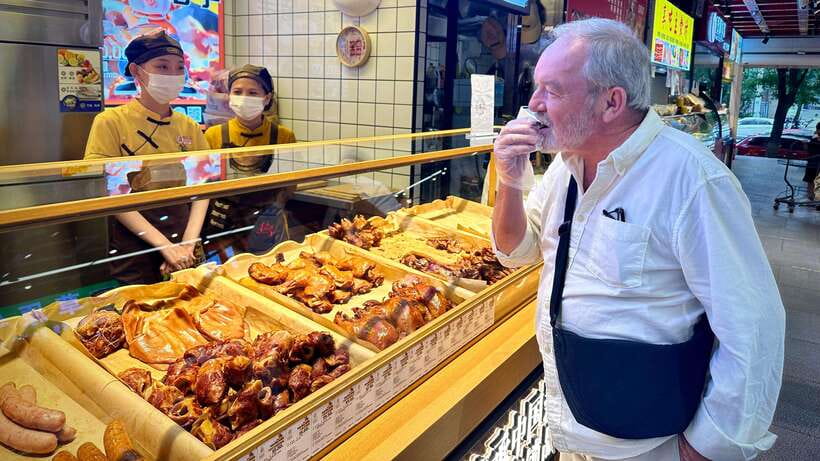
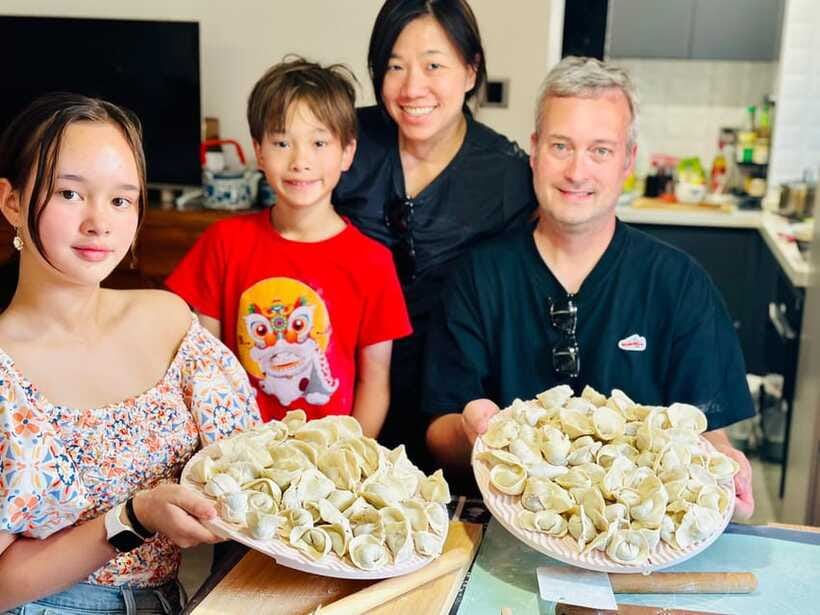
Once the cooking wraps up, you eat what you made. The tour includes lunch or dinner with local dishes, plus a tea drinking experience. This is where the experience stops feeling like a workshop and starts feeling like being invited into someone’s day.
Many people highlight how the tea tasting adds meaning. Fruit teas, including lychee, tend to be memorable favorites. Tea also makes the pacing feel gentler, because it gives you time to chat instead of rushing from station to station.
The conversation piece is a real part of the value. You drink tea, learn about the hosts’ lives, and share your own experiences. It’s a casual cultural exchange, not a lecture, and that’s often what makes people leave feeling more connected to Beijing than they expected.
The guide factor: May, Sonia, and Peter bring different energy
This kind of tour lives or dies by its guide. The English-language hosts can make the market visit feel clear, and they can keep the kitchen time smooth and friendly.
From the guide names attached to past experiences, you might meet May, Sonia, or Peter. Different guides can shape the day differently, but the common thread is that people mention good explanations and a lively, engaging style. If you care about getting useful context, choose the option that gives you the guide time you want, especially if you’re doing a private format.
Price and value: is $50 per person a fair deal?
At $50 per person for a 5-hour experience, this sits in the “practical value” zone for Beijing. You’re paying for more than cooking instruction.
You get:
- hotel pickup and drop-off
- private transportation
- a wet market visit
- dumpling-making at a local family home
- lunch or dinner with local dishes
- tea time
For many travelers, the biggest value is the combination. Market visit plus home cooking plus shared meal is harder to replicate on your own without either speaking Chinese or having a local connection. Even if you love cooking, starting with a market walk changes the way you understand the food.
The only reason the value might feel different is timing. One experience note suggests it can run shorter than 5 hours. That still may be enough time, but it can affect how you schedule the rest of your day.
Practical tips so you have a smooth half day
A few small choices will make a big difference.
- Wear comfortable clothes for a market walk and a home kitchen. You’ll likely be standing and moving more than you expect.
- Bring what the tour requests. The data says to bring comfortable clothes and ingredients. If you feel unsure about the “ingredients” instruction, check before you go so you don’t show up without what they mean.
- Don’t plan around allergies. This tour is not suitable for people with food allergies.
- If you have dietary requirements, advise them at booking. That’s explicitly mentioned, and it’s the safest way to make sure your meal works for you.
- The tour data also says smoking is not allowed.
About kids: children must be accompanied by an adult. If you’re traveling with a family, this matters for who can manage the cooking and the market pacing.
Accessibility note is mixed. One part of the tour info says wheelchair accessible, but another part says not wheelchair accessible. If you need accessibility support, confirm directly with the provider before booking so you’re not relying on conflicting statements.
Who should book this dumpling-and-market experience
This tour is a great match if you want a grounded look at food culture, not just a tourist meal. It’s also ideal if you like learning by doing, especially if dumpling folding sounds fun rather than intimidating.
You’ll likely enjoy it most if you:
- enjoy markets and want ingredient context
- want to cook with a local family environment
- like tea culture or want a moment to slow down
- prefer small-group interaction or private attention
You should think twice if:
- you have food allergies
- you need strict timing to the minute, since the day may run under 5 hours depending on pace
Should you book it?
Yes, I think you should book if you want a Beijing experience that connects shopping to cooking to eating. The wet market to dumpling-making flow is exactly the kind of structure that helps you remember what you learned, not just what you ate.
It’s also a strong value when you compare it to piecing everything together yourself. You’re getting transport, English guidance, home-cooked meal time, and tea in one package.
Just be smart about expectations. Give yourself a little breathing room in your schedule, because timing can run shorter. Also confirm dietary needs and accessibility details up front, since the information provided includes some conflicts.
If you like hands-on food experiences with real people, this is the kind of half day that pays you back later, every time you eat dumplings and notice the details behind the flavors.
FAQ
How long is the dumpling-making and wet market tour?
The tour duration is listed as 5 hours.
Where do I meet the guide?
The meeting point is at Subway Line 10, Shaoyaoju Station, exit A.
What is included in the $50 per person price?
It includes hotel pickup and drop-off, private transportation, a local family visit, a market tour, dumpling making, lunch or dinner with local dishes, and a tea drinking experience.
Is this tour private or shared?
You can choose between private or small groups, depending on the option you select.
Is the tour suitable for people with food allergies?
No. The tour is not suitable for people with food allergies.
What should I bring, and is smoking allowed?
Bring comfortable clothes and ingredients, and note that smoking is not allowed.
Is the tour wheelchair accessible?
The information provided is mixed, with one part saying wheelchair accessible and another saying not wheelchair accessible. You should confirm directly with the provider before booking.
More Tour Reviews in Tianjin
Not for you? Here's more nearby things to do in Tianjin we have reviewed
Dumpling Workshops & Home Cooking, compared.
 ★ 4.7Dumpling Making Workshop with Meal and TeaFrom $3569 reviews
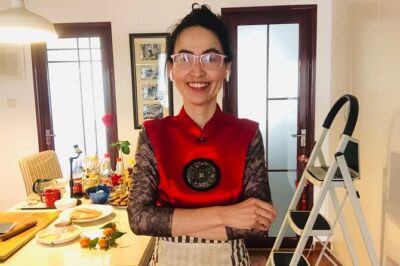 ★ 5.0Online Cooking Class Beijing Dumplings and Cuisine by Sunflowerli Renowned ChefFrom $2065 reviews
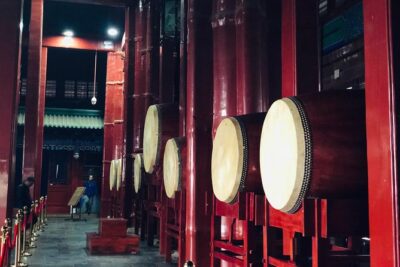 ★ 5.04-Hour Private Beijing Hutong Bike Tour with Dumpling LunchFrom $19913 reviews
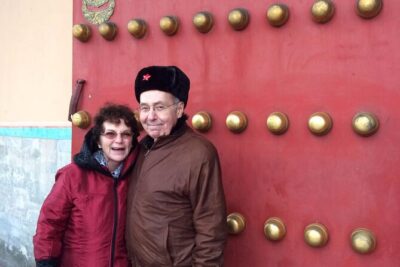 ★ 5.0Beijing Forbidden City, Summer Palace, Hutong and Dumpling MakingFrom $19010 reviews
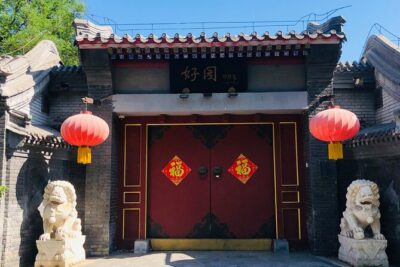 ★ 5.04-Hour Private Tour of Calligraphy Class, Hutong and DumplingsFrom $689 reviews
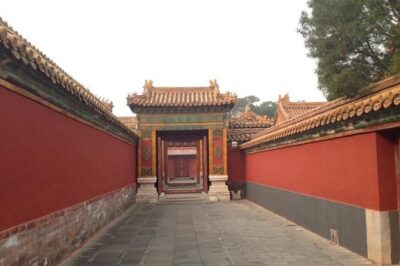 ★ 5.0Private Beijing Tour: Forbidden City, Mutianyu Great Wall, and Dumpling LunchFrom $1897 reviews
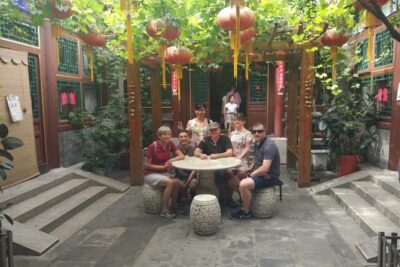 ★ 5.0Private Hutong Culture Tour with Dumpling Cooking Class plus Cricket Fighting GameFrom $1765 reviews
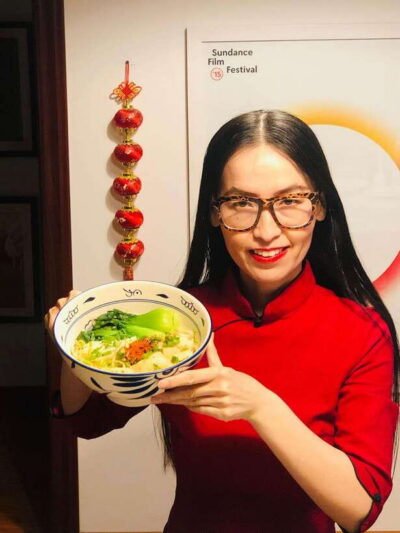 ★ 5.0Online Cooking Class Hand Pulled Noodles by Sunflower LiFrom $993 reviews
Browse the lists this tour appears in