
Reviewed · 3-HOUR EXPERIENCES
3-hour Morning/Afternoon Tea Tasting on Maliandao Street & Dimsum
Tea and dim sum in one smooth 3-hour loop. The reason this works is that you get a guided tasting of eight teas first, then a proper dim sum meal right after, so the flavors make sense together. I also like the easy subway meeting point and the small group size, which keeps the pace friendly instead of chaotic. One watch-out: you will likely see chicken feet on the table, so if you need a very cautious palate, this tour may feel a bit adventurous.
This is a morning or afternoon tour, and it is designed like a food-and-tea stroll you can actually finish without rushing around Beijing all day. You start on Maliandao Tea Street, taste green, oolong, black, puer, white, and more, then you head into dim sum territory with steamed buns, rolls, dumplings, and spring rolls. I found the market part is the fun closer, because you get to compare teas across shops and see how locals talk about sourcing.
At $99 per person for a 3-hour experience that includes tea ceremony, a lunch or dinner style dim sum meal, and guide time, it feels like solid value if you like learning while you eat. With a max group size of 15, you can ask questions and actually hear the answers. If you want a long, deep academic tea course, this is shorter, but it is well paced for most visitors.
Key highlights to know before you go
- Eight-tea tasting with a real tea ceremony, so you taste with context, not just sample cups
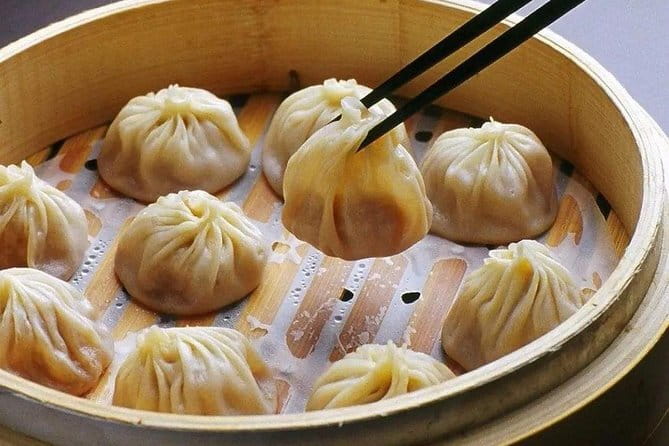
- Dim sum lunch included, with familiar favorites plus items like chicken feet and shrimp raviolis
- Maliandao Tea Street walking time, including stops at two tea shops for multiple tea types
- Small group cap of 15, which keeps things organized and conversation friendly
- Simple subway access on Line 7 (Wanzi Exit), so you spend less time figuring out transport
Maliandao Tea Street, eight teas, and a ceremony you can follow
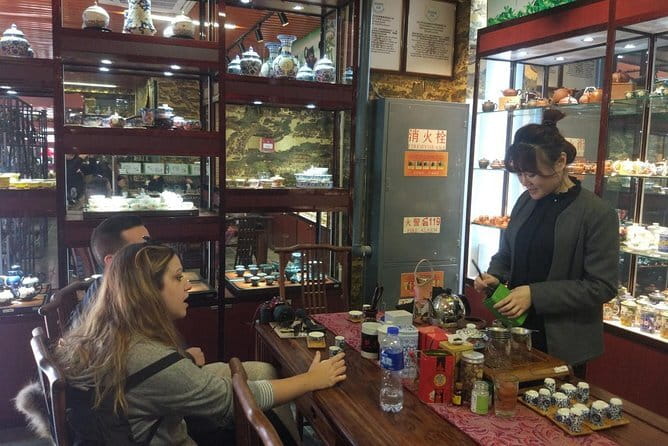
Maliandao Tea Street is the kind of place where your senses get pulled in fast. You are surrounded by tea shops, crates, and people who clearly know what they are looking at. The tour starts by putting you in the right mindset, with an organized tea tasting that goes beyond just drinking.
You will taste eight different teas, and the spread is the point. Expect to move across tea styles such as green, oolong, black, puer, and white. That variety matters because each tea carries a different balance of aroma, bitterness, and aftertaste. If you have only ever thought of tea as one thing, this is where it starts to click.
The ceremony component also helps you taste smarter. Instead of gulping whatever is poured, you get guided structure. You learn to pay attention to how tea smells, how it feels on the tongue, and how it changes as you go from one cup to the next. That makes the later market stops more useful, because you can compare teas with actual observations, not guesswork.
I really like tours like this because they solve the common Beijing problem: you can easily wander a street like Maliandao for an hour and still leave with no clear idea what you liked or why. Here, the guide helps you sort impressions into categories you can remember.
One more good detail, from a real-life guide experience: I heard one visitor had a particularly warm and helpful guide named Renny. That kind of personality matters on a tasting tour. It is not just information, it is the comfort level when you ask questions, ask how to drink, or admit you are unsure about what you are tasting.
You can also read our reviews of more food & drink experiences in Beijing
Picking morning or afternoon, and why timing changes the vibe
You can choose either a morning or an afternoon option. The timing matters more than you might think, because tea streets can feel very different depending on the foot traffic and shop activity.
In the morning, you often get a calmer start. Shops are more likely to be setting up, and the tasting can feel more focused. Afternoon can feel more lively, and the walking portion can be a bit more energetic.
Either way, the core plan stays the same: tea tasting, then dim sum nearby, then market exploration with two tea shops. So you are not choosing between totally different experiences. You are choosing between different energy levels.
If you hate being rushed, pick the time slot that matches your energy. Also, give yourself a little buffer when you travel in Beijing. You will be moving between subway, tasting, lunch, and shop stops, and good pacing is part of why this works.
Meeting at Line 7 Wanzi Exit, and how to keep it painless
This tour is built for convenience. The meeting point is by subway on Line 7 at Wanzi, and the info you get points to Wanzi Exit D, while another detail lists Exit C. The simplest advice: follow the exact exit shown in your booking confirmation or meeting message, since both are referenced.
Why I like this setup: you do not need a car, and you do not need a complicated city crossing. When a tour makes it easy to reach the start, you spend more time doing the fun part and less time navigating.
Also, because the group is small, you are less likely to feel lost at the start. You should still plan to arrive 10 to 15 minutes early so you can find your guide without panic. Think of that as your insurance policy.
Dim sum lunch: steamed soup buns, rolls, and the courage test
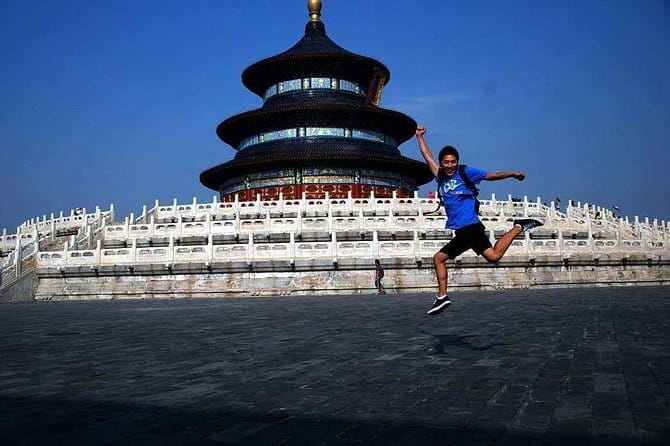
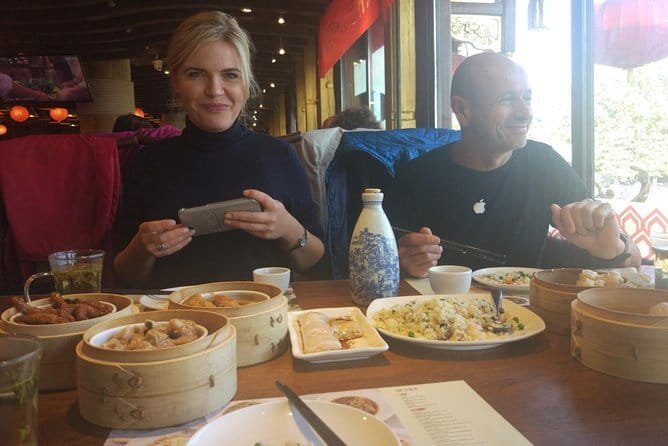
After your tea tasting, you move to dim sum at a tea restaurant nearby. The pairing is clever. Tea and dim sum belong together in Chinese food culture, and the flavors balance each other better than if you paired tea with something totally unrelated.
The menu style you can expect includes items such as:
- steamed soup buns
- steamed vermicelli rolls
- chicken feet
- shrimp raviolis
- spring rolls
- and more small plates
Here is the practical value: the tour gives you a “guided sampler.” You do not need to study a menu, figure out how to order, or translate dish names while hungry. A guide helps you get the right assortment, and that makes the $99 price feel more reasonable.
Now the only real consideration: some dishes are not for squeamish eaters. Chicken feet are specifically mentioned, and while they are a known dim sum classic, you do have to decide if you are comfortable with that texture and flavor profile. If you are, great. If you are not, you still can enjoy the rest of the table, but you should go into the meal knowing at least one item is more adventurous.
Good to know: there is a vegetarian option available. If you want that, you should tell the operator when you book. That matters here because dim sum can be flexible, but you need the right plan in place ahead of time, not after you sit down.
Tea shop stops on the trading street, comparing flavors the useful way

After lunch, the tour shifts from tasting basics to tea street real-world life. You will stroll along the largest tea trading street and market area, then stop at two different tea shops.
This part is not just “look at shops.” It is structured comparison. You sample and learn about types like green tea, oolong, black tea, puer tea, and white tea. The idea is that you see differences across shops, and you can start to understand how tea sellers talk about source quality.
One detail worth paying attention to: the tea shops you visit are described as having the real tea farm background. You probably will not leave with farm facts you can verify line by line, but you will come away with a better sense of how sellers frame authenticity. That helps you bargain with confidence later, not just with guessing.
How to use this segment well:
- Take a few notes in your phone on what you liked most, especially aroma and aftertaste.
- Smell first, then sip, then compare.
- Ask one or two simple questions about how the tea is processed or what it is best paired with.
Even if you do not buy anything, you will make more sense of what you are seeing. Tea streets can feel like a sales pitch parade, but when you have a framework from the ceremony, you can tell the difference between what sounds impressive and what actually tastes good to you.
A few more Beijing tours and experiences worth a look


What you actually get for $99, and where the value comes from
Let’s talk money in a way that helps you decide.
You are paying $99 per person for about 3 hours, and the included items are the reason this can feel fair:
- tasting eight different teas
- a tea ceremony guided by a professional
- dim sum food for lunch or dinner style meal
- local taxes
- guide support for the experience
- a mobile ticket
On paper, you might think, I can just buy tea and food in Beijing for less. True, you can. But the value here is what you avoid:
- you avoid menu confusion during the meal
- you avoid wandering tea shops without a tasting framework
- you avoid spending your limited vacation hours figuring out what you are tasting
Also, the group size cap of 15 is important. It means you are not just paying for a random street walk. You are paying for a guided sequence.
If you are the type who enjoys food tours but also likes learning, this fits well. If you only want to eat and you hate structured tasting, the educational part may feel like extra time. Still, since the meal is included, you are not paying only for talk.
One extra value note: the tour mentions group discounts. If you are traveling with friends, it is worth checking whether any multi-person discount applies when you book.
Who this tour suits best
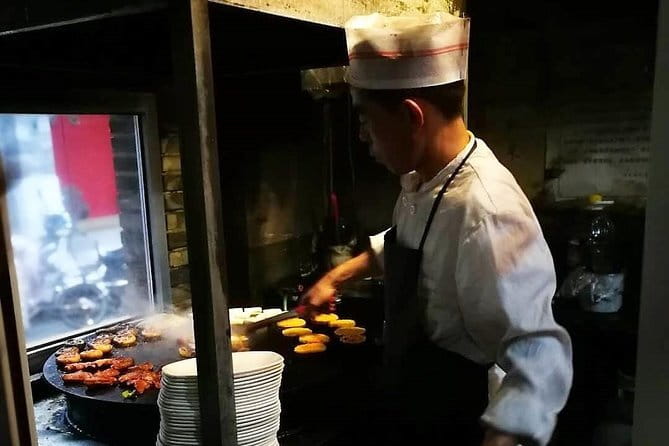
This is a strong choice if:
- you want a short, focused food-and-tea experience in Beijing
- you are curious about how different teas taste and how to compare them
- you like dim sum and want a guided assortment
- you prefer small groups and an easy meeting point on subway
It may be less ideal if:
- you only eat very conservative foods and chicken feet feel like a hard no
- you are allergic to certain seafood items and you need special dietary accommodations beyond the vegetarian option
- you want a long, multi-hour tea deep-dive with more history than food
For many visitors, the best outcome is that you come away with “I know what I like” answers. Not just a souvenir bag of random tea, but a personal map of your taste preferences.
Practical tips so you enjoy every stop
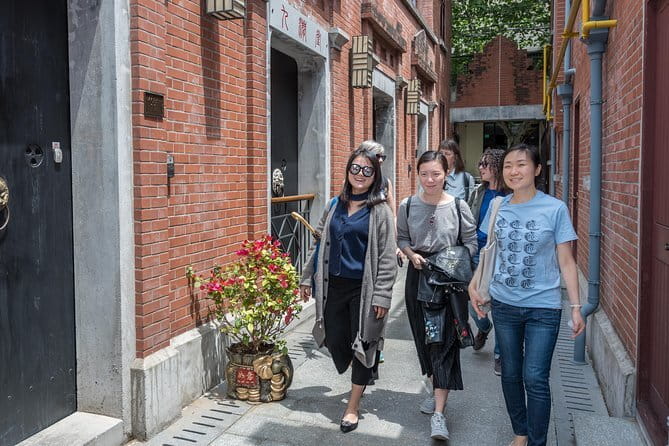
- Eat before you go if you have a sensitive stomach. You are starting with tea tasting, then moving to dim sum soon after.
- Be open to the food list. Even if you skip one item, the variety is the point.
- Bring a phone charger if you plan to shop after, because you might want to keep track of tea names you liked.
- If you want vegetarian food, mention it during booking. Do not assume a default.
- Confirm the exact Line 7 Wanzi exit in your meeting instructions, since Exit C and Exit D both appear in the details you receive.
Should you book this Maliandao Street tea and dim sum tour?
I think it is worth booking if you want an efficient, guided taste experience that combines tea education with an actual included meal. The strongest points are the eight-tea tasting with a ceremony, the small group flow, and the fact that the dim sum lunch is part of the plan, not an afterthought.
I would skip it if you are strictly conservative about food choices, because chicken feet are part of the expected dim sum lineup. But if you can handle trying new dishes, and you enjoy learning while you eat, this tour is a good use of a half-afternoon or half-morning in Beijing.
If you do book, your best strategy is simple: take the first tea tasting seriously, then use that momentum to judge teas at the shop stops. That is where your time turns into real understanding.
FAQ
How long is the tea and dim sum tour?
It runs for about 3 hours.
Is the tea tasting included in the price?
Yes. You taste eight different types of tea, and there is a tea ceremony included.
Do I get food during the tour?
Yes. Dim sum is included for lunch or dinner (depending on the tour time).
Can I request a vegetarian option?
Yes. A vegetarian option is available, and you should advise at booking if you need it.
Where do I meet the guide using public transportation?
You meet at a subway station on Line 7 near Wanzi. The details mention Wanzi Exit C or Wanzi Exit D, so follow the exact exit shown in your booking confirmation.
What is the group size?
This tour has a maximum of 15 travelers.
Can I choose a morning or afternoon slot?
Yes. You can choose a morning or afternoon tour.
What types of tea are offered during the tasting?
You are set up to taste multiple types including green tea, oolong tea, black tea, puer tea, and white tea, along with other varieties depending on the shop.
Is there free cancellation?
Yes. Free cancellation is available up to 24 hours in advance of the experience start time.
Is there a child rate?
There is a child rate, but it applies only when sharing with 2 paying adults.
More Morning in Beijing
More Food & Drink Experiences in Beijing
More Tour Reviews in Beijing




Not for you? Here's more nearby things to do in Beijing we have reviewed




3-Hour Experiences, compared.
 ★ 5.03-Hour Private Night Tour: Beijing Foodie ExperienceFrom $7953 reviews
 ★ 5.03-Hour Private Tour: Amazing Beijing City HighlightsFrom $1885 reviews
 ★ 4.8Summer Palace 3 Hours Guided Tour with Entry TicketFrom $334 reviews
 ★ 5.03-Hour Private Beijing Night TourFrom $1594 reviews
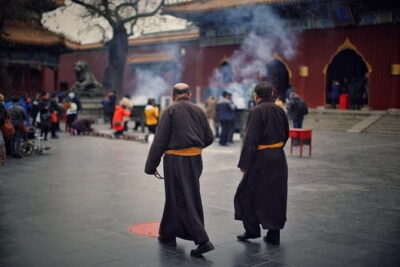 ★ 5.03-Hour Private Walking Tour including Monk Blessing Ceremony at Lama TempleFrom $853 reviews
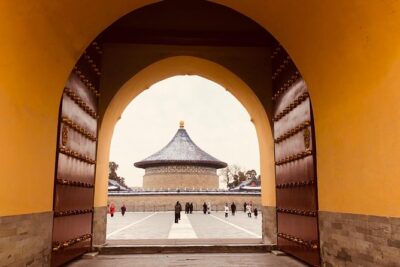 ★ 5.03-Hour Private Tour: Temple of Heaven and Lama TempleFrom $1683 reviews
Browse the lists this tour appears in