
Reviewed · PRIVATE
Private 4-Day Tour: Beijing, Xi’an, Chengdu & Shanghai
Big sights, minimal hassle. This private 4-day circuit strings together Beijing, Xi’an, Chengdu, and Shanghai with pick-ups, transport, and timed visits so you spend less energy on logistics. I especially like how the plan clusters major UNESCO and world-famous stops into a tight rhythm, with private English-speaking guides in Beijing, Xi’an, and Chengdu. One thing to consider: the pace is full, and you may want a lighter day between temples and museums if you’re sensitive to long travel days.
The standout for me is the mix of iconic and local, not just big monuments. You get the Mutianyu Great Wall by cable car, then park time at the Summer Palace, followed by Beijing’s core imperial sites and a serious Xi’an highlight, the Terracotta Warriors. Later you’ll slow down in Chengdu with Wenshu Temple tea tasting and end with pandas before rolling into Shanghai.
One possible drawback: the Beijing to Xi’an leg can appear as either a rail transfer or a flight depending on the final schedule, so make sure your confirmation matches what you expect. Also, if your dates include a Monday, the Forbidden City is replaced, so you’ll want to like the alternative options.
Key things I’d watch before booking
- Mutianyu Great Wall by round-trip cable car so your day starts strong without hiking the whole wall
- Private guidance in three cities (Beijing, Xi’an, Chengdu) to help you interpret what you’re seeing
- Monday swap for the Forbidden City (Summer Palace or Lama temple), so plans stay moving
- Terracotta Warriors plus City Wall on the same Xi’an day, two different vibes done well
- Chengdu includes a real food moment with Sichuan hot pot, with a non-spicy option
- Panda morning energy at the breeding center, timed when pandas are typically most active
Private 4-day route: why this feels easier than DIY
A tour like this is built for people who want China’s headline sights without the daily pressure of figuring out transit, tickets, and meeting points. You start with a pick-up in downtown Beijing, then you move city to city with pre-arranged transport and hotel stays already in place.
You’re also paying for something that’s hard to DIY quickly: time with a guide. In Beijing, for example, the guide team you may work with includes Julia, Vicky, and Mollie, and the emphasis is on helping you understand what you’re looking at as you walk. In Xi’an, the guide name Owen shows up in the guide team described, with careful coordination around stations and airport transfers.
The value isn’t just that you see big sites. It’s that the hard parts are handled, so you can focus on the actual experience: the feel of each place, the stories behind it, and the photos you came for.
You can also read our reviews of more private tours in Beijing
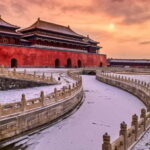
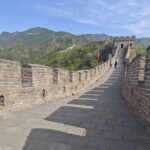
Morning at Mutianyu Great Wall, then Summer Palace gardens
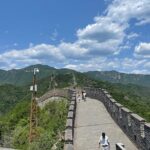
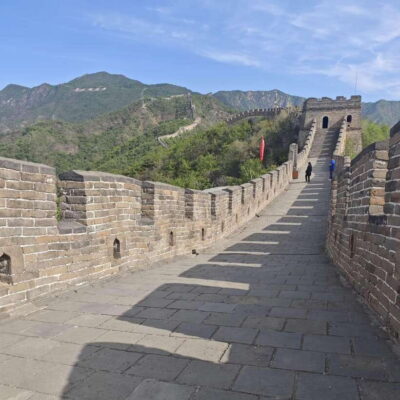
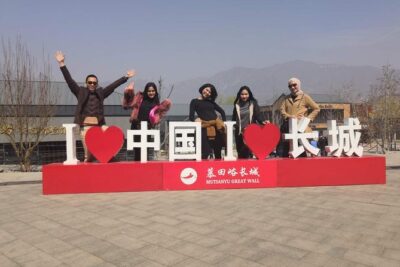
You begin in Beijing with an early hotel pick-up and head to Mutianyu Great Wall, one of the best-preserved and scenic sections near the city. The key practical advantage here is round-trip cable car rides included in the plan. That matters because the Great Wall can otherwise eat half a day just on walking effort.
Mutianyu tends to feel calmer than the most famous crowds, which helps your visit stay about the wall and the views, not about shoulder-to-shoulder timing. All year round, you get scenery changes, so the experience shifts with season rather than becoming the same photo spot each time.
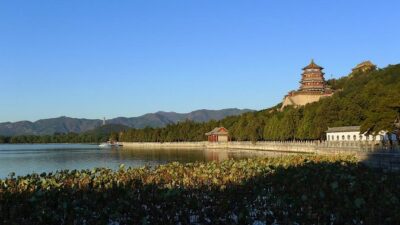
Afterward, you go to Summer Palace, described as the largest and well-preserved royal park in China. The way it’s framed in the tour plan is useful: it’s not just a place to “see buildings,” it’s also a landscape of royal gardens and cultural design. Expect a museum-like feel in the sense that the gardens and architecture are part of a planned statement, not random decoration.
This first day is a good mix. The Great Wall gives you scale and drama. The Summer Palace balances it with calmer walking and architecture that rewards slower attention.
Tiananmen Square, Forbidden City access, and Temple of Heaven focus
Day two is a historic core day, and it’s structured to keep the flow logical: you start at Tiananmen Square and then move into the Forbidden City, before finishing at the Temple of Heaven.
Tiananmen Square is the kind of place where being there helps you understand why it matters. The tour plan notes its historic role, including the Mao memorial museum and China Congress Building. Even if you’re not hunting for every exhibit, the scale sets context fast.
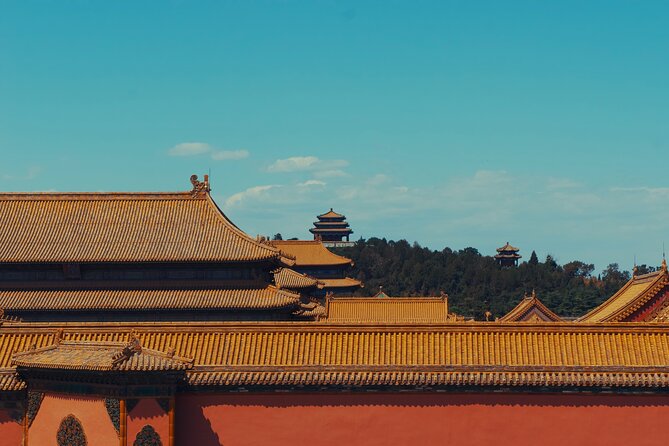
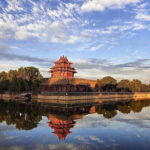
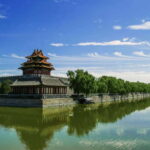
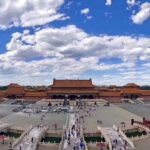
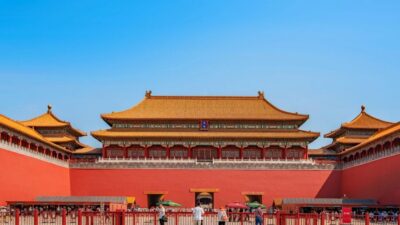
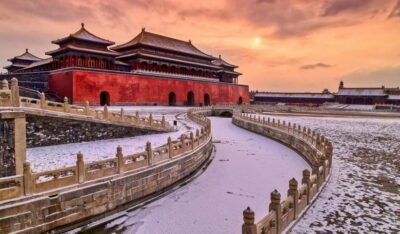
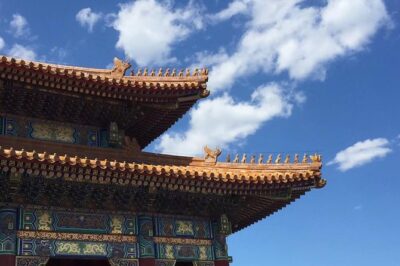
Next comes Forbidden City, accessed through the Tiananmen Gate. The tour frames it with a lot of specifics: it was built around 600 years ago in the Ming Dynasty era, served Ming and Qing emperors, and contains over 8,400 rooms. That detail matters because the Forbidden City can feel overwhelming if you wander on your own. A guide helps you choose what to look at and why, so you don’t end up treating it like a checklist.
Here’s the practical consideration you should take seriously: Forbidden City is closed every Monday. The tour plan says it’s replaced with Summer Palace or Lama temple on those dates. So before you book, check your calendar and decide if you’re happy with either substitution.
After lunch, you go to Temple of Heaven, another UNESCO World Heritage site. The plan explains its original purpose: emperors offered prayers at the start of each year for a good harvest. That gives you a lens while you walk. The surrounding park area is also noted as a local hangout for Tai Chi, dance, and Peking Opera, which can add a real everyday layer to the more formal temple structures.
Beijing to Xi’an handoff, Muslim Quarter dinner, and 5-star comfort
After Beijing’s sites, you head to Beijing International Airport to catch a flight to Xi’an. At first glance, that can feel like the day turns into a travel day quickly, but it’s still efficient because you’re not losing sightseeing time to random commuting. Your package includes city-to-city transfers and ensures a guide and driver connection on arrival.
When you land in Xi’an, the plan says a local guide and driver pick you up and drive you to the Muslim Quarter. This is where Xi’an’s “Silk Road node” identity shows up in food and street life. The tour description emphasizes that it’s a community area with many restaurants run by Muslims, serving snacks and dishes that represent the region’s trading-history connections. The dinner plan is right there in the neighborhood, which is convenient because you’re already oriented to downtown.
One practical note I think is worth your attention: the package information includes bullet train transfers between Beijing and Xi’an, but the day-by-day schedule also explicitly mentions flying. That’s not something you should ignore. When you confirm your trip, double-check whether your Beijing to Xi’an leg is by bullet train or flight for your exact dates, so you don’t get surprised by a last-minute mode change.
Then you move to a 5-star hotel in Xi’an with a standard room and a buffet breakfast included for the next morning. That “rest secured” piece is part of the value. After a long day of walking and then air travel, having a set hotel helps you recover without having to shop for something at the last moment.
Xi’an City Wall and Terracotta Warriors, the day that does the heavy lifting
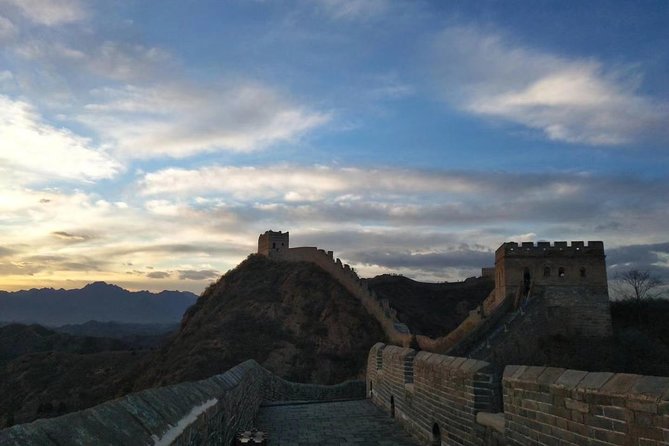
Day three is one of those classic Xi’an days: you get both a tangible defensive landmark and the most famous archaeological find in China.
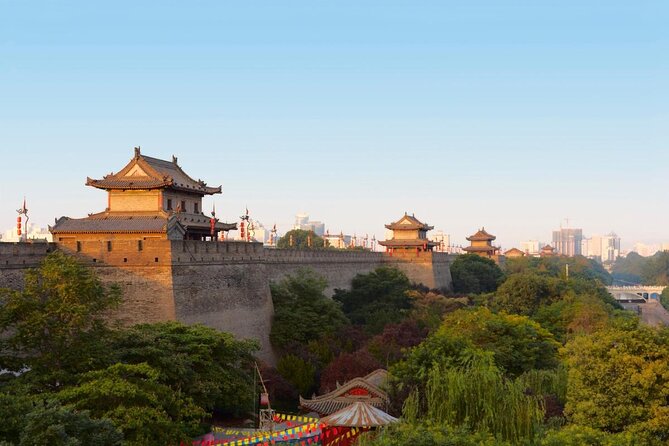
First is the Xi’an City Wall, constructed at the start of the Ming Dynasty. The tour notes it’s about 14 kilometers long and the best-preserved and longest wall of its kind. Even if you don’t walk the full length, the dimensions listed in the plan are useful context: it’s wide at the top and broader at the bottom, with a substantial height. When you’re up there, the wall stops being a concept and becomes a sense of scale, showing how Xi’an functioned as a guarded city.
Then you head to the Qin Terra-cotta Warriors and Horses Museum. The plan calls it home to more than 8,000 life-sized warriors and horses excavated from three burial pits. It’s also very direct about why it exists: they were buried to guard the first Chinese emperor in the afterlife. And it includes the origin story that helped make it world-famous, discovered by a farmer in 1974 while digging a water well.
This stop is where the guide value really matters. Without context, the warriors can blur into a single mass of figures. With a guide, you’re more likely to notice variation and understand what you’re looking at instead of simply taking photos and moving on.
After the Terracotta Warriors, you travel to Chengdu by bullet train through the Qinling mountain range, with the journey described as around 4 hours. The text frames it as scenic, so expect some satisfying in-between views even though you’re technically “just riding.”
Chengdu’s Wenshu Temple tea tasting and Sichuan hot pot dinner
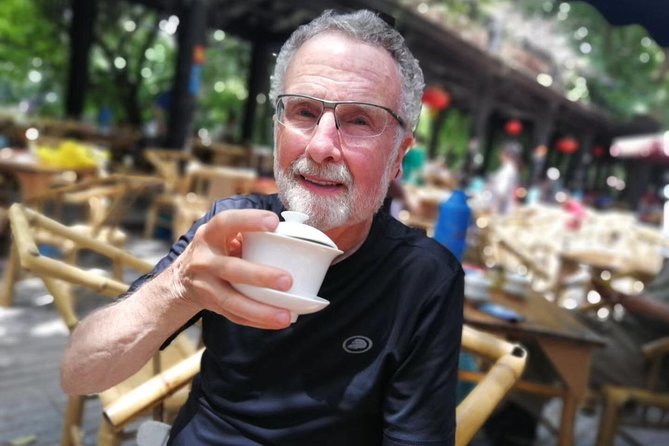
Chengdu arrives with a shift in tone. Compared to Beijing and Xi’an, the plan gives you time for something more reflective: Wenshu Temple and tea.
Wenshu Temple is described as the oldest temple in Chengdu, dating to the Sui Dynasty, about 1,400 years ago. You’ll do a traditional Chinese tea tasting there. This is the kind of stop that can seem small next to giant monuments, but it’s exactly why this tour works. It gives your brain a breather and gives you a cultural “texture” that doesn’t require hours of museum time.
For dinner, the tour plan includes Sichuan hot pot at a popular local restaurant. The important practical point is that you don’t have to commit to spice. The plan explicitly says they can choose a non-spicy hot pot for you. That makes hot pot feel inclusive instead of intimidating.
After dinner, you check into a 4-star hotel in Chengdu, with breakfast included for the next morning. Again, the hotel is part of the value story. You’re not just squeezing in sights, you’re also set up for the next day’s early departure to the pandas.
Panda mornings at the breeding research base, then Shanghai airport transfer
Day four is all about pandas first. You visit the Giant Panda Breeding Research Base (Xiongmao Jidi) in the early morning when pandas are typically most active. The plan notes there are over 60 pandas, and it points out that the visit time often gives you chances to see them eating bamboo and playing.
Even if you’ve seen panda videos, going in person tends to change your expectations. The tour’s morning timing is practical, because panda activity often peaks when they’re feeding and moving, not in the long midday heat when you might get less action.
After the panda visit, you head to Chengdu airport for your flight to Shanghai. When you arrive in Shanghai, a dedicated local driver meets you at Pudong International Airport and provides transportation to wherever you’re already booked, whether that’s your hotel, train station, or port. This is a nice finishing touch because it stops the trip from ending with yet another “now what do I do” moment.
Price, inclusions, and what you’re really paying for
At $2,180 per person, this is not a budget tour. But it is a lot of stuff for one price, especially if you hate coordinating details across multiple cities.
Here’s what your money covers, based on the tour’s listed inclusions:
- Private air-conditioned transport in Beijing, Xi’an, Chengdu, and Shanghai
- Professional English-speaking guides in Beijing, Xi’an, and Chengdu
- Hotels: one night 5-star in Xi’an and one night 4-star in Chengdu, each with breakfast
- Intercity transit: bullet train(s) and a flight to Shanghai are included in the package, with the Beijing to Xi’an leg needing confirmation due to the schedule detail noted earlier
- Entrance fees for the listed sights
- Meals: 4 lunches and 1 dinner, plus breakfasts where noted
- Airport or city transfer on the first and last days, including Shanghai airport transfer to your pre-booked address
The real question is whether you’d otherwise pay for these pieces separately. If you were doing it yourself, you’d spend time and money on hotels, timed tickets, multiple guides, and multi-city transfers. Here, the main benefit is that you buy sequence and coordination, not just sightseeing.
If you’re a planner who enjoys routing and ticket hunting, you might find this expensive. If you want your energy spent on history, photos, food, and the “walk and understand” part of travel, it starts to look more reasonable.
Who should book this tour, and who might not
This is a strong match for:
- First-timers who want to hit China’s biggest city highlights fast
- People who prefer private, English-speaking guidance
- Travelers who don’t want to juggle transit across four cities in four days
- Food lovers who are happy with included meals like Peking roast duck in Beijing and Sichuan hot pot in Chengdu
You might think twice if:
- You want lots of free time to wander at your own pace
- You dislike early mornings, since pandas are timed for morning energy
- Your schedule depends on the Forbidden City being open, since Mondays are closed and you’ll do an alternative stop
Should you book this private 4-day Beijing, Xi’an, Chengdu and Shanghai tour?
I’d book it if you want a guided, multi-city China highlight trip without the stress of planning every leg. The route is practical: Great Wall and royal gardens in Beijing, imperial-era sites plus a smooth move to Xi’an, then Terracotta Warriors followed by Chengdu tea and hot pot, and pandas before Shanghai.
Before you click confirm, do two quick checks:
- Make sure you understand whether your Beijing to Xi’an transfer is rail or flight for your exact dates.
- If your trip includes a Monday, decide whether you’re comfortable with the Forbidden City replacement plan.
If those pieces align with your expectations, this tour is a solid value for the time you save and the guidance you get.
FAQ
What time does the tour start?
The start time is 8:00 am.
Is hotel pickup included?
Yes, pickup is offered, and the plan includes hotel pick-up and drop-off service for the first day based on your booked hotel information.
Are airport transfers included?
Yes. There is airport transfer included on the last day in Shanghai, and the plan includes airport pick-up in Xi’an after your arrival.
Are entrance fees included?
Yes. Entrance fees for the listed sightseeing places are included.
What hotels are included in the price?
You get one night in a 5-star hotel in Xi’an with a breakfast buffet, and one night in a 4-star hotel in Chengdu with breakfast.
What happens if my dates fall on a Monday?
Forbidden City is closed on Mondays. The tour replaces it with Summer Palace or Lama temple.
How do you travel between the cities?
The package includes bullet train and flight components. The detailed day plan mentions flying from Beijing to Xi’an and flying from Chengdu to Shanghai, while the inclusions list bullet trains for Beijing to Xi’an and Xi’an to Chengdu, so confirm the exact transport for your dates.
What meals are included?
The tour includes 4 lunches and 1 dinner, plus breakfast for 2 mornings. Specific meal examples include Peking roast duck in Beijing and Sichuan hot pot in Chengdu.
Do I need to provide passport details?
Yes. You need to provide passport full name, number, expiry, and country at booking since the information is required for bullet train, flight, and hotel accommodation bookings.
If I cancel, do I get a refund?
No. The experience is non-refundable and cannot be changed for any reason.
More Private Tours in Beijing
More Tours in Beijing
More Tour Reviews in Beijing
Not for you? Here's more nearby things to do in Beijing we have reviewed



Private, compared.
 ★ 4.8Forbidden City Tour(Group/Private)-Tickets IncludedFrom $47,974 reviews
 ★ 4.8T-Square & Forbidden City Group or Private TourFrom $174,446 reviews
 ★ 5.0Mutianyu Great Wall Private Trip with English DriverFrom $841,263 reviews
 ★ 5.0Private Mutianyu Great Wall Trip with English-Speaking DriverFrom $78927 reviews
★ 5.0Private Mutianyu Great Wall Trip With English-Speaking DriverFrom $92899 reviews
★ 5.0Private Mutianyu Great Wall Trip with English-Speaking DriverFrom $78927 reviews
★ 5.0Private Mutianyu Great Wall Trip With English-Speaking DriverFrom $92899 reviews
 ★ 5.0Mutianyu Great Wall&Summer Palace Excursion:Group/Private OptionsFrom $124816 reviews
 ★ 5.0Private Beijing Walking Tour of the Forbidden City with 7 OptionsFrom $75675 reviews
 ★ 5.0Mutianyu Great Wall All-inclusive Private Tour with OptionsFrom $130588 reviews