
Reviewed · MING TOMBS & SPIRIT WAY TRIPS
Ming Tombs Private Tour: Sacred Road, Dingling and Changling
Beijing has a slower kind of imperial grandeur. The Ming Tombs, with Sacred Road, Dingling, and Changling, give you a complete look at Ming burial design and symbolism without fighting crowds. It is a 6-hour day trip that blends big visual moments with practical, guided context you can actually use when you’re standing there.
What I like most is the combination of serene photo time and a private, flexible pace. The Sacred Road’s long stone avenue, plus the underground rooms at Dingling, feel far less rushed than the busier Beijing sites. The guide-led explanations also make the architecture and feng shui ideas easier to connect to what you’re seeing.
One drawback to plan for is that optional stops can affect timing and cost. Some tours may include a jade workshop and tea tasting if you agree, so ask your guide to confirm what is optional before you say yes.
Quick takeaways before you go
- Sacred Road stretches 7.3 kilometers, with 32 pairs of stone statues and room for calmer photos.
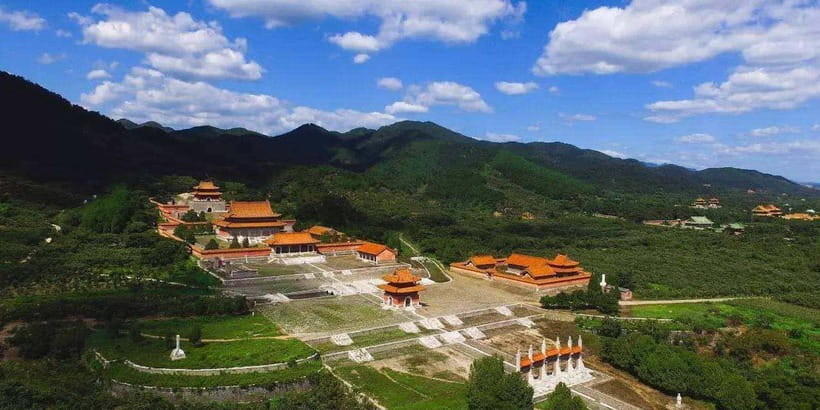
- Dingling Underground Palace goes 27 meters down and shows 3 connected chambers carved from solid stone.
- Changling is the largest and best-preserved tomb complex, and Ling’en Hall features massive nanmu pillars.
- Hotel pickup and drop-off for hotels within the 4th ring road saves you navigation stress.
- A real English-speaking guide helps you read the site, not just watch it.
- Optional add-ons (like jade and tea) may appear only if you explicitly agree.
Ming Tombs basics you can use while you walk
The Ming Tombs are a UNESCO World Heritage Site and the largest imperial mausoleum complex in China. What makes them more than a pretty set of gates and halls is the design logic behind them, tied to feng shui thinking. Once you understand that the layout is intentional, the statues and buildings stop looking random.
On this private tour, you get guided context as you move from the ceremonial avenue to the underground burial rooms and then into the best-preserved royal tomb. That matters, because the site is spread out and it is easy to miss the meaning if you only rely on signs.
Also, you are not stuck with a big group schedule. A private setup means you can slow down for photos or pause to ask a question without feeling like you are holding everyone up. That is especially helpful on days when weather or traffic makes everything run at a slightly different pace.
You can also read our reviews of more private tours in Beijing

Sacred Road: the 7.3-kilometer statue avenue for calm photos
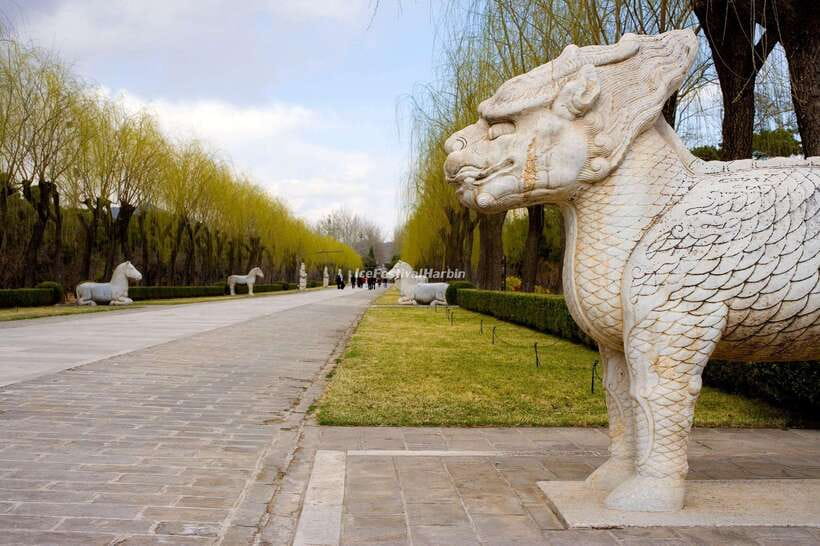
Your day starts on the Sacred Road, the ceremonial avenue built for Emperor Zhu Di’s Changling Tomb. Later, it became the shared approach to the 13 mausoleums, so it works like a Ming timeline of arrivals and respect.
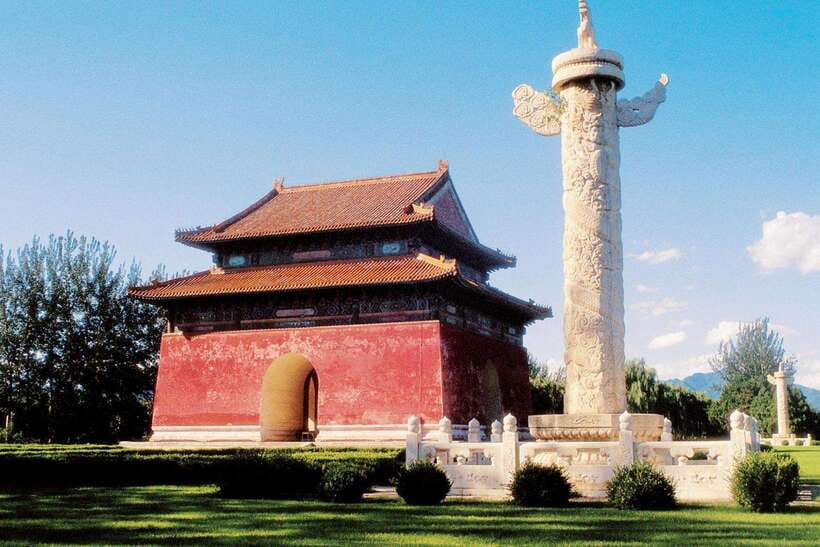
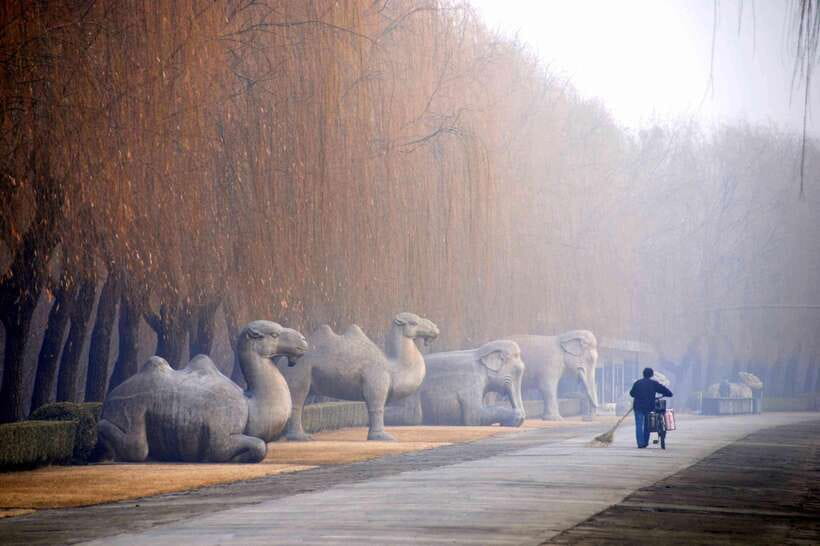
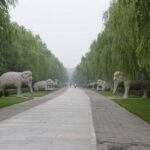
The scale is the first wow factor. The road runs 7.3 kilometers and is lined with 32 pairs of carved stone statues, including lions, elephants, horses, and civil and military officials. You are also walking a design that is meant to set expectations. Before you ever reach the tomb halls, you already feel the message: power moves in an organized, symbolic way.
This is also where you get something practical for your camera. A key advantage of the Sacred Road is that it tends to feel quieter than the most famous Beijing attractions. In my view, that turns the avenue from a checklist stop into an actual photo outing, where you can frame statues without constantly dodging tour groups.
Your guide’s job here is to translate symbolism into something you can notice fast. You’ll get explanations about what the stone figures represent, and why the order and roles matter. When you know the “who” behind the carvings, the “what you see” becomes much more satisfying.
Dingling Underground Palace: 27 meters down, 3 carved chambers
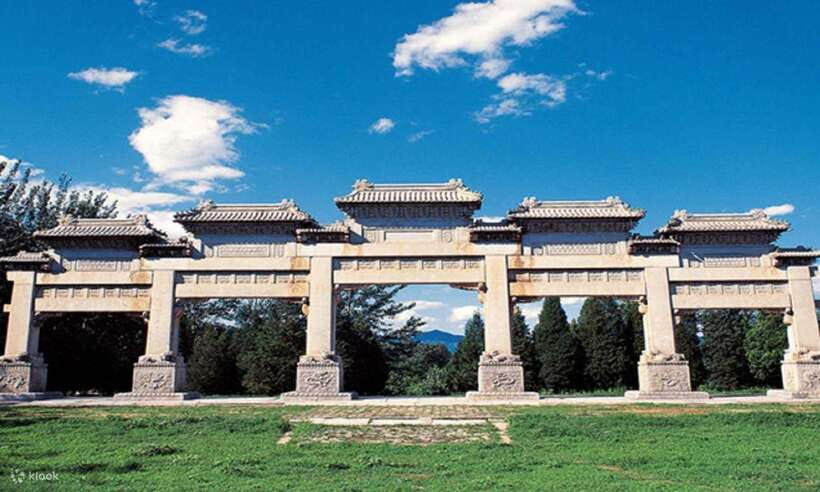
Next comes Dingling, the mausoleum of Emperor Zhu Yijun and his two empresses. Dingling is special because its underground palace has been fully excavated, which means you can see the burial setup in a way many tombs do not allow.
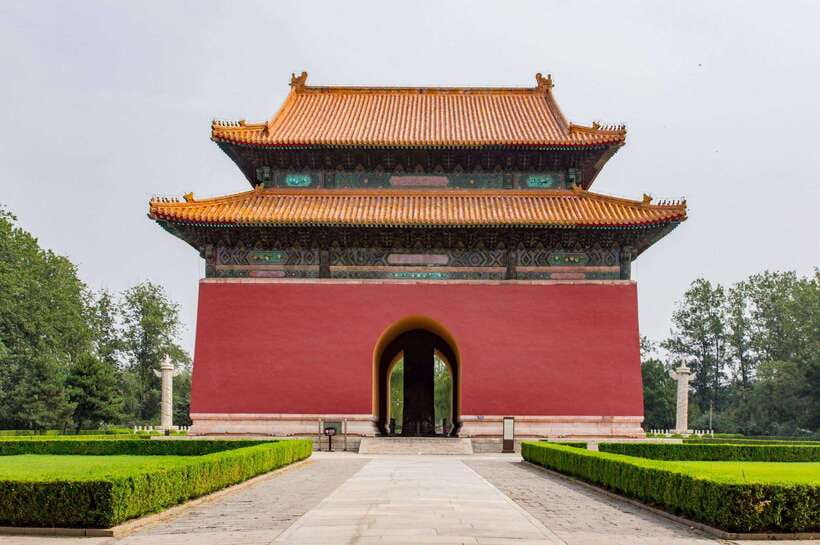
Before you go underground, you’ll explore the above-ground courtyards and halls. That surface portion helps you understand the ceremony and movement, then the underground descent becomes the payoff. It is a good mental shift, from bright courtyards into a deep stone world.
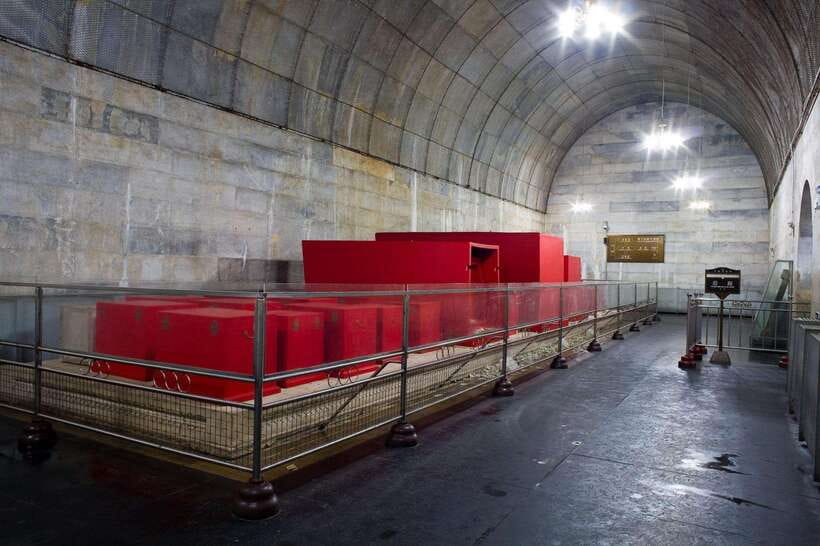
Then you go down to the underground palace, a 27-meter-deep system made from 3 connected chambers carved from solid stone. The layout is compact but striking, and the fact that the chambers are connected makes the space feel like a designed route, not just a single room.
The sarcophagi are a major highlight. You’ll see well-preserved resting places for the emperor and the empresses. Watching them in person is different from viewing photos, because you can better sense the scale and the craftsmanship.
There is also an on-site museum with artifacts unearthed from the tomb. Based on what you can expect there, you might see gold and silver vessels, jade carvings, silk fabrics, and imperial robes. Even if you are not a “museum person,” these details give you a more complete sense of court life and funerary priorities, not just the architectural shell.
Changling Tomb and Ling’en Hall: nanmu pillars and Ming craftsmanship
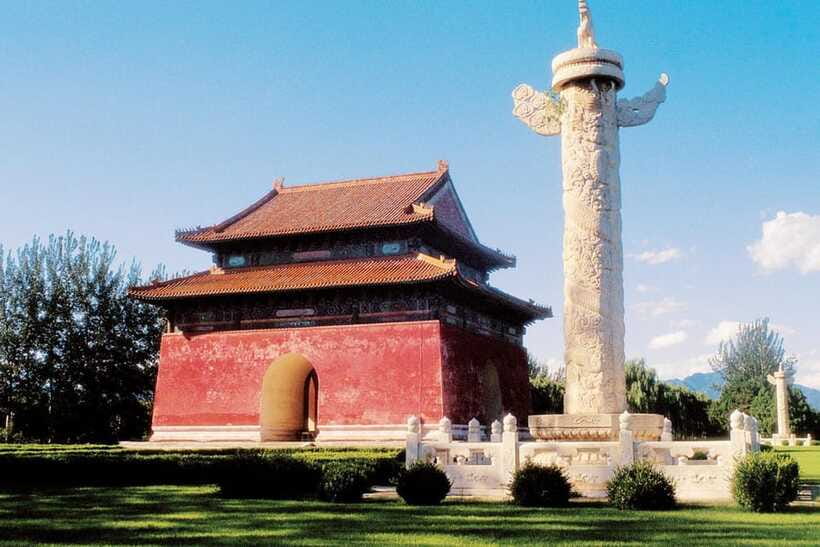
Your final mausoleum stop is Changling, dedicated to Emperor Zhu Di, the third Ming emperor. Zhu Di is closely tied to the creation of the Forbidden City and to the Ming Tombs project, so Changling has extra historical weight.
Changling is the largest and best-preserved tomb in the complex, which helps if you want your last stop to land with maximum impact. You’ll see the imposing main hall and move through the surrounding courtyards, which are set among ancient cypresses. That setting matters because it slows everything down visually, so the tomb feels lived-in by time.
One of the key architecture moments is Ling’en Hall. It is known for massive nanmu pillars, and it is a rare example of Ming wooden architecture at this scale. If you like structural details, this is where your guide’s explanations can turn your attention from decorative “wow” into construction “how.”
When you step inside, you can appreciate the beam structures and the spacious interior. The space also once hosted imperial sacrificial ceremonies, so it’s not just a tomb room. It functioned as part of a ritual system, which makes it feel more practical to understand once you realize ceremonies happened here.
Your guide will connect these features back to Zhu Di’s legacy, including his role in expanding the Ming Empire and supporting cultural exchange. That context helps you see Changling as more than “one emperor’s resting place,” it becomes a window into the broader Ming story.
Private pacing, pickup timing, and why it matters on this route
This is one of those Beijing day trips where logistics can make or break your mood. Ming Tombs are outside the city, so you want a setup that gets you there without extra friction.
The tour includes hotel pickup and drop-off for hotels within the 4th ring road. Your guide meets you in the lobby holding a sign with your name, which is a small thing, but it reduces the awkward wait and confusion that can happen when you are juggling time and paperwork.
You also travel in a private vehicle, which keeps the day calmer. Instead of stopping every few minutes for random group timing, you get a smoother schedule that follows your guide’s pace. That matters because the site itself has walking stretches and photo stops, and you do not want to feel like you are being rushed through stone halls.
On the people side, past private tours have praised the clarity of English guides and the calm, careful driving from their drivers. Names that came up include Lily and Sherry for guidance, and Mr. King and Fu for driving. Even without those exact pairings, the pattern is what you should look for: an organized guide who explains clearly, and a driver who keeps the ride comfortable.
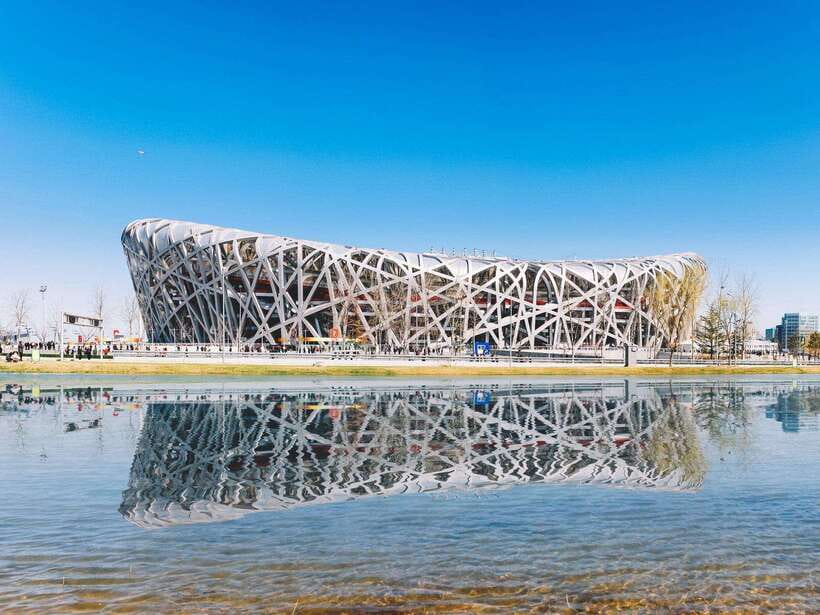
There is also a photo stop by the Olympic Stadium area if traffic permits. You might pass the Bird’s Nest and Water Cube for quick photos, including a stop near the Niaochao Water Cube ticket office. It is a neat “modern Beijing” bookend after the ancient stone world.

Price and what you really get for $135
At $135 per person for a 6-hour private tour, the value comes from the blend of access, time, and explanation. You are not just paying for transportation. You’re paying to save yourself from navigation, time wasted at ticketing, and the guesswork of interpreting what you’re looking at.
Here’s what’s included:
- Professional English-speaking guide
- Hotel pickup and drop-off (within the 4th ring road)
- Private vehicle transport
- Entrance fees
- Bottled water
You also get skip the ticket line, which is a real time saver on a day trip. That means you can spend your limited hours on the actual tombs rather than waiting.
What is not included is food, so plan a light breakfast or bring a small snack for the ride if you tend to get hungry. Also, if you care about convenience, do not rely on finding a meal immediately after the underground portion. The day ends back in Beijing, so plan to eat in the city afterward.
If you compare this to doing Ming Tombs with only a general guide or a self-paced visit, the big difference is interpretation. The Sacred Road statue symbolism, the deeper meaning of the burial setup at Dingling, and the significance of Ling’en Hall’s nanmu pillars become much easier to hold in your head when someone explains them clearly.
Optional jade and tea stops: how to keep control of your day
One thing you should watch for is add-on shopping stops. Some versions of this kind of private tour may include a jade workshop and a tea tasting, but only if you agree.
Here is how to keep it from turning into a time sink:
- Ask your guide to confirm whether these stops are part of the plan that day.
- Make it clear you want them only if you feel like it.
- If you do agree, treat them like cultural breaks, not as required stops.
If you are shopping-friendly, these can add texture to the day and give you a chance to learn about materials. If you are not, you can keep your time focused on the tombs, which are the main event.
Also, I recommend you stay firm on how tickets and payments are handled. On occasion, private tours can get messy if a guide manages purchases in a way that does not feel fully transparent. To protect yourself, ask for clear receipts for anything that is not already included.
Who should book this Ming Tombs private tour?
Book this if you want a half-day version of the Ming Tombs that still feels complete. It suits you especially well if:
- you prefer a private pace over group herding
- you care about understanding symbolism, not just collecting photos
- you want to see Sacred Road plus Dingling and Changling in one organized day
- you like the idea of a quiet stone avenue and then a dramatic underground palace
It is also a strong choice if you are short on time in Beijing but still want a “real imperial” site that feels different from the Forbidden City and other top attractions.
If you are the type who just wants to walk and read at your own speed, a self-guided visit might be cheaper. But if you want the meaning behind statues, tomb layouts, and specific architectural features like nanmu pillars, a guide is the difference between looking and understanding.
Should you book Ming Tombs Private Tour: Sacred Road, Dingling and Changling?
Yes, if you value a guided, low-stress route through the highlights in about 6 hours. The combination of Sacred Road’s long statue avenue, Dingling’s fully excavated underground palace, and Changling’s best-preserved halls gives you variety in a single day.
I would book with a bit of homework on your side. Confirm whether any jade workshop or tea tasting stops are optional for your day, and make sure you’re comfortable with the timing impact. If your main goal is history explained in plain language while you walk, this is a solid way to spend a morning or early afternoon without wearing yourself out.
If you want, tell me your travel month and whether you prefer more walking or more stops for photos, and I’ll suggest a simple plan for when to eat and how to structure the rest of your Beijing day.
FAQ
How long is the Ming Tombs private tour?
The duration is 6 hours.
Where does the tour start, and do I get hotel pickup?
Pickup is from your Beijing hotel lobby. Hotel pickup and drop-off are included for hotels within the 4th ring road of Beijing.
Is this a private tour?
Yes. It is a private group tour.
Which major sites are included?
The tour covers Sacred Road, Dingling Tomb, and Changling Tomb, plus a brief photo stop near the Beijing Olympic stadium area if traffic permits.
Are tickets included for the sites?
Entrance fees are included in the tour price.
Will there be an English-speaking guide?
Yes. The live tour guide is English.
Is bottled water provided?
Yes, bottled water is included.
Is food included in the price?
No. Food is not included.
What do I need to bring or provide for booking?
You should bring your passport, and you may be asked to provide passport number, full name, and nationality for everyone when booking.
What is the cancellation policy?
Free cancellation is available up to 24 hours in advance for a full refund.
More Private Tours in Beijing
More Tours in Beijing
More Tour Reviews in Beijing
Not for you? Here's more nearby things to do in Beijing we have reviewed

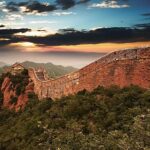
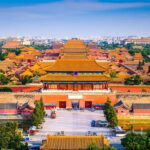
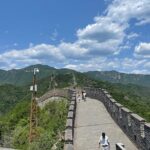

Ming Tombs & Spirit Way Trips, compared.
 ★ 4.5Great Wall of China at Badaling and Ming Tombs Day Tour from BeijingFrom $87731 reviews
 ★ 5.0Mutianyu Great Wall and Ming Tombs Private TourFrom $117114 reviews
 ★ 5.0Private Beijing Day Trip: Mutianyu Great Wall and Ming TombsFrom $176114 reviews
★ 4.9Mutianyu Great Wall and Ming Tombs Private TourFrom $16895 reviews
★ 5.0Private Beijing Day Trip: Mutianyu Great Wall and Ming TombsFrom $176114 reviews
★ 4.9Mutianyu Great Wall and Ming Tombs Private TourFrom $16895 reviews
 ★ 5.0Mutianyu + Ming Tombs or Summer Palace Private Day TourFrom $22093 reviews
 ★ 5.0Juyongguan Great Wall, Sacred Way & Ming Tombs TripFrom $6664 reviews
 ★ 4.0Private Tour: Ming Tombs and Great Wall at Mutianyu from BeijingFrom $13955 reviews
 ★ 5.0Private Tour to Mutianyu Great Wall and Ming TombsFrom $11042 reviews
Browse the lists this tour appears in