
Reviewed · JINSHANLING WALL HIKES
From Beijing: Small Group Hike at Jinshanling Great Wall
The Jinshanling Wall feels wonderfully wild. This small-group day trip takes you from Beijing to Jinshanling East, where you hike past watch-towers and then see how the wall changes again in the middle restored area.
I love the way the scenery keeps changing. One stretch feels ruined and original, then you hit restored sections that make the structure easier to read from a distance. I also like the practical perks, like unlimited bottled water and trekking poles that save your knees.
The only real drawback to plan around is the steep hiking, plus there’s no toilet on the wall, so you have to come prepared.
Key Highlights You’ll Actually Feel
- Wild and restored in one day, so you get variety instead of one long “same view” trek
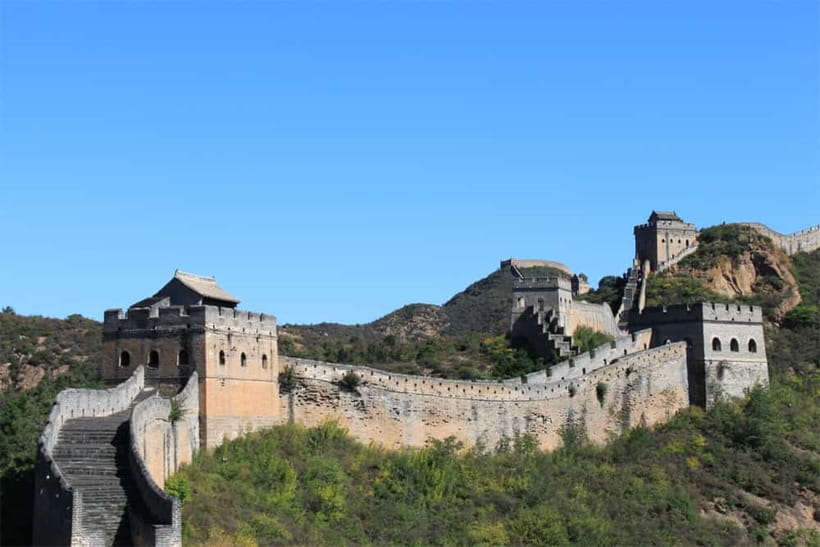
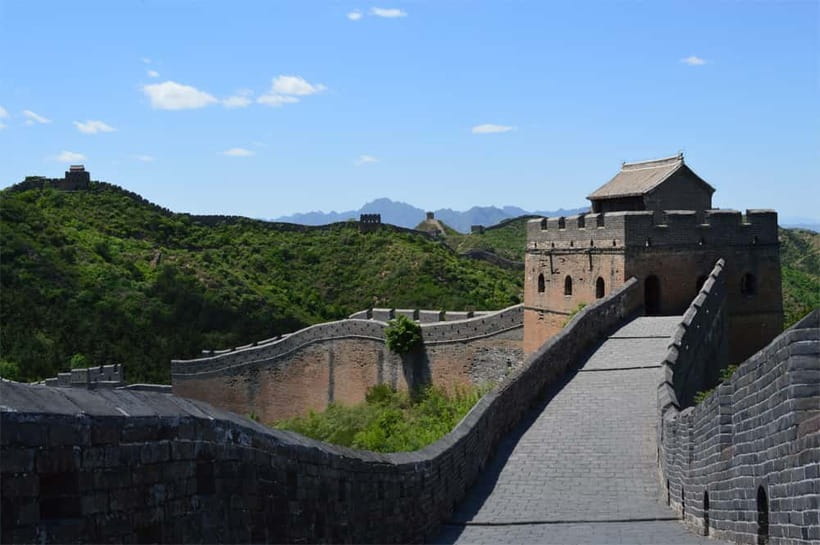
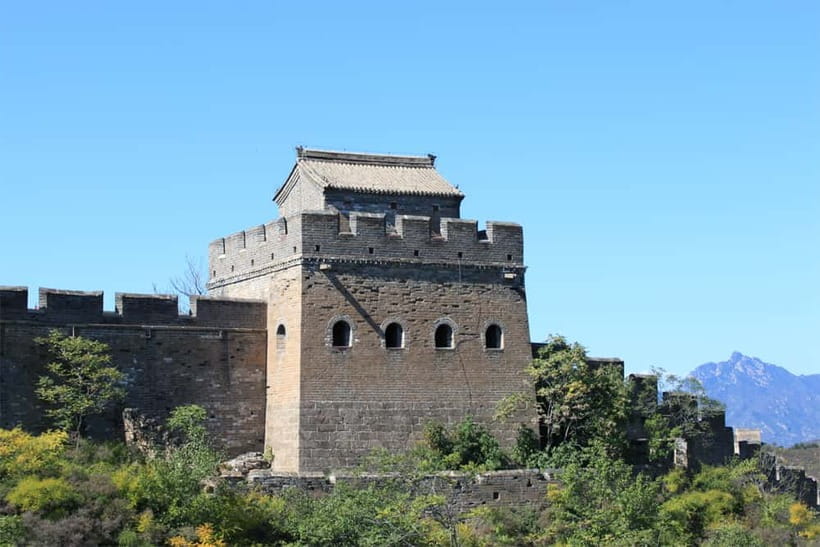
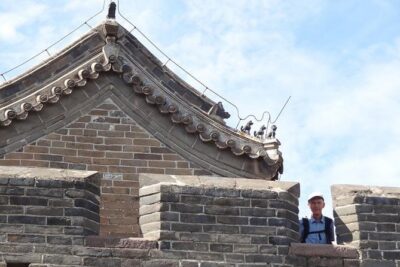
- More than 15 watch-towers, with different styles (two-storey, three-storey, flat, rounded, and even pitched roofs)
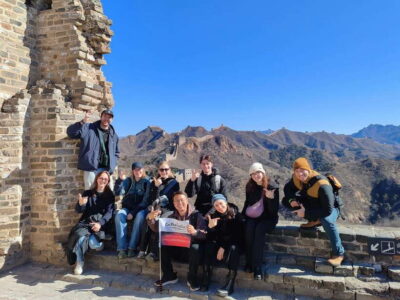
- Small group up to 12, which helps the wall feel quieter for long stretches
- Photo-friendly terrain, with steep gradients that constantly change your angles
- Local farmer’s lunch arranged after the hike (included if you pick that option)
- Trekking poles and water provided, so you start strong and finish without scrambling
Jinshanling East to the Main Gate, the big reason this hike works
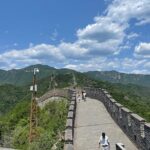
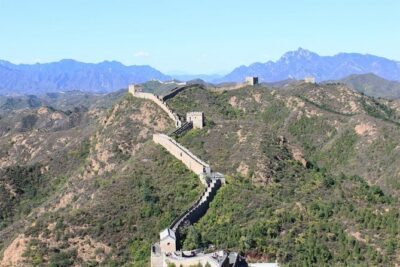
Jinshanling is one of those Great Wall sections where the wall looks like it belonged to mountain life long before tourists arrived. The East side you hike is extremely photogenic, and it is described as wild, ruined, preserved, and original. Translation: you won’t feel like you are walking through a theme park wall.
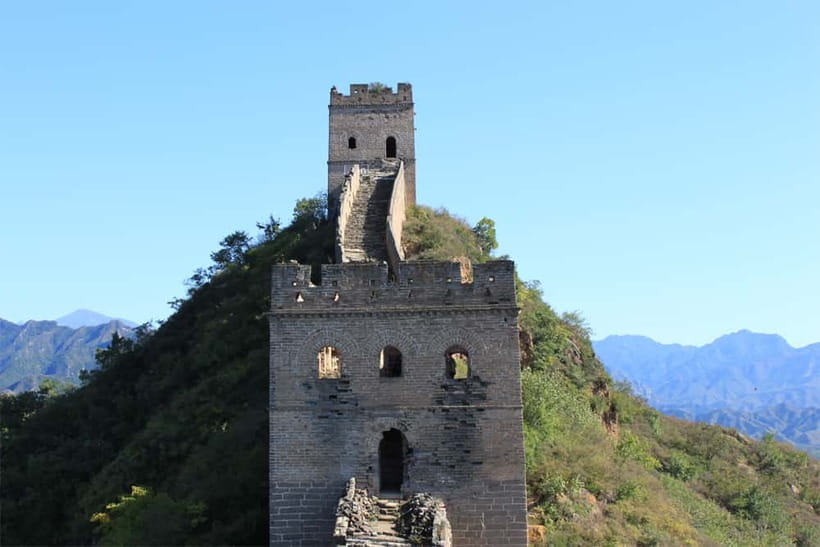
What makes it special is the variety in what you see. You pass watch-towers that look noticeably different from each other. Some rise two storeys, others three. Roof shapes also vary a lot, from flat and rounded forms to pitched roofs with upturned eaves. When you are taking photos, that variety keeps your images from feeling repetitive.
Then, later, you get to see the restored middle section as a contrast. That mix helps you understand the wall better. From the wild parts you get texture and survival-era grit. From the restored stretch you can more easily spot how the wall was rebuilt and reinforced.
You can also read our reviews of more hiking tours in Beijing
How the Beijing drive fits your day (and why the timing matters)
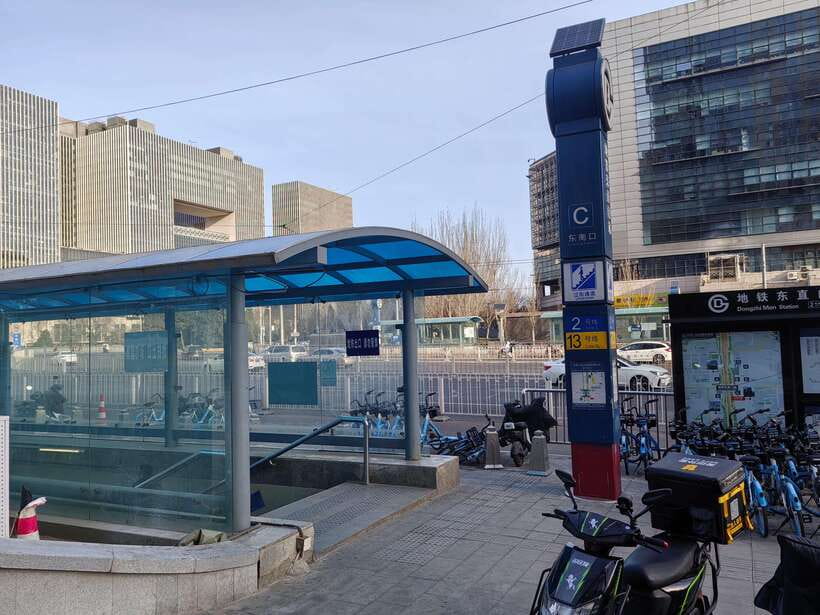
You meet at 8:00am at Exit C of Dongzhimen Station, Subway lines 2 and 13. From there, you drive for about 2.5 hours to Jinshanling. This is a long day, so the real value of the schedule is that you avoid losing half the daylight to slow logistics.
You typically stop along the way, then you start hiking around 10:30am. That matters because late-morning light is often friendlier for photos than harsh midday glare. It also gives you enough time to get into the rhythm before the main hiking stretch.
The tour returns to Beijing after lunch with another 2.5-hour drive, so you finish the day without having to figure out transport on your own. In practice, that means you can focus on the wall, not on catching buses or negotiating with drivers after you are tired.
The hiking rhythm: about 3 hours on the wall
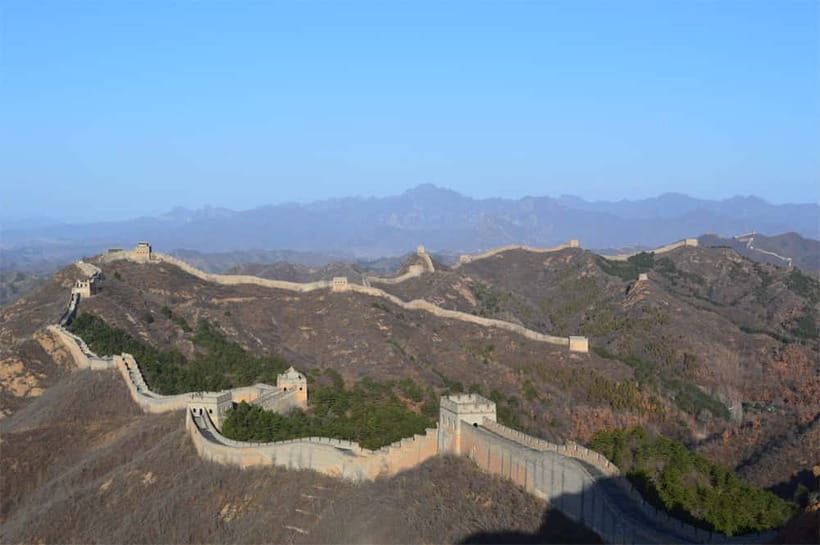
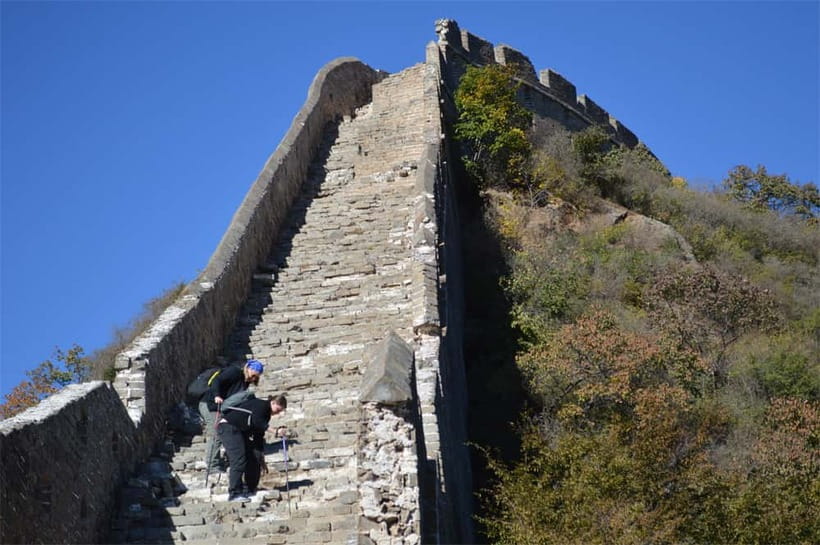
The hiking portion is set up as a roughly 3-hour trek from Jinshanling East toward the main gate. Expect steady ups and downs, with steep gradients that make your perspective shift constantly. That is part of the charm. It’s also why you should treat the walk as real hiking, not a stroll.
The route is described as crossing both restored and original sections. So you should plan to pause and look, not only to keep moving. The wall is packed with details, and if you rush, you miss the differences between tower styles and roof shapes.
In winter, you may hit section closures, which can reduce the route length or change what is open. Some days may also mean you are doing a shorter loop because certain gates or parts do not operate. If you are traveling in colder months, bring a little flexibility mindset. You can still have an amazing day, but it won’t always match the longer version.
Watch-towers, roof shapes, and where to aim your camera
This is the part you will probably brag about later: the watch-towers. The key is learning what to look for, not just photographing everything.
Here’s what you can watch for as you go:
- Two-storey vs three-storey towers: the taller ones change how lines converge in your photos
- Roof shapes: flat tops, rounded silhouettes, and pitched roofs with upturned eaves
- Steep gradients: as you climb, the wall steps into new layers, so each pause gives a fresh angle
Because this section is described as difficult to fail for photography on clear days, your best strategy is simple. Stop often, take a few photos from different heights, then move on. Your legs will do the climbing anyway, so let the terrain help you create variety in your shots.
Also, remember the weather can change fast in a mountain setting. Even if the day starts clear, bring sunglasses and sun protection. The wall hike runs for hours, and the sun does not care if you are busy admiring towers.
What you do with lunch, and why it matters
After hiking, you have about 1 hour for lunch at a local farmer’s restaurant. The pace is intentional: you get fuel when you are already tired, but before you are too cooked to enjoy food.
A key point here is that this lunch is not a polished restaurant experience. It’s described as a local farmer setup, and it can feel more like a basic stop than a sit-down dining hall. For me, that’s usually the point. You eat what’s available nearby and keep the day feeling grounded.
If you are the type who burns calories and then forgets food exists, you’ll be happy this is built into the day. It also helps you recover before the drive back.




Small group size, English support, and what the guide does day to day
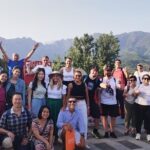
This hike runs as a small group, with a maximum of 12 people. That number sounds small for a reason. It typically means less waiting at photo stops and less crowd compression on the steep sections where everyone funnels toward the same viewpoints.
English support depends on the option you select. You can have a personal English-speaking hiking guide if that option is chosen. If not, expect explanations that can be limited, with translation support from the driver or staff.
In multiple examples from guides and drivers associated with this style of tour, the best service comes from clear instructions and practical communication. Some drivers are mentioned as providing maps, helping with meeting points, and keeping communication simple through apps. If communication is important to you, I suggest choosing the English hiking guide option and also downloading a translation app as a backup for quick questions.
Crowd levels: how to enjoy Jinshanling without feeling boxed in
One of the most consistently praised aspects of this section is how uncrowded it can feel, especially in quieter seasons and on weekdays. The East side and areas away from major entrances can give you stretches where you share the wall with only a handful of people.
Still, treat crowds like weather. You cannot control them, but you can plan for them. A small group size helps. Starting late enough to arrive after morning rush helps too. And choosing Jinshanling itself, rather than the most famous heavily marketed segments, usually makes your hike feel more like hiking.
If you want that almost-private feeling, go when fewer tour buses are running. Winter can be great, but also keep in mind closures and shorter routes.
Getting your body ready: steep stairs, no toilet on the wall
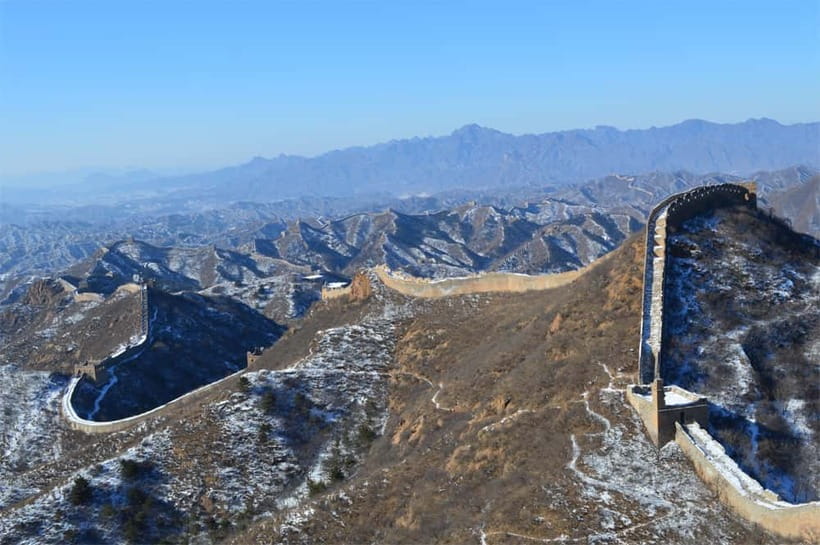
Let’s talk reality. This is a steep hike with big steps. If you expect an easy walk, you will be disappointed. If you treat it as a workout, you will feel satisfied.
Two practical cautions are non-negotiable:
- There is no toilet on the wall. Toilets are at the entrance of Simatai West and Jinshanling, so prepare before you start hiking and carry toilet paper.
- You should always bring sturdy shoes. Even with trekking poles, wet or icy steps can be slippery.
Trekking poles are included, and that is a smart inclusion for this terrain. Use them on descents. That’s where knees complain first.
Other small comfort items that matter: sunglasses, sun cream, lip balm, and a cap. Even in cool seasons, wind and sun reflection can surprise you.
Farmers following at the start: how to handle it confidently
You’ll be followed by local farmers when you start the hike. If you do not want the interaction, you need to set boundaries early.
The guidance here is straightforward. Say NO firmly at the beginning. Sending a soft maybe can fail. If you want zero interaction, ignore them and do not engage in conversation.
Is it uncomfortable? It can be for some people. Is it manageable? Yes, if you decide your boundary at the very start.
Water, snacks, and the day pack you’ll wish you brought
You get unlimited bottled water, plus snacks on the wall. The water is stored in the provider’s car or van, so you need a day pack to carry it once you’re at the start.
This is one of those details that sounds minor until you are halfway through and you realize you have no way to carry your water. Bring a small day pack, even if it’s just for bottles and a layer you might take off later.
Price and value: does $52 make sense for a 9-hour Great Wall day?
At about $52 per person for a 9-hour day, the value is mostly in what’s included, not just in the transportation.
You get:
- Air-conditioned vehicle with an experienced driver
- Entrance fees to the Great Wall
- A small-group structure (up to 12)
- Skip the ticket line
- Unlimited bottled water and snacks on the wall
- Trekking poles
- A local farmer’s lunch if you select that option
- A certificate of completion for hiking on the Great Wall of China
Compared with piecing together your own transport, entrance, and gear, this adds up quickly. And because the hike portion is the real work, poles and water are not fluff. They directly improve comfort and reduce the chances you have to rush decisions on the spot.
The one cost factor to watch is whether you choose the lunch option. If it’s important to you to include lunch in the budget, select the included meal. Otherwise, you’ll need to plan your own food stop.
Who should book this Jinshanling hike, and who should skip it
This is a great fit if you want:
- The Great Wall with more original, wild texture than the busiest sections
- A hike with real effort and great photo opportunities
- A day trip that reduces logistics stress from Beijing
It might not be the best choice if you have:
- Heart problems
- Pregnancy
If you’re a strong walker who can handle steep stairs, you should feel comfortable with this kind of outing. Even if you are not an ultra-hiker, the provided poles and the planned pacing make it manageable for most people with baseline fitness.
Should you book this Small Group Hike at Jinshanling?
I think you should book it if your top priority is a photogenic, less-crowded-feeling Great Wall day with fewer logistics headaches. The mix of Jinshanling East wild sections and a restored middle stretch gives you variety, and the watch-tower differences keep the hike interesting even when the route gets challenging.
I would hesitate if you want a very gentle sightseeing day, because the terrain is steep and the hike takes hours. Also, if using the toilet during a hike is a must for you, this is not set up for that. Plan for entrances before you go.
If you are ready for a real hike, bring the right shoes and a day pack, and go with the mindset that Jinshanling rewards you for stopping often. That’s when the day turns from a trek into a memory.
FAQ
Where is the meeting point in Beijing?
You meet at Exit C, Dongzhimen Station, Subway lines 2 and 13.
What time do we start hiking?
You meet at 8:00am and then start hiking around 10:30am.
How long is the Great Wall hiking portion?
The hiking from Jinshanling East to the main gate takes about 3 hours.
Is lunch included?
Lunch at a local farmer’s restaurant is included if you select the option that includes lunch. It is scheduled for about 1 hour after the hike.
Are there toilets on the wall?
There is no toilet on the wall. Toilets are at the entrance of Simatai West and Jinshanling, so prepare before you hike and carry toilet paper.
Is this tour suitable for everyone?
It is not suitable for pregnant women or people with heart problems. Comfortable shoes are important due to steep stairs and uneven steps.
More Hiking & Trekking Tours in Beijing
More Tour Reviews in Beijing


Not for you? Here's more nearby things to do in Beijing we have reviewed





Jinshanling Wall Hikes, compared.
 ★ 4.9Jingshanling Great Wall Trekking Tours with OptionsFrom $60411 reviews
 ★ 5.0Small Group 6km hiking Jinshanling Great Wall EN speaking driverFrom $75347 reviews
 ★ 5.0Full-Day Small-Group Great Wall Hiking at JinshanlingFrom $138347 reviews
 ★ 5.0Great Wall at Gubeikou and Jinshanling Private Sunset TourFrom $160307 reviews
 ★ 5.0Private Trekking Day Tour to Jinshanling Great WallFrom $122127 reviews
 ★ 5.0Beijing Private Transfer to Jinshanling or Simatai Great WallFrom $86119 reviews
 ★ 4.9Jinshanling Great Wall Private Tour with OptionsFrom $17592 reviews
 ★ 5.0Jinshanling Private Tour with Night View of Simatai and Gubei Water Town from BeijingFrom $26177 reviews
Browse the lists this tour appears in