
Reviewed · TRAIN EXPERIENCES
Datong Yungang Grottoes and Hanging Monastery 1-day from Beijing by Train
Bullet trains make Datong a one-day escape. This tour turns a big cultural day into something realistic, with the Beijing-Datong trip set around a fast bullet train and about 2 hours each way. I especially like having an English-speaking guide like Star, plus tight time management so you are not stuck guessing schedules on your own.
The only drawback is the pace, you are in for an early start and a full 12-hour day, so you will want to go in with energy and a light plan for downtime.
I like that you get practical extras that matter in China: pickup is offered, the experience runs as a private group, and admission tickets are included for both the Yungang Grottoes and the Hanging Temple. You also get lunch focused on Shanxi-style flavors, which is the kind of local detail that is hard to recreate if you stay only on Beijing food habits.
Key highlights to pay attention to
- 2-hour bullet train ride each way keeps Datong possible even with just one extra day in Beijing
- Star-led English guidance with strong time control, so your visit feels efficient rather than rushed
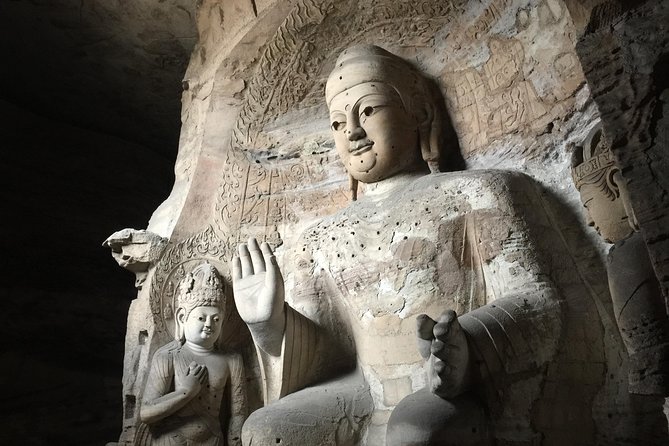
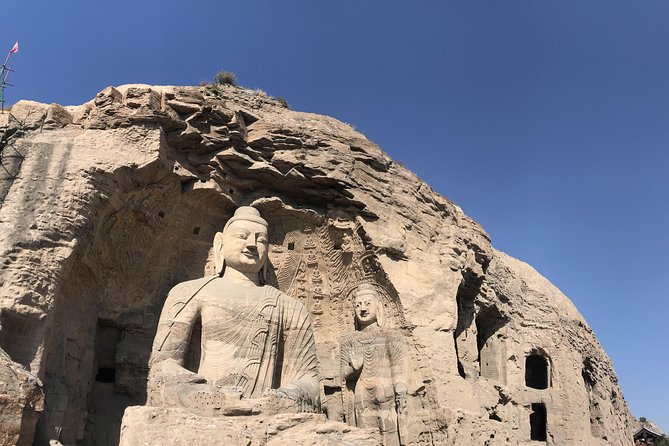
- Yungang Grottoes numbers that stop you: 252 grottoes and 51,000+ Buddha statues and statuettes
- Xuankong si cliff temple engineering using hidden wooden beams embedded in the rock
- Three religions in one complex at the Hanging Temple: Buddhism, Taoism, and Confucianism
- Peak season strategy for the Hanging Temple in March to October, when reservations are competitive
Price and logistics: what $399 really buys you
At $399 per person, this day trip is not trying to be a budget bargain. The value comes from combining four things that usually cost time and stress if you do them separately: a timed plan built around the Beijing-Datong bullet train, a dedicated private team, an English-speaking guide, and admission tickets included for both major stops.
The day is set for about 12 hours, which is a long block, but it is also the tradeoff that makes two world-class sites work in one outing. Because it is private, you are not competing with other groups for your share of the schedule, and you do not spend your morning doing the math on train times and ticket rules.
You will also see some “small but helpful” travel tech in the way it is run. There is a mobile ticket, and the meeting points are described as near public transportation, which can matter if you need an easy way to get to your pickup area.
One more planning clue: the experience is commonly booked about 88 days in advance on average. That does not mean you need to book that early for every season, but it does signal that this is a popular combo trip, especially when train capacity and popular-site entry are both factors.
A few more Beijing tours and experiences worth a look

The bullet train timing that makes Datong feel close
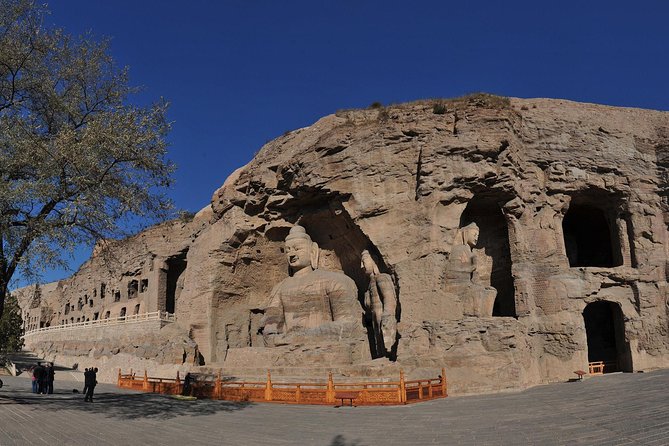
The core idea is simple: Datong becomes a one-day option because the newly built Beijing-Datong bullet train cuts the distance down to about 2 hours each way. That is the difference between “a trip we might consider someday” and “we can do this on our extra day in Beijing.”
The smooth, quiet ride is not just a comfort perk. When your transit is controlled and predictable, your brain stays fresher for the sites themselves. Instead of arriving frazzled and immediately overwhelmed, you can show up ready to look closely at cave art and cliffside architecture.
Also, this kind of day works best when you accept the rhythm. You are not going to wander Datong at your own pace. You are going to see the two headline places, learn what you are looking at, and move on with confidence.
Private guide, English commentary, and why timing matters in Datong
A big part of why this trip works is the guide. The guidance is described as fluent in English, and one highlight is time management that keeps you in control of your day rather than waiting around with nothing to do.
That sounds abstract until you imagine the alternative. Datong has famous sites, and famous sites create lines, crowds, and bottlenecks. A strong guide helps you use the day well, turning “we got here” into “we got the best possible visit window.”
There is also an important learning angle. You are not just looking at famous sights from a distance. The plan is built to connect the sites to their place in Shanxi history and culture, so the grottoes and the cliff temple feel related instead of two separate photo stops.
If you like travel that is hands-on but not stressful, you will probably appreciate this setup. You get a dedicated team, so you can ask questions and get context without trying to piece it together yourself in the moment.
Yungang Grottoes: 252 grottoes and 51,000+ figures up close
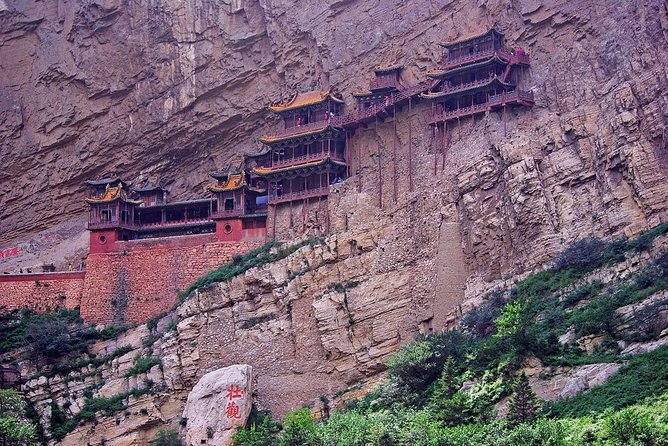
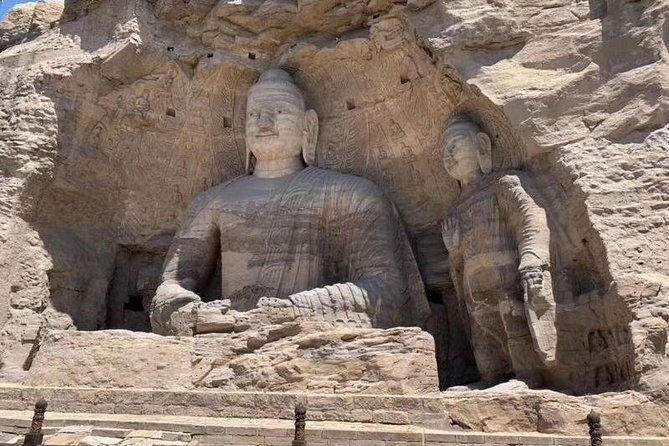
Your first major stop is the Yungang Grottoes, one of China’s best-known rock-cut sculpture sites. It was built from 460 to 525 AD during the Northern Wei Dynasty, which is a useful anchor when you are trying to understand why the art looks the way it does.
Here are the numbers that help you picture the scale. The site is made up of 252 grottoes and includes more than 51,000 Buddha statues and statuettes. Two hours is not enough to see everything perfectly, but it is a realistic window for understanding what matters and getting a strong sense of the site’s overall story.
The value here is not just the quantity. The grottoes are also known for how they represent a fusion of artistic influences. The UNESCO framing emphasizes the successful blend of Buddhist symbolic art from South and Central Asia with Chinese cultural traditions under imperial auspices, beginning in the 5th century.
When you stand in a place with that kind of intent behind it, you start noticing details differently. Instead of treating the cave art like a museum collection, you see it as a message system, designed for religious and cultural purpose.
What to watch for during your visit
You will get about 2 hours at the grottoes, so focus on doing a “scan first, then linger.” Look for how the carvings repeat motifs, then pick a few areas to study longer. Even without expert-level art knowledge, you can pick up the differences between figures, styles, and how the space is organized.
Possible drawback
If you are the type who needs a slow, unstructured museum crawl, two hours can feel short. The fix is attitude: decide in advance what you want most, historical meaning or visual detail, then let the visit be a curated highlight rather than a full survey of every niche.
Hanging Monastery (Xuankong si): cliffside engineering plus three traditions
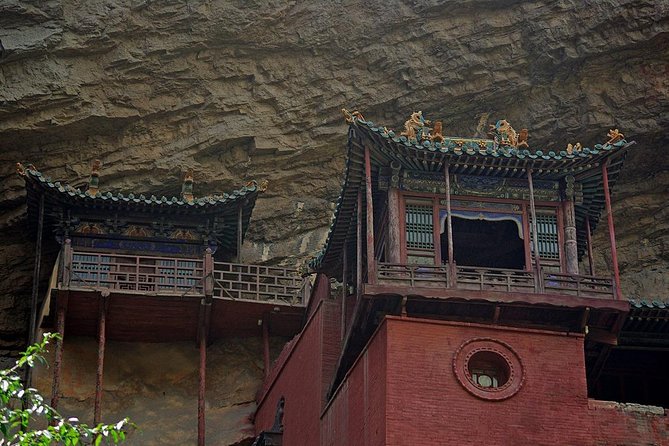
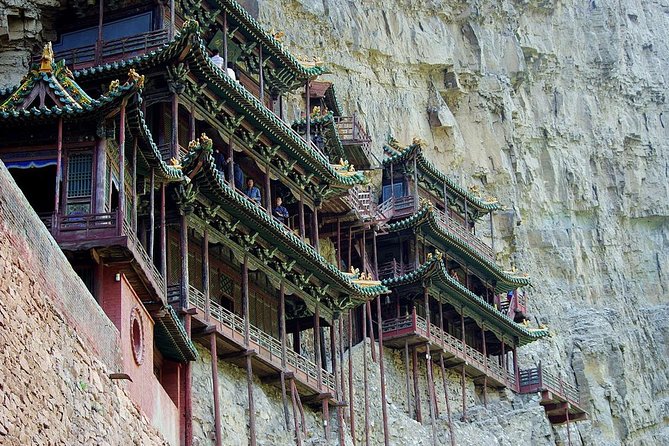
Next up is the Hengshan Hanging Temple, also known as Xuankong si. This is a truly distinctive site, built into a sheer precipice near Datong, and it is about 1,500 years old.
The big thing you should know is that it is not only a temple. It is also architecture and problem-solving. The complex is supported by hidden wooden beams embedded in the rock, and it is naturally protected from weather by the surrounding cliff. You are looking at a structure that had to be engineered to survive where it is.
Then there is the religious angle, which makes this stop more than a scenic detour. The Hanging Temple is famous for combining Buddhism, Taoism, and Confucianism in one complex. That blend helps explain why the site stands out in Chinese cultural history as a place where different philosophical and religious strands coexisted in a single sacred environment.
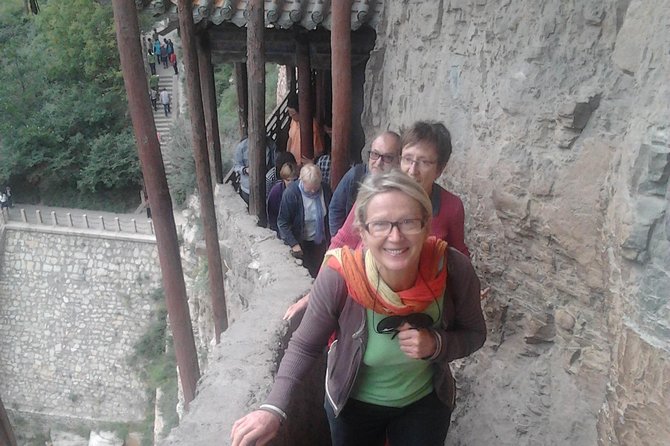
Your time here is about 1 hour, with the admission ticket included. For most people, that is enough time to enjoy the core experience and absorb the setting without getting fatigued.
Peak season reality check (March to October)
This is where planning matters. From March to October, visitor numbers are high and advance reservations are required and highly competitive, at least one week in advance.
There is also a practical tip built into the guidance: if on-site waiting time exceeds 1.5 hours, you are better off viewing the temple from below rather than entering. That advice is about protecting your time and keeping the day enjoyable.
If your trip lands in peak season, you should treat reservations as part of your trip, not an optional extra.


Shanxi lunch: the local break that keeps the day from feeling generic
One of the easier wins on this tour is that lunch is not the same “tour group meal” you can get back in Beijing. You get a taste of Shanxi-style food, which gives you a real geographic connection to the region you are visiting.
This matters because a lot of China day trips feel interchangeable if the food is generic. Here, the meal acts like a palate reset and helps you remember why Datong and Shanxi are worth the effort.
Because lunch is included, you also avoid a common day-trip problem. You do not have to hunt for something open, price it out on the spot, and time it around transport. The day stays on track, which is especially important when you are dealing with a long overall schedule.
Who this day trip is best for
This experience fits best when you want cultural depth without logistics homework.
You will probably like it if:
- You have an extra day in Beijing and want Datong to feel attainable
- You care about history and culture but prefer a guide to connect the dots
- You want private touring so your group is not stuck in someone else’s pacing
- You value included admissions and a mobile ticket, which reduces friction on site
You might want to think twice if:
- You hate early starts and long full-day travel blocks
- You expect lots of free time for independent wandering at each site
- You are traveling in March to October and do not want to deal with competitive reservations for the Hanging Temple
Price and value check: balancing convenience with cost
Let’s be honest about the math of value. At $399 per person, you are paying for convenience and for interpretation, not just for transportation.
You get:
- A day structured around the bullet train timing, with about 2 hours each way
- A private tour with your dedicated team
- An English-speaking guide (with English fluency highlighted)
- Admission tickets included for both Yungang Grottoes and Hanging Temple
- Lunch featuring Shanxi-style food
If you were to do this on your own, you would likely spend time coordinating trains, tickets, and timing between the two sites. You would also still need someone to explain what you are seeing. This tour replaces that work with a guided plan that is built to keep you moving in the right order.
That does not mean the price is for everyone. If you are a tight-budget traveler who enjoys self-directed planning, you may be able to build a cheaper version. But if you want your extra day in Beijing to translate into a high-impact, low-stress culture day in Datong, this package is trying to do exactly that.
Should you book this Datong day trip from Beijing?
Book it if you want the best chance of seeing the two headline icons of Datong in one day, with admission tickets included, a private team, and an English guide who helps you understand what the sights mean.
I would especially recommend it if you are the type who gets tired when a trip becomes a logistics puzzle. The whole plan is built around keeping your day controlled, from the bullet train timing to the way your time is managed at each site.
Skip it or at least compare alternatives if you are sensitive to long travel days. A 12-hour schedule with an early start will feel like commitment, and the Hanging Temple in peak months can add pressure if reservations do not go your way.
If you can handle a full-day pace and you want to come away with more than just photos, this is a strong pick.
FAQ
How long is the day trip from Beijing to Datong?
The duration is listed as about 12 hours.
Does the tour include pickup?
Yes, pickup is offered.
Is this a private tour?
Yes, it is described as a private tour/activity, with only your group participating.
Which attractions are included, and are admission tickets covered?
The tour includes Yungang Grottoes and Hengshan Hanging Temple (Xuankong si), and admission tickets are included for both.
How much time do I spend at each site?
You get about 2 hours at Yungang Grottoes and about 1 hour at the Hanging Temple.
Is there an English-speaking guide?
Yes. The tour overview notes that the Datong guide is fluent in English.
What food is included during the day?
Lunch includes Shanxi-style food, which is noted as not found in Beijing.
When are Hanging Temple reservations most important?
The peak season note says visitor numbers are high from March to October, and advance reservations (at least one week) are required and highly competitive.
What is the cancellation policy?
Free cancellation is available up to 24 hours in advance for a full refund. Changes within 24 hours of the start time are not accepted.
More 1-Day Tours in Beijing
More Tour Reviews in Beijing


Not for you? Here's more nearby things to do in Beijing we have reviewed



Train Experiences, compared.
 ★ 5.0Beijing to Xi’an See Terracotta Warriors with Bullet Train Round Trip TransferFrom $564238 reviews
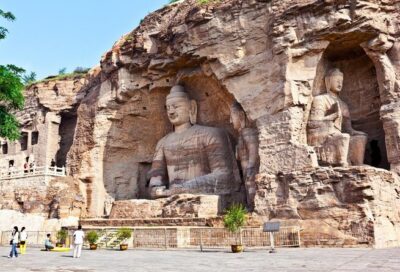 ★ 5.0Beijing to Datong See YunGang Cave, Hanging Temple (Bullet Train)From $41639 reviews
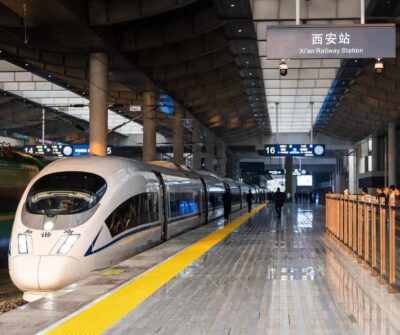 ★ 5.0Xi’an Terracotta Tour by Train-All Tickets IncludedFrom $43827 reviews
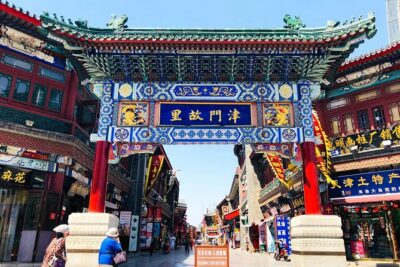 ★ 5.0Private Day Trip to Tianjin from Beijing by Bullet TrainFrom $22922 reviews
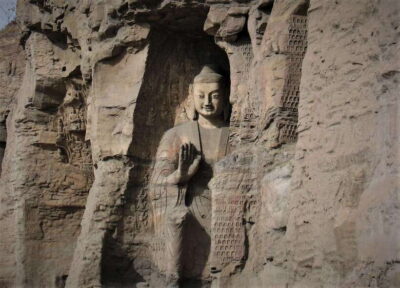 ★ 5.0Bullet Train Tour to Hanging Temple&Yungang GrottoesFrom $34816 reviews
 ★ 5.0Private Day Trip: Discover Tianjin by Bullet Train from BeijingFrom $22414 reviews
 ★ 4.8Beijing to Xi’an Terracotta Tour by Roundtrip Bullet TrainFrom $18013 reviews
 ★ 5.0Beijing to Shanghai Bullet Train Ticket with South Railway Station TransferFrom $16611 reviews
Browse the lists this tour appears in