Reviewed · BEIJING
China eSIM (3-30 days. Up to 60GB)
China trip and zero SIM stress. That is the real interest here, a digital eSIM plan that gets you data fast without a physical card. You choose 3 to 30 days based on your trip length, then activate by scanning a QR code after you land.
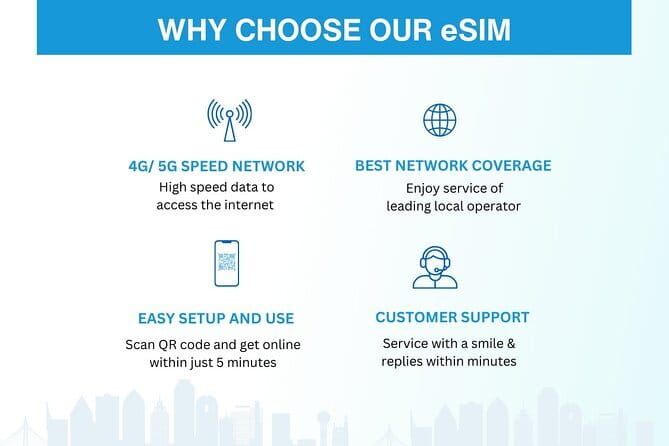
I especially like two things. First, the setup flow is simple, email delivery, scan, connect within minutes. Second, the plan is built around practical usage like 4G/5G data for navigation and planning, so you can find your way around Beijing and keep your apps working.
One thing to think about: high-speed data is capped, and once you hit the limit your speed switches to 3G. So if you plan to stream a lot or use lots of hotspot style data, you will want to budget carefully.
Key Things I’d Pay Attention To
- Easy activation by QR code after email delivery, so you are not stuck at the airport hunting a SIM counter
- 4G/5G access where available, helpful for maps, translation apps, and messaging
- High-speed cap up to 60GB, then speeds drop to 3G rather than cutting you off
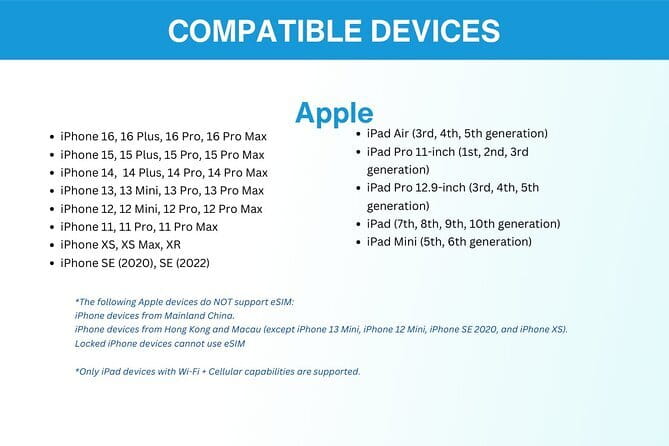
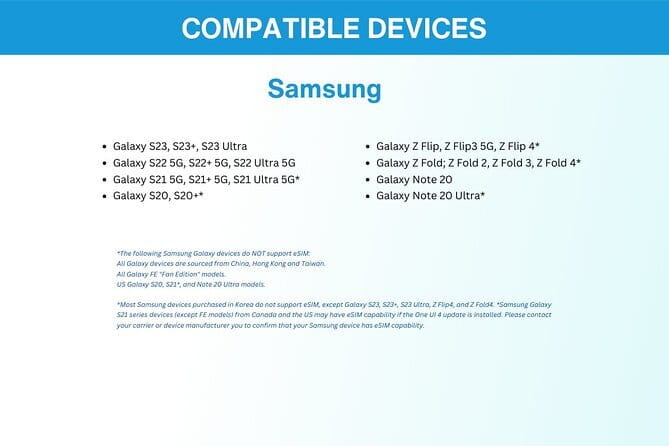
- Device compatibility matters, the phone must support eSIM (examples listed: iPhone XS and later, Pixel 3 and later, Samsung S20/S21/Fold)
- Value at $5 per person, especially if your main goal is staying connected without airport delays
- Coverage text may need a quick double-check, the description says it covers Canadian provinces, which feels mismatched for a China trip
China eSIM Setup, Without the Airport Drama
The biggest win with this eSIM is what it removes from your travel day. You do not need to arrive in Beijing hoping the SIM kiosk is easy to find, open, or staffed with someone who speaks your language. Instead, you get the eSIM via email and you can activate when you are ready.
That matters because time in the first day of a trip is usually spent on figuring out how your transit works, what you can walk to, and what opening times you are dealing with. With data on your phone, you can check routes, translate signs, and confirm plans fast.
This is also a good fit if you hate extra errands. There is no pickup and no meetup. It is purely digital, so the effort is mostly on your side: making sure your phone supports eSIM and that you scan the QR code correctly when you want to start the plan.
You can also read our reviews of more tours and experiences in Beijing.



Is Your Phone Ready for eSIM?
Before you pay for any eSIM, do the boring check. This one works on eSIM-capable phones, and the provider lists examples: iPhone XS and later, Pixel 3 and later, and Samsung models like S20, S21, and Fold.
If your phone is older, or it uses a SIM tray only, you may not be able to install the eSIM at all. If you are unsure, the plan description says to contact them in advance.
I think this step is worth doing early, even if your phone is likely compatible. A quick check can save you from the most frustrating scenario, landing in Beijing and realizing you cannot activate the eSIM you bought.
Email Delivery and QR Activation in Minutes
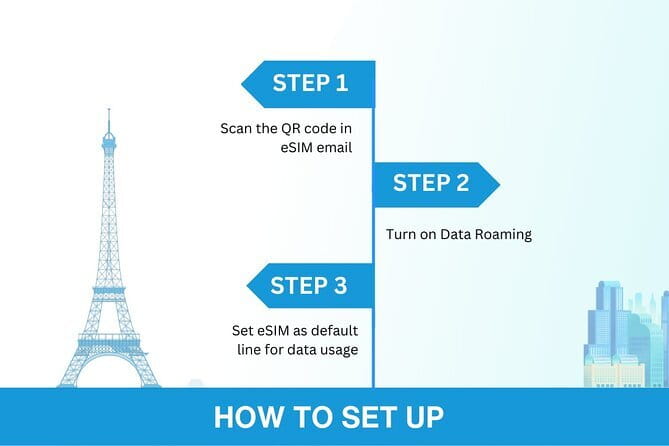
Here is what the activation experience is designed to look like.
- You order and receive the eSIM delivery by email.
- You scan the QR code to activate the eSIM profile.
- You should be connected within minutes.
That timeline is the heart of why people choose eSIMs. Airport SIM activation can be slow. You might need to explain what you need, wait while staff process paperwork, and then test that the plan actually works before you start walking around.
With an eSIM, you can prepare before the trip in your own time. When you arrive, you can turn it on and get data ready. In the feedback for this type of service, the most repeated praise is that it is convenient and easy to activate, with a smooth start once enabled.
Data Quality: 4G, 5G, and What Happens After the Cap
This eSIM is described as offering 4G/5G data (where available) during your journey at local rates. That is what you want for practical travel tasks. Maps and ride-hailing or transit apps tend to behave better with stronger signal and faster speeds.
There is also a clear limit. High-speed data usage is capped at the amount included in your plan. After you use that amount, data speed switches to 3G.
The useful part is not just the cap. The plan description emphasizes staying connected even after high-speed slows down, using an unlimited 3G style fallback. In real terms, that means you can still do core things like messaging, checking directions, and occasional web use, even if streaming or heavy uploads slow down.
If you are the type who posts photos right away, watches videos on the go, or plays online games, your experience will depend on whether you stay under the high-speed limit. The pricing here is low, so it is not designed to be a power-user plan, but it can still work great for daily browsing and navigation.
How It Feels in Beijing and Beyond

This eSIM is marketed for use starting in Beijing, China, and it is intended for staying connected throughout your trip. Some of the strongest feedback highlights consistent signal strength from Beijing into other cities, which is what you want if you plan to split your time between different destinations.
At the same time, not every connection will be perfect. One note describes the connection as ok rather than rock solid, with some stability concerns. That is common with any mobile data product, since real-world signal varies by location, building density, and your phone model.
So I treat this like a “good enough for travel” tool. If your priority is:
- finding your way around
- translating on the spot
- using maps and messaging apps
- posting updates without waiting too long
you are likely to be happy. If your priority is uninterrupted high-bandwidth media every hour, you should expect that the cap and the occasional spotty area could slow you down.






Navigation, Translation, and Social Apps You Want On Day One

For many people, the first reason to buy an eSIM is simple: you want your phone to be useful the moment you step outside.
This plan is built around that. The description explicitly frames the eSIM as data you can use for trip planning and finding your way around town. With a connected phone, you can avoid the classic travel trap of saving everything for later, when you are tired and it becomes harder.
The feedback also points to smooth browsing and strong usability for more active phone tasks. One person specifically talked about browsing the web smoothly, streaming videos, and playing games without lag. Another mentioned they could use apps without needing a VPN.
That does not mean every minute of service will feel identical, but it does support the idea that the network performance is good enough for normal travel life, including entertainment.
Value for $5: When Cheap Also Makes Sense

The price here is $5.00 per person, and the plan is typically booked about 10 days in advance on average. That timing makes sense because you want the email delivery and QR code ready before you land.
Is $5 “cheap” in the sense that you should expect problems? Usually, yes, some tradeoffs exist. The clear tradeoff here is the speed cap. High-speed data is not unlimited, and once you cross the included amount you shift to 3G.
But the value math can still be strong. Airport SIMs are often more expensive, and the process can eat time. Also, if you are not confident with local SIM counters and technical questions, a self-serve eSIM activation can feel far easier.
So I think this is a smart purchase when your goal is practical internet access, not maximum data at all costs. If your usage is moderate, you can likely get a lot of value for the money.
Pick the Right Length: 3 to 30 Days

You choose between 3 to 30 days depending on how long your trip lasts. The best choice depends on your data habits, not just the calendar.
If you are doing a short Beijing stop with a few sightseeing days, a shorter plan usually matches your usage. If you are rolling through multiple cities or staying longer, you might want to choose a longer duration so your plan matches the whole trip without awkward mid-trip adjustments.
Also, you should think about how you will use your phone each day. If you rely heavily on map directions, translation, messaging, and occasional photo uploads, a capped data plan can work well. If you want constant streaming or heavy file sharing, you may hit the cap sooner and feel the speed drop.
Digital Support: Remote Service When You Need It
This is a purely digital product. That also means there is no in-person help if you get stuck.
Still, the provider includes remote customer service by email. They do not promise phone support or a desk in Beijing, but they do offer help through email if you run into an issue.
For an eSIM, that is usually the most realistic kind of support. The problems tend to be small and technical. Things like confirming your phone is compatible, making sure you activated the right profile, or troubleshooting access when you land.
If you want the calmest experience, test your phone’s eSIM settings before your trip starts. Then, when you arrive, activation should be a simple switch to get data running.
Coverage Detail That You Should Double-Check
The description includes a line that says the data plan covers all Canadian provinces. That is unusual for a product aimed at China connectivity, and I cannot assume it is a mistake or a separate region listing.
Here is the practical takeaway: before you rely on the plan, double-check the coverage information provided at purchase time. If you are traveling within China, confirm that the service works in your exact travel areas.
That one step can prevent a frustrating surprise. With eSIMs, the activation process is easy, but the coverage region is the part you must get right.
Who Should Book This eSIM?
This eSIM is best for people who:
- want fast, no-kiosk internet in Beijing
- have an eSIM-capable phone
- prefer handling activation by QR code on their own schedule
- need enough data for maps, translation, messaging, and normal browsing
It might not be the best fit if:
- your phone does not support eSIM
- you expect unlimited high-speed data all day, every day
- you plan heavy streaming or large uploads that will push you past the speed cap quickly
- you need absolute network consistency in every area, since real-world signal can vary
Should You Book This China eSIM for Your Beijing Trip?
If you want the simplest way to stay connected in Beijing without adding airport errands, I think this is a solid buy. The activation flow is designed to be quick, and the price is low enough that it feels low-risk if your main goal is navigation plus everyday phone use.
I would book it when your travel plan is straightforward and your data needs are reasonable. I would also check eSIM compatibility twice, then double-check the coverage line that mentions Canadian provinces, since that part looks inconsistent with a China trip.
If you do those two checks, you are likely to get exactly what you want: a connected phone, fewer delays on arrival, and less stress while you explore.
FAQ
How long is the eSIM valid?
You can choose an option for 3 to 30 days depending on the length of your trip.
What data amount do I get?
The plan is described as offering data with up to 60GB included, with high-speed capped at the stated amount.
How do I activate the eSIM?
After you order, you receive the eSIM by email. Then you scan the QR code to activate the eSIM profile, and you should be connected within minutes.
Do I need a physical SIM card?
No. This is a purely digital product with delivery by email and activation via QR code. There is no pickup or meetup.
What happens if I use up my high-speed data?
After you use the high-speed data amount included in your plan, your data speed switches to 3G.
Can I cancel for a refund?
Yes, free cancellation is available. You can cancel up to 24 hours in advance for a full refund.
If you want, tell me your phone model and your rough daily internet use (maps only, or also video and games), and I’ll help you pick the best 3 to 30 day option and avoid the speed-cap surprises.