
Reviewed · TOURS
A Beijing Tour of Essentials Along the Central Axis
Beijing feels like a timeline when you follow its Central Axis. This tour is interesting because it stitches together imperial Beijing, modern landmarks, and today’s city life in one smooth route.
I love how it starts on Tian’anmen Square, so you immediately get oriented with the National Museum of China area, Chairman Mao Memorial Hall, the Great Hall of People, and Zhengyangmen Gate. I also like the way the day builds, from the walk toward Tian’anmen Gate and into the Forbidden City, then out to Qianmen Street hutong culture and shopping at Wangfujing Street, ending with big-picture views from Jingshan Park.
One consideration: the tour can run anywhere from 2.5 to 8 hours, so you should be ready for a long walking day, plus some transport costs are on you depending on where you start.
Key things that make this Central Axis tour work
- Central Axis routing ties together three eras in one day, without you needing to stitch directions.
- Reserved entry and tickets for the major stops helps you avoid the most common timing headaches.
- English and Chinese guiding with live in-person help, including before-entry guidance.
- Tian’anmen Square orientation gives you the meaning behind what you see, not just a photo stop.
- Qianmen hutongs and Wangfujing balance heritage streets with modern street energy.
- Jingshan Park viewpoint is a strong finish, especially after a day of monuments and palaces.
Why the Central Axis route makes Beijing easier (and more fun)
If you only have part of a day and you want the big Beijing hits, following the Central Axis is smart. It is like using a spine through the city, where major sights sit along a planned line of sight and symbolism. I like this kind of planning because it reduces decision fatigue. You do not have to guess where to go next, or how to make the pieces fit.
This tour also gives you a good mix. The morning portion is about political power and imperial design, with Tian’anmen Square and the Forbidden City. Then it turns toward everyday Beijing: Qianmen Street for the hutong feel and Wangfujing Street for modern shopping energy. Finally, Jingshan Park brings you back to practical sightseeing with a high viewpoint that helps you understand how the city is laid out.
You can also read our reviews of more tours and experiences in Beijing.
Tian’anmen Square: the orientation stop you should not skip
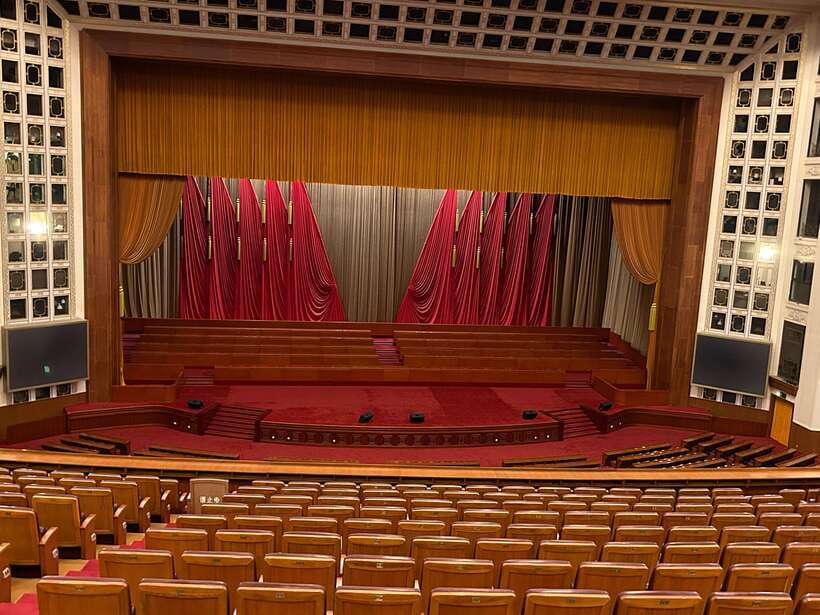
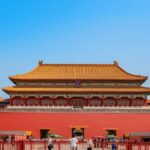
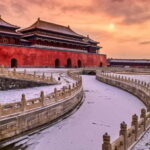
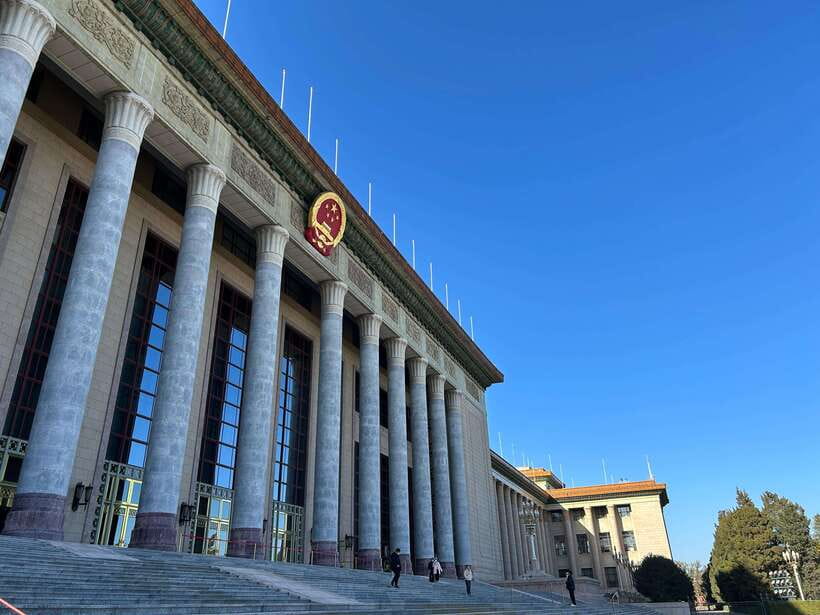
You begin at Tian’anmen Square, the massive urban plaza that functions as a key point of national pride and public life. The tour focuses on the area around the square, including the National Museum of China, Chairman Mao Memorial Hall, the Great Hall of People, and Zhengyangmen Gate. Even if you have seen pictures, standing here helps you connect the architecture to the story.
What I like about starting here is context. The Forbidden City is not just a palace complex. It sits inside a planned worldview. Seeing the square first helps you understand why the routes and gates matter.
Expect crowds. On big national holidays, the area can get very busy, but you are guided through it with an organized flow by local authorities, and the streets can feel more festive with flags and people in traditional clothing. If you are sensitive to crowds, come with patience, and keep moving when your guide suggests.
There is also a practical moment built in: you walk down an underpass toward Tian’anmen Gate, then proceed on foot. That step matters because it helps you transition from the open plaza to the gates and the imperial zone without feeling like you are bouncing between random locations.
Into the Forbidden City: how to make 3 hours count
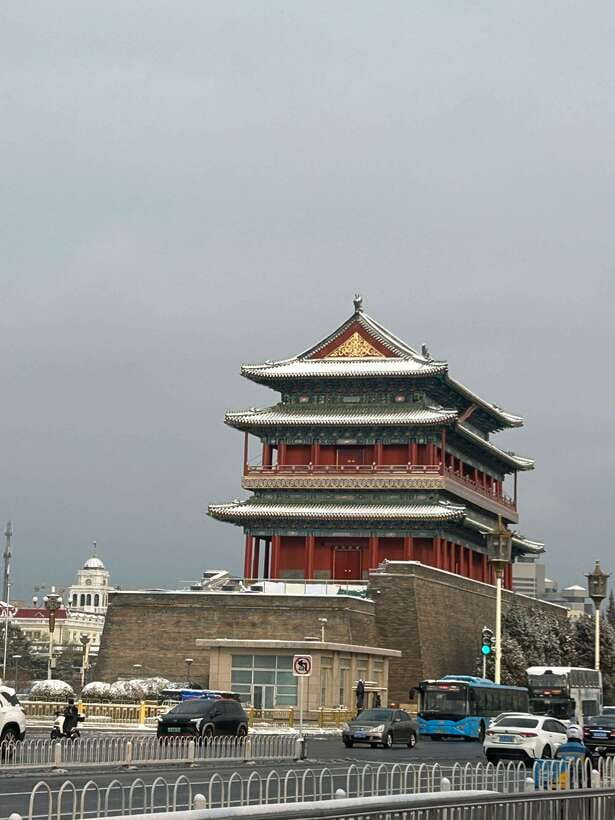
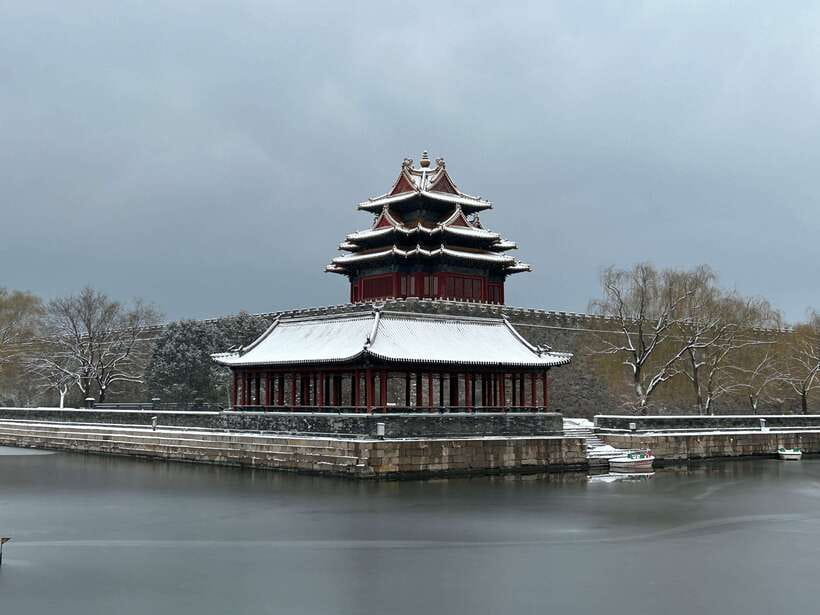
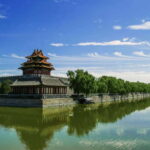
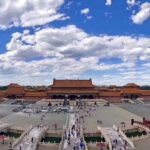
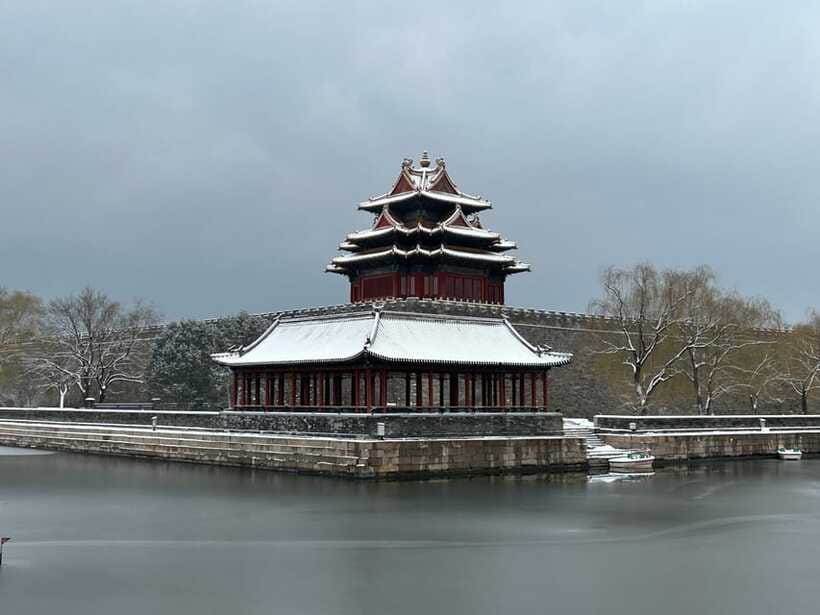
The Forbidden City, also known as the Palace Museum, is the centerpiece. Your allocated time is about 3 hours, which is enough to see the major areas if you follow a route and pay attention to what the guide explains.
The tour frames the visit in a way that is useful for first-timers: you are seeing a site that witnessed the rise and fall of modern China. That theme helps you move through the complex with purpose. Instead of treating it like a pile of buildings, you start looking for how power was displayed and how the palace layout guided movement and ceremonies.
A big value point here is reserved entry and ticketing. When you have a time window and you do not have to sort paperwork on the spot, you can spend your energy on the real sightseeing part. In a place this popular, small time savings add up fast.
What to watch for during the visit:
- Major halls and the central axis viewpoints, where symmetry and scale are part of the lesson.
- Gate-to-courtyard relationships, because the palace design is meant to control sightlines.
- Explanations tied to the political and historical context, especially around the idea of authority and rule.
One drawback possibility, based on how these tours can vary in practice: if your expectations are very DIY, you might feel rushed or frustrated. This is still a guided, structured experience, and your time inside the Forbidden City is set. If you want hours and hours of slow wandering, you might prefer a more flexible plan.
Qianmen Street hutongs: heritage streets with a real shopping break
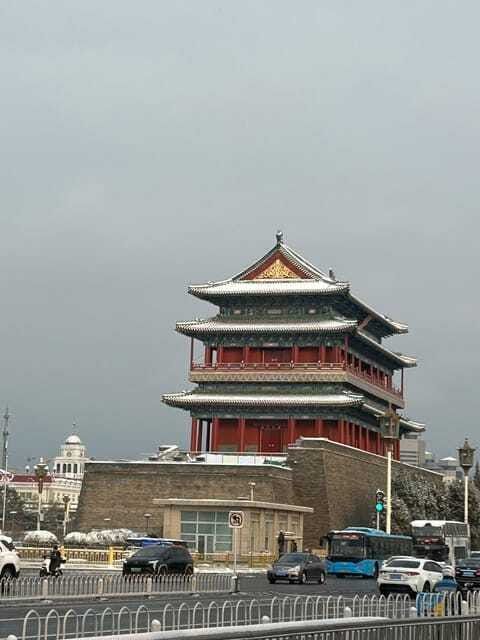
After the imperial zone, the day pivots to street life with Qianmen Street. This part is what makes the tour feel like more than monuments. Qianmen Street is one of the places where hutong culture has been preserved, so you get that older Beijing street texture without leaving the main sightseeing flow.
You get around 1 hour here, including free time and shopping. That free time is important. It gives you room to pick up snacks, small souvenirs, or just pause and watch street life. You do not need to buy anything for it to be worthwhile. You just need a break from constant sightline staring.
A practical tip: treat this as a sensory reset. After palace-scale architecture, the hutong streets help you recalibrate. Look at shopfronts, narrow lanes, and how people move. It is a different kind of history, the lived-in kind.
One note on expectations: this is not presented as a deep architectural study of every alley. It is a taste of hutong culture inside an easy time box.
Wangfujing Street: switching from past power to present city life
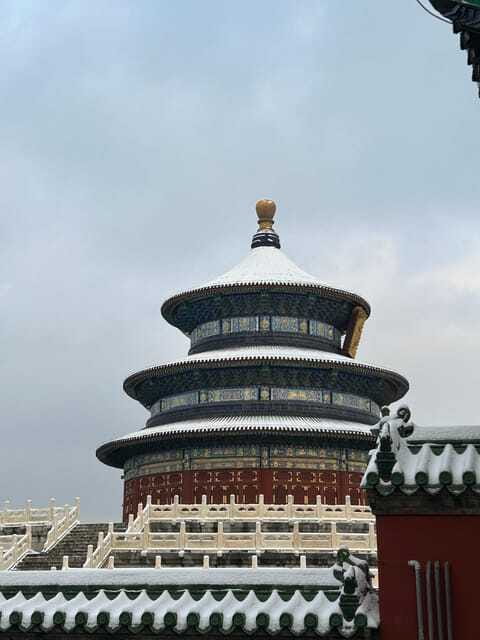
Wangfujing Street is your “future Beijing” stop, and the tour leans into that idea with a 1-hour visit. This is where you get modern street energy and shopping, the kind of place where you can feel the city growing in real time.
I like placing this after Qianmen. It creates contrast. You can compare how Beijing feels at street level across different eras: the older preserved lanes versus the commercial, high-visibility side of the city.
During this hour, you can do two things well:
- Walk and people-watch to get a sense of today’s Beijing rhythm.
- Use it as a final chance for shopping before you head to the last viewpoint.
If you are not a shopper, treat it as a quick cultural temperature check. Even without buying, the change in atmosphere helps the day feel complete rather than repetitive.
Jingshan Park: the payoff viewpoint to close your day
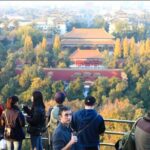
You finish by climbing Jingshan Park for a wide view of Beijing. The idea here is simple: after hours of gates, courtyards, and streets, you need one moment where your brain can zoom out.
This park viewpoint is a strong closing move because it ties together scale. The Forbidden City and the axis layout make more sense when you can see how the city spreads. Even if the weather is not perfect, the experience is still about perspective.
Expect it to be practical sightseeing. This is not just standing for a photo. It is the moment where the whole day becomes easier to interpret. You start noticing how the main monuments relate to each other.
Price and what you truly get for about $42
The listed price is $42 per person, and the value is tied to what is included. You get:
- Tickets and reserved entering for the attractions on your route
- Guidance before entering China
- In-person guidance
- Transportation (with a note that airport express is not included)
Also important: pickup is optional. Most central Beijing areas (Dongcheng, Xicheng, Haidian, Chaoyang, Fengtai, Daxing, Shijingshan, Shunyi) can be free, but suburban pickups cost extra. Transport fees from your meeting point to the attractions are not included, either.
So the real question is not just the dollar amount. It is whether you would spend extra time and energy handling entry logistics yourself. In places like Tian’anmen Square and the Forbidden City, reserved entry and timed planning can be the difference between a smooth day and a stressful one.
For solo travelers, the small-group or private options can also help if you want less crowding at key moments. For families, the structure is useful as long as everyone can handle the walking time.
Guide quality and communication, especially in a complex place
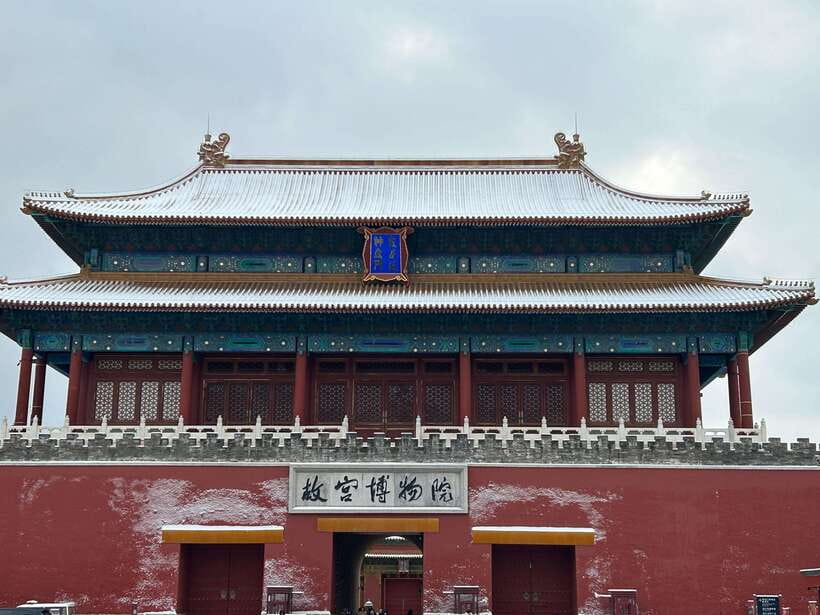
This tour is run by Wander with Jacob, and Jacob’s name shows up in recent guest feedback as a strong part of the experience. The recurring themes are clear explanations, professionalism, patience, and flexibility when plans shift slightly due to crowds. You can also expect live guidance in English and Chinese.
That matters because Beijing can be confusing if you rely on signs only. A good guide helps you:
- understand what you are seeing at Tian’anmen Square and why it matters
- navigate the pace inside the Forbidden City without wasting time
- use the free time blocks at Qianmen and Wangfujing well
If you like asking questions, this style of tour is a good fit. If you prefer silence and wandering, you might find it more structured than you want.
Timing: how to plan for 2.5 to 8 hours in real life
The duration is listed as 2.5 to 8 hours, which tells you something: the day can stretch based on starting time, crowd levels, and how much time is spent at each stop.
To handle that range, plan your logistics like this:
- Keep your next activity flexible.
- Wear shoes that can handle lots of walking and stairs, including the Jingshan climb.
- Bring a plan for meals, because you have a local café break in the schedule with about 30 minutes free time.
Crowds are the big variable. During national holidays, the square area can become packed. The good news is that local organization can keep things moving, and the tour structure helps you keep your bearings.
Who this tour suits best
This tour fits best if you want:
- a first Beijing day that covers the essentials along the Central Axis
- guided context at Tian’anmen Square and the Forbidden City
- a balance of monuments plus everyday street feeling in Qianmen and Wangfujing
- a high finish at Jingshan Park
It is also a smart choice if you do not want to spend half your trip thinking about entry times, which entrance to use, and how to sequence stops.
A few practical prep tips you should follow
This experience has a security-forward setup. You are asked to provide details in advance, including passport numbers for you and your group, a phone number if you have one, and where you want pickup. The tour also warns not to bring dangerous items, since secure policies can affect access.
The key takeaway is simple: do the paperwork part early. The guidance recommends booking about 7 days before your arrival and emailing the required information after booking. If you wait too long, you can end up trying to solve access problems when you are already on the trip.
Also remember what to bring. You need a passport or ID card for children.
Should you book this Beijing Central Axis essentials tour?
Book it if you want a guided, efficient day that moves from Tian’anmen Square to the Forbidden City, then into hutong culture and modern street life, with a viewpoint finish. The big strength is the structure plus reserved entry, which makes your time feel tighter and calmer than DIY planning.
Skip it or look for something more flexible if you:
- want long, independent time inside the Forbidden City
- dislike guided pacing and prefer to wander without explanations
- are traveling very far outside central pickup areas and do not want extra transport costs
If you match the tour to your travel style, this is an excellent way to understand Beijing quickly. You will see the axis, feel the transitions between eras, and end the day with a view that makes the whole route click.
FAQ
What does the tour include?
Tickets and reserved entry for the attractions on the route, a guidance briefing before entering China, in-person guidance, and transportation. Airport express is not included.
Which attractions are visited?
Tian’anmen Square, the Forbidden City (Palace Museum), Qianmen Street, Wangfujing Street, and Jingshan Park.
How long is the experience?
It can run from 2.5 to 8 hours, depending on the starting time and conditions.
What languages are available?
The live tour guide is available in Chinese and English.
Is pickup included?
Pickup is optional. Most central Beijing districts can be free, while the suburban area costs extra. Transport from your meeting point to attractions is not included.
Where is the meeting point?
It varies depending on the option booked.
Is there a local break during the tour?
Yes. There is a local café break time with free time for about 30 minutes.
Do I need identification?
You should bring a passport or an ID card for children.
How far in advance should I book?
The guidance recommends booking about 7 days before your arrival, especially due to early booking requirements.
What is the cancellation policy?
Free cancellation is available up to 24 hours in advance for a full refund.
More Tours in Beijing
More Tour Reviews in Beijing
Not for you? Here's more nearby things to do in Beijing we have reviewed



Tours, compared.
 ★ 4.9From Beijing: Mutianyu Great Wall Tours with OptionsFrom $199,216 reviews
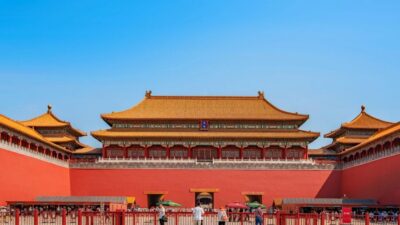 ★ 4.8Forbidden City Tour(Group/Private)-Tickets IncludedFrom $47,974 reviews
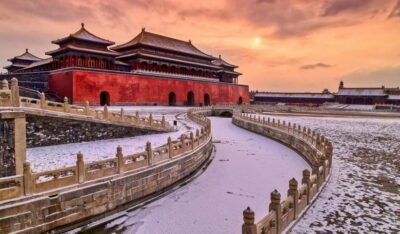 ★ 4.8T-Square & Forbidden City Group or Private TourFrom $174,446 reviews
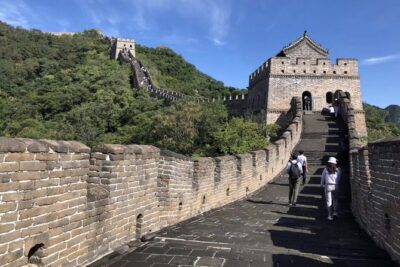 ★ 5.0Mutianyu Great Wall Daily Tour with Ticket & LunchFrom $183,056 reviews
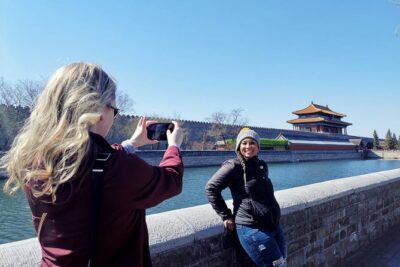 ★ 5.0All-Inclusive Tour: Tiananmen Square, Forbidden City, Great WallFrom $1282,873 reviews
 ★ 5.0MuBus: Mutianyu Great Wall ENG/ESP/RUS Guided Bus TourFrom $202,361 reviews
 ★ 5.04-Hour Small Group Tour to Forbidden City with Entry TicketsFrom $151,863 reviews
 ★ 5.0Beijing Full Day Tours: Tiananmen Sq, Forbidden City, Great WallFrom $991,634 reviews