
Reviewed · TERRACOTTA WARRIORS FROM BEIJING
10-Day China Tour to Beijing, Xian, Chengdu and Shanghai
A great China trip starts with the right route. This 10-day loop stitches together Beijing’s imperial sights, Xi’an’s Terracotta Warriors, Chengdu’s panda world, and Shanghai’s modern edge, with major admissions and transport handled for you.
What I like most is the amount of time you get in each city without feeling stuck in a single neighborhood, and the way you’re moved between highlights with less hassle than doing it all alone.
I also love that you don’t just see famous places, you get a few distinctly local textures. A Hutong rickshaw ride in Beijing and time in Xi’an’s Muslim Quarter make the big-ticket monuments feel human and lived-in.
One thing to think about: this is a packed schedule with early starts (pandas especially), and it’s not suitable for people over 80. If you want a super-slow trip with lots of downtime, you may feel the pace.
Key Points You’ll Care About
- Fast connections: high-speed trains between Beijing to Xi’an and Xi’an to Chengdu, plus a flight from Chengdu to Shanghai
- Big sights mostly included: top admissions like Forbidden City, Temple of Heaven, Mutianyu Great Wall, Terracotta Army museum, and Shanghai Museum
- Great Wall with a real lift: round-trip cable car at Mutianyu saves time and makes the climb more manageable
- Beijing beyond monuments: a Hutong rickshaw ride plus stops like Lama Temple and the Temple of Heaven
- Two panda-friendly details: an earlier pickup because pandas are more active in the morning
- Shanghai done in layers: museum and gardens first, then Yu Garden and Zhujiajiao water town for a quieter contrast
Beijing Start: Airport Transfer and the Real Capital Feeling
Beijing hits fast, in a good way. You’re met at Capital Airport (Shunyi) and transferred to your hotel, then you get a full rest-of-day to reset after your arrival. That matters. Long-haul travel can chew up your first afternoon, and a free evening helps you get your bearings.
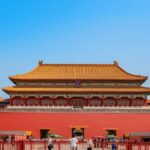
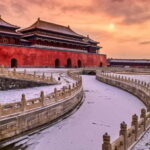
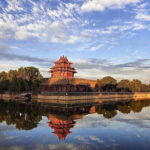
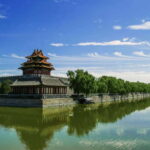
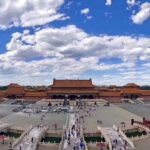
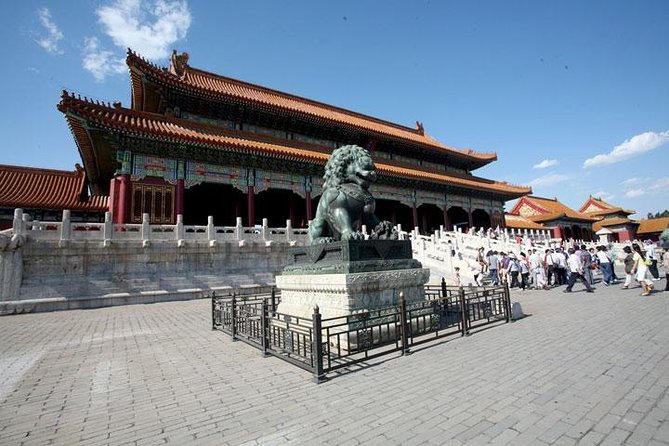
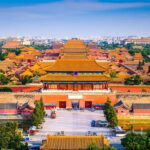
On day two, the tour aims right at the spine of the city: Tiananmen Square and then the Forbidden City (Palace Museum). Tiananmen is huge, and the main value is scale and atmosphere. You see how it works as a civic space, not just a photo backdrop. The Forbidden City is the opposite feel, more detailed and specific. The tour time you get there is long enough to move at a sane pace through halls and pavilions without feeling like you’re speed-walking history.
After that, you get a thoughtful religious stop mix with Lama Temple (Yonghegong) and the Temple of Heaven. You’re not only chasing monuments. You’re seeing how different traditions shaped architecture and ceremony. Lama Temple also has a style that blends several cultural influences, which helps you understand why it feels different from the rest of Beijing’s imperial look.
You can also read our reviews of more tours and experiences in Beijing.
What can feel like a lot?
Beijing mornings are structured. If you’re jet-lagged, you’ll want breakfast and water ready, and you’ll benefit from comfortable shoes. The itinerary is built to move, so treat this as your “get your energy back” part of the trip.
Tiananmen and Forbidden City: How to See More With Less Stress
The Tiananmen stop is brief, but timed well. You go in the morning with a guide, so you’re not stuck figuring out logistics while crowds grow. Then the Forbidden City becomes the core. With about 3 hours on the museum side, you can actually linger. I like that because a place this big can turn into a blur fast.
Practical tip: plan your mental priorities before you arrive. You can’t see everything well in one visit, so pick a few areas you care about most and let the rest be background. The guide helps you stay oriented while you focus on what you want to notice.
Also, don’t underestimate the value of included admission. When a tour folds tickets into the price, you spend less time at ticket counters and more time inside doing the one thing you came for.
Lama Temple and Temple of Heaven: Beijing’s Spiritual Architecture
This is one of those “quietly smart” parts of the tour. Lama Temple (Yonghegong) is described as the best preserved lamasery in Beijing, and you can see that in the way the complex holds together. The mix of architectural influences makes it visually interesting even if you’re not deep into religion.
Then you shift to the Temple of Heaven, tied to emperors worshiping the heavens for good harvests. Even if ceremony details aren’t your thing, the architecture and layout give you a real sense of how beliefs shaped space. You’re also not juggling a dozen stops, which keeps this from becoming just another checklist day.
A small but real advantage: these included admissions mean the schedule stays tight. You don’t lose half a day to ticket logistics.
Mutianyu Great Wall, Bird’s Nest, and Hutong Rickshaw: The Beijing Highlights Mix
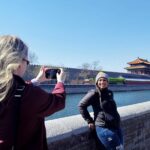
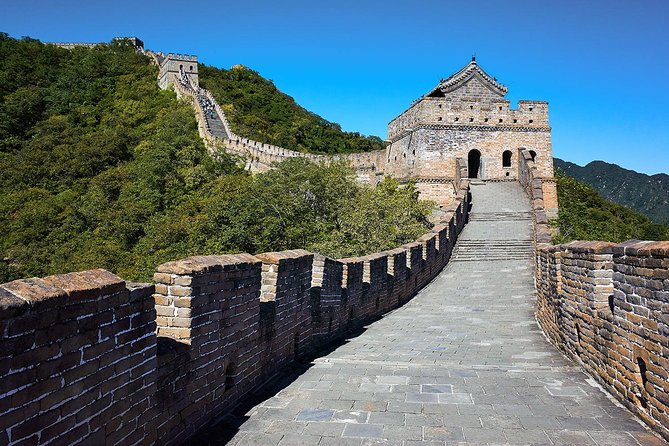
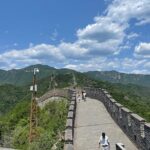
The route to the Mutianyu Great Wall is a classic for a reason. You get a Great Wall that feels like a Great Wall, not a cramped tourist bottleneck. The itinerary includes a round-trip cable car, which changes the experience. It can be the difference between enjoying the views and feeling like you only came to climb.
Afterwards you head back downtown and stop at the Bird’s Nest for photos from a distance. It’s short, and that’s okay. The stadium isn’t the main story here, it’s a quick visual bookmark for modern Beijing.
Then comes a side of Beijing most first-timers miss if they only chase landmarks: a Hutong rickshaw ride through narrow alleys lined with old residential courtyards. This is where you start noticing daily life patterns, not just big-ticket architecture. The ride also helps you cover ground without getting lost.
The only caution here
Cultural sites can mean lots of walking. Build in water breaks and don’t judge the day by one tough segment. The Great Wall cable car helps, but you’ll still move.
Summer Palace Then the Train South: A Smooth Transition to Xi’an
Day four begins with the Summer Palace (Yiheyuan). This is the largest existing imperial garden, and the tone of the day matches that. You’re not looking at one building, you’re walking through a designed landscape with constructions and water features working as a system. It’s a good counterbalance to the hard edges of Tiananmen and Forbidden City.
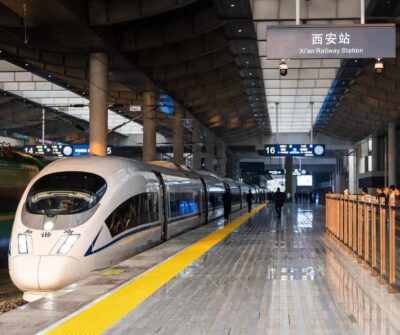
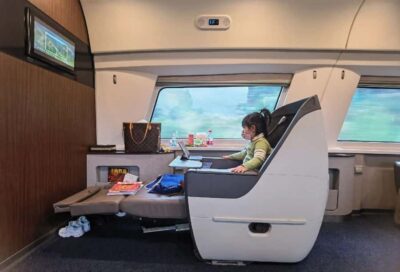
The afternoon move to Xi’an is done by high-speed train, about 4.5 hours. That’s a smart tradeoff. Flying would save little time once you factor in airport steps, and buses are slower. Train travel also gives you breathing room. The itinerary even suggests bringing fruit or snacks and something to watch, which is exactly what I’d do to avoid the “hangry train” problem.
You land in Xi’an and the rest of the day is handled, with free time after arrival. It’s a helpful buffer before the big archaeology day.
Terracotta Warriors and Big Wild Goose Pagoda: Xi’an’s Best Day
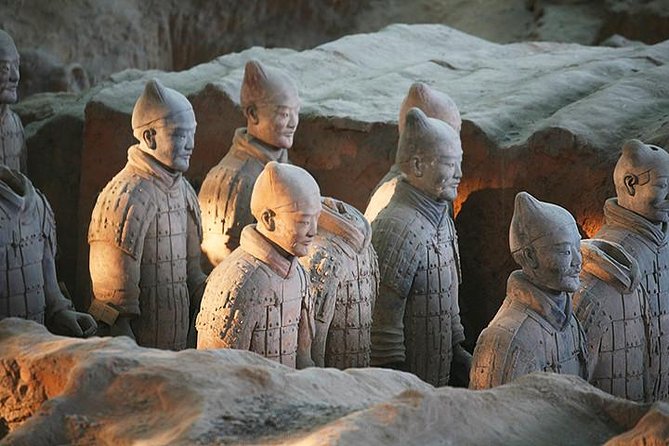
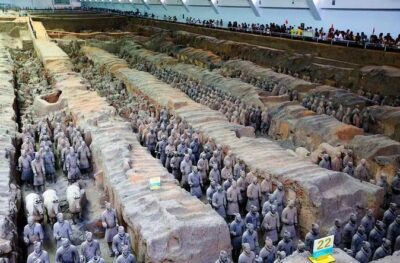
Xi’an’s star is the Museum of Qin Terracotta Warriors and Horses. The key value here is that you’re going beyond a single photo moment. The museum has three excavated pits, and that helps you grasp the scale of the site. You also get time for weapons and details in the context of the warriors, which makes it feel more real than a generic world wonder.
After that, you visit the Big Wild Goose Pagoda (Dayanta), a square brick pagoda and one of Xi’an’s most recognizable ancient landmarks. The allotted time is around 1 hour, so it’s long enough for a solid visit, short enough to keep energy for the next stop.
Finally, the day ends at the Grand Tang Dynasty Ever Bright City, a popular street area known for traditional-style clothing and an old-dynasty vibe. This is not the same kind of “serious” stop as the Terracotta Army, and that’s why it’s good. It gives you a fun evening without demanding extra planning.
What to expect
If you’re sensitive to crowds, go in with the mindset that this is a top attraction. The tour’s structure helps you stay on track, but the site can still be busy. Comfortable shoes matter more than you think.
Xi’an City Wall and the Muslim Quarter: History You Can Taste
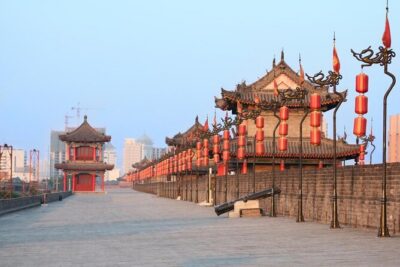
The Xi’an day starts with a calmer option: City Wall Park and then the Xi’an City Wall itself. This is the most complete existing urban fortification in China, and the day is built so you can see normal life around the park and then shift into the bigger fortification experience. It’s a good way to feel the city’s defensive mindset without only staring at a wall.
Next is the Xi’an Mosque, one of the oldest and best-preserved Islamic mosques in the city. The stop is short, but it fits the flow.
Then you get time in the Muslim Quarter. This is one of the best “do it your way” segments of the tour. You can explore surrounding shops, pick up handicraft souvenirs, and eat halal foods and snacks by yourself. The itinerary keeps it flexible, which is what I like. You get structure during guided parts, then freedom where it makes sense.
A helpful choice: you’re not forced into one meal in a set restaurant. You can browse and decide what you want, within the time window you have.
Chengdu Panda Morning and Xiaojiahe Community Time
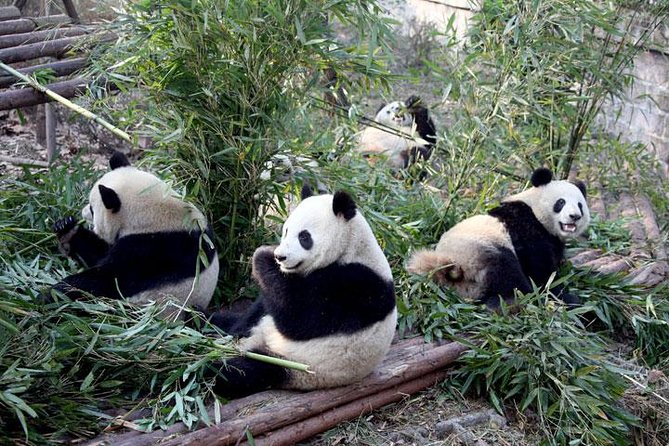
Chengdu is where the tour slows just enough to feel different. You’re taken to the Giant Panda Breeding Research Base early, with a pickup timed because pandas are more active in the morning. That’s a small detail, but it changes your chances of seeing normal panda behavior, not just sleepy portraits.
After the pandas, you head to Xiaojiahe Residential District for a more local-feeling afternoon. You’ll have lunch at your own cost, and the itinerary points you to eat like locals at Yongle Rest. Even if you just treat this as a neighborhood stroll and meal, it’s a welcome break from big museums and formal temples.
This segment feels valuable because you’re not only consuming famous landmarks. You’re watching daily life, which is where a city starts to feel like it has rhythms you can understand.
The one logistical consideration
You’ll likely walk more than you expect after pandas. Plan water and keep an easy pace. This is a “morning highlight, afternoon wander” kind of day.
Fly to Shanghai: The Bund and Huangpu River Cruise
The Chengdu to Shanghai transfer is efficient: you go from Chengdu’s airport, fly to Shanghai, and then your local guide escorts you to the hotel for check-in. This helps you keep the trip moving without spending a full day in transit.
Once you’re in Shanghai, the tour turns to a classic duo: the Bund and a one-hour cruise on the Huangpu River. The Bund gives you that early 20th-century architectural line-up across the water. The cruise then adds two perspectives at once, older style buildings on one side and modern skyscrapers on the other.
Even if you’ve seen Shanghai at night on screens, the river cruise is useful because it makes the city’s scale and growth feel physical. You’re not only reading about development, you’re watching it.
Shanghai Museum, Yu Garden, and Zhujiajiao Water Town
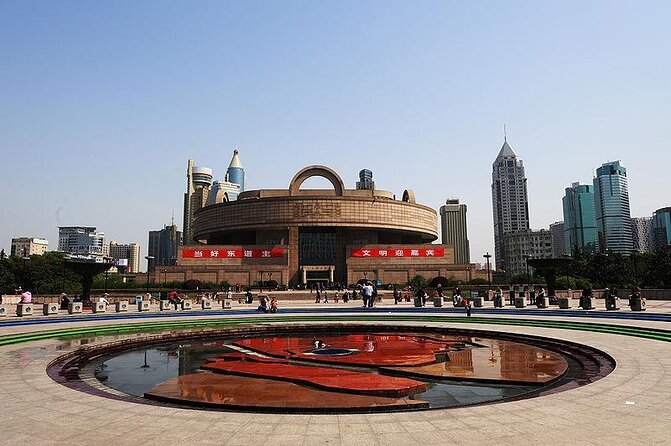
Shanghai day nine is arranged like a smart culture sequence. You start with the Shanghai Museum, one of the four largest museums in China, focused on art works from ancient times. You get about 2 hours, which is enough time to see major pieces without losing track to exhaustion.
Then you visit Yu Garden (Yuyuan). The garden is known for the Nine Zigzag Bridge and scenic pavilions. This stop is perfect for a slower pace in the middle of a fast trip. It also helps you understand why Shanghai isn’t only glass towers, it’s layered with older traditions.
For lunch, you’re given an a la carte farewell meal (the itinerary mentions a lunch value, but the exact amount isn’t listed here). After that, you head to Zhujiajiao Ancient Town, nicknamed the Oriental Venice because of residences along rivers. It’s specifically described as quieter and older in tone than modern Shanghai.
My advice for this day
Wear clothes you can move around in. Museums and gardens are both easiest when you’re comfortable. Also, give yourself one “no rush” block. The itinerary is full, so treat any quiet corner in the garden or water town as your reset.
Wrapping Up in Shanghai: Airport Transfer and the Maglev Option
On day ten, the tour is built around your international flight schedule. Your guide and driver pick you up at the hotel and take you to the airport on time.
The itinerary also notes that if you prefer it, you can experience the maglev train ride to Pudong Airport. That’s a fun speed element if you have time and energy. If your flight is tight, just prioritize getting there smoothly.
Price and Value for a 4-City China Loop
At $2,979 per person, this tour is not cheap. But it’s also not trying to be a bare-bones budget deal. Your price covers a lot of what usually makes independent travel expensive in China: intercity transport and guided structure.
Here’s the value logic I see:
- Lodging in twin-sharing rooms is included, which is often one of the biggest costs on multi-city trips.
- Major domestic transport is covered: Beijing to Xi’an by high-speed train, Xi’an to Chengdu by high-speed train, and Chengdu to Shanghai by economy-class airfare.
- Guides and an experienced driver handle the day-to-day movement inside each city.
- Several top admissions are included across Beijing, Xi’an, Chengdu, and Shanghai, meaning you spend less time buying tickets and more time seeing sights.
- Meals are also partly included: 9 breakfasts and 3 lunches, plus two bottled waters per person per day.
What’s not included is also clear, and that matters for budgeting. Gratuities are recommended, and China visa fees and international airfare are not included. Also, the Bird’s Nest National Stadium stop is listed as not included for admission, and there’s at least one meal you handle yourself in Xiaojiahe.
Is it a good deal?
If you want a strong “greatest hits” route with real structure, this price often makes sense because it bundles transport and multiple admissions. If you’re the kind of traveler who loves planning every ticket and doesn’t mind negotiating local transit, you could potentially do it cheaper. But you’d trade away a lot of the time-saving benefits.
Handy Tips to Make This Tour Feel Easier
This itinerary runs on momentum. A few small choices can make a big difference.
- Bring comfortable walking shoes. Great Wall segments, museums, and old-town areas add up.
- Pack for early mornings. The pandas start with an earlier pickup because they’re more active then.
- For the trains, plan snacks and entertainment. The route suggests fruits or snacks and something to watch, and that’s practical on long high-speed stretches.
- Expect some free time blocks. Day one in Beijing is free after transfer, and Muslim Quarter time is your chance to eat and browse your way.
- Budget for personal meals. Lunch is included on set days, but you may also want to spend extra on snacks in the neighborhoods.
Should You Book This 10-Day China Tour?
I’d book this if you want a well-paced four-city sampler with guided admissions, less transit friction, and enough cultural variety to avoid repeating the same kind of sightseeing over and over. The best part is the balance of “must-sees” and places that feel local, like Hutongs, the Muslim Quarter, and Xiaojiahe.
You might skip or choose a gentler option if you hate early starts, need a lot of downtime, or prefer to travel fully on your own schedule. This one is efficient, and efficiency can feel intense.
If you’re okay with a busy plan and want the big classic highlights delivered in one package, this is a strong choice.
FAQ
What cities are included in this 10-day China tour?
The tour covers Beijing, Xi’an, Chengdu, and Shanghai.
How do you travel between the cities?
You travel from Beijing to Xi’an by one-way high-speed train, from Xi’an to Chengdu by one-way high-speed train, and from Chengdu to Shanghai by one-way economy-class airfare.
Are airport transfers included?
Yes. You are met at Capital Airport (Shunyi), Beijing and transferred to your hotel, and you are also transferred to the airport at the end based on your international flight schedule.
What meals are included?
The tour includes 9 breakfasts and 3 lunches. It also includes two bottled waters per person per day.
Are admission tickets included?
Many key admissions are included, including the Forbidden City, Lama Temple, Temple of Heaven, Mutianyu Great Wall, Summer Palace, Terracotta Warriors museum, Big Wild Goose Pagoda, Xi’an City Wall, Xi’an Mosque, Giant Panda Breeding Research Base, Huangpu River cruise, Shanghai Museum, Yu Garden, and Zhujiajiao Ancient Town.
Is the Bird’s Nest stop included?
The Bird’s Nest National Stadium photo stop is listed as admission not included.
Is there a cable car at the Great Wall?
Yes. At Mutianyu Great Wall, the tour arranges round-trip cable car.
Is there time for exploring on your own?
Yes. Day one after arrival in Beijing is free time, the Muslim Quarter is explored by yourself, and lunch in Xiaojiahe is at your own cost.
What is the meeting point and start time?
The meeting point is Capital Airport Shunyi, Beijing 101300 China, and the start time is 9:00 am.
Can this tour be changed or refunded after booking?
No. The experience is non-refundable and cannot be changed for any reason.
More Tours in Beijing
More Tour Reviews in Beijing
Not for you? Here's more nearby things to do in Beijing we have reviewed


Terracotta Warriors from Beijing, compared.
 ★ 5.0Beijing to Xi’an See Terracotta Warriors with Bullet Train Round Trip TransferFrom $564238 reviews
 ★ 5.0Xi’an Terracotta Tour by Train-All Tickets IncludedFrom $43827 reviews
 ★ 4.8Beijing to Xi’an Terracotta Tour by Roundtrip Bullet TrainFrom $18013 reviews
 ★ 5.05 Days Beijing and Xian Tour by bullet trainFrom $1,0189 reviews
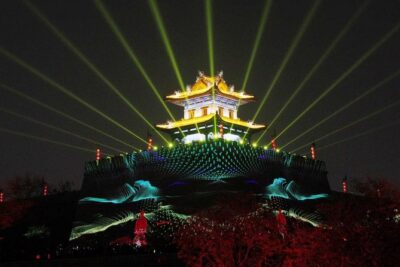 ★ 5.0One Day Xian Terracotta Warriors Tour from Beijing Including Round Trip AirfaresFrom $5608 reviews
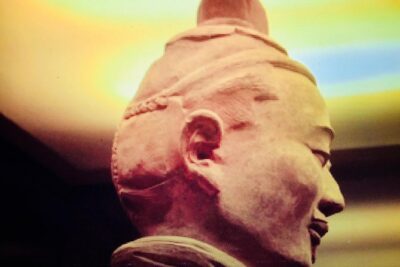 ★ 5.0Private Day Trip to Terracotta Army from Beijing by Bullet TrainFrom $2997 reviews
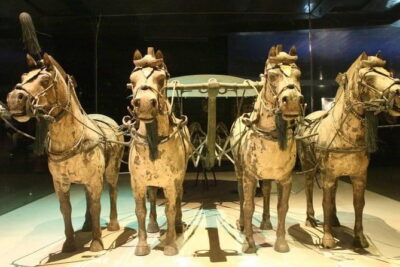 ★ 5.0Beijing Private Tour: Xi’an Terracotta Warriors by Bullet TrainFrom $4346 reviews
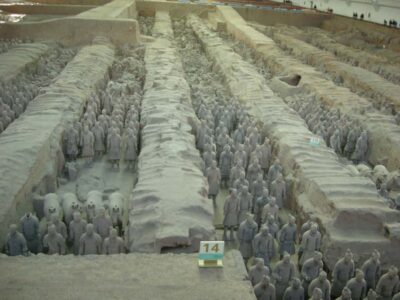 ★ 4.91-Day Terracotta Warriors Tour from Beijing/Chengdu/ShanghaiFrom $1956 reviews
Browse the lists this tour appears in